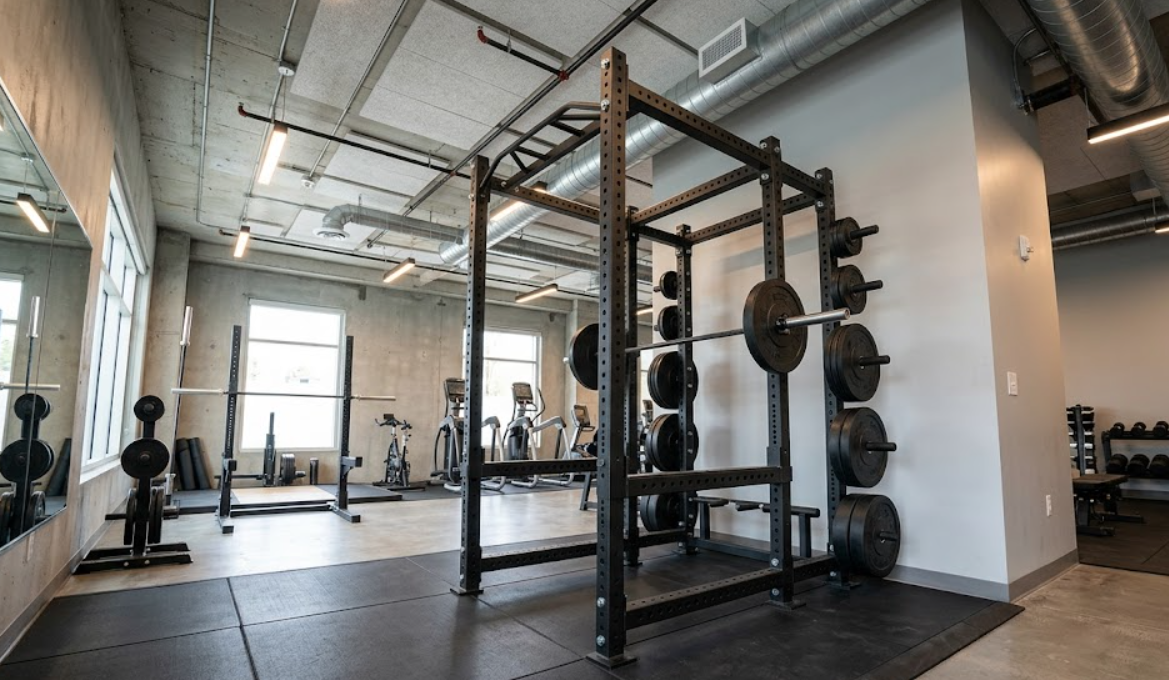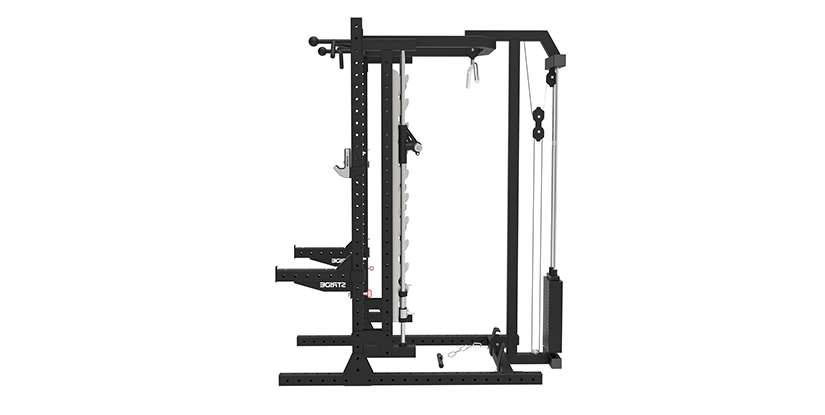
Body Solid Power Rack Comparison for Multi Site Rollouts
Deployment Scenarios for Multi-Site Strength Training Equipment
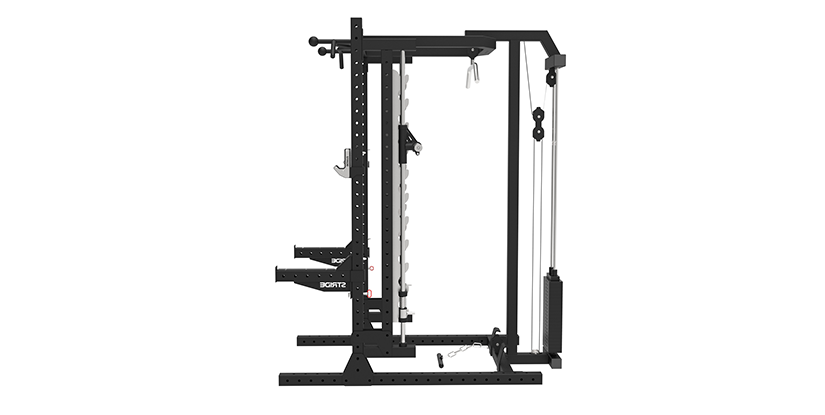
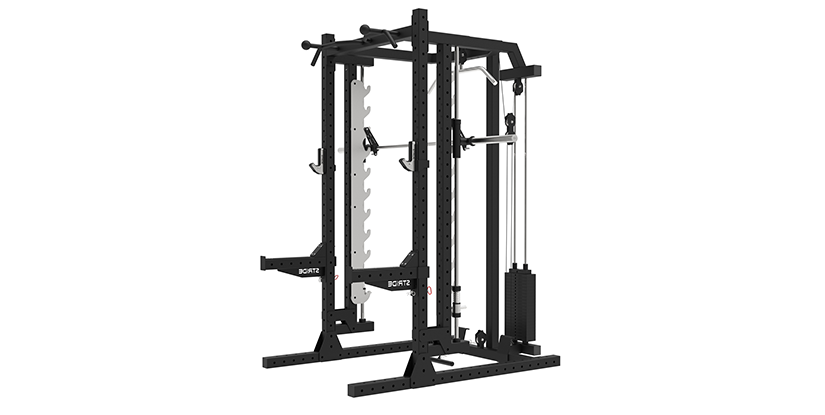
A body solid power rack serves as a foundational element for professional strength training environments, providing a stable, high-capacity structure for heavy lifting. B2B buyers prioritize these configurations to ensure structural integrity and functional consistency across diverse gym layouts and varying facility dimensions.
Spatial Footprint and Facility Layout Optimization
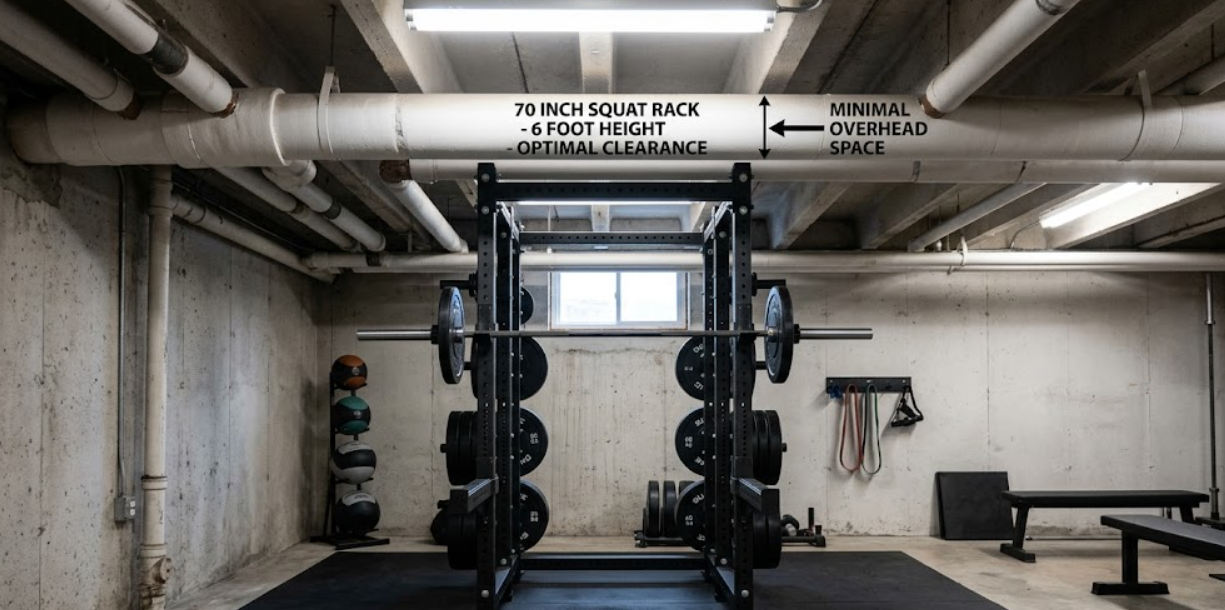
When managing multi-site rollouts, procurement managers must reconcile the heavy duty power rack specifications with the actual available square footage. A full power rack offers maximum safety and integrated cable options but requires a larger dedicated footprint. Conversely, specialized configurations may allow for better footprint optimization in boutique settings where space is at a premium. Efficient facility layout planning ensures that commercial strength training equipment does not obstruct traffic flow or violate safety clearances, a critical factor when scaling body solid power rack deployments across multiple locations with varying floor plans.
Configuration Comparison for Spatial Planning
Selecting the appropriate model depends on the specific constraints of your facility. While full-scale racks offer the highest level of integrated functionality, compact or modular versions allow for higher density in urban boutique studios or hotel gyms. Use the following comparison to align your procurement orders with site-specific dimensions.
| Rack Configuration | Typical Footprint | Primary Deployment Use Case | Space Strategy |
|---|---|---|---|
| Full Power Rack | Large / Fixed | High-traffic commercial gyms | Maximized safety and utility |
| Half Rack | Medium / Standard | Standard strength training zones | Balanced stability and flow |
| Compact / Wall-Mount | Minimal / Small | Boutique studios or small gyms | Maximum footprint optimization |
For distributors managing large-scale orders, verifying these dimensions against local fire codes and clearance requirements is essential. Ensuring consistency in these specifications across all locations prevents logistical delays during the final installation phase of a multi-site rollout.
Successful gym facility standardization requires more than just uniform equipment models; it demands a strict adherence to safety zones. Procurement teams must mandate specific clearance requirements for every body solid power rack ordered to prevent overcrowding. For multi-site rollouts, failing to account for the "working radius"—the space needed for bar bell oscillation and user movement—can lead to non-compliance with local safety standards. Maintaining multi-site consistency means ensuring that even the smallest facility in your network has the necessary unobstructed perimeter to operate the equipment safely and professionally.
Evaluating Body Solid Power Rack Configurations for Facility Standardization
Maintaining facility standardization across multiple locations requires more than just visual consistency; it demands rigorous structural integrity. For distributors and multi-site operators, sourcing a body solid power rack that meets uniform heavy-duty steel gauge specifications ensures that every branch delivers the same user experience and safety standard. Inconsistent equipment quality across a chain leads to fragmented maintenance schedules and higher long-term replacement costs.
Durability and Structural Comparison
When procuring commercial strength training equipment for large-scale rollouts, the choice between different rack configurations often comes down to the steel thickness and frame design. Selecting a standardized model allows for predictable wear patterns and streamlined spare parts inventory. Use the table below to evaluate how different configurations impact long-term durability and procurement planning.
| Configuration Type | Steel Gauge Profile | Structural Stability | Maintenance Profile |
|---|---|---|---|
| Standard Power Rack | High-gauge heavy duty | High (Fixed Frame) | Low; standard bolt checks |
| Modular/Adjustable Rack | Medium-high gauge | Moderate (Moving Parts) | Medium; requires joint inspection |
| Integrated Cable Rack | Premium heavy-duty | High (Integrated Base) | Medium; cable/pulley upkeep |
For high-traffic environments, prioritizing a consistent body solid power rack specification helps mitigate the risks of structural fatigue. Ensuring all units utilize a comparable heavy-duty steel gauge simplifies the quality control process during international shipping and local installation phases.
Choosing between a fixed-frame setup and a modular configuration involves a strategic trade-off between structural rigidity and functional versatility. While modular systems offer greater adaptability for boutique studio layouts, fixed-frame designs typically provide superior stability for heavy lifting in high-volume commercial settings. From a procurement standpoint, standardizing on a single frame thickness across your entire rollout reduces the complexity of managing diverse spare parts and simplifies the training requirements for your facility maintenance teams.
Load Capacity and Usage Intensity Analysis
The operational lifespan of your equipment is directly tied to how well the configuration matches the intended usage intensity. A mismatch—such as placing a lightweight modular rack in a high-performance strength zone—can lead to accelerated wear and increased liability. For multi-site rollouts, we recommend aligning your procurement orders with the specific traffic projections of each location to optimize the total cost of ownership (TCO).
| Usage Intensity | Recommended Configuration | Typical Load Capacity | Best Suited For |
|---|---|---|---|
| Low to Moderate | Basic/Modular Rack | Standardized weight loads | Hotel gyms & boutique studios |
| High Traffic | Advanced/Full Power Rack | Maximum heavy-duty load | Commercial fitness franchises |
| Specialized/Hybrid | Integrated Cable/Rack | Variable load distribution | Multi-functional training centers |
When negotiating wholesale volumes, verify that the heavy duty power rack specifications remain consistent across all ordered configurations. This ensures that even if the functional features vary, the fundamental steel quality and welding standards remain uniform across your global supply chain.
Optimizing Long-Term TCO and Maintenance Cycles
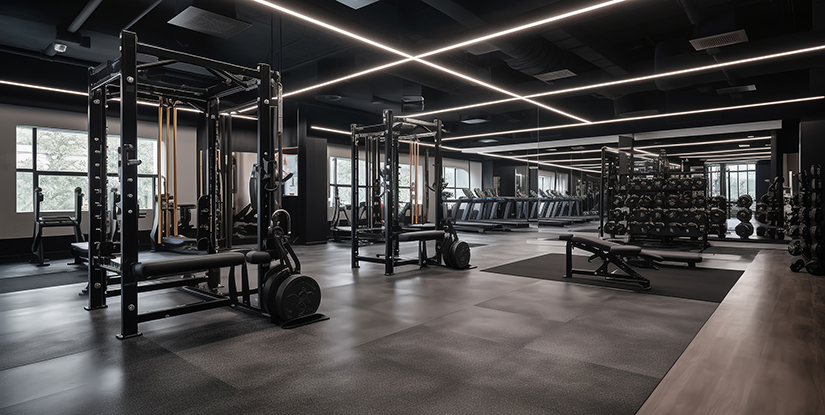
Scaling a fitness brand requires a shift in focus from initial purchase price to long-term TCO. For multi-site rollouts, the body solid power rack configurations you select must support predictable maintenance cycles to prevent operational downtime. Standardizing on a single model line ensures that wear and tear on high-use components—such as J-cups or safety bars—follows a uniform pattern across all locations.
A strategic procurement advantage lies in sourcing equipment with standardized parts for easier replacement. When every facility utilizes identical hardware, your regional technicians can maintain a lean inventory of common replacement components rather than managing a fragmented catalog of specialized parts. This consistency significantly improves long-term ROI by reducing the labor hours required for routine inspections and ensuring that minor component failures do not result in extended equipment outages across your network.
Structural Compatibility and Heavy Duty Power Rack Specifications
Maintaining facility standardization across multiple locations requires more than just visual consistency; it demands rigorous structural integrity. When sourcing a body solid power rack for a multi-site rollout, procurement managers must ensure that every unit meets the same high-performance benchmarks to prevent uneven wear or premature replacement across different gym branches.
Standardizing your commercial strength training equipment relies heavily on the quality of the raw materials used during manufacturing. For high-traffic environments, a heavy-duty steel gauge is non-negotiable. Utilizing thick-walled steel tubing ensures the frame can withstand the lateral forces and heavy loading typical in professional strength training, reducing long-term maintenance costs and ensuring a uniform user experience regardless of the specific facility location.
Technical Configuration Comparison
When planning a large-scale deployment, the choice between a full enclosure and an open-frame design significantly impacts both the footprint and the accessory ecosystem. A full power rack offers superior stability for heavy lifting, whereas a half rack maximizes floor space in boutique or high-density settings. Procurement teams should evaluate these specifications to ensure compatibility with standard commercial accessories such as dip stations, landmines, and weight storage systems.
| Configuration Type | Typical Steel Gauge | Weight Capacity | Footprint Profile | Accessory Compatibility |
|---|---|---|---|---|
| Full Power Rack | 11-gauge Steel | Highest (Heavy Duty) | Large / Fixed | Extensive (Multi-point) |
| Half Rack | 11 to 14-gauge Steel | Moderate to High | Medium / Versatile | Standard (Rear Support) |
| Squat Stand / Rack | 14-gauge Steel | Light to Moderate | Minimal / Compact | Limited (Basic J-Hooks) |
For distributors managing multi-site rollouts, prioritizing configurations with high accessory compatibility ensures that facility managers can upgrade or expand equipment without replacing the entire structural frame. This modularity protects the long-term ROI of the initial procurement investment.
Long-Term Durability and TCO Optimization
For large-scale operators, the total cost of ownership (TCO) is driven by how well the equipment survives high-traffic environments. A high-quality body solid power rack must feature advanced powder coating durability to resist chipping from constant barbell contact and humidity. Neglecting these specifications can lead to accelerated wear and tear, forcing more frequent maintenance cycles and costly equipment replacements across your network. Prioritizing robust finishes and heavy-duty construction ensures a longer service life, reducing the frequency of reinvestment and stabilizing long-term operational budgets.
Optimizing Floor Layouts and Footprint Consistency
For multi-site operators, maintaining a standardized facility layout is critical for predictable scaling and operational efficiency. When sourcing a body solid power rack for various locations, the physical footprint becomes a primary constraint that dictates how much high-density commercial strength training equipment can be deployed without compromising user safety or traffic flow.
Spatial Efficiency and Configuration Trade-Offs
Different configurations offer varying levels of spatial utility. A full power cage provides maximum structural stability but demands a larger, fixed footprint, which may limit flexibility in smaller boutique branches. Conversely, half racks or specialized open frames offer better spatial efficiency for high-traffic zones, allowing for easier integration into diverse floor plans. Distributors must account for these dimensional differences when calculating shipping volumes and site-specific installation requirements to ensure consistent brand standards across all gym locations.
Standardizing dimensions is a technical necessity when managing multi-location rollouts. Procurement managers must evaluate the specific depth and width requirements of each model to prevent unexpected installation delays or structural clashes with existing facility architecture. Below is a technical comparison of common configurations to assist in your floor planning and facility standardization.
| Configuration Type | Typical Footprint (Width x Depth) | Space Requirement (Clearance) | Primary Use Case |
|---|---|---|---|
| Full Power Cage | 48" x 60" | High (Requires 360° access) | Standardized strength zones |
| Half Rack | 45" x 50" | Moderate (Front/Side access) | High-traffic commercial gyms |
| Squat Stand / Open Frame | 40" x 45" | Low (Minimalist footprint) | Boutique or space-constrained sites |
When reviewing heavy duty power rack specifications, do not overlook the "safety zone" surrounding the equipment. A body solid power rack may have a compact frame, but the functional area required for bar whip and plate loading often extends several feet beyond the steel dimensions. Ensuring these clearance buffers are accounted for in your initial procurement orders prevents costly onsite reconfiguration during facility launches.
Logistics and Installation Planning for Multi-Site Rollouts
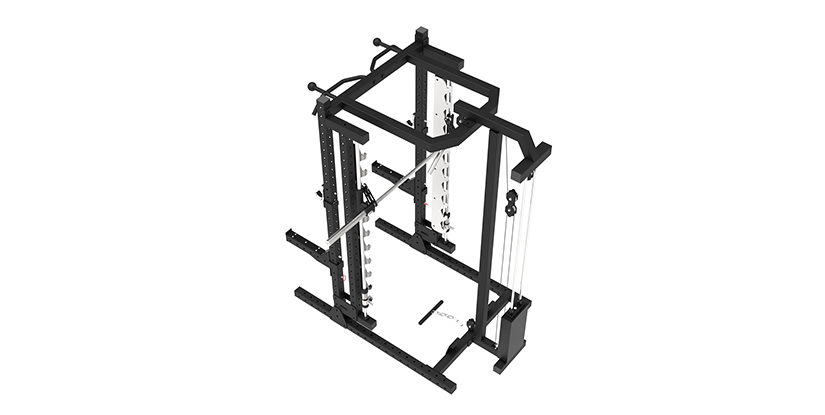
Effective equipment spacing extends beyond the steel frame itself. For a successful multi-site rollout, procurement teams must mandate a strict safety clearance protocol that accounts for barbell length and user movement. Neglecting these buffers in high-traffic zones leads to congestion and potential liability. To ensure installation consistency, specify exact buffer zones in your site blueprints, ensuring that every body solid power rack deployment meets the same rigorous safety and accessibility standards across all regional branches.
Inventory Management and Stocking Strategies for Distributors
Managing the procurement scaling of a body solid power rack requires a strategic balance between immediate availability and long-term capital efficiency. For distributors handling multi-site rollouts, the primary challenge lies in navigating the tension between unit cost vs. shipping volume to maintain healthy margins while meeting strict installation timelines.
Optimizing Procurement via Volume and Logistics
When sourcing commercial strength training equipment for large-scale projects, purchasing single units often leads to prohibitive landed costs due to volumetric weight. To maximize ROI, procurement managers should leverage consolidated shipping strategies. By increasing order quantities to meet higher MOQ thresholds, distributors can significantly reduce the per-unit freight impact, even if it requires more sophisticated warehouse management for the body solid power rack inventory.
| Procurement Model | Primary Benefit | Logistical Complexity | Best For |
|---|---|---|---|
| Just-in-Time (JIT) | Low Capital Tie-up | High (Frequent Shipments) | Boutique Studio Rollouts |
| Bulk Forward Stocking | Lowest Unit Cost | Medium (Requires Storage) | Regional Distributor Hubs |
| Project-Based Batching | Optimized Container Load | High (Lead Time Sensitivity) | Multi-Site Facility Chains |
Effective procurement scaling depends on aligning your stock levels with the projected rollout velocity of your clients. Relying solely on small-batch orders may protect cash flow, but it frequently results in higher shipping premiums and potential delays that can stall a multi-site installation schedule.
To achieve optimal cost-efficiency, buyers must evaluate the trade-offs between order frequency and the heavy duty power rack specifications required for their specific builds. High-density steel components increase the volumetric weight per unit, making the distinction between direct sourcing and wholesale batching critical for the final landed cost.
For large-scale facility standardization, the following comparison highlights how different purchasing frameworks impact the total cost of ownership and logistical overhead:
| Procurement Model | Typical MOQ | Freight Considerations | Cost-Efficiency Profile |
|---|---|---|---|
| Direct Unit Sourcing | Low (1-5 Units) | High per-unit LTL/Parcel fees | High unit price; low risk |
| Wholesale Distribution | Medium (10-30 Units) | Consolidated palletized shipping | Balanced margin and lead time |
| Full Container Load (FCL) | High (Full Container) | Minimized ocean freight per unit | Maximum scale; high capital outlay |
When planning for multiple locations, prioritizing FCL or high-volume wholesale orders ensures that the heavy duty power rack specifications remain consistent across all sites while mitigating the volatility of international freight rates. A structured approach to MOQ management allows distributors to secure predictable pricing and reliable delivery windows for complex rollouts.
Analyzing Total Cost of Ownership (TCO) and Long-Term ROI
Beyond the initial purchase price, professional buyers must prioritize gym facility standardization to protect long-term margins. Utilizing a uniform body solid power rack configuration across multiple locations simplifies maintenance cycles and drastically reduces the technical expertise required for on-site repairs. When equipment is standardized, facility managers can maintain a lean inventory of common replacement parts availability, ensuring that a single broken component does not sideline an entire zone.
This consistency drives a superior long-term ROI by minimizing specialized labor costs and downtime. Rather than managing a fragmented catalog of disparate parts, a standardized fleet allows for predictable service schedules and streamlined procurement. For multi-site operators, the ability to swap modular components between locations—rather than sourcing unique parts for every facility—transforms maintenance from a reactive expense into a controlled, scalable operational process.
Long-Term ROI and Maintenance Cycles in Commercial Settings
For multi-site operators, the true cost of a body solid power rack extends far beyond the initial purchase order. Evaluating the total cost of ownership (TCO) requires analyzing how commercial strength training equipment performs under high-volume usage cycles across different geographic locations.
Calculating Lifecycle Costs for Multi-Site Rollouts
Standardization is the most effective way to mitigate long-term expenses. When a facility maintains a uniform inventory of a specific body solid power rack configuration, procurement teams can streamline maintenance protocols and spare parts inventory. Relying on high-grade steel specifications reduces the frequency of structural adjustments and component replacements, effectively lowering the lifecycle costs. By prioritizing facility standardization, distributors and gym owners avoid the logistical headaches of sourcing mismatched parts for varied equipment models, ensuring that every location operates with consistent structural integrity and predictable maintenance schedules.
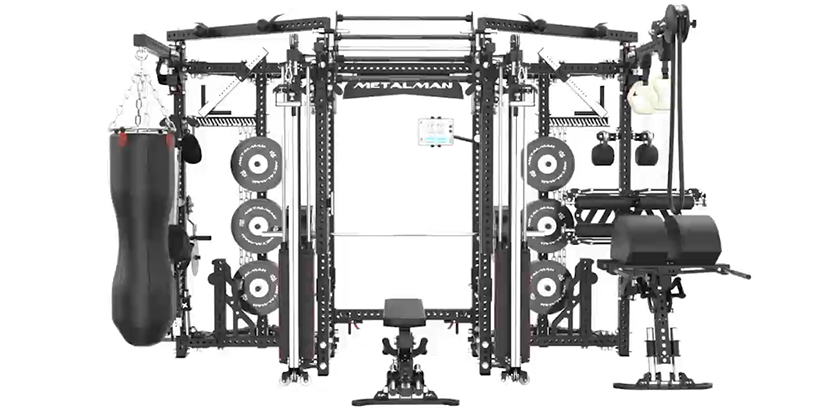
Selecting the correct configuration is a strategic decision that impacts your long-term bottom line. While basic models offer a lower entry price, high-traffic facilities often see a better return on investment through more robust, specialized configurations that minimize downtime and service calls.
Configuration Comparison: Maintenance and Longevity
The following table compares common configurations to assist procurement managers in weighing initial capital expenditure against long-term operational stability. When reviewing heavy duty power rack specifications, pay close attention to the relationship between structural complexity and the frequency of required technical inspections.
| Rack Configuration Type | Primary Maintenance Focus | Typical Maintenance Cycle | ROI Profile |
|---|---|---|---|
| Standard Power Rack | Bolt tightening and upright alignment | Bi-annually | High initial ROI; best for low-to-mid traffic studios. |
| Integrated Cable/Functional Rack | Cable tension and pulley lubrication | Quarterly | Moderate ROI; high utility for multi-use commercial spaces. |
| Heavy-Duty Modular Systems | Structural integrity and attachment wear | Annually | Long-term ROI; optimized for high-volume strength facilities. |
From a distributor perspective, opting for modular designs often provides a hedge against obsolescence. As gym layouts evolve, the ability to upgrade or swap components without replacing the entire frame preserves the structural integrity of the installation and maximizes the usable lifespan of the initial investment.
Optimizing Logistics and Scaling Operations
Efficiently scaling operations across multiple territories requires more than just bulk ordering; it demands rigorous gym facility standardization. Procurement managers should prioritize suppliers that offer high replacement parts availability to prevent localized equipment failures from stalling regional growth. By selecting a single, consistent body solid power rack specification, you enhance procurement efficiency and simplify technician training. This strategic uniformity ensures that as you expand, your logistics and maintenance workflows remain lean, predictable, and highly scalable.
Optimizing Procurement Scaling and Long-Term Value
When planning a multi-site expansion, procurement managers must look beyond the initial invoice to understand the true financial impact of their selection. While a lower unit price may seem attractive during the initial tender, the long-term TCO (Total Cost of Ownership) is often dictated by the structural integrity of the body solid power rack and its ability to withstand high-traffic usage without frequent component replacement.
Selecting high-grade commercial strength training equipment requires a strategic balance between immediate capital expenditure and future maintenance savings. Relying on lower-spec alternatives to save on procurement scaling can lead to increased downtime and higher labor costs for repairs across multiple locations. Investing in a robust body solid power rack ensures that the unit price vs durability ratio favors the operator over a five-to-ten-year lifecycle, reducing the frequency of equipment turnover.
| Financial Metric | Budget-Tier Sourcing | Premium Commercial Sourcing |
|---|---|---|
| Initial Unit Cost | Lower upfront investment | Higher initial capital outlay |
| Maintenance Frequency | Regular part replacement | Minimal intervention required |
| Lifecycle Value | Short-term savings; high turnover | Optimized TCO via longevity |
| Scaling Impact | Inconsistent quality across sites | Standardized facility reliability |
Evaluating Sourcing Models for Large-Scale Deployment
Scaling a fitness brand requires choosing between the agility of regional distributors and the cost-efficiency of direct factory procurement. For multi-site rollouts, the decision hinges on whether your priority is rapid local deployment or maximizing margins through high-volume orders. While regional distributors offer lower risk, direct sourcing provides the control necessary for strict gym facility standardization.
| Sourcing Metric | Regional Distributor Model | Direct Factory/Wholesale Model |
|---|---|---|
| Minimum Order Quantity (MOQ) | Low to moderate; ideal for single sites | High; requires significant volume for scaling |
| Shipping & Logistics | Localized; faster last-mile delivery | Complex; requires sea/freight management |
| Lead Times | Short; stock is usually pre-positioned | Extended; includes production and transit |
| Quality Control Oversight | Relies on distributor inspection | Direct control over heavy duty power rack specifications |
| Cost Efficiency | Higher per-unit cost due to markup | Optimized for large-scale capital expenditure |
Procurement teams managing a body solid power rack rollout should weigh these variables against their deployment timeline. Direct sourcing offers superior control over assembly consistency and customization, which is vital when maintaining a unified brand identity across diverse geographical territories.
Preventing Hidden Costs Through Quality Control
Standardization is the cornerstone of efficient multi-site operations. When sourcing a body solid power rack, failure to align on heavy duty power rack specifications can lead to fragmented maintenance protocols and uneven equipment wear. Without strict facility standardization, your technical teams may struggle to manage varying maintenance cycles across different regions, ultimately driving up operational overhead.
To mitigate these risks, implement rigorous inspection protocols during the procurement phase. Verifying weld strength, powder coating thickness, and bolt tolerance ensures that every unit meets the same high standard. This level of oversight guarantees consistency in user experience and simplifies the training of on-site staff, preventing the costly logistical headaches typically associated with non-uniform equipment fleets.