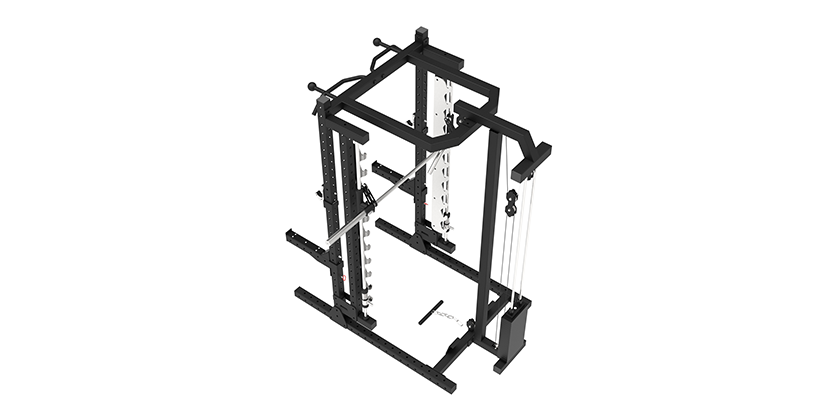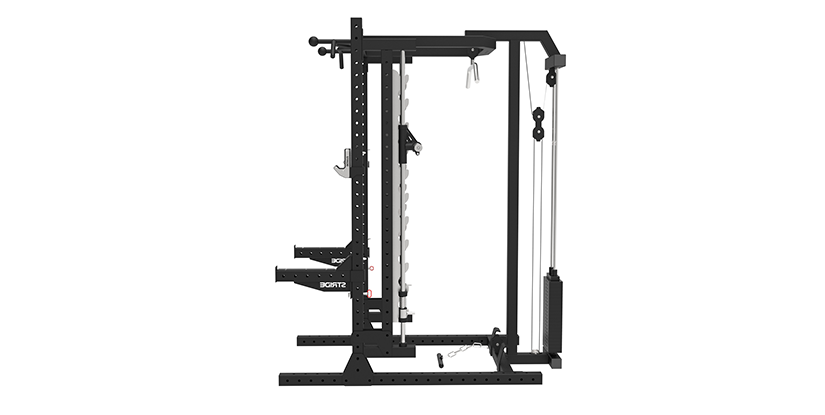
Evaluating Power Rack Gym Durability and Long Term TCO
Analyzing Lifecycle Value Beyond Initial Procurement
A professional power rack gym serves as the structural backbone of high-traffic strength training zones. B2B buyers prioritize these units not just for their immediate utility, but for their ability to withstand constant mechanical stress and provide long-term stability within a commercial fitness environment.
Distinguishing Capital Expenditure from Total Cost of Ownership
When budgeting for commercial strength training equipment, procurement managers often focus heavily on the initial capital expenditure. While a lower unit price may look attractive on a single purchase order, it frequently ignores the long-term financial implications of subpar manufacturing. A low-cost rack often lacks the necessary steel gauge thickness to maintain structural integrity under heavy loads, leading to premature depreciation and frequent replacement cycles.
True value is found by calculating the Total Cost of Ownership (TCO), which accounts for the lifespan of the unit, the frequency of maintenance, and the potential downtime caused by equipment failure. Investing in high-grade steel and precision welding reduces the hidden costs associated with constant repairs and the logistical burden of sourcing replacement parts mid-contract.
| Cost Factor | Budget-Tier Procurement | Commercial-Grade Investment |
|---|---|---|
| Upfront Cost | Lower initial outlay | Higher initial investment |
| Maintenance Frequency | High (due to wear and loose tolerances) | Low (engineered for durability) |
| Asset Depreciation | Rapid (short functional lifespan) | Slow (sustained structural integrity) |
| Long-term ROI | Unpredictable due to replacement needs | Predictable and optimized |
Standard vs. Heavy-Duty Deployment Models
Selecting the appropriate tier of equipment depends heavily on your facility's specific user profile and anticipated throughput. In many commercial settings, such as boutique studios or high-traffic training centers, the distinction between a standard rack and a heavy-duty model becomes a critical decision for long-term operational stability.
Standard-tier units are often sufficient for low-impact environments or residential-adjacent setups, but they require more frequent inspections to ensure bolts remain tight and uprights remain plumb. Conversely, a heavy-duty power rack gym is engineered for high-volume commercial use, utilizing thicker steel gauges and reinforced welding to minimize the need for constant heavy duty gym rack maintenance. While the initial procurement cost is higher, the reduction in labor costs and the extended replacement interval typically offer a superior return on investment for large-scale fitness facilities.
Optimizing ROI Through Quality Control and Logistics
To safeguard your long-term ROI, a sophisticated procurement strategy must extend beyond the product specification sheet to evaluate the manufacturer's factory-level capabilities. High-quality production is not merely about the steel gauge; it is defined by rigorous QC protocols that ensure every weld and tolerance remains consistent across large-scale shipments. Inconsistent manufacturing leads to assembly misalignment, which increases installation time and accelerates wear on moving parts.
Furthermore, professional distributors must scrutinize the logistics and packaging standards of their suppliers. For heavy-duty equipment, even minor transit damage can compromise structural precision, necessitating costly returns or premature replacement cycles. By vetting suppliers who utilize reinforced, export-grade packaging and have proven shipping reliability, B2B buyers can minimize the risk of arrival-site defects. This focus on the entire supply chain ensures that the durability promised in the catalog translates into a reliable, long-lasting asset for the end-user facility.
Structural Integrity and Load-Bearing Reliability
In a commercial setting, structural integrity refers to the ability of a power rack gym to maintain its geometric alignment and load-bearing capacity under constant, repetitive stress. For distributors and facility managers, this is the baseline metric that determines whether a unit remains a functional asset or becomes a liability due to frame deformation.
Reliability begins with the steel gauge; high-volume training environments typically require heavy-duty 11-gauge or 7-gauge steel to prevent buckling. Beyond material thickness, the quality of the welds at critical junctions—such as the upright-to-base connections—is paramount. Inferior welding techniques often lead to micro-fractures under heavy barbell drops, compromising the entire frame. Furthermore, high-volume usage induces lateral oscillations that can destabilize even high-quality racks if the structural design does not account for dynamic energy dissipation. When sourcing for large-scale fitness facility capital expenditure, verifying these manufacturing tolerances is essential to ensuring long-term stability.
Selecting the correct frame configuration involves a trade-off between footprint, initial procurement cost, and long-term stability. While lighter configurations may satisfy lower MOQ requirements for boutique studios, high-traffic commercial strength training equipment demands more robust upright dimensions and more complex structural architecture to mitigate vibration and structural fatigue.
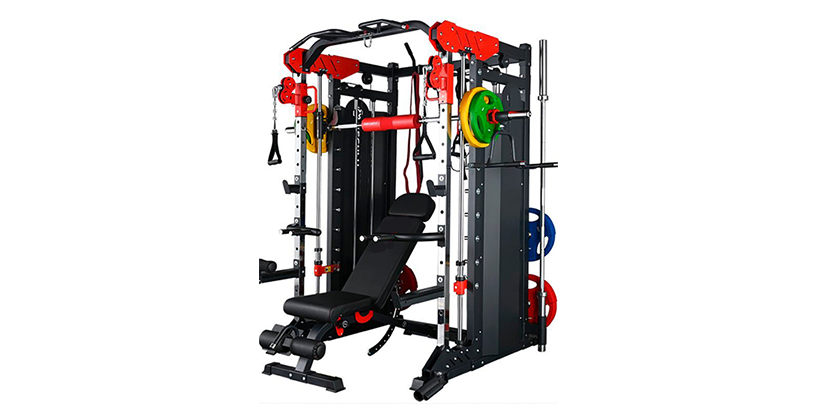
Frame Configuration Comparison
| Configuration Type | Typical Use Case | Load-Bearing Capacity | Structural Stability |
|---|---|---|---|
| 2x3 Inch Uprights | Home gyms or small studios | Moderate/Standard | Standard; prone to lateral sway |
| 3x3 Inch Uprights | Commercial fitness facilities | High/Heavy-duty | High; optimized for heavy barbell impact |
| Single-Post Design | Limited space/Specialized training | Variable/Lower | Lower; relies heavily on floor anchoring |
| Four-Post Design | High-volume commercial gyms | Maximum/Industrial | Superior; provides maximum lateral rigidity |
For distributors managing large-scale orders, the 3x3 inch four-post configuration remains the gold standard for minimizing maintenance and replacement cycles. Although the shipping volume and weight may increase logistics costs, the reduction in long-term maintenance needs and the extended service life provide a significantly better ROI for professional training environments.
Wear Points and Surface Durability
Beyond the primary frame, the total cost of ownership is heavily influenced by the durability of high-contact components. In high-traffic environments, J-cups, safety bars, and pin systems undergo constant friction and impact. If these parts are not engineered with reinforced contact points, they become frequent failure points that require costly replacement or specialized maintenance. A lack of precision in these adjustable parts can lead to uneven wear, potentially damaging expensive barbell knurling over time.
The quality of the powder coating is equally critical to long-term maintenance. A high-grade, industrial-strength coating prevents oxidation and protects the steel from sweat-induced corrosion and mechanical scratches. For procurement managers, prioritizing units with premium surface finishes reduces the frequency of aesthetic and structural upkeep. Ultimately, a power rack gym that maintains its structural rigidity and surface integrity under heavy use ensures that the initial capital expenditure translates into years of reliable service rather than recurring replacement costs.
Comparing Deployment Models and Long-Term Utility
Selecting the appropriate tier of power rack gym equipment requires a strategic assessment of how different deployment models impact your long-term facility layout and operational budget. Procurement decisions must balance initial capital outlay against the expected frequency of use to ensure structural integrity remains intact over the equipment's lifecycle.
For distributors and facility managers, the distinction between light-duty and professional-grade commercial strength training equipment is not merely about price, but about the frequency of maintenance and the inevitable replacement cycles. A mismatch between the intensity of use and the build quality leads to rapid depreciation and higher total cost of ownership.
| Deployment Model | Primary Use Case | Structural Focus | TCO Profile |
|---|---|---|---|
| Residential / Light-Duty | Home studios or boutique wellness centers | Standard steel gauge; lighter load capacity | Low initial cost; higher replacement risk in high-traffic areas |
| Semi-Commercial | Small personal training studios or hotel gyms | Reinforced uprights; improved stability | Moderate balance of durability and upfront investment |
| Full Commercial | High-traffic strength facilities and big-box gyms | Heavy-duty steel; high-tolerance connections | Higher initial CAPEX; lowest long-term maintenance and replacement frequency |
When calculating a fitness facility capital expenditure, the distinction between a one-time purchase and a long-term asset becomes clear when examining the lifespan of the hardware. While a boutique studio might prioritize space-saving aesthetics, a high-volume commercial gym must prioritize the reduction of heavy duty gym rack maintenance through superior engineering.
Strategic Investment Comparison
The following table illustrates how different procurement tiers impact the total cost of ownership by weighing the initial investment against the projected lifespan and operational upkeep required for each scenario.
| Scenario | Initial Investment | Maintenance Frequency | Expected Lifespan | Primary Procurement Goal |
|---|---|---|---|---|
| Boutique Studio | Lower | Occasional/Reactive | 3–5 Years | Aesthetics & Footprint |
| Commercial Gym | Moderate to High | Scheduled/Preventative | 7–10 Years | Durability & Reliability |
| Distributor Stock | High (Bulk/MOQ) | Strict Quality Control | 10+ Years | Long-term Asset Value |
For distributors managing large-scale inventory, sourcing equipment with higher gauge steel and reinforced weld points is essential. Although the upfront cost is higher, the reduction in replacement cycles and the ability to offer a reliable product to end-users ultimately stabilizes the return on investment.
Optimizing Procurement ROI
A successful procurement strategy focuses on the intersection of upfront capital expenditure and the long-term value of the asset. While lower-tier options may appear attractive on a single-purchase basis, they often trigger a premature replacement cycle that undermines the overall ROI of a strength training area. For large-scale distributors and facility owners, the goal is to minimize the frequency of hardware turnover and the associated labor costs of re-installation.
Prioritizing high-specification engineering during the initial sourcing phase serves as a hedge against inflation and rising shipping costs. By investing in high-grade steel and precision-engineered components, buyers secure a durable asset that maintains its utility and resale value, effectively lowering the true cost of ownership over a decade-long operational window.
Distinguishing Routine Upkeep from Structural Assessment
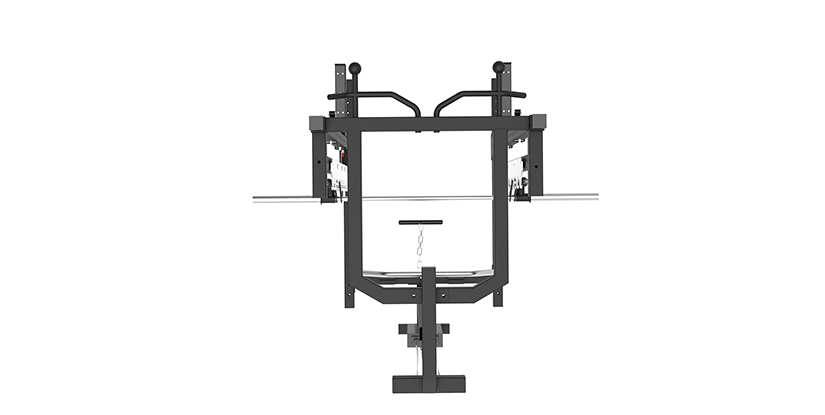
Effective facility management requires a clear distinction between daily upkeep and deep structural inspections. While routine maintenance typically involves lubricating guide rods or tightening bolts, true long-term value depends on monitoring the structural integrity of the power rack gym. Neglecting these high-level checks can transform a minor component failure into a significant fitness facility capital expenditure.
For distributors and gym owners, understanding the difference between surface-level care and load-bearing stability is vital for minimizing downtime. High-traffic commercial strength training equipment undergoes constant stress; therefore, maintenance protocols must address both aesthetic longevity and the fundamental safety of the frame.
| Maintenance Type | Focus Area | Frequency in Commercial Settings |
|---|---|---|
| Routine Upkeep | Moving parts, pins, and coatings | Weekly or monthly |
| Structural Audit | Frame alignment, weld points, and bolt tension | Quarterly or bi-annually |
Component-Specific Maintenance Protocols
To accurately forecast operational costs, procurement managers must differentiate between the service requirements of static frames and dynamic components. Static elements like uprights and crossmembers are generally low-maintenance, whereas moving parts such as pulleys, weight horns, and adjustable pins require systematic intervention to prevent friction-induced degradation.
A failure to implement a tiered maintenance schedule often leads to premature wear in high-use areas, increasing the frequency of replacement part orders. Use the following technical breakdown to align your facility's labor allocation with the specific mechanical needs of your equipment inventory.
| Component Category | Primary Action | Monitoring Focus | Typical Interval |
|---|---|---|---|
| Static Uprights & Brackets | Bolt Torque Checks | Connection stability & weld integrity | Bi-annually |
| Adjustable Pins & Hooks | Visual Inspection | Surface scoring & dimensional wear | Monthly |
| Pulleys & Guide Rods | Lubrication | Friction levels & cable tension | Quarterly |
| J-Cups & Accessory Mounts | Surface Inspection | Coating chipping & mounting fit | Monthly |
By standardizing these checks, distributors can ensure that the heavy duty gym rack maintenance protocols remain predictable, protecting the long-term ROI of the initial procurement.
Manufacturing Standards as a Maintenance Deterrent
While scheduled servicing is necessary, the most effective way to lower long-term TCO is to source equipment where the manufacturing quality reduces the frequency of required interventions. High-tier manufacturers prioritize rigorous quality control (QC) processes that extend the lifecycle of the unit before any mechanical or aesthetic failure occurs. For B2B buyers, this means looking beyond the price point to evaluate the technical specifications of the finish and the precision of the assembly.
Superior powder coating durability is a critical metric for commercial environments. A high-micron, electrostatic powder coating provides essential wear resistance, protecting the steel from moisture and impact-induced chipping. When a coating fails, it exposes the underlying metal to oxidation, which can eventually compromise the structural stability of the frame. Similarly, precision welding and tight tolerances in the fabrication process minimize vibration and rattling, reducing the mechanical stress on bolts and fasteners over time. Investing in these manufacturing standards significantly reduces the long-term labor costs associated with constant hardware adjustments and cosmetic repairs.
Sourcing Strategies for High-Volume Distributors
Transitioning from single-unit procurement to large-scale distribution requires a fundamental shift in how you evaluate a power rack gym. For distributors and facility planners, the focus moves beyond individual unit specs toward the logistical efficiency of the entire supply chain and the ability to manage high-volume freight requirements.
Managing Freight Volume and Container Optimization
Scaling your inventory involves more than just increasing order quantities; it requires sophisticated container optimization to protect margins. Because commercial strength training equipment often features heavy steel profiles and oversized dimensions, the way a power rack gym is nested within a shipping container directly impacts your landed cost. Efficient manufacturers design modular components that maximize freight volume utilization without compromising structural integrity. Failure to optimize this spatial footprint can lead to inflated shipping costs and unnecessary empty space, effectively increasing the total cost of ownership for the end-user. Furthermore, procurement teams must account for extended lead times caused by international shipping fluctuations and customs processing, ensuring that stock levels remain consistent to meet regional market demand.
Sourcing Models: Direct Factory vs. Regional Wholesaler
Selecting the right procurement model is a critical decision for managing long-term capital expenditure and inventory stability. Distributors must weigh the cost-efficiency of direct sourcing against the operational agility provided by regional partners. The following comparison highlights how these models impact your supply chain and quality control oversight.
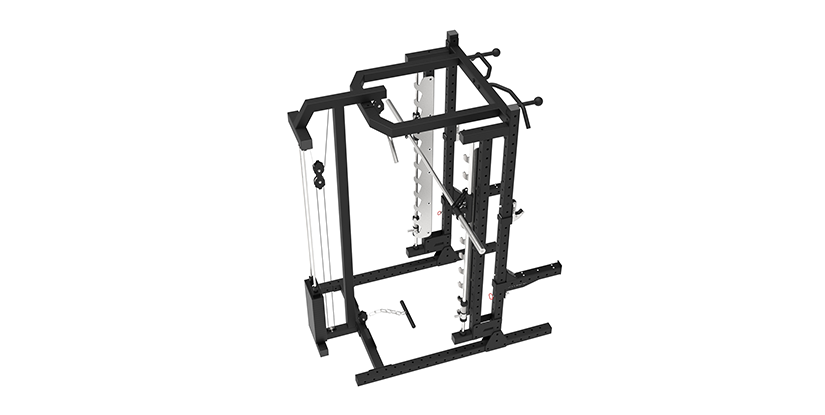
| Feature | Direct Factory Sourcing | Regional Wholesaler |
|---|---|---|
| Minimum Order Quantity (MOQ) | Typically high (full container loads) | Low to moderate (LCL or palletized) |
| Shipping Costs | Lower per unit; higher logistics complexity | Higher per unit; simplified domestic freight |
| Quality Control Oversight | Requires direct inspection or 3rd party audits | Managed by the regional distributor |
| Lead Time Variability | High (subject to international transit) | Low (local stock availability) |
For distributors scaling a power rack gym product line, direct factory sourcing offers the highest margin potential but demands rigorous heavy duty gym rack maintenance protocols and sophisticated inventory management. Conversely, regional wholesalers provide a buffer against global shipping volatility, making them a safer choice for smaller-scale facility projects where rapid deployment is prioritized over bulk unit costs.
Mitigating Transit Risks Through Strict QC and Packaging Standards
When importing high-density steel structures, the risk of transit-related damage can significantly inflate your fitness facility capital expenditure. A single dent in a vertical upright or a bent mounting bracket can compromise the structural integrity of the entire unit, leading to costly returns or onsite assembly failures. To mitigate these risks, procurement managers must mandate rigorous packaging durability standards that go beyond standard corrugated boxes.
Reliable manufacturers utilize reinforced edge protectors, heavy-duty corner guards, and custom-fit foam inserts to ensure damage prevention during long-haul ocean freight and multi-modal transport. High-quality heavy duty gym rack maintenance actually begins at the factory level; ensuring that components are palletized with moisture-resistant wrapping prevents oxidation and surface corrosion before the product even reaches your warehouse. For large-scale distributors, verifying that a supplier's packaging protocol can withstand the rigors of international logistics is just as critical as evaluating the steel gauge itself.
Risk Mitigation in Global Equipment Procurement
Sourcing a power rack gym from overseas markets requires a shift in focus from unit price to structural reliability. For distributors and facility managers, the primary procurement risk involves hidden defects in commercial strength training equipment that compromise long-term safety and increase replacement frequency.
Protecting Capital Expenditure Through Verification
To safeguard your fitness facility capital expenditure, procurement protocols must extend beyond simple purchase orders. Relying solely on digital specifications is insufficient; professional buyers must implement rigorous quality control (QC) measures to ensure structural integrity remains intact from the assembly line to the final installation site. A formal factory audit is essential to verify welding consistency and steel gauge accuracy, while specialized shipping damage prevention strategies—such as reinforced crating and moisture-proof packaging—are non-negotiable to prevent transit-related deformations that can invalidate warranties and delay facility openings.
Sourcing Models: Direct Factory vs. Local Distributor
Choosing between direct factory procurement and local distribution is a strategic decision involving trade-offs between upfront savings and operational ease. While direct sourcing maximizes margins, it requires greater internal capacity for logistics and technical oversight. Conversely, working with a distributor reduces administrative burdens but often carries a premium price.
| Procurement Factor | Direct Factory Sourcing | Local Authorized Distributor |
|---|---|---|
| Minimum Order Quantity (MOQ) | High (Container/Full Load) | Low (Unit or Small Batch) |
| Lead Time | Extended (Production + Sea Freight) | Short (In-stock/Local Transit) |
| Logistics Complexity | High (Customs & International Freight) | Low (Domestic Delivery) |
| Technical Support | Direct via Factory Engineering | Localized On-site Support |
| Heavy Duty Gym Rack Maintenance | Remote/Manual Oversight Required | Easier Access to Replacement Parts |
For large-scale facility rollouts, direct sourcing offers the best ROI on a per-unit basis, provided your team can manage the oversight. For boutique studios or smaller gym builds, the speed and localized service of a distributor often justify the higher cost by reducing downtime during the setup phase.
Technical Specifications and Inspection Protocols
Reliability in a power rack gym is dictated by microscopic details that are often invisible in standard marketing brochures. To ensure long-term durability, buyers should demand specific technical documentation regarding metallurgy and finishing. A high-quality commercial unit relies on consistent steel gauge verification to prevent structural bowing under heavy loads. If a manufacturer cannot provide a certified steel thickness report, the risk of premature deformation increases significantly.
Beyond the core frame, the integrity of the finish determines how the equipment handles high-traffic environments. Request data on powder coating thickness to ensure the layer is thick enough to resist chipping and oxidation, yet uniform enough to prevent peeling. Furthermore, high-tier procurement teams should prioritize manufacturers that utilize standardized welding protocols. Verifying the quality of weld beads and the depth of penetration ensures that the joints—the most common failure points in strength training equipment—can withstand years of lateral stress and heavy barbell impacts.