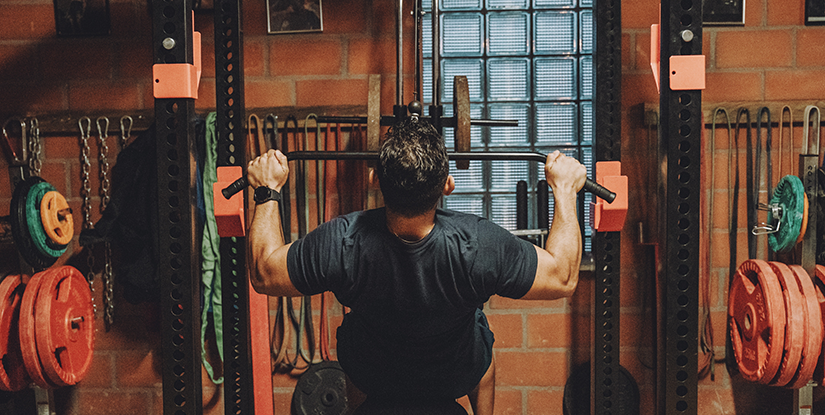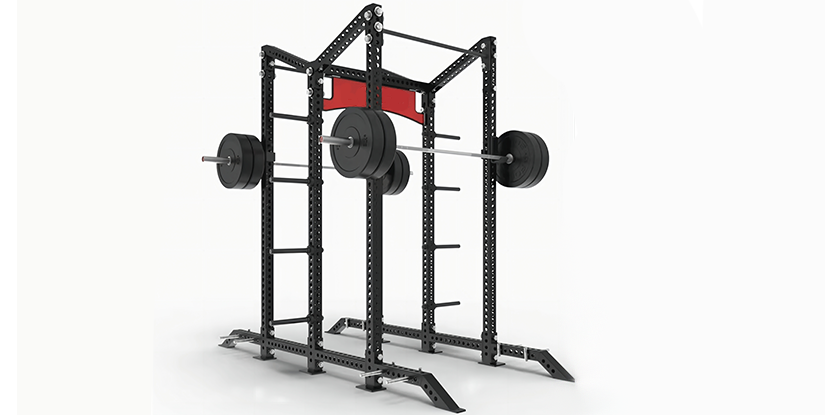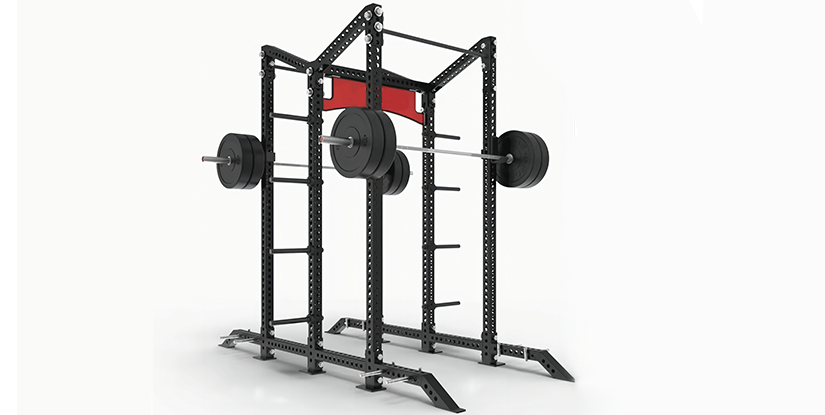
Finding the Best Power Rack for Calisthenics Training
Evaluating Long-Term Value in Bodyweight Training Stations
For boutique fitness studios or high-end hotel gyms, the initial procurement budget is often secondary to the operational headache of equipment failure. While a budget-friendly pull up bar rack might seem attractive on a balance sheet today, the hidden costs of frequent repairs or early replacement can quickly erode your margins. When sourcing equipment, savvy buyers shift their focus from the sticker price to the concept of "cost per use." A high-quality bodyweight training station is not just a purchase; it is a long-term investment in your facility's reliability.
The true difference lies in build quality vs. price. Low-tier alternatives often utilize thinner steel gauges that flex under high-intensity movement, compromising safety and durability. In contrast, the best power rack for calisthenics is engineered with heavy-duty steel and precision welding to withstand years of rigorous, repetitive stress. By prioritizing superior structural integrity during the sourcing phase, you ensure that your calisthenics home gym setup or commercial installation remains a functional asset rather than a recurring liability.
To help you visualize these distinctions, we have outlined the primary differences between entry-level models and professional-grade setups. Understanding these specifications is crucial when determining the best power rack for calisthenics to fit your specific facility requirements or personal goals.
Standard/Thin Gauge| Feature Dimension | Budget-Tier Setup | Premium Calisthenics Setup |
|---|---|---|
| Typical Dimensions | Compact/Limited Footprint | Expansive/Modular Options |
| Structural Stability | Moderate (Potential Wobble) | High (Rigid/Heavy-Duty Steel) |
| Pull Up Bar Durability | Reinforced/High-Capacity | |
| Expected Lifespan | 2–4 Years (High-Use) | 8+ Years (Commercial Grade) |
When designing a calisthenics home gym setup, remember that a bodyweight training station with superior welding and thicker steel tubing will offer much higher resale value and lower maintenance overhead. Investing in a high-spec pull up bar rack ensures that your training remains uninterrupted by equipment fatigue.
Beyond the initial purchase, the real impact on your bottom line comes from the maintenance costs and the inevitable replacement frequency associated with inferior hardware. In a commercial or high-traffic setting, a cheap pull up bar rack often suffers from bolt loosening, paint chipping, or even structural fatigue due to substandard metal grades. These issues lead to significant safety concerns, such as unexpected instability during dynamic movements, which can result in liability issues for a facility.
Choosing the best power rack for calisthenics means looking past the discount and evaluating the long-term value. A premium bodyweight training station minimizes the need for constant parts replacement and specialized repairs. While the upfront cost may be higher, the reliability of a professional-grade calisthenics home gym setup reduces downtime and prevents the need for a complete overhaul every few years. For professional buyers, investing in high-spec equipment is a strategic move to ensure both user safety and sustained operational efficiency.
Structural Integrity and Material Standards for High-Frequency Use
When sourcing equipment for high-traffic facilities or professional studios, the primary concern is not just static weight capacity, but how the frame responds to momentum. Unlike traditional weightlifting, calisthenics involves constant shifts in center of gravity. To find the best power rack for calisthenics, you must prioritize structural integrity that can withstand multi-directional forces. A flimsy frame might hold a barbell, but it will fail during high-intensity bodyweight movements.
The secret lies in the steel gauge and the thickness of the tubing. For a professional-grade calisthenics home gym setup or a commercial gym, we recommend searching for heavy-duty, high-gauge steel construction. This ensures the unit can manage the dynamic load generated by muscle-ups, leg raises, or muscle-ups. Without high-quality steel, the rack may experience micro-vibrations or even structural fatigue. A robust pull up bar rack must offer maximum stability during swinging movements to prevent wobbling, ensuring both user safety and long-term equipment durability.
To assist in your procurement decisions, we have categorized typical construction standards. Selecting the right bodyweight training station depends heavily on the intended frequency of use and the intensity of the movements performed. A higher steel thickness (gauge) directly correlates with the weight capacity and the overall stability level of the unit.
| Construction Tier | Steel Gauge (Approx.) | Weight Capacity | Stability Level | Ideal User Type |
|---|---|---|---|---|
| Light Duty | 14-gauge | Low-Mid | Moderate | Casual Enthusiasts |
| Standard Pro | 11-gauge | High | High | Serious Home Athletes |
| Commercial Elite | 7-gauge | Extreme | Maximum | Gym Owners & Professionals |
When evaluating a pull up bar rack, always verify that the frame can handle the dynamic momentum of advanced calisthenics. Investing in a higher gauge ensures that your calisthenics home gym setup remains a stable, safe environment for years to come.
Beyond the raw steel gauge, the fine details of manufacturing determine the long-term durability of your investment. A high-quality bodyweight training station is only as strong as its weakest connection. This is why professional buyers must scrutinize the weld strength at every junction, particularly where the pull-up bar meets the uprights. Subpar welding can lead to structural fatigue under the repetitive, high-impact stress of swinging movements, eventually compromising the entire frame.
Precision Finish and Surface Protection
The exterior finish is equally critical for maintaining a professional appearance and functional longevity. We highly recommend looking for equipment treated with high-grade powder coating. Unlike standard liquid paint, a professional powder coating provides superior friction resistance and protects the steel from oxidation and sweat-induced corrosion. For any premium calisthenics home gym setup, this finish ensures that the grip remains consistent and the metal remains intact despite heavy, daily use. High-quality manufacturing standards ensure that the surface can withstand constant contact without chipping or peeling, preserving the unit's integrity over years of rigorous training.
Optimizing Footprint for Versatile Calisthenics Home Gym Setups
The primary challenge for modern fitness entrepreneurs and serious enthusiasts is the spatial dilemma. Whether you are outfitting a boutique studio or a premium residential garage, finding the best power rack for calisthenics requires more than just looking at weight capacities; it requires a strategic approach to floor area. A high-quality calisthenics home gym setup must balance the expansive movement needs of bodyweight training—such as muscle-ups or wide-grip pull-ups—with a manageable footprint. Without space-saving design considerations, even the most robust equipment can become a logistical bottleneck in a limited area.
When sourcing equipment, understanding how different configurations impact your usable square footage is vital for long-term operational efficiency. Below is a comparison of common spatial profiles to help you plan your layout.
| Equipment Configuration | Spatial Impact | Primary Benefit | Best Use Case |
|---|---|---|---|
| Standard Full Rack | High Footprint | Maximum Stability | Large Commercial Gyms |
| Wall-Mounted Station | Minimal Footprint | Extreme Space-Saving | Compact Home Studios |
| Modular Pull Up Bar Rack | Medium Footprint | Versatile Movement | Boutique Training Centers |
Selecting the right configuration depends heavily on your specific dimensions and the intended clearance for dynamic movements. A full-size bodyweight training station offers unmatched structural integrity for high-intensity training, but it demands significant floor area to accommodate the lateral swing of a gymnast or the swing of a pendulum movement. If your facility prioritizes mobility and multi-functional use, a half rack or a specialized pull up bar rack might be more efficient. These mid-sized options provide the necessary stability for advanced calisthenics while allowing more room for secondary equipment like plyometric boxes or floor mats.
For those operating in high-rent urban environments or compact boutique settings, a wall-mounted setup is often the most strategic choice. While it offers the highest level of space-saving efficiency, ensure your installation site can support the weight-bearing requirements of rigorous bodyweight routines. When evaluating your calisthenics home gym setup, always factor in a "buffer zone" of at least 36 inches around the equipment to ensure safe, unobstructed movement during complex maneuvers.
Beyond the horizontal footprint, savvy buyers must also evaluate the utilization of vertical space. A truly multi-functional station does not just occupy a corner; it leverages height to provide various attachment points for rings, straps, and different grip heights. When sourcing a bodyweight training station, check if the uprights are designed to accommodate diverse heights. This is especially critical for versatile calisthenics routines that involve transitions between low-hanging rings and high-altitude pull up bar rack attachments.
We often advise clients to look at the "ceiling-to-floor" ratio. If you are outfitting a space with low clearance, a standard tall rack might feel claustrophobic or even pose a safety risk during explosive movements. Instead, look for modular designs that allow you to customize the height. A well-planned calisthenics home gym setup should feel expansive rather than cramped. By prioritizing equipment that scales with your vertical space and offers a smart floor area-to-utility ratio, you ensure that your investment remains functional regardless of how your training intensity or facility dimensions evolve.
Essential Components of a High-Performance Pull Up Bar Rack
When sourcing equipment for high-traffic facilities, the focus must shift from initial cost to long-term operational reliability. A high-quality bodyweight training station undergoes significant dynamic loading, particularly during explosive movements like muscle-ups or kipping pull-ups. To ensure the best power rack for calisthenics remains a safe asset, buyers must prioritize structural stability and rigorous quality control during the manufacturing process. Even the most robust steel frames can suffer from microscopic fatigue if the welding and gauge thickness are substandard.
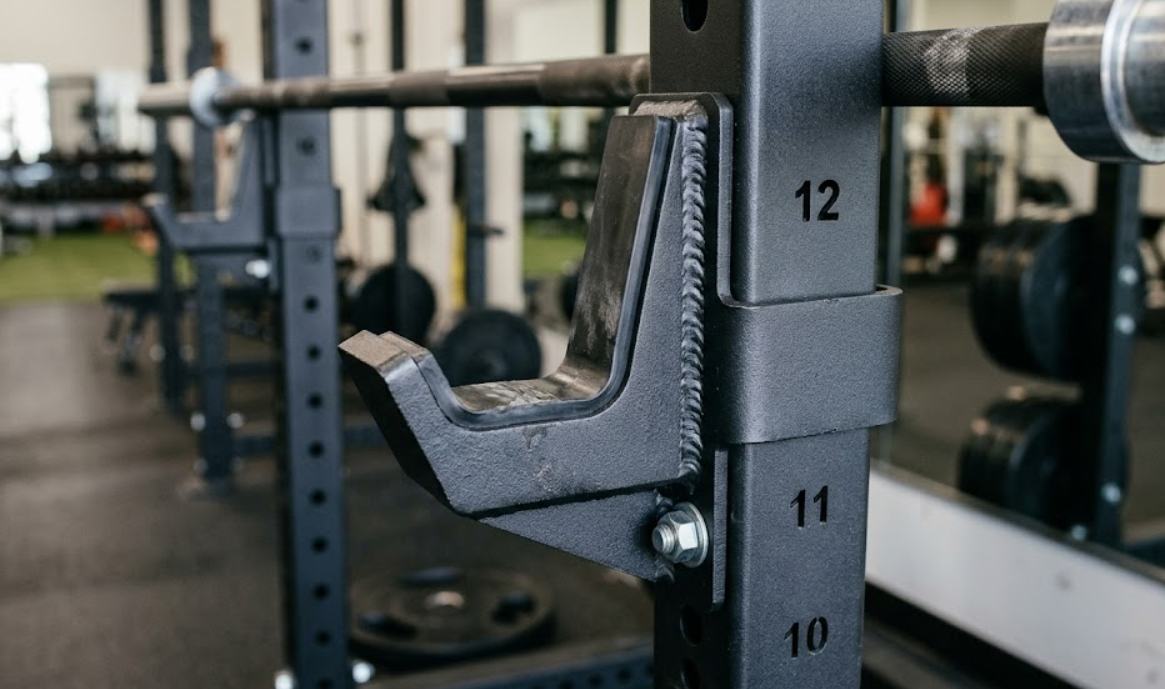
Durability is not just about the initial build; it is about managing inevitable wear and tear. For distributors and gym owners, routine maintenance is a non-negotiable aspect of equipment management. This includes the periodic lubrication of moving parts, such as adjustable J-cups or sliding mechanisms, to prevent friction-induced degradation. By investing in a rack that supports easy maintenance and features high-grade finishes, you reduce the frequency of replacement cycles and ensure your calisthenics home gym setup remains a high-performance centerpiece for years.
To maximize the lifespan of your investment, implement a structured maintenance routine that focuses on structural integrity and environmental protection. A professional-grade pull up bar rack requires more than just occasional use; it demands proactive oversight to mitigate the risks of high-intensity training. We recommend a quarterly inspection checklist to ensure your calisthenics home gym setup operates at peak safety levels.
Proactive Maintenance Checklist
- Bolt Tightening: Regularly check all connection points and hardware. High-impact movements can loosen bolts over time, compromising the overall weight-bearing integrity of the frame.
- Surface Inspection: Conduct a thorough surface inspection to identify any scratches or chips in the powder coating. This is critical for early rust prevention, especially in humid environments.
- Structural Audit: Examine weld points and uprights for any signs of bending or fatigue to maintain the long-term reliability of your bodyweight training station.
By adhering to these protocols, facility managers and distributors can ensure that the best power rack for calisthenics remains a dependable, safe, and high-performing asset for every end-user.
Managing a commercial-grade facility requires a nuanced approach to upkeep. Depending on whether your unit serves a private client or a high-volume training center, the operational requirements for your pull up bar rack will vary significantly. A structured maintenance schedule prevents minor mechanical issues from becoming costly structural failures.
The following table outlines the typical maintenance demands based on the intensity of use, helping you allocate the necessary resources for your calisthenics home gym setup or commercial facility.
| Usage Level | Required Tasks | Maintenance Frequency | Tool Needs |
|---|---|---|---|
| Casual (Private/Home) | Visual inspection, light dusting, bolt check | Every 3–6 months | Microfiber cloth, basic hex key |
| Daily Athlete (Commercial/Gym) | Deep cleaning, bolt tightening, lubrication, weld audit | Monthly or Bi-weekly | Wrenches, lubricant, industrial cleaner |
For distributors sourcing the best power rack for calisthenics, emphasizing these maintenance tiers in your product documentation can add immense value to your buyers, ensuring their bodyweight training station remains a long-term, high-performing asset.
Sourcing Strategies for Premium Calisthenics Equipment
When building a high-performance training environment, budget allocation is often the biggest hurdle. Many buyers mistakenly believe that premium quality requires paying a massive retail premium. However, if you are looking to secure the best power rack for calisthenics, the most effective way to maximize your ROI is to look beyond local fitness retailers. Retailers often add significant markups to cover overhead and marketing, which can inflate the cost of a complete calisthenics home gym setup unnecessarily.
To achieve value-driven sourcing, we recommend looking toward direct-from-factory benefits. By working with specialized manufacturers or large-scale distributors, you bypass the middleman markup. This approach allows you to invest more in structural integrity—such as heavy-duty steel gauges and reinforced pull up bar rack components—rather than paying for a brand name. Sourcing directly ensures that your capital goes toward equipment durability and advanced engineering, providing a much higher standard of stability for intense bodyweight movements.
Understanding the financial landscape is essential for balancing high-end performance with sustainable procurement. Depending on your scale—whether you are outfitting a boutique studio or a private training space—the way you source your bodyweight training station will drastically change your long-term cost-to-quality ratio.
Price Tier Comparison by Sourcing Model
The following table outlines the typical investment levels and value propositions you can expect when searching for the best power rack for calisthenics across different market channels.
| Sourcing Tier | Typical Price Point | Primary Focus | Shipping & Logistics |
|---|---|---|---|
| Local Retailer | High (Premium Markup) | Brand recognition & immediate availability | Fast, low-cost domestic delivery |
| Specialized Distributor | Mid-Range | Curated selection & verified durability | Standard freight; moderate lead times |
| Direct Factory Import | Optimized (Lowest Cost) | Structural integrity & custom pull up bar rack specs | Complex international logistics/ocean freight |
While direct importing offers the most competitive pricing for a complete calisthenics home gym setup, it requires a deeper understanding of shipping considerations, such as dimensional weight and customs clearance. For many, a specialized distributor offers a middle ground, providing professional-grade equipment with more manageable logistics than direct overseas manufacturing.
Investment vs. Cost: Prioritizing Structural Integrity
When evaluating the price tag of a bodyweight training station, it is vital to distinguish between a low initial cost and a high-value investment vs. cost ratio. In the world of high-intensity movements, a cheaper rack often comes with hidden expenses, such as frequent part replacements or premature structural failure. For calisthenics, where lateral forces and dynamic weight shifts are constant, any compromise in steel gauge or weld strength can lead to dangerous instability.
Choosing a high-quality pull up bar rack is an exercise in long-term savings. A budget-friendly model may save you capital today, but a lack of rigid structural integrity often results in a shorter equipment lifespan, forcing you to re-purchase gear within a few years. By prioritizing heavy-duty, industrial-grade specifications during your procurement process, you ensure that your best power rack for calisthenics remains a stable, safe, and permanent fixture in your training environment for years to come.
Selecting the Best Power Rack for Calisthenics Based on User Intent
When sourcing equipment, your budget dictates not just the price point, but the structural integrity and versatility of your training environment. Understanding where your needs fall on the spectrum of intensity is essential to finding the best power rack for calisthenics that offers long-term value.
For those starting a calisthenics home gym setup, an entry-level model often suffices. These budget-friendly options typically focus on essential stability for basic movements. While functional, they may have limited attachment points for advanced skill work.
As you progress toward a dedicated bodyweight training station, you may require a more robust pull up bar rack capable of handling dynamic, high-impact movements like muscle-ups or weighted dips. At this stage, a premium investment becomes necessary. High-end racks offer superior steel gauge thickness, specialized multi-grip bars, and modularity for future upgrades. For distributors and serious enthusiasts, investing in higher-grade steel and precision engineering ensures the equipment remains a reliable centerpiece for years of rigorous training.
Navigating the price spectrum requires a clear understanding of how material quality and accessory compatibility influence your total cost of ownership. A lower upfront cost often implies thinner steel tubing or a fixed geometry, which can limit the long-term scalability of your calisthenics home gym setup. Conversely, high-tier models provide a more versatile pull up bar rack architecture, allowing for the seamless integration of dip stations, rings, and resistance band pegs.
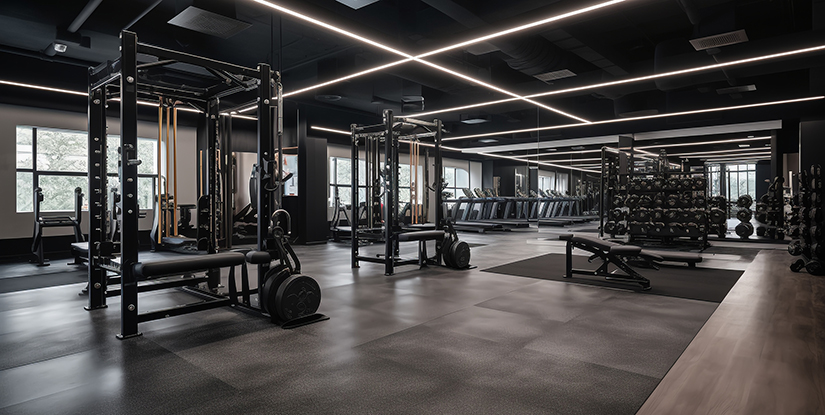
To help you visualize these tiers, we have categorized common market segments based on the typical structural capabilities and expected utility of the equipment:
| Investment Tier | Primary Focus | Structural Characteristics | Typical Versatility |
|---|---|---|---|
| Budget / Entry | Basic Stability | Standard steel gauge; fixed dimensions | Limited; basic pull-ups only |
| Mid-Range | Versatile Training | Enhanced steel thickness; modular options | High; compatible with many attachments |
| Professional / Commercial | High-Impact Durability | Heavy-duty steel; precision engineering | Maximum; optimized for dynamic movements |
When selecting the best power rack for calisthenics, consider that a slightly higher initial investment in a high-grade bodyweight training station often prevents the need for premature replacement as your training intensity increases.
Ultimately, the goal is to prioritize long-term value over the lowest possible sticker price. While it may be tempting to source the most inexpensive pull up bar rack available, many buyers find that low-cost alternatives lack the necessary structural integrity required for dynamic, high-intensity movements. A rack that wobbles under the stress of a muscle-up or a weighted dip is not just a performance issue; it is a safety liability that can diminish the lifespan of your entire calisthenics home gym setup.
To maximize your return on investment, look for multi-functional training capabilities. A high-quality bodyweight training station should act as a modular platform that grows with the user. Choosing a model with a robust frame and multiple attachment points ensures that your equipment remains relevant even as your routines evolve from basic calisthenics to advanced strength training. By focusing on versatility and build quality during the initial procurement phase, you avoid the recurring costs of replacing substandard equipment and ensure a stable, professional-grade environment for years to come.
Lifecycle maintenance planning for busy facilities
In high-traffic commercial environments, the durability of your equipment is directly tied to your operational uptime. When sourcing the best power rack for calisthenics, procurement professionals must look beyond the initial purchase price and consider the long-term upkeep required for a bodyweight training station subjected to constant kinetic energy. High-intensity movements, such as muscle-ups and dynamic swings, place unique lateral stresses on the frame that standard lifting setups might not encounter.
To preserve structural integrity, we recommend implementing a rigorous schedule of safety inspections. These should focus on tightening bolts, checking weld points, and inspecting the pull up bar rack for any signs of metal fatigue or coating wear. Without proactive maintenance, even the highest-quality steel can succumb to the rigors of high-frequency usage. By establishing a systematic routine, facility owners can mitigate liability risks and ensure their investment remains a safe, reliable centerpiece for years to come.
Managing a professional calisthenics home gym setup or a high-volume training center requires a proactive approach to mechanical upkeep. Neglecting the minor details of hardware maintenance can lead to uneven wear, which compromises the weight-bearing stability essential for advanced bodyweight movements. To streamline your facility management, we have developed a checklist to help you monitor the most critical components of your equipment.
Routine Maintenance Checklist
Regularly auditing your equipment ensures that the pull up bar rack and frame components remain in peak condition. Focus on these three pillars of upkeep to extend the lifecycle of your investment:
| Maintenance Task | Focus Area | Frequency Recommendation |
|---|---|---|
| Bolt Tightening | Joint connections and frame junctions | Monthly or quarterly |
| Lubrication | Moving parts and sliding mechanisms | Bi-annually |
| Rust Prevention | Exposed metal surfaces and weld points | During seasonal inspections |
By prioritizing these small tasks, you ensure that the best power rack for calisthenics in your facility continues to deliver the high-performance experience your clients expect while minimizing long-term replacement costs.
Effective facility management also requires a strategy for component replacement. While a premium calisthenics home gym setup is built for long-term durability, certain high-friction elements like knurling, bushings, or specialized grips may eventually require attention. Rather than replacing the entire unit, savvy buyers should source modular parts to maintain the bodyweight training station without significant capital expenditure.
Adopting a philosophy of preventative care—such as checking for coating degradation or hardware loosening—ensures that your pull up bar rack remains structurally sound. By treating maintenance as a scheduled investment rather than a reactive repair, you optimize the total cost of ownership and ensure the equipment remains a reliable asset for your training community.