How to Choose the Best Bench for Your Power Rack Setup
Defining Your Bench Requirements: A Pre-Purchase Checklist
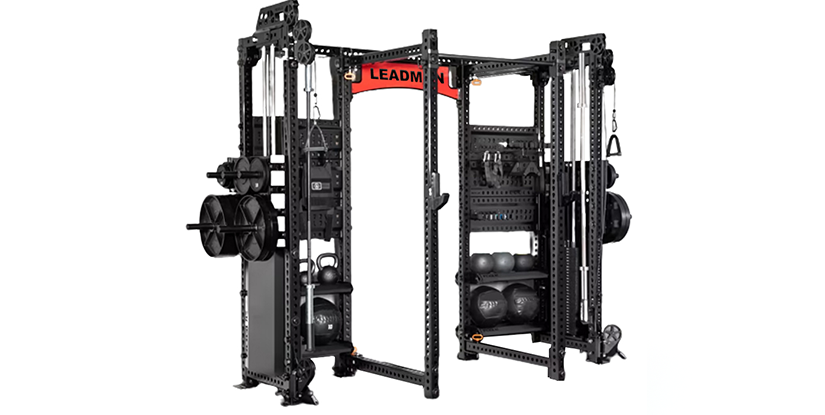
Many buyers make the mistake of purchasing a high-end bench in isolation, only to realize later that it clashes with their existing setup. A common procurement error is prioritizing aesthetic appeal over functional synergy, leading to wasted capital and unusable floor space. Instead, a professional sourcing approach requires a rigorous pre-purchase assessment of your existing footprint. Before committing to a shipment, you must evaluate how the best bench for power rack integration will interact with your specific space constraints.
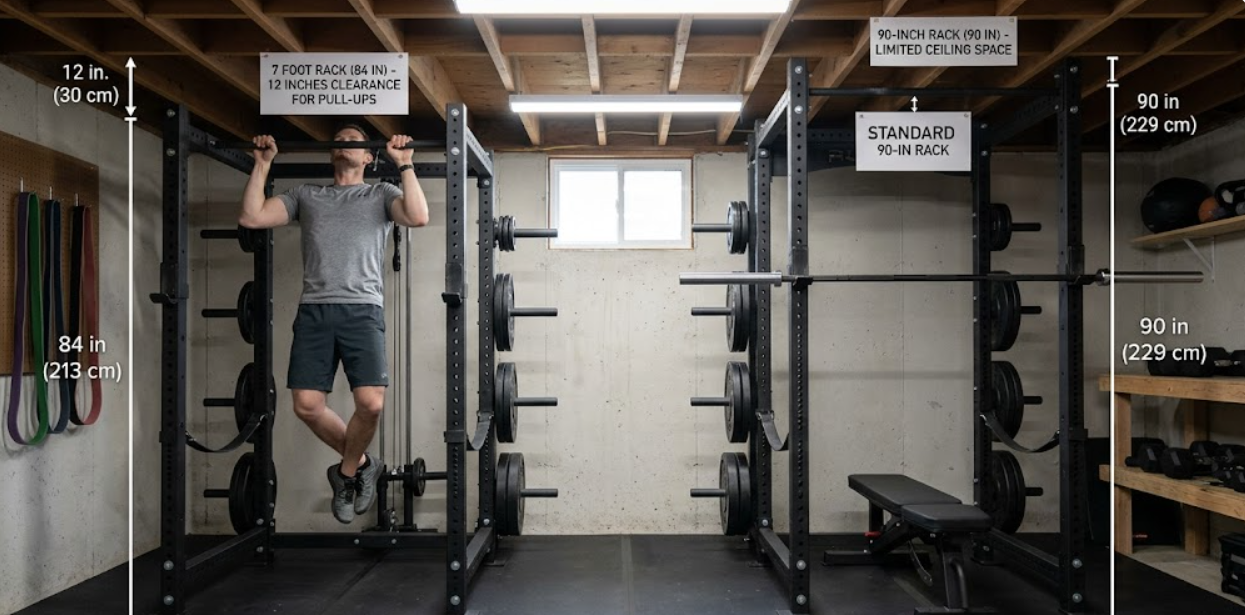
A successful installation hinges on footprint compatibility. We recommend measuring the internal depth and width of your rack to ensure the bench can slide in and out without hitting the uprights or interfering with the barbell path. Furthermore, opting for an adjustable weight bench offers significantly higher versatility, allowing your facility to transition from heavy compound lifts to incline movements without requiring additional power rack accessories or extra floor real estate.
When scaling your facility or optimizing a home gym, the return on investment (ROI) is directly tied to the durability and versatility of your equipment. Choosing between a budget-friendly option and a professional-grade model involves balancing initial capital expenditure against long-term maintenance costs and usability. A lower-cost unit might save money upfront, but frequent adjustments or stability issues can quickly diminish its value.
To help you navigate these investment levels, we have outlined a comparison framework below. This guide highlights how different tiers of an adjustable weight bench perform regarding stability, dimensions, and long-term upkeep within a standard setup.
| Investment Tier | Typical Use Case | Stability Profile | Maintenance Needs |
|---|---|---|---|
| Budget/Entry-Level | Light home use | Moderate; may wobble under heavy loads | Frequent bolt tightening required |
| Mid-Range | Semi-commercial/Advanced Home | High; stable for most compound lifts | Occasional inspection of pivot points |
| Professional-Grade | Full Commercial Gyms | Maximum; engineered for heavy barbell paths | Minimal; robust industrial construction |
When sourcing through a home gym equipment guide, always consider the long-term durability of the upholstery and steel gauge. Selecting the best bench for power rack configurations means prioritizing a piece that can withstand high-frequency use without requiring constant replacement or extensive power rack accessories to maintain balance.
Beyond simple dimensions, true value is found in the structural integrity of the build. When evaluating a potential purchase, the frame thickness serves as the primary indicator of how much weight the unit can reliably support over time. A thin-gauge steel frame may appear sufficient on paper, but under the stress of heavy barbell movements, it can lead to structural fatigue or unappealing wobbling. For those following a professional home gym equipment guide, we suggest looking for heavy-duty steel construction that complements the rigidity of your rack.
Furthermore, do not overlook the importance of high-quality upholstery. In a high-use environment, the padding is often the first component to fail, leading to sweat absorption or tearing. Premium, high-density foam paired with reinforced vinyl ensures that the bench remains hygienic and structurally sound for years. Ultimately, focusing on these premium build specifications maximizes your long-term ROI. By investing in durability today, you avoid the recurring costs and logistical headaches of replacing subpar equipment in the near future.
Critical Compatibility Factors for Power Rack Integration
When sourcing high-end home gym equipment, many buyers overlook the physical interaction between the rack and the bench. Selecting the best bench for power rack integration requires more than just aesthetic matching; it demands strict attention to the footprint and movement range. A bench that is too long or too wide can collide with the uprights during heavy sets, creating safety hazards or limiting your space optimization potential. We recommend verifying the total clearance required when the bench is in its fully extended or inclined position to ensure seamless transitions during complex lifts.
For distributors and gym owners looking to maximize utility in smaller footprints, understanding how different bench styles occupy space is vital. Below is a comparison of common configurations to assist your procurement planning:
| Bench Configuration | Space Profile | Storage Efficiency | Best Use Case |
|---|---|---|---|
| Fixed Flat Bench | Constant footprint | Low (Requires manual moving) | High-traffic strength zones |
| Adjustable weight bench | Variable footprint | Moderate (Adjustable angles) | Versatile multi-angle training |
| Foldable/Compact Bench | Minimal footprint | High (Collapsible design) | Small-scale home gym setups |
Ensuring your power rack accessories and seating components work in harmony will prevent long-term wear on your equipment and guarantee a smooth, professional training experience.
Beyond basic dimensions, the durability and stability of your selection will dictate the long-term ROI of your setup. A high-quality adjustable weight bench must maintain structural integrity even when tilted at extreme angles, ensuring the frame does not wobble under heavy loads. For high-intensity training environments, we suggest prioritizing heavy-duty steel construction to prevent frame fatigue over time.
| Bench Type | Space Requirement | Stability Level | Durability Rating | Ideal User Type |
|---|---|---|---|---|
| Flat Bench | Low (Static) | Maximum | Industrial/High | Heavy Lifters |
| Adjustable weight bench | Moderate (Dynamic) | High | Commercial/Standard | Versatile Athletes |
| FID Bench | High (Variable) | Moderate | Standard/Consumer | Bodybuilders |
When evaluating the best bench for power rack compatibility, always consider the intensity of your intended training. While a flat bench offers unmatched stability for heavy compound movements, an adjustable model provides the versatility needed for a complete home gym equipment guide compliant routine. Choosing the right tier of equipment ensures your investment remains a centerpiece of your facility for years to come.
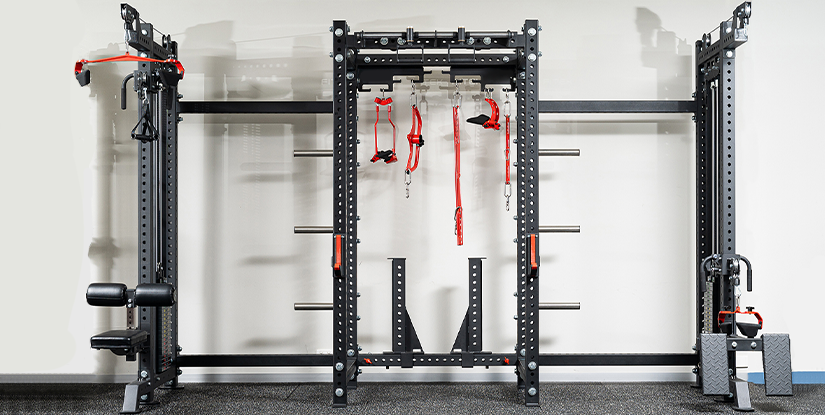
To truly identify the best bench for power rack setups, one must look beneath the surface at the structural engineering. In professional-grade environments, the weight capacity is not just a number on a spec sheet; it is a promise of safety. We advise sourcing units constructed from high-grade steel with thick-wall tubing to prevent frame deflection during eccentric loading. A bench that lacks sufficient stability under load can lead to micro-wobbles, which are unacceptable during heavy compound lifts.
Furthermore, long-term upholstery longevity is a critical factor for any buyer. High-use training sessions often involve sweat and friction, which can degrade low-quality padding rapidly. When selecting power rack accessories or primary seating, look for high-density foam encased in reinforced, easy-to-clean vinyl. This attention to detail ensures that your equipment maintains its professional appearance and structural integrity, protecting your long-term investment in your strength training space.
Structural Integrity and Weight Capacity Standards
When sourcing equipment for high-traffic facilities or serious home setups, the most critical factor is the foundation of the machine. A subpar bench can compromise your entire training session. To identify the best bench for power rack integration, you must look beyond the aesthetic and scrutinize the heavy-duty construction of the frame. High-quality manufacturers prioritize high-grade carbon steel to ensure the unit can withstand rigorous, repetitive loading without bending or fatigue.
The secret to long-term structural stability lies in the steel gauge. In the commercial fitness industry, a lower gauge number indicates thicker, more robust steel. While entry-level models might use thinner tubing, professional-grade power rack accessories typically utilize 11-gauge or 7-gauge steel to support extreme weight capacities. When evaluating a potential supplier, always verify the thickness of the steel used in the main uprights and the bench base. Investing in superior metallurgy ensures that your adjustable weight bench remains a reliable asset for years, rather than a liability under heavy load.
To help you navigate your procurement decisions, we have categorized common weight capacity tiers. Understanding where your specific training needs fall ensures you do not under-spec your equipment, which can lead to dangerous instability during heavy lifts.
| Capacity Tier | Typical User Type | Stability Level | Ideal Use Case |
|---|---|---|---|
| Standard (Up to 600 lbs) | Beginner / Fitness Enthusiast | Moderate | Light hypertrophy and basic strength training |
| Heavy-Duty (600–900 lbs) | Intermediate / Advanced Lifter | High | Consistent heavy compound movements |
| Professional (1,000+ lbs) | Elite Athlete / Strength Specialist | Maximum | Max effort lifting and high-intensity sessions |
When selecting an adjustable weight bench, always match the frame's rated capacity to the highest weight you intend to lift, plus a safety margin. A high-quality home gym equipment guide will always suggest over-specifying the capacity to maintain a high stability level during eccentric loading phases.
Beyond individual component strength, true reliability is found in the synergy between the bench and your existing power rack accessories. A cohesive training environment requires that the bench and rack function as a singular, stable unit. If the bench dimensions or footprint do not align perfectly with your rack's uprights, you risk uneven load distribution. This misalignment can create micro-vibrations or structural stress points that compromise long-term durability, even if both pieces of equipment are individually high-quality.
To ensure professional-grade performance, verify that the bench design accounts for the specific spacing of your rack. High-end manufacturers engineer their benches to integrate seamlessly with various power rack accessories, such as spotter arms or J-cups, to prevent interference during heavy lifts. Adhering to strict safety standards means choosing a bench that maintains a centered center of gravity, even when the user is at an incline. By prioritizing this mechanical synergy, you ensure that your setup remains a safe, indestructible cornerstone of your strength training routine.
Optimizing Training Versatility with Adjustable Features
When sourcing equipment for a professional or high-end home setup, the distinction between a fixed bench and an adjustable weight bench is defined by the return on investment. While fixed benches offer simplicity, they often limit the scope of a training program to basic horizontal movements. In contrast, investing in a model that offers a wide range of incline/decline angles ensures that the user can target specific muscle fibers, effectively turning a single station into a comprehensive training hub.
From a procurement standpoint, the long-term value of high-quality power rack accessories lies in their ability to evolve with the athlete. An adjustable unit provides unmatched versatility, allowing for chest flys, seated shoulder presses, and various decline movements without needing additional specialized machines. For distributors and gym owners, prioritizing these multifunctional components means offering a more robust training experience that justifies a higher price point and ensures the equipment remains a staple in any fitness regimen for years to come.
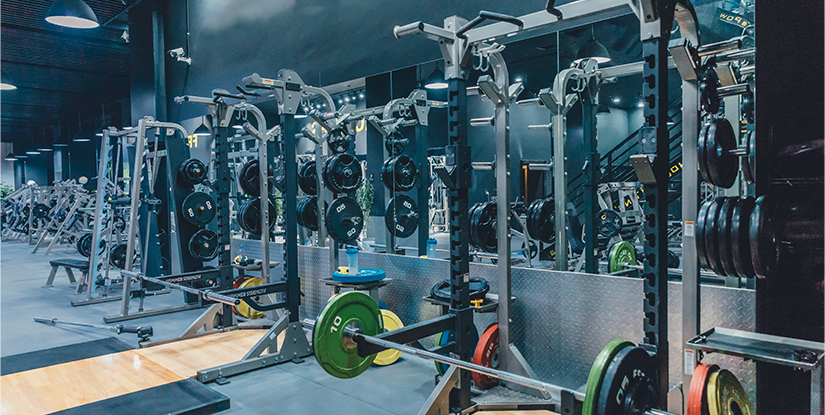
To make an informed decision for your facility or home setup, you must weigh the immediate cost against the long-term utility of the equipment. Choosing the best bench for power rack integration depends heavily on whether your priority is streamlined stability or multi-angle functionality. Use the comparison below to evaluate which direction aligns with your specific training goals and available footprint.
| Comparison Metric | Fixed Bench | Adjustable Weight Bench |
|---|---|---|
| Space Requirement | Minimal footprint; stays stationary. | Requires clearance for angle adjustments. |
| Exercise Variety | Limited to flat movements. | High (Incline, Decline, Seated). |
| Cost-Effectiveness | Low initial investment; high durability. | Higher upfront cost; higher utility. |
| Ideal User Type | Powerlifters focusing on core lifts. | Bodybuilders and general fitness enthusiasts. |
While a fixed bench is a reliable staple for heavy compound lifts, an adjustable weight bench is a superior choice for those seeking a complete home gym equipment guide standard of versatility. If your goal is to maximize the utility of every square foot within your rack, the ability to transition between angles is an essential feature for long-term satisfaction.
Ultimately, the true measure of the best bench for power rack integration is its ability to withstand high-frequency usage without compromising structural integrity. When we evaluate the durability of a unit, we look beyond the surface aesthetics to the high-quality construction of the steel frame and the precision of the adjustment mechanisms. A bench that features a robust, heavy-duty steel chassis and high-density padding ensures that stability remains constant, even when transitioning through steep incline or decline angles under heavy loads.
For those following a comprehensive home gym equipment guide, the goal is to avoid frequent replacements caused by mechanical wear. Selecting a bench with reinforced pivot points and high-grade hardware means the equipment will remain a reliable centerpiece of the rack for a decade rather than a few seasons. This focus on high-quality construction transforms a simple purchase into a strategic asset, ensuring that the versatility of the adjustable features continues to serve the athlete’s evolving strength goals without the need for costly upgrades or premature turnover.
Material Quality and Surface Longevity in High-Use Environments
When sourcing equipment for high-traffic facilities or intensive home setups, the longevity of your investment depends entirely on the resilience of the surface materials. Selecting the best bench for power rack configurations requires looking beyond the steel frame to the quality of the upholstery and protective coatings. In environments characterized by heavy lifting and constant contact, inferior materials quickly succumb to cracking and degradation.
For long-term durability, we recommend prioritizing benches outfitted with high-density foam. This ensures the padding maintains its shape and structural integrity under heavy loads, preventing the "bottoming out" effect common in lower-tier products. Furthermore, the exterior must feature commercial-grade vinyl that offers superior sweat resistance. This high-quality coating acts as a barrier against moisture and oils, preventing the premature peeling or tearing that can occur during rigorous training sessions. By focusing on these premium power rack accessories, you ensure that your equipment remains professional and functional for years to come.
Understanding the relationship between material type and maintenance level is essential for managing long-term operational costs. Depending on your usage frequency, the required level of upkeep will vary significantly. For instance, a standard adjustable weight bench designed for light residential use may utilize thinner PU leather, which requires frequent cleaning to prevent surface breakdown. In contrast, professional-grade equipment utilizes reinforced synthetic skins that can withstand much harsher environments with minimal intervention.
To help you decide which specification fits your specific training demands, consider the following comparison of common material tiers:
| Material Tier | Primary Use Case | Maintenance Level | Expected Longevity |
|---|---|---|---|
| Standard PU Leather | Occasional Home Use | Moderate (Frequent wipe-downs) | 1–3 Years |
| Reinforced Vinyl | Frequent Personal Training | Low (Standard sanitization) | 3–5 Years |
| Commercial Grade Synthetic | High-Intensity/Daily Use | Very Low (Minimal upkeep) | 5+ Years |
When evaluating your options, remember that investing in a higher-tier adjustable weight bench often results in a lower total cost of ownership. While the initial procurement cost may be slightly higher, the reduced need for replacements and the extended lifecycle of the material type ensure better value for your facility or home gym.
Beyond material selection, implementing disciplined cleaning protocols is the most effective way to protect your investment. Even the highest-quality power rack accessories can suffer from premature wear if neglected. We suggest a routine regimen of wiping down the upholstery with a mild, pH-neutral soap and water solution after every intensive session. Avoid using harsh chemical solvents or abrasive cleaners, as these can strip the protective coating and cause the synthetic skin to crack or peel prematurely.
For the metal components and structural joints, long-term upkeep involves more than just surface cleaning. To prevent oxidation and rust, especially in humid environments or near high-intensity cardio zones, ensure the frame remains dry and free of moisture buildup. Periodically inspecting the adjustment pins and pivot points of your adjustable weight bench ensures that mechanical parts remain smooth and functional. By treating maintenance as a proactive habit rather than a reactive necessity, you extend the operational life of your entire setup and maintain a professional-grade training environment.
Evaluating Shipping Logistics and Assembly Complexity
When sourcing the best bench for power rack integration, many buyers focus solely on the retail price and overlook the logistical overhead. Because high-quality benches are constructed with heavy-gauge steel to ensure stability, their weight/dimensions are significant. This density directly impacts your shipping costs, especially when importing bulk orders or specialized power rack accessories across international borders.
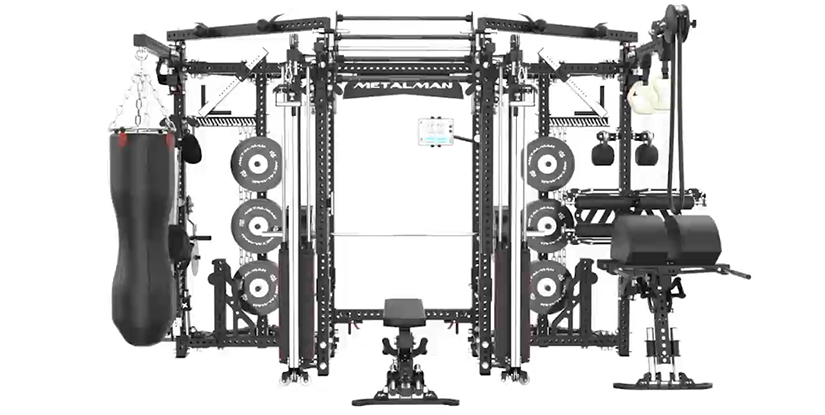
To manage your budget considerations effectively, you must calculate the total landed cost rather than just the factory Ex-Works price. A heavier, more robust adjustable weight bench offers superior longevity, but it also requires more substantial freight planning. We recommend evaluating the volumetric weight versus actual weight to avoid unexpected surcharges. By factoring in these dimensional realities early in your procurement process, you can ensure that your high-end home gym equipment guide requirements are met without exhausting your margins on logistics.
Beyond the initial purchase price, the distinction between DIY vs pre-assembled models significantly dictates your final assembly time and labor expenditure. Opting for a pre-assembled adjustable weight bench often minimizes tool requirements and onsite technical hurdles, making it a seamless addition to your existing setup. However, this convenience usually comes with a premium price tag and higher shipping volumes due to the non-collapsible nature of the finished product.
Conversely, many distributors choose flat-packed versions to optimize container space and reduce freight costs. While this method lowers the upfront investment, it requires a more rigorous quality control check upon arrival to ensure all components align perfectly. If you are sourcing various power rack accessories simultaneously, a modular, high-component-count DIY approach can be more cost-effective for large-scale deployments. We suggest weighing the cost of professional assembly services against the savings found in high-density, compact shipping configurations to determine the most efficient path for your facility.
To help you navigate these logistical trade-offs, we have outlined common delivery scenarios below. Choosing the right configuration depends on whether you prioritize immediate usability or long-term freight efficiency when selecting the best bench for power rack setups.
| Type | Shipping Profile | Assembly Effort | Cost Impact | Best For |
|---|---|---|---|---|
| Fully Assembled | High Volume/Heavy | Zero (Ready to use) | Higher Freight | Premium Retail/Small Gyms |
| Flat-Pack (DIY) | Optimized/Compact | Moderate (Requires Tools) | Lower Freight | Distributors & Large Orders |
| Modular Components | Variable/Scalable | High (Technical Setup) | Balanced | Customized Home Gym Equipment Guide |
Ultimately, your decision should align with your available onsite labor and your ability to manage power rack accessories inventory. While an adjustable weight bench delivered in a modular format may save on initial shipping, ensure your facility is prepared for the technical assembly requirements to maintain a smooth installation workflow.
Final Selection Guide for Long-Term Gym Utility
When sourcing equipment for a professional or high-end residential setup, the most significant hidden cost is not the initial purchase price, but the frequency of replacement. Selecting the best bench for power rack integration requires a shift in mindset from "budget-first" to "lifecycle-value." Low-grade components often fail under heavy compound movements, leading to premature wear that disrupts training consistency and increases long-term overhead.
To ensure maximum long-term utility, prioritize structural integrity. High-quality manufacturing utilizes heavy-duty steel gauge specifications that prevent frame warping under extreme loads. Furthermore, the upholstery is a critical touchpoint; look for high-density foam that retains its shape and resiliency over years of use, rather than cheap alternatives that flatten quickly. Investing in these premium power rack accessories ensures durability that withstands rigorous training cycles. By choosing an adjustable weight bench built with superior materials, you avoid the cycle of constant reinvestment and ensure your home gym equipment guide leads you toward a permanent, reliable solution.
To optimize your investment, you must align your selection with your specific training objectives and operational demands. A mismatch between the bench's build quality and your lifting intensity often results in poor stability or mechanical failure. Use the framework below to determine which tier of adjustable weight bench best suits your long-term requirements.
| Tier Level | Primary Use Case | Key Requirement | Typical Budget Focus |
|---|---|---|---|
| Entry-Level | Light resistance & mobility | Compact footprint | Low initial cost |
| Intermediate | Regular hypertrophy training | Consistent stability | Mid-range durability |
| Professional | Heavy compound lifting | High usage frequency | Maximum lifecycle ROI |
As part of a comprehensive home gym equipment guide, we recommend evaluating the "cost-per-use" ratio. While a premium adjustable weight bench may require a higher upfront expenditure, its ability to handle heavy barbell loads without wobbling provides far better value than frequently replacing lighter, consumer-grade power rack accessories. Choosing the right tier ensures your setup remains a reliable asset rather than a recurring expense.
To validate your procurement decisions before finalizing a shipment, move beyond basic spec sheets and focus on tactile quality indicators. A truly professional-grade setup relies on the synergy between the rack and the bench; any deviation in quality can compromise safety. We suggest performing a rigorous stability testing mental model: a high-tier bench should remain perfectly motionless even when subjected to lateral force or uneven weight distribution during a heavy press. If the frame exhibits even slight micro-vibrations, it will not serve as a reliable companion to your rack.
Furthermore, scrutinize the upholstery quality by checking for seamless, high-tensile stitching and non-porous surfaces that resist sweat absorption. This is not merely about aesthetics; it is about preventing material degradation that leads to hygiene issues and structural failure. Finally, verify the structural integrity by inspecting the weld points and the thickness of the steel tubing. High-quality power rack accessories are defined by these uncompromising details, ensuring that your adjustable weight bench remains a cornerstone of your facility for years to come, rather than a recurring line item in your maintenance budget.