How to Identify the Most Sturdy Power Rack for Your Gym
The Fundamental Criteria for Selecting High-Performance Strength Racks
When sourcing equipment for a high-traffic facility or a premium home setup, professional buyers must evaluate three critical checkpoints: the mitigation of structural risk, the precision of technical specifications, and the long-term reliability of the build. Ignoring these nuances often leads to premature equipment fatigue or even safety hazards during heavy sets. To ensure you are investing in the most sturdy power rack available, you must look beyond aesthetic appeal and focus on the raw engineering that dictates weightlifting station stability.
The foundation of any heavy duty squat rack lies in its steel gauge. In the commercial manufacturing sector, a lower gauge number signifies thicker, more robust steel. While consumer-grade models might use thinner tubing, high-performance strength racks typically utilize 11-gauge or 7-gauge steel to prevent bowing under extreme loads. This thickness is essential for maintaining structural integrity over years of intense use. Without this heavy-duty construction, even the most expensive home gym strength equipment will fail to provide the rigid, unyielding support required for professional-grade heavy lifting.
To help you navigate these technical specifications, we have categorized common steel thicknesses by their intended application. Understanding this relationship is vital for determining which model offers the necessary weightlifting station stability for your specific environment. Whether you are outfitting a boutique studio or a private garage setup, matching the gauge to the expected load intensity is the best way to ensure long-term durability.
| Steel Thickness | Typical Use Case | Stability Level | Recommended For |
|---|---|---|---|
| 14-Gauge | Light Home Use | Moderate | Beginner home gym strength equipment |
| 11-Gauge | Serious Enthusiast | High | Advanced heavy duty squat rack setups |
| 7-Gauge | Commercial Facility | Extreme | The most sturdy power rack for heavy lifting |
Selecting the appropriate thickness ensures that your investment withstands the rigors of high-intensity training without compromising safety or structural alignment.
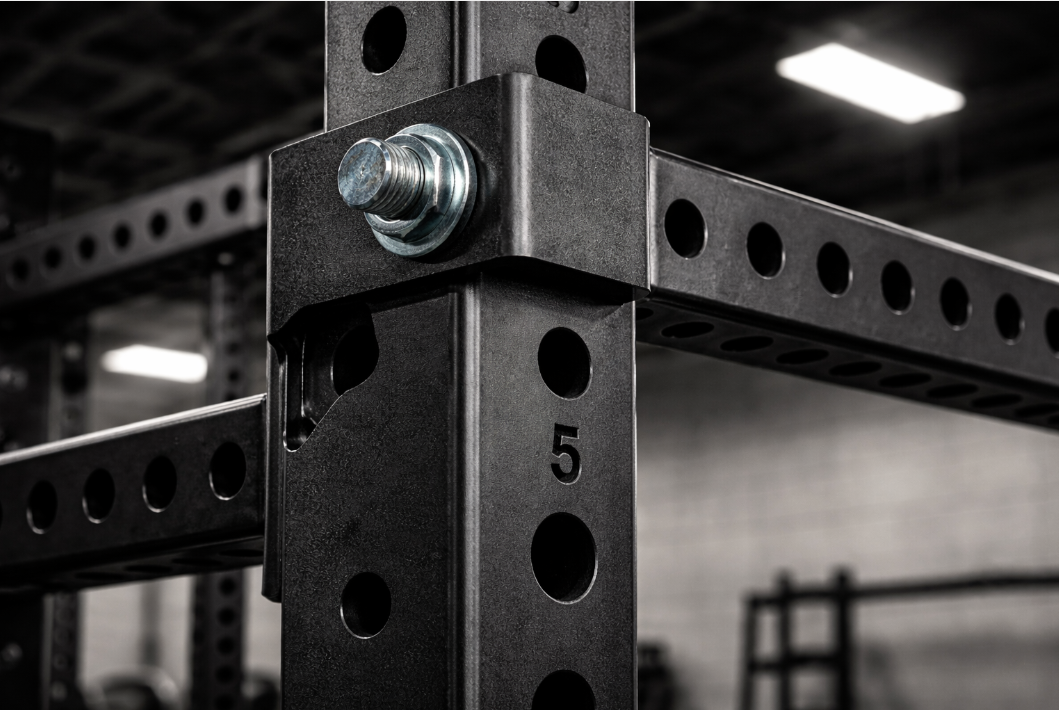
Beyond the thickness of the steel, the way individual components interface determines the long-term weightlifting station stability. When evaluating potential inventory or personal purchases, a critical distinction lies in the assembly method: bolt-together vs. weld construction. While fully welded frames offer maximum rigidity, many high-end modular systems rely on precision-engineered bolt-together designs to facilitate shipping and installation. For a heavy duty squat rack to remain effective, the quality of these connection points is non-negotiable.
A subpar assembly system often suffers from "racking"—a slight swaying motion that occurs during explosive movements. To prevent this, look for heavy-duty hardware, such as grade-8 bolts and reinforced gussets, which ensure the frame remains rigid during heavy lifting. In the realm of professional home gym strength equipment, the precision of these joints is what separates a shaky, budget-friendly frame from the most sturdy power rack capable of handling high-impact barbell drops and extreme lateral forces. Ensuring that every connection point is engineered for zero-tolerance fitment is the ultimate safeguard for both the athlete and the equipment's longevity.
Decoding Steel Gauge and Structural Integrity for Heavy Lifting
When sourcing high-performance equipment, the most critical technical specification often hides in plain sight: the steel gauge. For distributors and gym owners, understanding this measurement is the difference between a lifetime asset and a liability. In the world of professional strength training, the thickness of the steel tubing directly dictates the structural integrity and safety of the entire unit.
Most entry-level amateur frames utilize thinner 14-gauge or even 16-gauge steel, which may suffice for light resistance training but often lacks the rigidity required for high-intensity barbell work. To qualify as a true heavy duty squat rack, the construction should ideally feature 11-gauge steel. This professional-grade thickness provides the necessary density to prevent frame deflection and vibration during heavy sets. When evaluating home gym strength equipment for long-term durability, always prioritize these thicker gauges to ensure the most sturdy power rack can withstand the extreme mechanical stresses of heavy lifting without compromising stability.
To effectively vet your suppliers, you must look beyond the surface aesthetics and analyze how steel density correlates with operational demands. A mismatch between the steel gauge and the intended training environment is a common procurement error that leads to premature equipment fatigue. To help you determine the necessary level of weightlifting station stability, we have categorized common steel specifications against their ideal usage scenarios.
| Steel Gauge (Thickness) | Typical Usage Frequency | Expected Load Capacity | Best Use Case |
|---|---|---|---|
| 14-Gauge (Thinner) | Low to Moderate | Light to Medium | Standard home gym strength equipment |
| 11-Gauge (Standard) | High (Daily) | Heavy | Professional heavy duty squat rack |
| 7-Gauge to 9-Gauge (Premium) | Extreme (Constant) | Ultra-Heavy | Commercial High-Traffic Facilities |
When your goal is to source the most sturdy power rack for a high-performance environment, do not settle for thinner gauges that may buckle under progressive overload. A higher density steel frame ensures that the weightlifting station stability remains constant, even when the load capacity is pushed to its absolute limit during peak training sessions.
Beyond the raw thickness of the steel, the way that metal is interconnected determines the long-term durability of the unit. A high-quality heavy duty squat rack does not rely on steel gauge alone; it requires strategic structural features like reinforced crossmembers and deep-set uprights to manage lateral forces. In professional environments, high-impact training—such as explosive dynamic movements or heavy barbell drops—exerts significant torque on the frame. If the crossmembers are too thin or the connection points are weak, the rack may experience micro-shifts that compromise weightlifting station stability over time.
To ensure your procurement meets international standards for home gym strength equipment, look for designs that utilize heavy-duty gussets or reinforced junction points. These elements work in tandem with thick-gauge steel to prevent the frame from swaying during heavy lifting. By prioritizing a design that balances high-density steel with robust geometry, you secure the most sturdy power rack capable of maintaining its structural alignment through years of rigorous, high-intensity use.
Essential Components of a Professional-Grade Weightlifting Station
When sourcing high-end home gym strength equipment, the difference between a budget frame and the most sturdy power rack lies in the microscopic details of fabrication. A common pitfall for distributors is overlooking the thickness of the steel, which directly dictates the long-term weightlifting station stability under heavy loads. Relying on thinner materials may lower initial shipping costs, but it drastically reduces the lifespan of the unit and increases liability in commercial settings.
To ensure you are procuring a true heavy duty squat rack, you must verify the steel gauge and the quality of the structural welding. Higher-grade steel provides the necessary rigidity to prevent frame bowing during high-intensity movements. We recommend prioritizing 11-gauge steel over the more common 14-gauge for any facility expecting heavy daily use.
| Material Specification | Typical Application | Durability Profile | Procurement Value |
|---|---|---|---|
| 11-Gauge Steel | Commercial/High-Traffic | Maximum Rigidity | Premium Long-Term Asset |
| 14-Gauge Steel | Standard Home Gyms | Moderate Stability | Cost-Effective Entry |
| Full Structural Welding | Professional Stations | High Impact Resistance | Essential for Safety |
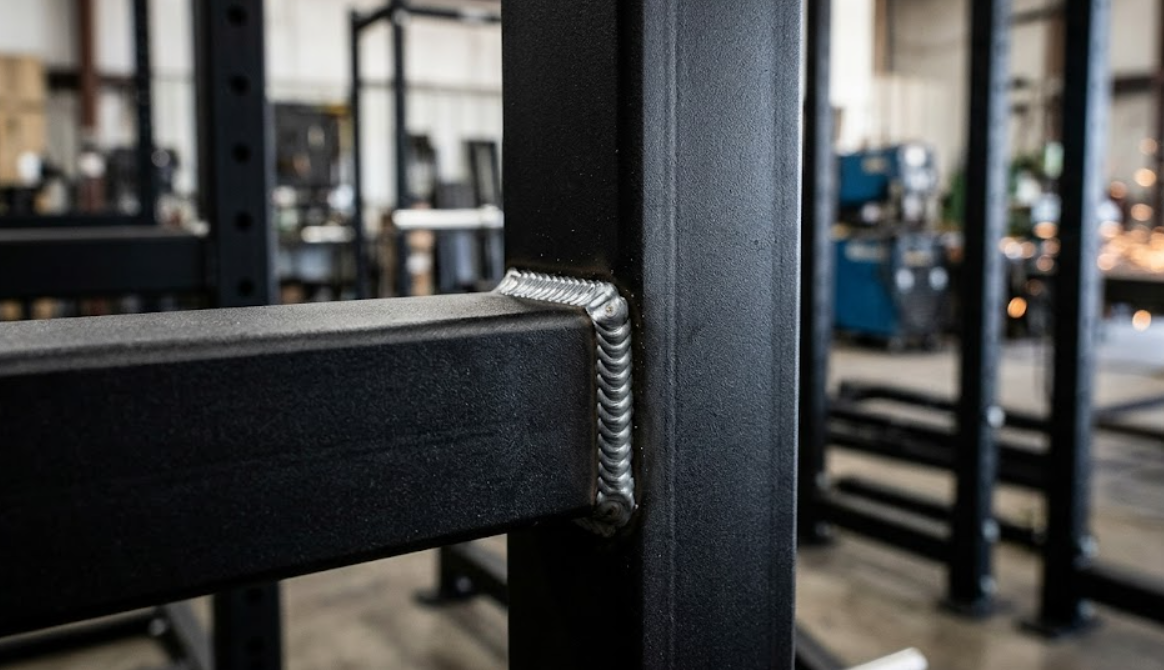
Ultimately, a heavy duty squat rack is only as reliable as its weakest joint. For professional-grade weightlifting station stability, look for continuous welding rather than spot welding to ensure the frame remains unshakeable under maximum capacity.
Selecting the right tier of equipment requires balancing performance demands with your specific capital allocation. While a high-end station offers the most sturdy power rack experience, the ideal choice often depends on the expected frequency of use and the specific load requirements of the athletes.
To assist in your procurement planning, we have categorized common market tiers below. This comparison helps clarify which level of home gym strength equipment aligns with your operational goals and budget constraints.
| Training Intensity | Steel Thickness | Stability Level | Budget Range |
|---|---|---|---|
| Professional / Commercial | 11-Gauge (Heavy Duty) | Extreme / Unshakeable | Premium / High Investment |
| Advanced Enthusiast | 12-Gauge (Mid-Range) | High / Very Stable | Moderate / Mid-Tier |
| Beginner / Light Use | 14-Gauge (Standard) | Moderate / Basic | Entry-Level / Economical |
When evaluating a heavy duty squat rack for a distribution or retail model, always consider the long-term maintenance implications of these tiers. A higher initial investment in weightlifting station stability typically results in lower replacement rates and higher customer satisfaction over time.
While purchasing high-quality home gym strength equipment is the first step, long-term reliability depends on a disciplined upkeep regimen. Even the most sturdy power rack requires periodic oversight to maintain its factory-spec performance and safety standards. Neglecting routine checks can lead to subtle structural shifts that compromise the integrity of the entire station.
Routine Inspection and Longevity Protocols
To preserve the weightlifting station stability, we recommend a quarterly inspection focusing on mechanical connections. Over time, the vibrations from heavy lifting can loosen hardware; regular bolt tightening is essential to prevent wobbling or frame misalignment. Ensure that all high-tensile bolts are checked against manufacturer torque specifications to maintain a rigid structure.
Furthermore, attention to detail regarding environmental factors is vital. Implement a strict rust prevention protocol by inspecting any exposed steel or chipped powder coating, especially in high-humidity training environments. Additionally, perform a frequent barbell sleeve inspection to ensure the rotating components remain smooth and free of debris. Consistent structural integrity maintenance ensures that your heavy duty squat rack remains a safe, high-performing asset for years to come.
Optimizing Footprint and Stability in Diverse Training Environments
When sourcing equipment for diverse client needs, we often see a conflict between available floor space and the desire for high-performance gear. For many distributors, the challenge lies in providing a heavy duty squat rack that fits within compact garage layouts while maintaining professional-grade weightlifting station stability. A common mistake is assuming that a smaller footprint automatically compromises the structural integrity of the unit.
In reality, the most sturdy power rack is defined by how its base dimensions distribute load. In high-traffic commercial settings, a wider base is essential to prevent tipping during heavy eccentric movements. However, for specialized home gym strength equipment markets, we recommend focusing on high-gauge steel density rather than sheer width. By selecting a rack with a reinforced, heavy-duty base, you can ensure maximum stability without requiring an excessive amount of square footage, making it an ideal solution for both premium commercial facilities and high-end residential installations.
To assist your procurement planning, we have categorized common training environments below. This comparison helps determine whether your clients require a massive footprint for absolute rigidity or a more compact, high-density design for restricted areas. Choosing the right configuration ensures that the most sturdy power rack remains functional and safe regardless of the installation site.
| Environment | Typical Footprint | Stability Needs | Recommended Rack Type |
|---|---|---|---|
| Commercial Strength Club | Large (Wide Base) | Maximum (High Volume) | Full-Size Commercial Rig |
| Dedicated Garage Gym | Medium (Standard) | High (Heavy Lifting) | Heavy duty squat rack |
| Residential/Small Studio | Compact (Minimal) | Moderate (Stability-Focused) | Space-Optimized home gym strength equipment |
When evaluating these options, always prioritize the steel gauge and cross-member thickness. A well-engineered weightlifting station stability profile can often compensate for a smaller footprint, provided the manufacturing quality meets professional standards.
Beyond the horizontal footprint, professional buyers must also evaluate the vertical space available at the installation site. A common oversight in the procurement of home gym strength equipment is neglecting the ceiling height. If the overhead clearance is insufficient, users may struggle with barbell clearance during heavy presses, or worse, hit the ceiling during explosive movements. We advise checking the total height of the uprights against the actual room dimensions to ensure a safe buffer zone.
For maximum weightlifting station stability in environments with uneven or lightweight flooring, we highly recommend prioritizing models that allow for floor mounting. While many residential units rely solely on their own weight, a rack designed with pre-drilled mounting holes allows for bolting directly into the subfloor. This significantly enhances the structural rigidity of the most sturdy power rack, effectively neutralizing any micro-vibrations or shifting that can occur during high-intensity training. Whether you are supplying a boutique studio or a high-end residential client, ensuring the equipment is anchored to the ground is the most reliable way to guarantee long-term safety and performance.
Evaluating Long-Term Value and Load Capacity Standards
When sourcing for a high-traffic facility or a serious training setup, the cheapest option often becomes the most expensive mistake. To secure the most sturdy power rack, you must look beyond the price tag and focus on the steel gauge. In the fitness manufacturing industry, a lower gauge number indicates thicker, more robust steel. Opting for a heavy duty squat rack constructed with 11-gauge steel rather than thinner alternatives ensures the structural integrity remains uncompromised even under extreme mechanical stress.
Investing in high-quality home gym strength equipment is a long-term investment in both safety and operational uptime. While thinner steel may reduce initial shipping costs and procurement outlays, it leads to rapid structural fatigue and frequent replacement cycles. By prioritizing premium material specifications during your sourcing process, you mitigate the risk of equipment failure, ensuring your facility maintains a professional standard and delivers a superior return on investment over many years of heavy lifting.
To accurately assess your procurement needs, it is helpful to categorize equipment based on intended usage intensity. A mismatch between a facility's lifting volume and the rack's structural capacity can lead to premature wear or catastrophic failure. Understanding the relationship between user type and weightlifting station stability is essential for long-term budget planning.
The following table outlines how different tiers of home gym strength equipment typically perform across various training environments. Use this as a guide to determine whether you require a standard model or a true heavy duty squat rack designed for high-performance output.
| User Type | Typical Load | Expected Lifespan | Stability Level |
|---|---|---|---|
| Residential Enthusiast | Low to Moderate | 5–8 Years | Standard |
| Serious Strength Athlete | High / Heavy | 10+ Years | High |
| Commercial/Professional Gym | Extreme / Constant | 15+ Years | Maximum |
When selecting the most sturdy power rack for a commercial setting, always prioritize the highest stability tier. While the initial capital expenditure may be higher, the reduced replacement frequency and enhanced weightlifting station stability provide a much more favorable ROI for professional distributors and gym owners.
Ultimately, verifying the load capacity through certified testing protocols is the only way to guarantee structural durability. A rack that claims to support high weights must be able to withstand not just static weight, but the dynamic impact of heavy lifting sessions. When negotiating with manufacturers or selecting a supplier, insist on transparency regarding the maximum weight thresholds and the specific welding techniques used at critical stress points.
Maximizing Asset Longevity
True value over time is realized when your equipment remains a reliable asset rather than a maintenance liability. A high-quality heavy duty squat rack with a verified load capacity protects your capital investment by preventing the structural deformation often seen in budget-grade alternatives. By prioritizing these rigorous standards during the procurement phase, you ensure that your home gym strength equipment remains a dependable cornerstone of your facility for a decade or more, rather than a recurring expense.
Sourcing Reliability: What to Look for in Manufacturing Standards
When sourcing equipment for a commercial facility or a high-end studio, the initial price tag often masks the true cost of low-quality manufacturing. A common pitfall is overlooking the steel gauge, which dictates the fundamental structural integrity of the unit. While thinner steel might lower the upfront shipping and procurement costs, it drastically reduces the lifespan of the equipment and compromises weightlifting station stability under heavy loads.
Investing in the most sturdy power rack is a decision based on long-term investment logic rather than immediate savings. High-precision manufacturing ensures that even under maximum capacity, the frame remains rigid without bowing or vibrating. For distributors and gym owners, choosing a heavy duty squat rack built with thicker, high-grade steel minimizes replacement cycles and maintenance overhead. Ultimately, prioritizing superior material density and precision engineering is the most cost-effective way to ensure your home gym strength equipment remains a reliable asset for years to come.
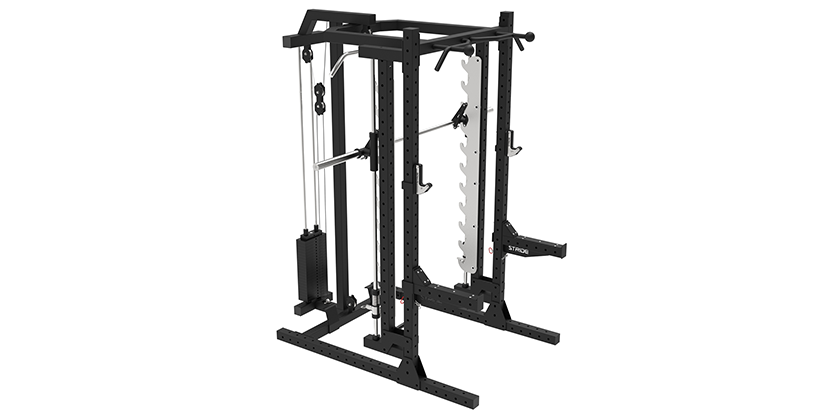
Understanding the relationship between cost vs. durability is essential for professional buyers. In the global market, price variances are rarely arbitrary; they are usually a direct reflection of manufacturing standards and the rigor of quality control processes applied during production. A lower price point often indicates thinner steel or less sophisticated welding techniques, which can lead to catastrophic failure in high-intensity environments.
To help you navigate your procurement decisions, we have categorized common budget tiers for home gym strength equipment based on typical construction quality and intended usage frequency:
| Tier Level | Primary Construction Focus | Typical Use Case | Durability Profile |
|---|---|---|---|
| Entry-Level | Lightweight steel / Basic powder coating | Occasional home use | Limited lifespan; lower stability |
| Mid-Range | Standard gauge steel / Improved welding | Dedicated home gyms / Small studios | Reliable for moderate lifting |
| Professional | Heavy-gauge steel / Precision engineering | Commercial gyms / High-traffic facilities | Maximum weightlifting station stability |
When evaluating a potential supplier, always verify if their production line adheres to strict tolerances. Selecting the most sturdy power rack within a professional tier ensures that your capital expenditure translates into a long-lasting, high-performance heavy duty squat rack rather than a recurring expense.
Beyond the initial purchase, professional buyers must account for the "hidden costs" associated with sub-par manufacturing. Opting for a cheaper, lower-grade unit frequently results in escalating maintenance costs as parts begin to loosen or the frame loses its alignment. These issues are not merely inconveniences; they represent a significant structural failure risk that can compromise user safety during heavy sets. When the integrity of the steel is compromised, the replacement frequency increases, forcing you to re-order and re-install new equipment much sooner than anticipated.
This cycle of premature replacement is a drain on both time and capital. By prioritizing the most sturdy power rack during the initial procurement phase, you are actually protecting your bottom line. A high-quality heavy duty squat rack offers superior reliability, ensuring that your facility remains operational without constant downtime. In the long run, the higher upfront investment in premium home gym strength equipment is far more economical than the cumulative cost of repairing or replacing inferior, low-gauge alternatives.
Lifecycle maintenance planning for busy facilities
For commercial operators and high-volume distributors, the value of a heavy duty squat rack is not just in its initial build quality, but in its long-term operational reliability. High-traffic environments subject equipment to constant vibration and heavy loading cycles, which can lead to subtle structural fatigue if oversight is neglected. To preserve the weightlifting station stability that your clients expect, a proactive maintenance schedule is non-negotiable.
Maintaining the most sturdy power rack in your inventory requires more than just visual inspections. Regular bolt tightening protocols are essential to ensure that the frame remains rigid under heavy barbell drops. Furthermore, periodic lubrication of moving parts, such as J-cups and safety bars, prevents friction-induced wear and ensures smooth, safe transitions during heavy sets. By implementing these routine checks, facility owners can extend the lifecycle of their home gym strength equipment and prevent the premature degradation often seen in lower-tier, non-commercial grade alternatives.
To streamline your operational oversight, we recommend implementing a structured preventative maintenance workflow. Rather than waiting for visible issues, facility managers should utilize a tiered inspection frequency to ensure every unit remains within safe tolerances. This systematic approach mitigates the risk of sudden component wear and protects your capital investment.
Routine Maintenance Checklist
The following table outlines the essential touchpoints for maintaining high-performance home gym strength equipment and ensuring long-term weightlifting station stability.
| Inspection Type | Focus Area | Recommended Frequency |
|---|---|---|
| Stability Check | Frame alignment and base bolt tension | Monthly |
| Mechanical Audit | J-cup movement and safety bar release | Quarterly |
| Structural Integrity | Weld points and steel gauge deformation | Bi-Annually |
By documenting these checks, distributors and gym owners can provide verified safety reports to their clients, reinforcing the value of sourcing the most sturdy power rack available on the market.
Ultimately, the decision to source high-gauge steel over thinner alternatives is a decision regarding cost-effective maintenance and asset longevity. While the initial procurement cost may be slightly higher, the long-term durability of premium materials significantly reduces the frequency of replacement cycles. In a commercial setting, even a single day of equipment downtime can result in lost revenue and client dissatisfaction. By prioritizing structural integrity through superior steel thickness and reinforced welding, you ensure that your heavy duty squat rack remains a reliable staple of the facility for years. Investing in the most sturdy power rack today prevents the cascading costs of frequent repairs and premature turnover, securing a much higher return on investment for your home gym strength equipment inventory and ensuring consistent weightlifting station stability under the most demanding training loads.