Selecting J Hooks for Commercial Squat Rack Upgrades
Optimizing Inventory Margins Through High-Turnover Accessory Skus
Many facility managers mistakenly treat J hooks as permanent fixtures, failing to account for the high-turnover nature of heavy-duty accessories in high-traffic environments. A more profitable procurement strategy prioritizes j hooks squat rack compatibility and replacement cycles to minimize unexpected downtime and rising facility maintenance costs.
For distributors and multi-site operators, the cost-benefit logic rests on the durability of commercial barbell j hooks. Choosing low-grade components leads to frequent replacement cycles, which increases long-term labor expenses and disrupts training workflows. By sourcing high-spec, heavy duty weightlifting hooks during initial rollouts, buyers can optimize their total cost of ownership (TCO) and reduce the frequency of secondary orders.
| Procurement Strategy | Initial Capital Outlay | Long-Term Maintenance Impact | Inventory Turnover Logic |
|---|---|---|---|
| Low-Cost Generic Sourcing | Lower | High (Frequent replacements) | Unpredictable/High-frequency |
| Premium Commercial Grade | Moderate | Low (Extended lifecycle) | Stable/Scheduled |
Analyzing TCO: Standard vs. Heavy Duty Configurations
When evaluating a j hooks squat rack upgrade, procurement managers must look beyond the initial unit price. While entry-level hooks offer an attractive upfront cost, they often fail to withstand the repetitive impact and heavy barbell loading typical of commercial strength facilities. This leads to higher replacement rates and increased logistics overhead for distributors.
Investing in high-grade, heavy duty weightlifting hooks ensures better squat rack accessory compatibility across diverse barbell types, reducing the risk of hardware deformation. The following comparison highlights why premium configurations often yield a more favorable total cost of ownership (TCO) for large-scale facility rollouts.
| Configuration Type | Cost Per Unit | Durability Rating | Maintenance Frequency | Total Cost of Ownership (TCO) |
|---|---|---|---|---|
| Standard Utility Hooks | Low | Moderate/Low | High (Annual/Bi-annual) | High (Due to frequent replacement) |
| Commercial Grade J Hooks | Moderate | High | Low (Every 2-3 years) | Low (Optimized lifecycle) |
| Heavy Duty/Industrial | Higher | Extreme | Minimal (Rarely required) | Lowest (Long-term stability) |
For multi-site expansions, prioritizing the higher-tier commercial grade option mitigates the risk of inconsistent equipment quality across locations. This approach stabilizes maintenance schedules and ensures that the j hooks squat rack setup remains a reliable asset rather than a recurring procurement headache.
Logistics and Sourcing Efficiency for Distributors
Scaling a facility rollout requires more than just selecting the right hardware; it demands a sophisticated approach to bulk procurement. When managing large-scale orders, distributors must balance the MOQ (Minimum Order Quantity) requirements of high-spec manufacturers against the need for rapid replenishment. Sourcing heavy duty weightlifting hooks in large volumes can significantly lower the landed cost per unit, but only if the supplier maintains rigorous quality control (QC) standards.
To mitigate logistics risks, procurement managers should verify squat rack accessory compatibility at the factory level before finalizing shipments. Inconsistent dimensions or poor tolerances in a bulk order can lead to massive compatibility issues during on-site installation, resulting in wasted shipping volume and costly returns. We recommend negotiating contracts that include strict QC protocols for weight-bearing stability and coating thickness. This ensures that every unit in a multi-container shipment meets the same commercial-grade standard, protecting your margins and reducing the need for emergency, small-batch reordering.
Evaluating Structural Integrity for High-Traffic Facility Rollouts
In a high-traffic facility, the reliability of every component determines the long-term total cost of ownership. When upgrading existing racks, sourcing heavy duty weightlifting hooks that can withstand constant barbell loading and unloading is vital. Relying on substandard accessories often leads to premature wear, increasing maintenance cycles and disrupting gym floor flow.
Ensuring the structural integrity of your j hooks squat rack setup requires more than just checking weight capacities; it requires rigorous compatibility verification. For multi-site rollouts, distributors must confirm that commercial barbell j hooks are engineered to match the specific gauge and upright profile of the installed racks. Without this precise fit, even high-grade steel components can cause deformation or instability under heavy loads, posing a significant liability for facility managers.
To mitigate long-term replacement costs, procurement managers should evaluate the metallurgical specifications of potential inventory. A mismatch between the hook's profile and the rack's upright geometry can lead to uneven weight distribution and accelerated wear on the powder coating. Choosing high-spec components ensures that the accessory maintains its shape and grip even during high-intensity training sessions typical of commercial strength environments.
| Material Specification | Typical Steel Gauge | Surface Coating | Load Capacity (Per Pair) | Maintenance Cycle |
|---|---|---|---|---|
| Standard Commercial | 11-gauge | Powder Coated | 300–400 kg | Annual Inspection |
| Heavy Duty Professional | 9-gauge | Chrome or High-Density PU | 500+ kg | Bi-Annual Inspection |
| Elite/Competition Grade | 7-gauge (Reinforced) | Hardened Steel/Industrial Finish | 600+ kg | Annual Inspection |
When sourcing for multi-site deployments, prioritize products with a consistent finish and standardized thickness. High-quality heavy duty weightlifting hooks often feature a thicker steel profile and more robust mounting hardware, which reduces the frequency of bolt loosening and prevents the metal-on-metal grinding that can damage expensive barbell knurling.
Beyond individual component strength, the logistics of bulk procurement for large-scale rollouts require a focus on quality control (QC) and supply chain reliability. For distributors and facility owners, the goal is to minimize the risk of receiving non-uniform batches that fail to meet squat rack accessory compatibility standards. Implementing a strict QC protocol—verifying weld integrity, coating thickness, and dimensional accuracy—is essential to ensure that every unit in a large shipment performs identically across all locations.
Efficient logistics management also plays a role in the total cost of ownership. When ordering high volumes, consider the packaging density and shipping weight of the hooks to optimize container utilization. A well-coordinated procurement strategy that accounts for both the physical durability of the j hooks squat rack components and the efficiency of the global shipping process will ultimately protect your margins and ensure a seamless installation across your entire facility network.
Standardizing Compatibility Across Diverse Rack Systems
For facility management teams overseeing multi-site rollouts, the lack of standardization in accessory procurement creates significant operational friction. When j hooks squat rack components are sourced from non-standardized suppliers, the resulting compatibility issues can disrupt maintenance cycles and increase long-term labor costs across various locations.
Inconsistent hole spacing or incompatible upright dimensions lead to a fragmented inventory. Instead of a streamlined replacement process, staff must manage multiple SKU types for a single rack model. Utilizing high-quality, commercial barbell j hooks that adhere to universal industry standards ensures that parts are interchangeable, reducing the overhead required for onsite repairs and routine upkeep.
| Procurement Factor | Standardized Commercial Hooks | Generic/Non-Standard Accessories |
|---|---|---|
| Maintenance Impact | Predictable, streamlined cycles | High overhead due to SKU fragmentation |
| Interchangeability | High; works across multiple brands | Low; requires exact model matching |
| Long-term TCO | Lower; reduced specialized inventory | Higher; frequent part replacement errors |
| Installation Speed | Rapid; universal fitment | Slow; frequent compatibility friction |
Investing in heavy duty weightlifting hooks with verified dimensions protects your capital expenditure. By prioritizing standardized specifications during the initial wholesale order, distributors and gym owners mitigate the risk of specialized part shortages during high-traffic operational periods.
Evaluating Mounting Styles for Long-Term Durability
Choosing the correct mounting mechanism is a critical decision for procurement managers evaluating the total cost of ownership. While all professional options serve to secure the barbell, the mechanical interface determines how frequently your maintenance staff will need to intervene to ensure stability and safety across the facility.
For high-traffic commercial environments, the trade-off usually involves a balance between installation speed and structural rigidity. While pin-lock systems offer rapid adjustment, bolt-on configurations often provide the most stable, zero-play experience for heavy lifting, which is essential for reducing vibration-related wear on the rack uprights.
| Mounting Type | Durability Profile | Ease of Replacement | Maintenance Frequency | Squat Rack Accessory Compatibility |
|---|---|---|---|---|
| Bolt-on | Highest; minimal movement | Moderate; requires tools | Low; annual check recommended | Limited to specific upright sizes |
| Pin-lock | High; optimized for speed | High; tool-less adjustments | Moderate; check pin tension | Commonly used in modular setups |
| Universal | Standard commercial grade | Very High; high availability | Moderate; frequent inspections | Broad; adaptable to various systems |
When sourcing for large-scale rollouts, consider the specific upright dimensions of your existing inventory. A mismatch in mounting style can lead to wasted shipping costs or unusable stock if the hardware does not align with the rack's profile. Prioritizing standardized mounting ensures that your facility remains adaptable as you expand your equipment lineup.
Strategic Inventory Management for Multi-Site Rollouts
Efficient facility management requires moving beyond reactive purchasing to a proactive replenishment model. For distributors and large-scale operators, the goal is to minimize downtime caused by unexpected wear and tear on high-use components. Relying on single-unit retail purchases for repairs is inefficient for large-scale operations; instead, a structured approach to stock levels ensures operational continuity.
When planning a facility rollout, procurement specialists should negotiate a strategic MOQ (Minimum Order Quantity) that includes a dedicated percentage of replacement parts. This buffer accounts for the natural degradation of hardware in high-traffic environments. Maintaining a centralized stock of heavy duty weightlifting hooks prevents the logistical delays often seen when attempting to source specialized components for individual locations on an ad-hoc basis.
Effective inventory management involves tracking the lifecycle of your j hooks squat rack accessories against usage intensity. By treating these hooks as high-turnover consumables rather than permanent fixtures, you can optimize your supply chain. Establishing a baseline for replacement cycles allows you to leverage wholesale pricing and ensure that every site in your network maintains the same rigorous safety and quality standards without unexpected capital outlays.
Material Finishes and Surface Protection Requirements
The longevity of your equipment investment depends heavily on the interaction between the j hooks squat rack and the barbell. In high-traffic commercial settings, the choice of surface finish dictates both the frequency of facility maintenance cycles and the total cost of ownership for the gym owner.
When sourcing commercial barbell j hooks, procurement managers must navigate the critical trade-off between barbell knurling protection and structural durability. While high-density polyurethane or heavy-duty rubber coatings excel at preventing surface wear and protecting expensive barbell knurling, these soft layers can eventually compress or tear under heavy loading. Conversely, steel-on-steel contact provides extreme durability but increases the risk of metal fatigue on the barbell. For multi-site rollouts, selecting a finish that balances these two factors is essential for maintaining a premium equipment standard over several years of rigorous use.
To optimize long-term ROI, distributors and facility managers should evaluate the specific coating technology used on the contact surface. The following comparison highlights how different finishes impact both the maintenance lifecycle and the protection of barbell assets across various usage intensities.
| Finish Type | Durability Profile | Barbell Compatibility | Maintenance Requirements | Cost-Efficiency (TCO) |
|---|---|---|---|---|
| Powder Coating | High (Rigid) | Low (Higher knurling wear) | Minimal (Occasional cleaning) | High (Lower initial cost) |
| Nylon/Polyurethane | Moderate (Compressible) | High (Excellent protection) | Medium (Monitor for tears) | Medium (Higher upfront/lower wear) |
| Rubberized Coating | Variable (Soft) | Very High (Impact absorption) | High (Check for peeling) | Low (Frequent replacement risk) |
For large-scale facility rollouts, heavy duty weightlifting hooks with high-grade polyurethane coatings often provide the best balance. While the initial unit cost may be slightly higher than standard powder-coated steel, the reduction in barbell replacement frequency and the prevention of metal-on-metal scratching justify the expenditure in premium commercial environments.
Scaling a multi-site rollout requires more than just selecting the right finish; it demands a rigorous approach to quality control and logistical reliability. For distributors managing bulk ordering, the risk of receiving inconsistent batches—where one set of hooks features a thick, uniform coating and another shows thin, brittle application—can compromise the uniformity of a facility's equipment standard.
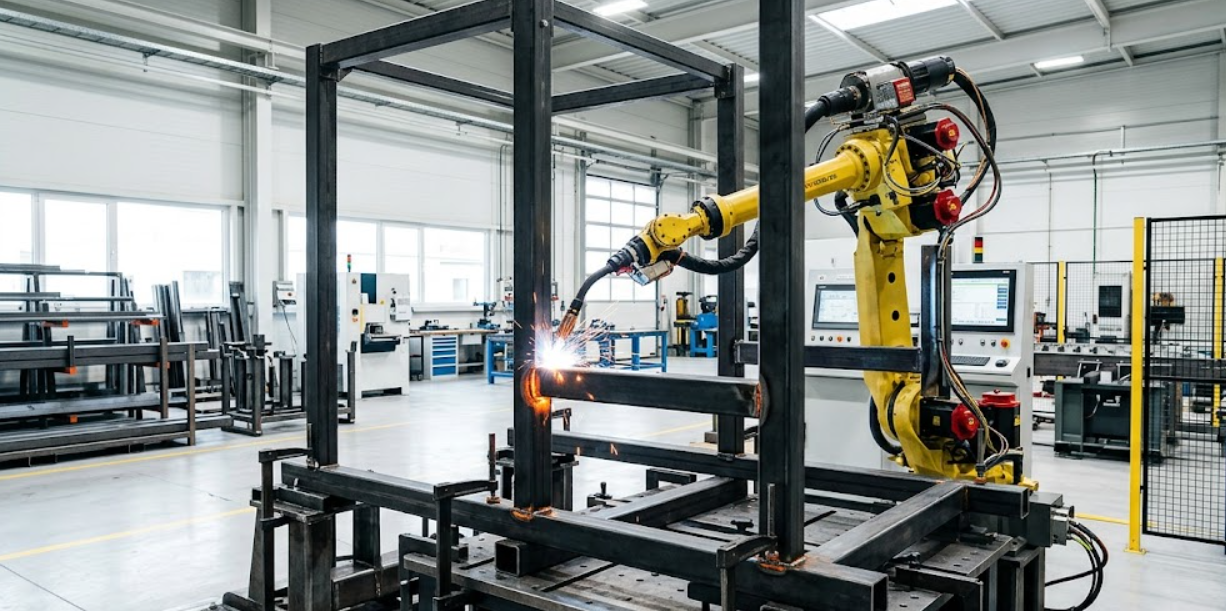
When vetting manufacturers for high-volume shipments, prioritize suppliers that demonstrate strict QC standards regarding coating consistency and scratch resistance. Inconsistent application often leads to premature peeling or uneven load distribution, which can affect the perceived quality of the j hooks squat rack setup. Furthermore, ensure that the packaging protocols account for shipment durability. High-quality heavy duty weightlifting hooks must arrive without cosmetic defects or structural micro-fractures caused by transit vibrations. For procurement specialists, verifying that a factory utilizes automated coating processes rather than manual spray methods is a reliable way to ensure that every unit across a global rollout maintains the same professional aesthetic and functional integrity.
Logistics and Bulk Procurement Considerations for Global Sourcing
Procurement managers must look beyond the initial unit price when sourcing a j hooks squat rack setup for large-scale facility expansions. While low-cost options may seem attractive during the bidding stage, they often fail to account for the long-term financial impact of frequent replacements and increased labor costs.
Evaluating TCO over Initial Unit Price
When managing a multi-site rollout, the unit price vs. durability equation is critical. Low-grade commercial barbell j hooks may offer immediate savings, but inferior steel thickness or poor powder coating leads to accelerated wear. This results in shorter maintenance cycles and higher operational expenses over time. To maximize long-term ROI, prioritize heavy-duty components that withstand high-frequency usage in high-traffic commercial environments. Investing in premium quality upfront reduces the frequency of replacement orders and ensures the facility remains functional without constant hardware turnover.
Deciding between direct factory procurement and local distribution depends heavily on your rollout scale, budget flexibility, and required speed of deployment. For single-site upgrades, local stock offers convenience, but for multi-site facility expansions, direct sourcing typically provides the necessary economies of scale.
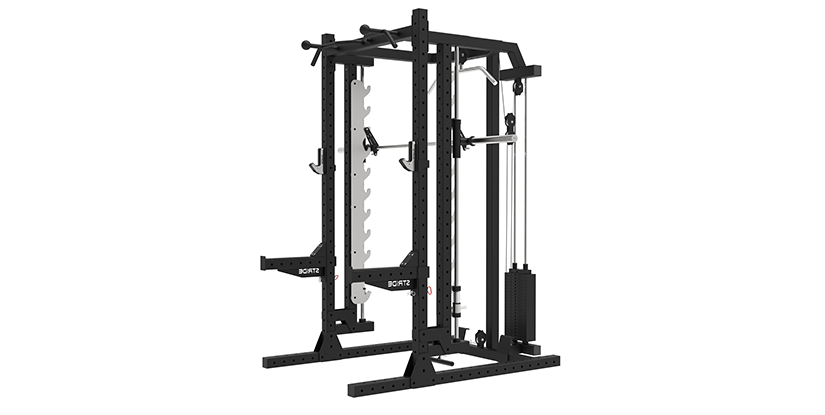
Sourcing Model Comparison: Direct Factory vs. Local Distributor
| Procurement Factor | Direct Factory Sourcing | Local Distributor Stock |
|---|---|---|
| Minimum Order Quantity (MOQ) | High (Bulk/Container loads) | Low (Per-unit or small batch) |
| Shipping Lead Times | Extended (Production + Ocean Freight) | Short (Local/Regional transit) |
| Quality Control (QC) Oversight | High (Direct inspection capability) | Moderate (Dependent on distributor) |
| Cost-per-Unit Impact | Lowest (Optimized for volume) | Higher (Includes markup/handling) |
For large-scale rollouts requiring specialized heavy duty weightlifting hooks, direct factory sourcing allows for tighter control over technical specifications and customization. However, if your timeline is compressed, the markup of a local distributor is often a necessary trade-off to ensure immediate squat rack accessory compatibility across your existing equipment inventory.
Mitigating Compatibility and Shipping Risks
Large-scale procurement requires rigorous compatibility verification to prevent costly mismatch errors. Even minor variations in upright dimensions or hole spacing can render a batch of heavy duty weightlifting hooks unusable. To avoid onsite installation delays, distributors should demand precise technical drawings from the manufacturer to ensure squat rack accessory compatibility with existing or new rack uprights.
Beyond technical specs, logistics optimization is vital for maintaining margins. Buyers should prioritize suppliers who utilize shipping volume optimization techniques, such as nesting components or utilizing standardized pallet dimensions, to reduce dimensional weight costs. Furthermore, implementing strict bulk inspection protocols—including random sampling of load-bearing strength and coating adhesion—at the factory level is essential to minimize the risk of receiving defective units that would otherwise trigger expensive international returns or site-wide replacements.
Selecting Accessories for Specialized Training Modalities
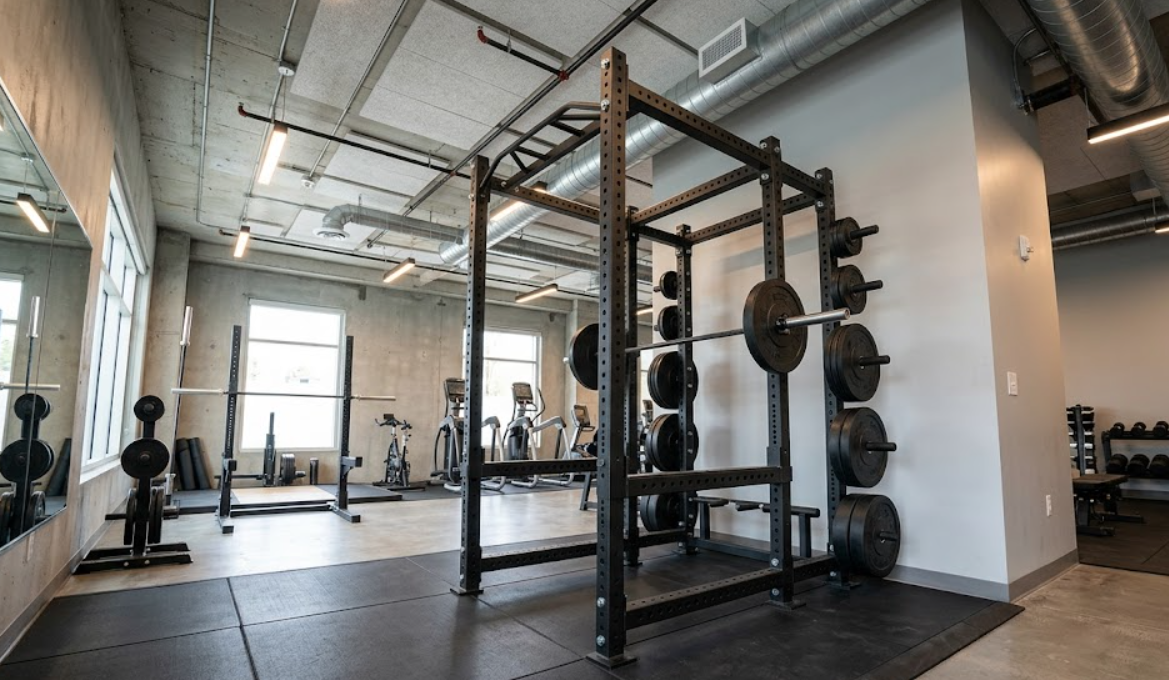
The integration of specialized training modalities, such as high-volume hypertrophy or heavy strength protocols, dictates the necessary depth and profile of your equipment. When planning a multi-site rollout, the physical footprint of a j hooks squat rack setup must account for both the rack itself and the clearance required for barbell movement and athlete safety.
Optimizing facility layout efficiency requires a strategic approach to squat rack accessory compatibility. For example, high-density boutique studios often prioritize slim-profile commercial barbell j hooks to maximize usable floor space, whereas large-scale strength facilities may opt for deeper, heavy-duty versions to accommodate varied barbell diameters and specialized bars. Selecting the correct profile ensures that the training area remains functional without unnecessary spatial overhead, directly impacting the long-term ROI of the square footage allocated to strength zones.
Profile Depth vs. Operational Clearance
Procurement managers must differentiate between standard hooks and specialized profiles to ensure the equipment meets the specific demands of the facility's programming. A shallower profile offers a compact footprint, which is ideal for high-density training environments, but may limit the range of motion for certain barbell types. Conversely, deeper profiles provide enhanced stability for high-load sessions but require more lateral clearance from the uprights.
The following comparison highlights how profile selection affects both space management and functional versatility within a commercial strength zone:
| Profile Type | Typical Depth | Primary Use Case | Space Impact |
|---|---|---|---|
| Slim/Compact | Low | Boutique studios & HIIT | Minimal footprint |
| Standard Commercial | Medium | General strength & hypertrophy | Moderate clearance |
| Heavy Duty/Deep | High | Powerlifting & heavy strength | Requires wider aisles |
When sourcing heavy duty weightlifting hooks, verify that the depth does not obstruct the athlete's natural path during unracking. For multi-site rollouts, standardizing on a versatile medium-depth profile often provides the best balance between squat rack accessory compatibility and efficient floor-plan utilization.
Standardization and Inventory Management for Multi-Site Rollouts
A critical procurement decision involves the degree of standardization across different facility locations. While specialized hooks may serve specific training niches, a lack of uniformity can complicate long-term maintenance and parts replacement. For distributors and facility managers, choosing a singular, high-quality profile for all j hooks squat rack installations simplifies the supply chain and reduces the complexity of onsite upkeep.
Relying on a diverse array of incompatible accessories often leads to higher operational costs. When executing multi-site rollouts, procurement teams should prioritize components that offer universal compatibility across their existing rack inventory. Standardizing on a specific model of commercial barbell j hooks ensures that maintenance teams can easily stock a single SKU for replacements, rather than managing a fragmented inventory of varying depths and mounting styles. This strategic approach mitigates the risk of equipment downtime and streamlines the logistical burden of managing multiple gym locations.