Power Rack Functional Trainer QC and Export Standards
Evaluating Long-Term Value and Lifecycle Costs
Distributors often mistake low initial freight costs for high-margin opportunities, only to face rising expenses through frequent part replacements. A sophisticated procurement strategy shifts focus from the sticker price to the total cost of ownership (TCO), prioritizing a high-quality power rack functional trainer that minimizes downtime and service calls.
Durability vs. Upfront Cost: the TCO Impact
While entry-level units may offer attractive MOQs and lower landing costs, they frequently lack the structural integrity required for high-traffic commercial environments. Rigorous commercial gym equipment inspection during the sourcing phase identifies whether a unit uses premium steel gauges or inferior alloys. Investing in superior build quality directly influences maintenance cycles; high-grade components reduce the frequency of bearing replacements and cable tension adjustments, ensuring the equipment remains operational for years rather than months.
| Procurement Factor | Budget-Tier Sourcing | Premium Commercial Grade |
|---|---|---|
| Initial Purchase Price | Lower upfront expenditure | Higher initial investment |
| Maintenance Frequency | High (frequent parts replacement) | Low (extended service intervals) |
| Operational Lifespan | Short-term (2–3 years) | Long-term (7+ years) |
| Long-term ROI | Diminished by repair costs | Optimized via durability |
When evaluating a power rack functional trainer, consider that the cheapest option often results in higher operational expenses due to premature wear and increased labor for repairs. Prioritizing strength equipment quality assurance ensures that your inventory maintains its value and reliability in the field.
Beyond the mechanical components, the logistics of moving heavy-duty steel play a critical role in the final TCO. A common oversight in international procurement is failing to account for the damage potential during transit. High-quality heavy duty functional trainer shipping protocols—such as reinforced crate structures and moisture-resistant wrapping—are essential to prevent structural warping or surface oxidation before the unit even reaches the facility floor.
Logistics and Protection Standards
Reliable suppliers treat the packaging as an extension of the product itself. For distributors managing large-scale shipments, the distinction between standard corrugated boxes and heavy-duty palletized crating can determine whether a shipment arrives ready for assembly or requires expensive onsite remediation. Ensuring your factory partner utilizes high-density foam padding and steel-reinforced corner protectors is a vital part of strength equipment quality assurance, protecting the long-term integrity of the frame and pulley systems.
Effective logistics planning must also account for the hidden costs of MOQ and inventory management. While higher minimum order quantities may lower the per-unit landed cost, they increase the risk of logistics-related damage if the storage and transit solutions are insufficient. To protect your long-term ROI, verify that the supplier’s export standards include multi-layered protection tailored for maritime or long-haul transit. Neglecting these details often leads to costly returns, diminished brand reputation, and significant delays in facility launches.
Structural Integrity and Material Verification Standards
For distributors and facility owners, the longevity of a power rack functional trainer depends entirely on its foundational rigidity. Unlike residential models, commercial-grade units must withstand high-frequency, heavy-load usage without compromising structural stability. Ensuring your inventory meets these demands requires a rigorous approach to material verification during the sourcing process.
A critical component of any commercial gym equipment inspection is the verification of the steel gauge used in the uprights and crossmembers. High-quality manufacturers typically utilize heavy-duty, high-tensile steel to prevent bowing or structural fatigue under maximum load. B2B buyers should demand precise specifications regarding wall thickness to ensure the unit can support both the weight stack and the dynamic forces of functional training movements.
Steel Specification and Coating Benchmarks
To maintain high standards of strength equipment quality assurance, buyers must differentiate between standard retail-grade components and professional-grade industrial steel. Relying on generic descriptions is a risk; instead, demand specific millimeter (mm) measurements and coating types to ensure the unit survives the mechanical stress of a commercial environment.
| Specification Metric | Budget/Light Commercial | High-End Commercial Grade |
|---|---|---|
| Steel Wall Thickness | 11 GA to 14 GA (approx. 1.5mm–2.0mm) | 7 GA to 11 GA (approx. 3.0mm–4.0mm) |
| Powder Coating Quality | Standard electrostatic spray | Electrostatic textured/UV-resistant finish |
| Load-Bearing Capacity | Moderate (Static loads only) | High (Designed for dynamic/impact loads) |
| Structural Rigidity | Standard stability | Reinforced cross-member architecture |
When evaluating a potential supplier, verifying these metrics helps mitigate the risk of long-term structural failure. A thicker gauge not only increases the weight capacity but also provides the necessary dampening for heavy dynamic movements, which is essential for heavy duty functional trainer shipping and long-term durability in high-traffic facilities.
Logistics Resilience and Export Packaging Standards
The complexity of heavy duty functional trainer shipping requires more than just standard palletizing. Because these units feature high-density steel components and precision-engineered pulleys, they are susceptible to impact damage during long-haul maritime or overland transit. To ensure long-term durability, the export packaging must go beyond basic cardboard protection.
Reliable manufacturers implement multi-layered protection strategies to mitigate transit risks. This includes reinforced double-walled corrugated boxes, edge protectors for steel uprights, and high-density foam padding for sensitive cable systems and pulleys. A critical benchmark for buyers is dent resistance; high-quality packaging should prevent even minor structural deformities that could compromise the assembly or alignment of the machine upon arrival at the warehouse or gym facility.
Mechanical Precision in Functional Trainer Components
Reliability in a high-traffic commercial gym depends heavily on the mechanical precision of moving parts. A high-quality power rack functional trainer must feature tight tolerances to prevent premature wear. During a standard commercial gym equipment inspection, technicians look for consistent smooth pulley movement and zero lateral play in the guide rods, as these factors directly impact the long-term maintenance cycles of the unit.
For distributors and facility managers, neglecting these technical nuances leads to higher Total Cost of Ownership (TCO). Ensuring weight stack stability through high-grade bearings and precision-aligned cables prevents the jerky motions that often signal component failure. Investing in units with superior assembly standards reduces the frequency of unscheduled repairs and ensures the equipment remains operational under heavy daily use.
Component Standards and Long-Term Durability
Evaluating the technical specifications of moving parts is essential for calculating the true ROI of a shipment. While boutique studio models may prioritize aesthetics, true commercial-grade units must adhere to stricter engineering tolerances to withstand continuous load cycles. Discrepancies in steel thickness or bearing quality often manifest as increased friction or cable fraying within the first 12 months of heavy use.
| Component Feature | Boutique/Light Commercial Standard | High-Intensity Commercial Standard |
|---|---|---|
| Pulley Bearing Type | Standard Nylon or Plastic Bushings | Sealed Precision Ball Bearings |
| Cable Construction | Nylon Coated Steel (Standard) | High-Tensile Aircraft Grade (UV/Oil Resistant) |
| Steel Gauge Tolerance | ± 0.5mm Variance | ± 0.1mm Precision Tolerance |
| Maintenance Frequency | Monthly Lubrication/Inspection | Quarterly Deep Service/Calibration |
When sourcing, verify that the manufacturer utilizes high-grade steel with consistent wall thickness. Inconsistent gauge depth can lead to structural warping under peak loads, complicating future assembly or parts replacement. Prioritize suppliers who provide detailed technical documentation regarding their component assembly and stress-testing protocols to ensure long-term operational stability.
Factory Inspection Checklist for Moving Parts
To minimize post-delivery service calls, distributors should integrate a rigorous factory inspection checklist into their QC process. Beyond structural integrity, focus on the kinetic assembly: verify pulley alignment to ensure cables track centrally without rubbing against the frame. Check cable tension under load to confirm the weight stack rises smoothly without oscillation. Finally, confirm all lubrication points are accessible and pre-greased; this proactive strength equipment quality assurance prevents friction-related fraying during heavy duty functional trainer shipping and long-term operation.
Structural Integrity and Weld Precision
High-traffic facilities require a power rack functional trainer that maintains its geometry under constant mechanical stress. During a rigorous commercial gym equipment inspection, technicians must prioritize the assessment of frame stability and the uniformity of all load-bearing junctions to prevent structural fatigue.
A critical component of quality assurance is the weld inspection. For heavy-duty units, welds must be smooth, continuous, and free of porosity or slag inclusions. Weak or inconsistent welding often leads to hairline fractures over time, compromising the structural integrity of the machine. Buyers should verify that all corner joints and attachment points are reinforced to handle the high load-bearing capacity required for professional strength training environments.
Material Specifications and Surface Durability
Beyond structural welds, the longevity of a unit depends heavily on the raw material gauge and the resilience of the finish. Distributors should demand standardized testing data to ensure that the steel thickness and coating thickness meet the rigorous demands of a commercial setting. Substandard coatings often flake or chip under heavy use, leading to premature oxidation and aesthetic degradation.
To streamline your procurement process, use the following technical comparison to evaluate the quality of steel and finishing standards. This data helps differentiate between budget-tier equipment and high-performance hardware suitable for long-term facility deployment.
| Specification Metric | Standard Commercial Grade | Premium Heavy-Duty Grade |
|---|---|---|
| Steel Gauge (Thickness) | 11-gauge (approx. 3mm) | 7-gauge to 11-gauge reinforced steel |
| Powder Coating Type | Standard electrostatic epoxy | High-micron, scratch-resistant textured finish |
| Corrosion Resistance | Basic moisture protection | Advanced anti-oxidation multi-layer coating |
| Strength Equipment Quality Assurance | Visual surface check | Adhesion testing and impact resistance verification |
When coordinating heavy duty functional trainer shipping, ensure that these high-spec finishes are protected by reinforced packaging. A failure in the strength equipment quality assurance process during transit—such as inadequate edge protection—can negate even the highest quality powder coating before the unit reaches your warehouse.
Stress Testing and Component Tolerance
For professional distributors, the true test of a power rack functional trainer occurs before it ever enters a shipping container. Rigorous stress testing is essential to simulate years of heavy mechanical use, ensuring that moving parts—such as pulley systems and weight stacks—operate smoothly under peak loads. A high-quality manufacturer will subject these components to repeated cycling to identify any potential failure points in the mechanism.
Furthermore, strict component tolerance standards are vital for long-term logistics durability. In the context of B2B sourcing, parts must be manufactured with precision to ensure that even after the vibrations and shifts of international transit, every bolt, bracket, and guide rod aligns perfectly upon assembly. High tolerances reduce the frequency of onsite adjustments and extend the maintenance cycles, ultimately lowering the total cost of ownership for the end-user and reducing warranty claims for the supplier.
Heavy Duty Functional Trainer Shipping and Protection
Maintaining the structural integrity of a power rack functional trainer requires more than standard boxing; it demands specialized logistics planning to withstand the rigors of international transit. High-density steel components and precision-engineered pulleys are susceptible to misalignment if subjected to improper handling or excessive vibration during long-haul transport.
Mitigating Risks in Sea Freight Protection
For distributors and large-scale gym operators, the primary concern during heavy duty functional trainer shipping is preventing structural deformation. Long-distance sea freight involves constant motion and potential stack pressure within shipping containers. To ensure the unit arrives in factory-spec condition, high-quality manufacturers utilize reinforced wooden crates and customized internal bracing. This level of impact resistance is essential to protect delicate cable systems and prevent cosmetic surface damage to powder coatings, ensuring the equipment remains ready for immediate installation upon arrival at the facility.
Logistics Strategy: Lcl vs. Fcl Packaging Standards
Choosing between Less than Container Load (LCL) and Full Container Load (FCL) significantly impacts the protection levels of your shipment. While LCL is cost-effective for smaller orders, it exposes the power rack functional trainer to higher risks of handling damage and moisture exposure due to frequent transfers. A rigorous commercial gym equipment inspection should verify that LCL shipments utilize heavy-duty corner protectors and double-walled corrugated boxes to maintain steel frame stability.
| Shipping Method | Typical Packaging Type | Protection Level | Best For |
|---|---|---|---|
| LCL (Less than Container Load) | Reinforced Cardboard & Pallets | Moderate | Small Studio Restocks |
| FCL (Full Container Load) | Custom Wooden Crates/Skids | High | Large Distributor Shipments |
For large-scale procurement, FCL is the preferred standard. Utilizing custom-built wooden crates ensures the heavy steel uprights remain perfectly aligned, preventing the mechanical drift that can occur with substandard packaging types. This strategic approach minimizes the Total Cost of Ownership (TCO) by reducing the need for onsite repairs or replacement parts due to transit-induced misalignment.
On-Site Unboxing and Quality Verification
Upon arrival, a systematic unboxing inspection is the most critical step in your strength equipment quality assurance process. Buyers should immediately perform a thorough dent detection scan across all steel uprights and crossmembers to identify impact damage from transit. It is equally vital to verify coating integrity; check for any scratches or chipping in the powder coat that could lead to premature oxidation. Additionally, inspect all components for signs of moisture protection failure, such as rust or water staining on the steel, which indicates insufficient sealing during sea freight. Verifying these physical attributes ensures the unit meets strict commercial durability standards before full installation begins.
Strength Equipment Quality Assurance for Bulk Orders
For distributors and facility managers, the structural integrity of a power rack functional trainer is the most critical variable in long-term ROI. Unlike residential models, commercial-grade units must withstand constant kinetic stress and heavy weight cycles without compromising safety or stability.
Prioritizing Structural Integrity and Load-Bearing Capacity
Rigorous commercial gym equipment inspection must focus on the fundamental architecture of the unit. High-load environments demand precision in welding quality to prevent microscopic fractures that lead to catastrophic failure under heavy use. A professional power rack functional trainer must demonstrate a consistent load-bearing capacity across all adjustment points and cable pulleys. Buyers should verify that frame junctions are reinforced through continuous welding rather than intermittent spots, ensuring the chassis remains rigid during high-intensity functional training sessions. Neglecting these structural benchmarks during the sourcing phase can lead to increased maintenance costs and liability risks for the end-user.
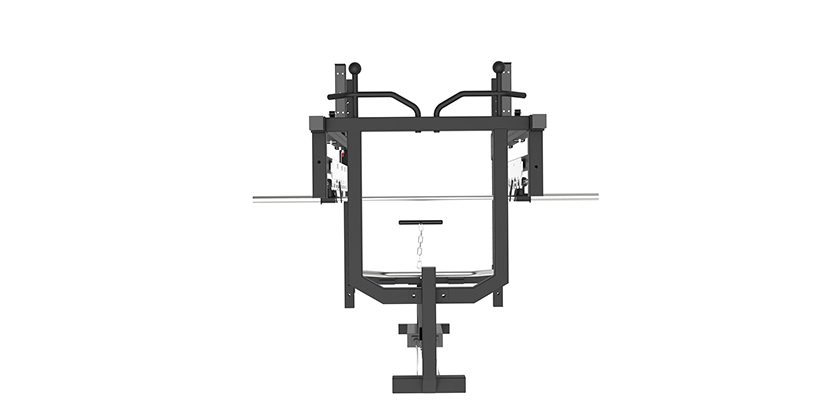
Evaluating a factory's technical capability requires looking beyond the aesthetic finish. To ensure a power rack functional trainer meets international commercial standards, procurement specialists should demand specific technical benchmarks for critical wear components. A high-tier manufacturer will provide detailed data on material thickness and component durability to mitigate the risk of premature part failure during transit or heavy operation.
Technical Component Inspection Standards
The following table outlines the essential inspection points used to differentiate professional-grade manufacturing from lower-tier production. Use these metrics to vet supplier technical sheets and ensure long-term durability for your inventory.
| Component Category | Critical Inspection Metric | Commercial Standard Expectation |
|---|---|---|
| Steel Frame | Powder Coating Thickness | Minimum 80-100 microns for scratch resistance |
| Cable System | Tension & Elasticity Testing | High-density nylon/steel core with fatigue resistance |
| Pulley Mechanism | Rotational Smoothness | Zero lateral play under constant load cycles |
| Weight Stack | Stability & Guide Rod Precision | Smooth vertical travel without oscillation or friction |
When managing heavy duty functional trainer shipping, these standards also serve as a baseline for pre-shipment inspections. Ensuring that the powder coating is uniform and the cable tension is calibrated prevents the "out-of-box" assembly issues that often plague low-quality imports.
Logistics and Export Packaging Standards
Reliable heavy duty functional trainer shipping requires more than just a standard pallet. Because of the high mass and awkward dimensions of commercial units, export packaging must be engineered to survive the rigors of sea freight durability requirements. High-tier suppliers utilize reinforced steel crates rather than simple corrugated cardboard to prevent structural deformation during multi-container stacking.
To protect sensitive components like pulley systems and electronic consoles, specialized moisture protection is mandatory. This includes vacuum-sealed polybags and desiccants to prevent oxidation and rust during long-duration transit through varying humidity zones. For distributors, investing in these rigorous packaging protocols is the only way to ensure a zero-damage arrival and minimize costly replacement claims for damaged inventory.
The Financial Impact of Inspection Neglect
For distributors and gym facility owners, the true cost of a power rack functional trainer extends far beyond the initial invoice. Skipping a formal commercial gym equipment inspection often leads to the hidden costs of damaged shipments, such as unexpected customs delays, high return freight fees, and the logistical nightmare of replacing bent steel or scratched powder coatings mid-installation.
Investing in a professional third-party audit or factory-level quality control provides a high ROI of quality assurance by neutralizing these variables. Rather than reacting to faulty arrivals, proactive buyers secure predictable margins, ensuring that heavy-duty units arrive structurally sound and ready for immediate commercial deployment.
Cost-Benefit Analysis of Inspection Strategies
Choosing an inspection level requires balancing your procurement budget impact against the potential for catastrophic logistics failure. While a zero-inspection approach reduces upfront costs, it significantly increases the risk of receiving compromised heavy duty functional trainer shipping units that fail to meet commercial standards upon arrival.
| Inspection Strategy | Upfront Cost Level | Logistics & Defect Risk | Primary Procurement Goal |
|---|---|---|---|
| No Inspection | Minimal | Very High (Unforeseen freight/returns) | Low-budget/Short-term retail |
| Basic Visual Check | Low | Moderate (Surface/Cosmetic issues) | Standard distributor replenishment |
| Full Technical Audit | Moderate | Low (Structural/Functional certainty) | High-end commercial facility rollout |
A full audit ensures that every moving part of the power rack functional trainer—from pulley smoothness to weld integrity—is verified before it leaves the factory. For high-volume distributors, this preemptive spend is a strategic safeguard against the high cost of onsite assembly failures and client dissatisfaction.
Prioritizing strength equipment quality assurance is a fundamental component of distributor risk management. By verifying structural tolerances and weight-bearing stability before the container is sealed, buyers protect their long-term TCO. This strategic oversight minimizes replacement costs and prevents the erosion of profit margins caused by shipping damaged or non-compliant inventory to end-users.