Selecting a Durable Half Rack for Home Gym Setup Guide
Optimizing Inventory Margins with High-Demand Residential Racks
Distributors catering to boutique studios and high-end home gym installers often face a dilemma between high-volume low-margin items and specialized premium gear. Providing the best half rack for home gym use allows you to capture the growing residential market by offering a product that balances a compact footprint with professional-grade stability.
The Link Between Structural Integrity and Profitability
For wholesalers, the economic value of a product is not just the initial sale price, but the long-term impact on your reputation and logistics costs. Prioritizing residential gym equipment durability is a strategic move to protect your margins. When a unit lacks sufficient structural integrity, it leads to increased customer complaints and high return reduction failures, which directly erodes your net profit through shipping overhead and restocking fees.
By sourcing racks with reinforced steel gauges and precision welding, you improve your turnover rates. Reliable equipment builds trust with end-users and installers, ensuring repeat orders and reducing the technical support burden on your sales team. High-quality manufacturing capability is the most effective way to ensure that your inventory remains a high-velocity asset rather than a liability in your warehouse.
To effectively segment your catalog, you must distinguish between entry-level models and professional-grade configurations. Selecting the right tier depends on whether your client is a casual home enthusiast or a professional boutique studio requiring higher utility. Understanding these strength training rack specifications allows you to manage expectations regarding weight loads and accessory modularity.
Tier Comparison: Entry-Level vs. Professional Grade
| Specification Metric | Entry-Level (Home Enthusiast) | Premium Grade (Boutique Studio) |
|---|---|---|
| Typical Footprint | Compact / Minimal | Standard / Expanded |
| Weight Capacity | 300 – 500 lbs | 600 – 1,000+ lbs |
| Accessory Compatibility | Limited (Basic J-cups) | High (Dip bars, Landmines, Lat pulldowns) |
| Primary ROI Driver | Low MOQ / High Turnover | Longevity / High-Margin Specialized Sales |
| Maintenance Cycle | Occasional Inspection | Routine Professional Checklists |
From a procurement standpoint, the premium tier offers a higher ROI per unit through specialized accessory upsells, whereas the entry-level tier drives volume and market penetration. A robust half rack maintenance checklist should be provided with premium units to ensure facility longevity and reduce warranty claims for your distributors.
Logistics and Long-Term Asset Management
Minimizing the total cost of ownership (TCO) requires looking beyond the unit price to the hidden expenses of logistics and upkeep. For international distributors, the risk of shipping damage can quickly negate profit margins if the product lacks sufficient shipping durability. We recommend sourcing units with optimized packaging density and reinforced structural components to withstand long-haul transit without misalignment.
Furthermore, the quality of the powder coating quality is a critical indicator of long-term value; a high-grade finish prevents oxidation and unsightly wear in residential environments, reducing the need for replacements. To ensure a smooth user experience and lower support tickets, prioritize assembly ease with standardized bolt patterns and clear instruction sets. A professional half rack maintenance checklist—focusing on bolt tension and lubrication of moving parts—should be part of your standard value-add to protect the client's investment and your brand reputation.
Evaluating Strength Training Rack Specifications for Structural Integrity
Professional buyers must distinguish between lightweight consumer models and high-performance units by analyzing specific strength training rack specifications. True structural integrity is defined by the gauge of the steel and the quality of the finish, ensuring the equipment survives high-frequency use in boutique studios or residential training environments without deformation.
When sourcing, the primary metric for durability is the steel thickness. We typically recommend 11-gauge steel for high-load applications, as it offers significantly more rigidity than the 14-gauge or 16-gauge options often found in budget-tier residential equipment. Furthermore, a high-grade powder coating is essential to prevent oxidation and surface degradation caused by sweat and environmental moisture.
| Specification Metric | Entry-Level Residential | Premium/Semi-Commercial | Commercial Grade |
|---|---|---|---|
| Steel Gauge | 14-gauge or 16-gauge | 11-gauge steel | Heavy-duty 7-gauge or 11-gauge |
| Load Capacity | Low to Moderate | High/Stable | Extreme/Maximum |
| Finish Type | Standard Paint | Electrostatic Powder Coat | Industrial UV-Resistant Coating |
| Primary Use Case | Casual Home Use | Boutique/Personal Studio | High-Traffic Commercial Gym |
For distributors and facility managers, selecting a unit with superior load-bearing capacity and robust steel construction reduces long-term replacement costs. Investing in higher-gauge steel provides a better ROI by extending the product lifecycle and minimizing maintenance requirements over time.
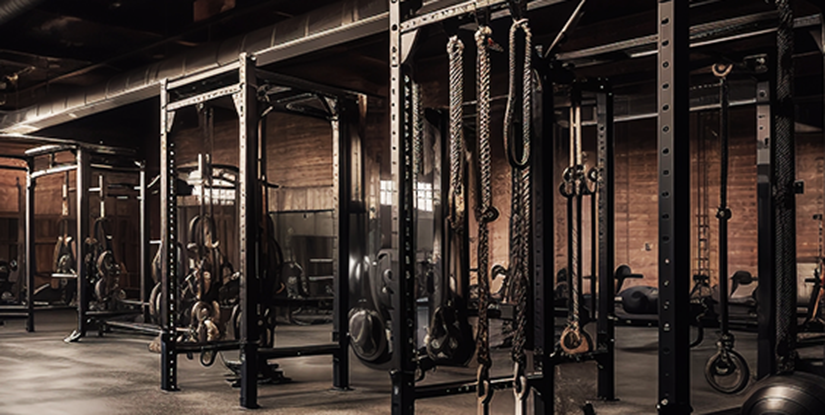
Distinguishing between assembly methods is another critical factor for long-term stability. While lighter models often rely on basic bolt-together designs for easier shipping and lower freight costs, professional-grade units prioritize more permanent connection types to minimize vibration and frame sway during heavy compound lifts.
| Feature Metric | Standard Residential | Professional/Boutique Grade |
|---|---|---|
| Steel Thickness | 14-gauge to 16-gauge | 11-gauge or thicker |
| Connection Type | Standard Bolted Assembly | Reinforced Bolted or Welded Joints |
| Weight Capacity | 300–600 lbs (approx.) | 800–1,000+ lbs (approx.) |
| Stability Profile | Higher vibration/movement | Minimal oscillation/Rigid |
From a procurement standpoint, the choice between these grades often involves a trade-off between initial shipping volume and long-term residential gym equipment durability. While bolted configurations are easier to palletize and lower the MOQ impact on small-scale logistics, professional-grade welding or reinforced hardware provides the rigidity required for high-intensity training environments.
Optimizing Total Cost of Ownership Through Maintenance and Durability
For distributors and studio owners, the true value of the best half rack for home gym environments is found in the total cost of ownership (TCO) rather than the initial invoice price. A lower upfront cost often masks high long-term expenses caused by frequent component replacement and labor-intensive upkeep. High-quality finishes, such as industrial-grade electrostatic powder coating, do more than provide aesthetics; they protect the steel from oxidation, preserving the unit's resale value and structural integrity in humid or high-use settings.
Effective asset management requires a consistent half rack maintenance checklist to prevent premature failure. Buyers should prioritize units designed for easy accessibility to moving parts. A standard protocol includes monitoring wear and tear on adjustment points, such as J-cups and spotter arms, to ensure smooth movement and prevent scoring of the uprights. Additionally, implementing scheduled bolt tightening cycles—typically every six months or after heavy seasonal usage—prevents frame oscillation and maintains the rigid profile essential for safety.
Footprint Optimization and Spatial Constraints in Boutique Settings
Boutique studio owners and distributors must navigate the critical trade-off between equipment utility and usable floor area. Optimizing a facility's footprint involves selecting a model that offers high-density functionality without compromising the structural stability required for heavy compound movements. When sourcing the best half rack for home gym applications or small-scale commercial studios, the goal is to maximize vertical utility while minimizing the horizontal shadow cast by the unit.
In high-rent urban environments, every square foot impacts the ROI of a studio layout. A half rack provides a strategic advantage over full power cages by offering a more open feel and easier access for multiple clients. However, procurement managers must ensure that the reduced footprint does not come at the expense of lateral stability or the ability to accommodate standard barbell lengths. Selecting a high-quality, compact solution allows for better traffic flow and client safety in constrained environments.
Evaluating different configurations is essential for aligning equipment density with available square footage. While a standard half rack provides the most balanced utility for general strength training, specialized versions may better suit specific spatial limitations. When reviewing strength training rack specifications, buyers should prioritize the relationship between the unit's base width and the required safety zone for barbell clearance.
| Configuration Type | Footprint Requirement | Versatility Level | Ideal Use Case |
|---|---|---|---|
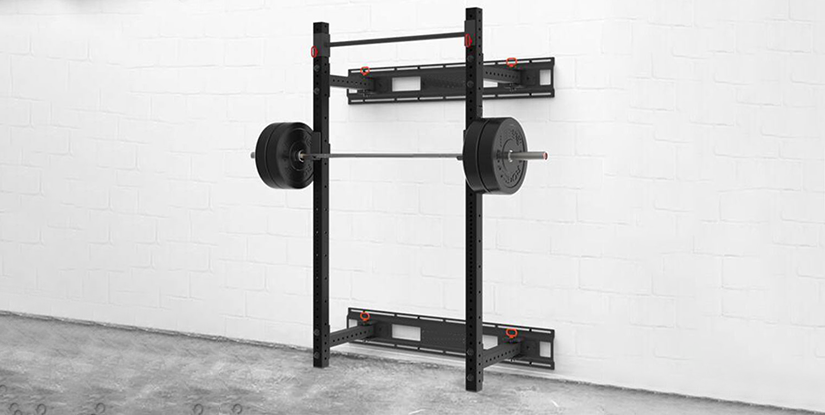
| Compact/Wall-Mounted | Minimal/Low | Moderate | Residential studios or high-rent urban boutiques |
| Standard Half Rack | Medium | High | Multi-functional training zones and small commercial gyms |
| Full Power Rack | Large/High | Maximum | Dedicated heavy lifting zones with high client turnover |
From a procurement standpoint, selecting a configuration involves more than just measuring floor space. Distributors should consider how each model impacts long-term maintenance requirements and equipment density. For instance, while wall-mounted units optimize space, they may have more rigid installation requirements compared to free-standing models. Balancing these variables ensures that the chosen equipment supports both the aesthetic goals of a boutique space and the rigorous durability demands of professional strength training.
Maximizing Long-Term ROI Through Durability and Upkeep
For distributors and facility managers, the total cost of ownership extends far beyond the initial purchase price. High-quality residential gym equipment durability is a primary driver of long-term ROI, as it reduces the frequency of replacement cycles and minimizes downtime in client-facing environments. When sourcing, prioritize units with high-gauge steel and premium powder coatings to ensure longevity against heavy daily usage.
To maintain structural integrity, implement a standardized half rack maintenance checklist. Regular protocols, such as routine bolt tightening and periodic coating inspection for scratches or oxidation, prevent minor wear from becoming costly structural failures. Furthermore, selecting footprint-efficient designs that utilize vertical space can significantly lower long-term operational costs by maximizing the revenue-generating potential of every square foot in a commercial or boutique setting.
Sourcing Residential Gym Equipment Durability via Material Standards
When sourcing the best half rack for home gym applications, distributors must distinguish between lightweight consumer models and high-performance residential equipment. True durability is dictated by the precision of strength training rack specifications, specifically regarding the gauge of the steel used in the uprights and crossmembers.
The Critical Role of Steel Gauge and Coating
The structural integrity of a rack depends heavily on the thickness of the steel tubing. For high-end residential or boutique studio setups, 11ga (11-gauge) steel is the industry standard for stability, whereas 14ga steel is often used in lower-cost, entry-level models. While 14ga steel reduces shipping weight and lowers the initial unit cost, it lacks the rigidity required for heavy compound movements. Furthermore, a high-quality electrostatic powder coating is essential to prevent oxidation and surface wear, ensuring the equipment remains aesthetically and structurally sound throughout its lifecycle.
Understanding the relationship between material specifications and long-term Total Cost of Ownership (TCO) is essential for professional buyers. A lower initial purchase price often conceals higher long-term maintenance costs or premature replacement needs caused by subpar steel thickness or inadequate surface protection.
Material Grade and Performance Comparison
| Steel Thickness (Gauge) | Typical Weight Capacity | Surface Coating Type | Estimated Maintenance Frequency | ROI Profile |
|---|---|---|---|---|
| 11-Gauge (Heavy Duty) | High (400kg+) | Premium Electrostatic Powder | Low (Annual Inspection) | Long-term (High Durability) |
| 14-Gauge (Standard) | Moderate (250kg+) | Standard Powder Coat | Medium (Bi-annual Check) | Mid-term (Balanced Cost) |
| 16-Gauge (Entry Level) | Light (150kg-) | Basic Paint/Finish | High (Frequent Inspection) | Short-term (Low Initial Cost) |
From a procurement standpoint, selecting the 11-gauge standard minimizes the risk of structural fatigue during high-intensity training. For distributors managing a product catalog for boutique studios, investing in premium coatings reduces the frequency of aesthetic touch-ups and prevents rust in humid environments, ultimately protecting the brand's reputation for quality.
Quality Control and Logistics Protocols
To ensure the highest standards of residential gym equipment durability, procurement teams should implement a rigorous inspection process before shipment. A standard half rack maintenance checklist for incoming inventory must include a detailed weld inspection to identify any porosity, cracks, or uneven beads that could compromise structural stability under heavy loads. Additionally, testing the powder coating durability through a cross-hatch adhesion test ensures the finish can withstand repeated contact with steel plates and barbell knurling without chipping.
Logistical planning is equally vital to preventing damage during transit. High-quality manufacturers utilize reinforced, multi-layered corrugated packaging to protect heavy steel components. When negotiating with factories, confirm that their logistics/packaging for structural protection includes customized foam inserts and edge protectors. This prevents micro-fractures in the frame and ensures the unit arrives at the end-user's facility in a retail-ready state, significantly reducing the rate of returns and warranty claims for the distributor.
Standardized Protocols for Long-Term Equipment Reliability
Reliability in a residential or boutique setting depends heavily on the manufacturer's adherence to rigorous quality control standards. For distributors and facility managers, sourcing equipment that meets specific strength training rack specifications ensures that the hardware can withstand repetitive heavy loading without structural fatigue or weld failure.
Evaluating Structural Integrity and TCO
When procuring a half rack, the total cost of ownership (TCO) is driven by residential gym equipment durability. A lower initial purchase price often leads to higher long-term costs if the frame lacks the necessary gauge thickness or precision engineering. High-quality manufacturing protocols minimize the need for frequent part replacements and mitigate the risks of mechanical instability over years of use.
| Procurement Factor | Standard Consumer Grade | Professional/Boutique Grade |
|---|---|---|
| Steel Gauge/Thickness | Lower gauge (thinner) | High-gauge heavy-duty steel |
| Weld Consistency | Variable/Manual | Standardized/Precision welding |
| Long-term ROI | Lower (higher replacement rate) | Higher (extended lifecycle) |
| Maintenance Frequency | Moderate to High | Low/Minimal |
Material Grade and Coating Specifications
Selecting the best half rack for home gym environments requires a technical understanding of how surface treatments impact metal longevity. While thin-gauge steel might satisfy basic weight requirements, the quality of the powder coating dictates how the unit survives humidity and high-frequency contact. For distributors, balancing the durability vs cost trade-off is essential to ensure the product does not arrive with surface imperfections that lead to premature oxidation.
| Material Specification | Standard Powder Coating | Premium Electrostatic/UV Coating |
|---|---|---|
| Steel Thickness | 11-gauge (approx. 3mm) | 7-gauge to 11-gauge heavy-duty |
| Coating Durability | Standard scratch resistance | High impact & chemical resistance |
| Maintenance Requirements | Annual inspection for rust/chips | Minimal; periodic wipe-down |
| Typical Service Life | 3–5 years in high-use settings | 8+ years in varied environments |
A rigorous half rack maintenance checklist should include checking bolt torque and inspecting coating integrity every six months. For B2B buyers, prioritizing high-grade electrostatic finishes provides a significant advantage in reducing warranty claims and long-term service calls.
Operational Maintenance and Longevity Protocols
To protect the investment and ensure consistent performance, facility managers should implement a recurring maintenance schedule. A systematic half rack maintenance checklist prevents minor mechanical issues from evolving into costly structural failures or safety liabilities.
Routine inspections should focus on several critical touchpoints to ensure long-term structural stability. First, perform regular bolt tightening across all connection points; heavy loading and vibration can naturally loosen hardware over time. Second, apply specialized lubrication to moving parts, such as J-cups or adjustable upright pins, to prevent friction-induced wear. Finally, conduct a quarterly wear inspection to identify any chipping in the powder coating or micro-fractures in the welds. By addressing these small variables proactively, distributors and gym owners can maximize the lifespan of the equipment and maintain a high standard of safety for end-users.
Logistics and Assembly Considerations for B2B Distribution
Sourcing the best half rack for home gym segments requires a strategic balance between high-gauge steel density and freight efficiency. For distributors and boutique studio owners, the primary challenge lies in managing the tension between heavy-duty structural integrity and the rising costs of international shipping volumes.
Optimizing Freight and Structural Integrity
When evaluating factory specifications, procurement managers must scrutinize the relationship between weight distribution and shipping dimensions. A rack designed with excessively thick steel tubing may offer superior durability, but it simultaneously increases the volumetric weight, leading to higher landed costs. To maximize ROI, look for manufacturers that utilize advanced nested packaging techniques. Efficient freight optimization ensures that while the footprint remains compact for residential installations, the frame maintains the rigidity required for heavy compound movements without excessive dimensional weight penalties.
Distributors must decide between Knock-Down (KD) configurations and Pre-assembled units based on their specific market positioning and storage capabilities. This decision directly impacts the final landed cost, the complexity of the customer unboxing experience, and the long-term maintenance of the product's structural precision.
Configuration Comparison for Inventory Management
| Configuration Type | Assembly Complexity | Average Assembly Time | Shipping Cost/Volume | Storage Footprint | Ideal Market Segment |
|---|---|---|---|---|---|
| Knock-Down (KD) | High (Requires Tools) | 45–90 Minutes | Low (Compact/Nested) | Minimal | Direct-to-Consumer/E-commerce |
| Pre-assembled | Low (Plug-and-Play) | < 15 Minutes | High (Large Volume) | Significant | Boutique Studios/Local Retail |
When reviewing strength training rack specifications, ensure that KD models include high-grade hardware to prevent loosening over time. While pre-assembled units offer a premium "ready-to-use" feel that appeals to high-end residential clients, the increased shipping volume can significantly erode margins. For large-scale warehouse operations, the KD model typically offers the best residential gym equipment durability-to-cost ratio by reducing freight-related damage risks during transit.
Operational Longevity and Quality Control
Maintaining a consistent standard of excellence requires more than just high-quality initial production; it demands a rigorous half rack maintenance checklist to ensure long-term reliability. For facility managers and distributors, proactive oversight prevents the gradual degradation often seen in high-traffic residential or boutique environments.
Regular inspections should focus on three critical areas of structural health. First, verify the powder coating integrity; any chips or scratches in the finish can expose the steel to oxidation, compromising the frame's longevity. Second, perform periodic checks on bolt tension across all connection points to mitigate vibrations from heavy lifting. Finally, monitor the uprights and J-cups for signs of wear and tear, such as scoring or misalignment. Prioritizing these small adjustments ensures that the equipment retains its commercial-grade durability, protecting the buyer's investment and maintaining the safety standards expected in professional-grade home gym setups.