How to Choose the Best Squat Rack for Your Home Gym
Optimizing Inventory Margins Through High-Demand Squat Rack Selection
When a boutique studio owner or a high-end residential fitness distributor evaluates their procurement list, they often face a dilemma: whether to stock entry-level models or premium heavy-duty units. While the initial price point of a home gym power rack can be tempting, focusing solely on the lowest cost often leads to higher replacement rates and diminished customer satisfaction. To find the best squat rack for home use, one must look beyond the sticker price and evaluate the budget vs. durability equation through a professional lens.
Investing in mid-to-high tier equipment provides significantly better long-term value by ensuring structural integrity under heavy progressive loading. For distributors, sourcing units with superior steel gauge and reinforced welding isn't just about quality; it is a strategic move to reduce warranty claims and build brand trust. A well-chosen piece of strength training equipment serves as a foundational asset that remains functional for years, rather than a disposable item that requires frequent upgrades.
To assist in your procurement planning, we have categorized the market into three distinct tiers. This comparison serves as a practical strength training equipment guide to help you align your inventory or personal purchase with specific user needs and spatial constraints.
| Tier Level | Typical Features | Space Requirements | Safety Focus |
|---|---|---|---|
| Entry-Level | Basic uprights, minimal accessories | Compact/Small footprint | Standard J-cups |
| Mid-Range | Improved steel gauge, pull-up bars | Standard Residential | Spotter arms & safety pins |
| Premium | Full modularity, heavy-duty plating | Dedicated Gym Space | Advanced catch systems & bracing |
Understanding these tiers is essential when searching for the best squat rack for home use. While entry-level models offer lower upfront costs, a home gym power rack with enhanced squat rack safety tips—such as integrated spotter arms—is often the superior investment for long-term stability and user confidence.
Beyond the initial purchase price, smart buyers must account for the total cost of ownership to avoid unexpected overhead. One of the most frequent pitfalls in procurement is overlooking shipping considerations; heavy-duty steel components are high-density items, and freight costs can significantly inflate the final landed cost. When sourcing the best squat rack for home use, always request a comprehensive quote that includes crating and door-to-door delivery fees to prevent budget creep.
Furthermore, evaluate the assembly complexity before finalizing an order. While a modular home gym power rack might offer lower shipping volumes, it often requires more labor-intensive setup. High assembly complexity can lead to improper installation, which directly compromises squat rack safety tips regarding bolt tension and structural alignment. To ensure a seamless experience, prioritize equipment that offers intuitive assembly and clear technical documentation, ensuring your investment remains both cost-effective and structurally sound.
Evaluating Structural Integrity and Safety Standards for Residential Use
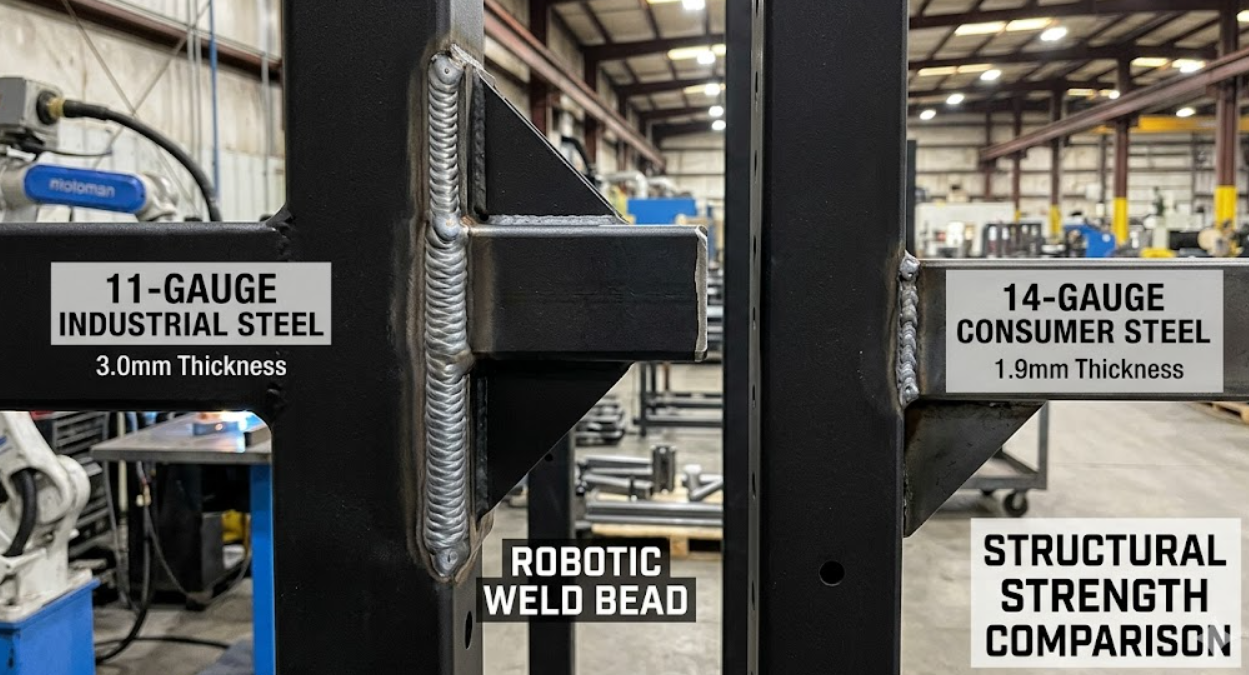
When sourcing equipment for a private fitness space, the most common mistake is overlooking the metallurgical specifications. A flimsy frame isn't just a performance issue; it is a fundamental safety risk. To find the best squat rack for home use, you must look beyond the aesthetic and scrutinize the steel gauge and frame thickness. In the manufacturing sector, high-quality heavy-duty construction typically relies on 11-gauge or 12-gauge steel to ensure the structure remains rigid under tension.
A superior home gym power rack must offer a high weight capacity that accounts for both the loaded barbell and the dynamic force of heavy lifting. If the steel is too thin, the rack may experience structural fatigue or even catastrophic failure over time. When evaluating your options, always prioritize equipment built with thick-walled tubing, as this provides the necessary stability for long-term, high-intensity strength training equipment guide standards, ensuring your investment remains a safe cornerstone of your training regimen for years to come.
To effectively navigate this strength training equipment guide, we recommend matching your specific training style to the appropriate steel thickness comparison. Not every user requires a commercial-grade heavy lifter, but choosing the wrong specification can lead to premature wear or instability.
Below is a practical breakdown to help you determine the necessary durability levels for your setup:
| Steel Gauge | Typical Use Case | Durability Profile |
|---|---|---|
| 11-Gauge (Thickest) | Heavy Compound Lifts / Powerlifting | Extreme / Professional |
| 12-Gauge (Standard) | Advanced Strength Training | High / Long-term |
| 14-Gauge (Lightweight) | General Fitness / Calisthenics | Moderate / Entry-level |
While a 14-gauge home gym power rack might be more budget-friendly and easier to transport, it lacks the structural rigidity required for high-intensity explosive movements. For those serious about progressive overload, investing in 11 or 12-gauge steel ensures that your best squat rack for home use can withstand the dynamic stress of heavy barbell work without wobbling or bowing.
Beyond the thickness of the steel, true stability is determined by how the unit interacts with your floor and manages weight distribution. A common oversight in residential setups is neglecting the footprint and the mounting options. Even the highest-grade steel will feel unstable if the base design is insufficient or if the load is unevenly distributed across the uprights. To ensure long-term structural integrity, look for models with wide base dimensions that provide a low center of gravity.
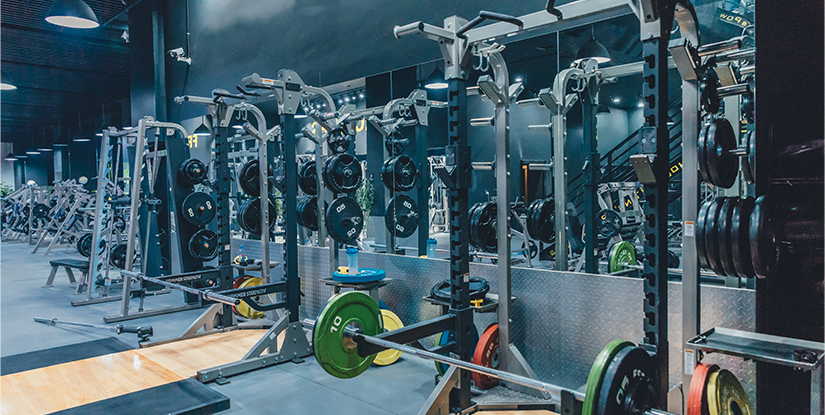
As part of your essential squat rack safety tips, always verify if the rack is designed for floor mounting. While many home users prefer a free-standing model for portability, a bolt-down system significantly reduces lateral movement and prevents micro-wobbles during heavy sets. If you choose a non-mounted version, ensure the feet are engineered for maximum surface contact. High-quality manufacturers often include adjustable leveling feet to compensate for uneven residential flooring, which is a critical factor in maintaining a level, safe, and reliable lifting environment.
Balancing Footprint and Functionality in Limited Home Gym Spaces
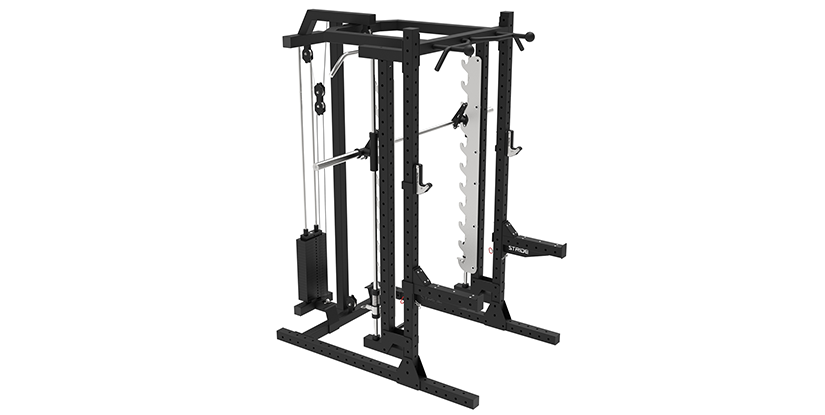
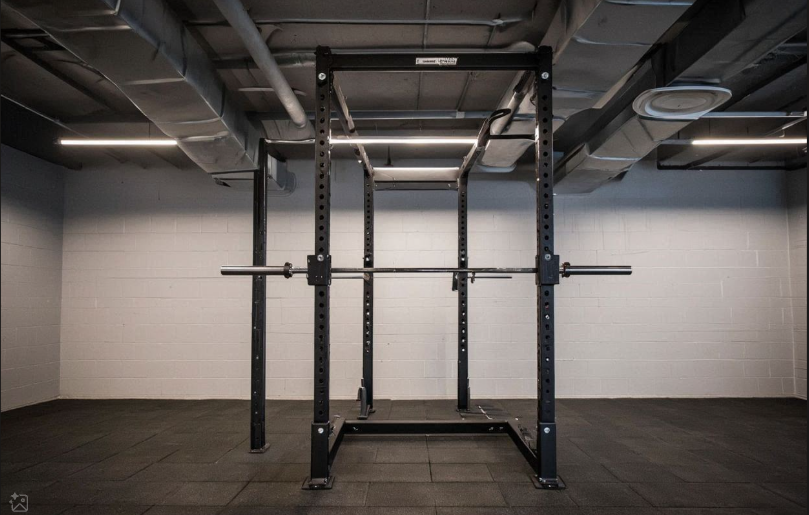
The most common hurdle in residential fitness design is the spatial dilemma. Unlike commercial facilities with expansive footprints, home setups are often constrained by garage dimensions or spare room square footage. When searching for the best squat rack for home use, buyers frequently encounter a critical trade-off between footprint vs. functionality. A heavy-duty, full-size home gym power rack offers unparalleled stability and accessory integration, but it requires significant clearance for movement and safety. Conversely, more compact alternatives maximize floor area but may limit your long-term progression or accessory options.
Understanding how much floor space your equipment will actually occupy is vital for a successful build. We recommend evaluating not just the base dimensions, but the "working zone" required for barbell loading and safety maneuvers. To help you visualize the spatial requirements, consider the following comparison of common configurations:
| Rack Configuration Type | Typical Footprint | Storage Capability | Ideal Use Case |
|---|---|---|---|
| Full Power Cage | Large / Extensive | High (Integrated Plate/Barbell Racks) | Serious strength athletes in dedicated rooms |
| Half Rack | Moderate | Medium (Often requires side attachments) | Multi-purpose garage gym setups |
| Squat Stand | Minimal | Low (Basic barbell storage only) | Tight spaces or budget-conscious builds |
Selecting the right model depends on whether you prioritize a robust strength training equipment guide approach—investing in a permanent fixture—or a flexible, space-saving solution that can be moved or scaled as your training evolves.
When planning your layout, remember that the actual dimensions of the steel frame are only half the story. A high-quality home gym power rack requires a "buffer zone" for barbell plate loading and user movement. If you choose a model that is too tight for your specific environment, you may compromise on essential squat rack safety tips, such as the ability to step back safely during a heavy lift or maneuver weight plates without hitting walls.
In our professional strength training equipment guide, we emphasize that the best squat rack for home use is the one that balances your physical ceiling with your available floor area. For instance, a squat stand might save space, but a full cage offers the structural integrity needed for advanced movements. Before finalizing your procurement, always measure your ceiling height and ensure there is sufficient clearance for the barbell's arc of motion to prevent any structural or safety-related setbacks.
Before finalizing your layout, it is essential to account for more than just the static dimensions of the steel frame. A high-quality home gym power rack requires a dedicated "buffer zone" for both the lifter and the equipment. One of the most overlooked squat rack safety tips involves failing to account for barbell length considerations; a standard Olympic barbell typically measures 2.2 meters (approx. 7 feet) in length. If your rack is placed too close to a wall or a structural pillar, you will lack the necessary clearance zones required to load and unload weight plates smoothly.
We advise clients to measure the "total working width" rather than just the rack width. This includes the length of the barbell plus the diameter of the plates currently in use. To ensure a safe training environment, maintain at least 1.5 to 2 feet of unobstructed space on either side of the bar. Neglecting these clearance zones can lead to equipment damage or, more critically, an inability to safely bail during a heavy lift, which is why precise spatial planning is a cornerstone of any professional strength training equipment guide.
Maintaining Structural Integrity and Longevity
Investing in high-quality strength training equipment is a long-term commitment to your physical development. However, even the highest-grade home gym power rack requires consistent attention to remain a reliable asset. To ensure your setup remains safe under heavy loads, you must prioritize structural integrity through proactive care. Over time, the vibrations from heavy lifting and constant weight changes can affect the assembly, making it vital to perform routine inspections every few months.
A critical aspect of home gym power rack maintenance is regular bolt tightening. Check all connection points to ensure that hardware hasn't loosened due to mechanical stress. Additionally, you should periodically test your weight capacity stability by checking for any slight wobbles or unevenness in the frame. By addressing these minor adjustments early, you prevent cumulative wear and ensure that your equipment continues to perform at peak safety standards throughout its functional lifespan.
Routine Maintenance Checklist for Peak Performance
To ensure you are utilizing the best squat rack for home use, you must implement a systematic approach to upkeep. Wear and tear often occur at high-friction contact points, which can compromise both your training flow and equipment longevity. Follow this practical checklist to maintain your strength training equipment guide standards:
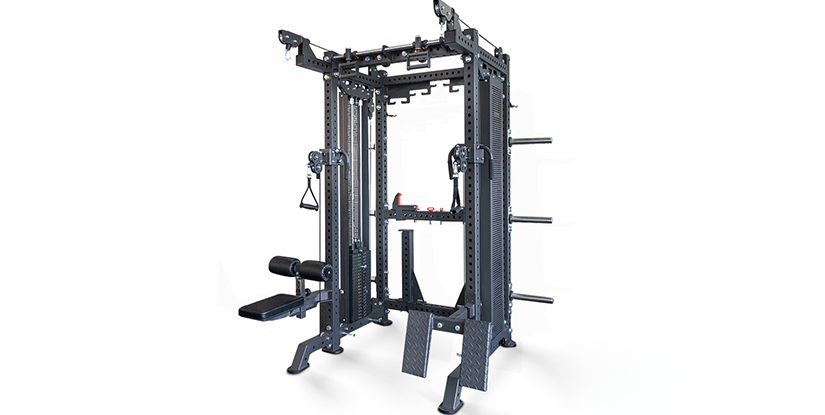
- Lubrication of Moving Parts: Apply a thin layer of silicone-based lubricant to any sliding mechanisms or adjustable uprights to prevent friction-induced sticking.
- J-Cup and Safety Bar Alignment: Regularly inspect J-cups and safety bars to ensure they sit perfectly level. Misalignment can lead to uneven weight distribution and structural stress.
- Barbell Knurling Contact Points: Examine the areas where the barbell rests on the rack. Ensure there is no buildup of debris or oxidation that could affect the grip or stability.
- Fastener and Bolt Integrity: Periodically check all hardware for tightness, especially after heavy lifting sessions, to maintain the safety features of your setup.
Consistent attention to these details guarantees that your home gym power rack remains a safe, high-performing centerpiece for your fitness journey.
To simplify your upkeep schedule, we have provided a quick-reference guide below. Understanding the distinction between routine care and critical replacement is essential for long-term squat rack safety tips. Neglecting these indicators can compromise the structural integrity of your home gym power rack, turning a reliable tool into a liability.
| Component / Action | Maintenance Frequency | Replacement Indicators | Primary Goal |
|---|---|---|---|
| Frame & Uprights | Monthly Inspection | Visible surface oxidation or deep pitting | Rust prevention |
| Bolts & Fasteners | Quarterly Check | Stripped threads or rusted heads | Structural Stability |
| J-Cups & Safety Bars | Pre-Session Check | Deformation or significant bending | Safety protocols |
| Surface Coating | Bi-Annually | Chipped paint or exposed raw steel | Routine cleaning & Protection |
By adhering to these strength training equipment guide standards, you ensure that your best squat rack for home use remains a durable, high-performance asset for years to come.
Prioritizing Structural Integrity and Material Quality
When sourcing equipment, the most common mistake is overlooking the fundamental build quality in favor of aesthetics. A premium home gym power rack must serve as a reliable foundation for heavy lifting, which starts with the thickness of the steel. When evaluating the best squat rack for home use, you should prioritize a high steel gauge—typically 11-gauge or 7-gauge steel—to prevent bending or structural failure under heavy loads. This level of density ensures long-term structural stability, even during high-intensity training sessions.
Beyond the metal itself, the finish plays a critical role in the lifespan of your investment. A high-quality powder coating is essential to protect the steel against moisture, oxidation, and the inevitable scratches from weight plates. This professional-grade finish not only enhances the visual appeal of your setup but also ensures the equipment remains functional and rust-free for years. Investing in these core structural elements is the most effective way to follow a professional strength training equipment guide and ensure your home setup remains safe and durable.
Understanding the nuance between different construction types is essential for long-term value. Depending on your training intensity, you may encounter various configurations, ranging from lightweight folding units to heavy-duty modular systems. To make an informed decision, we suggest reviewing this steel thickness comparison to align your budget with your actual durability levels.
| Material Specification | Typical Use Case | Estimated Weight Capacity |
|---|---|---|
| 14-Gauge Steel | Light/Recreational Lifting | Moderate |
| 11-Gauge Steel | Serious Strength Training | High |
| 7-Gauge Steel | Commercial/Heavy Duty | Extreme |
When selecting the best squat rack for home use, remember that a higher gauge number actually indicates thinner metal. For those moving toward competitive lifting, opting for the thicker 11-gauge standard provides the necessary structural integrity to handle progressive overload. This strength training equipment guide emphasizes that while lighter options save space, investing in heavier-duty steel prevents the need for frequent replacements as your strength increases.
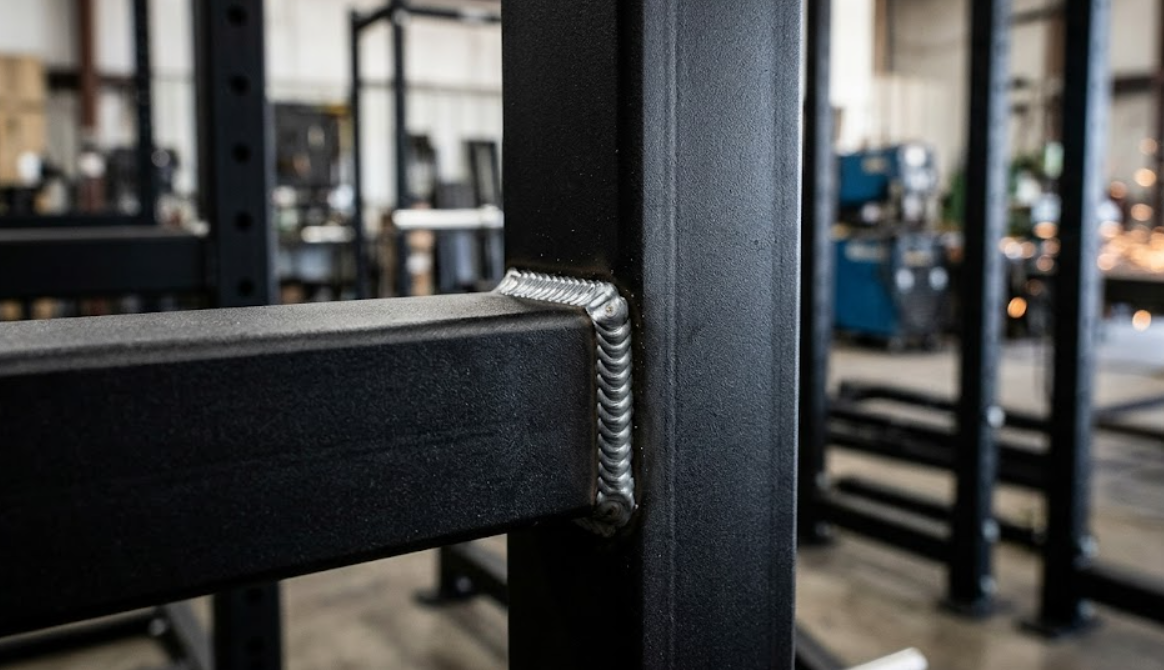
Beyond the raw steel gauge, true reliability is found in the fine details of assembly. To ensure you are following essential squat rack safety tips, conduct a rigorous inspection of the weld quality on all critical joints. Smooth, continuous welds indicate superior manufacturing, whereas pitted or uneven seams can become points of failure under tension. Furthermore, do not overlook bolt integrity; every fastener should be high-grade and seated perfectly to prevent wobbling during heavy sets. A high-quality home gym power rack relies on these microscopic details to maintain its shape over time. Always demand heavy-duty construction that utilizes reinforced connection points rather than thin, single-bolt attachments. Prioritizing these structural checkpoints ensures that your pursuit of the best squat rack for home use results in a lifetime of safe, uninterrupted progress.
Sourcing Reliable Hardware: What to Look for in a Manufacturer
When evaluating the best squat rack for home use, many buyers fall into the trap of prioritizing the lowest upfront cost. However, in the world of heavy-duty strength training equipment guide standards, there is a direct correlation between manufacturing standards and the safety of your training environment. Low-cost alternatives often utilize thinner steel gauges or inferior welding techniques, which can lead to structural instability under heavy loads.
Investing in a high-quality home gym power rack is about calculating long-term value rather than just looking at a price tag. A rack built with high-grade steel and precision engineering ensures durability vs. price trade-offs favor the user over time. Instead of replacing a flimsy unit every two years due to wobbling or rust, choosing a product from a manufacturer that adheres to strict quality control provides a lifetime of reliable service. This approach mitigates risk and ensures your equipment remains a stable foundation for your strength goals.
To make an informed decision, we recommend conducting a thorough cost-benefit analysis across three distinct price tiers. Understanding these levels is essential for anyone following a professional strength training equipment guide to avoid hidden expenses related to premature replacement or structural failure.
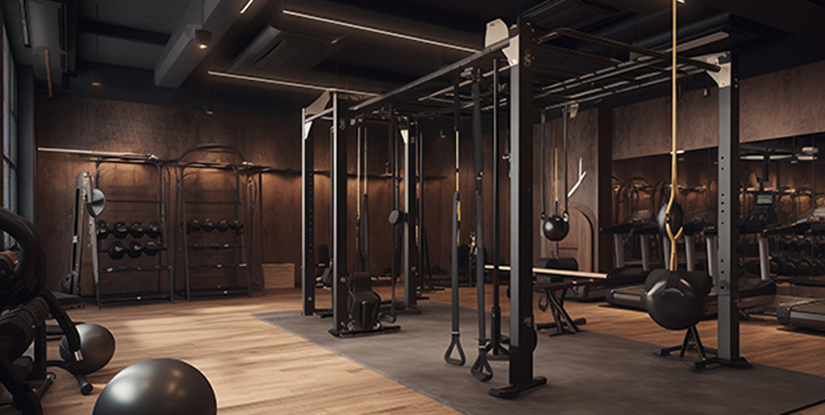
At the entry-level, you typically find lightweight frames designed for light resistance. While accessible, these often lack the material thickness required for progressive loading. In the mid-range, buyers usually find a balance of weight capacity and stability, making them a popular choice for serious enthusiasts. However, the premium tier is where professional-grade engineering resides. These units feature heavy-gauge steel and reinforced junctions, offering the highest weight capacity and long-term structural integrity.
When comparing options, do not simply look at the retail price. Evaluate the material thickness (such as 11-gauge vs. 14-gauge steel) and the total weight capacity. A slightly higher initial investment in a robust home gym power rack often results in a lower total cost of ownership, as the equipment can scale alongside your increasing strength levels without needing an upgrade.
Beyond the initial sticker price, savvy buyers must account for the "hidden costs" that often arise during the procurement process. One frequent oversight is failing to calculate total shipping costs; heavy, high-gauge steel units incur significant freight charges that can drastically alter your budget. Additionally, consider the assembly complexity of the unit. A low-cost model might seem attractive, but if it requires specialized tools or extensive labor to stabilize, the time and technical overhead become indirect expenses.
True value also lies in accessory compatibility. A versatile best squat rack for home use should allow for seamless integration of dip bars, landmines, or pull-up attachments without requiring a completely new system. Finally, never compromise on squat rack safety tips to save a few dollars. Opting for a unit with subpar hardware or inconsistent hole spacing can lead to catastrophic failure, making the "cheapest" option the most expensive mistake in your strength training equipment guide journey.
Long-Term Value and Maintenance of Premium Squat Racks
When sourcing equipment, many buyers make the mistake of focusing solely on the upfront price tag. However, a professional-grade strength training equipment guide will tell you that the true metric of success is the cost-per-use over several years. Selecting the best squat rack for home use is not just a purchase; it is a long-term investment in your physical development and safety.
Low-cost alternatives often utilize thin-gauge metal that can warp or bend under heavy loads, leading to premature replacement costs. In contrast, high-end models constructed from high-quality steel offer the structural integrity required for progressive overload. By prioritizing durability and robust welding standards during your selection process, you avoid the hidden expenses of frequent upgrades. Investing in a premium home gym power rack ensures that your setup remains stable and reliable, providing a consistent training environment that justifies the initial capital expenditure through years of heavy-duty service.
To visualize the long-term economic impact, it is essential to compare how different tiers of equipment handle regular use. While budget options may seem attractive initially, the cumulative costs of maintenance and frequent replacement often outweigh the savings. A premium home gym power rack is engineered to withstand significant wear and tear, whereas entry-level models often suffer from structural fatigue or loose connections after a few years of consistent heavy lifting.
The following comparison highlights why selecting the best squat rack for home use involves looking beyond the immediate invoice to the total lifecycle of the product:
| Feature | Budget-Friendly Models | Premium Performance Racks |
|---|---|---|
| Material Quality | Thin-gauge steel; lighter weight | Heavy-duty structural steel; high density |
| Expected Lifespan | 2–4 years under regular use | 10+ years with proper care |
| Maintenance Needs | Frequent bolt tightening/alignment checks | Minimal; periodic lubrication/cleaning |
| Value Proposition | Low entry cost; high replacement frequency | High initial investment; long-term reliability |
When following a professional strength training equipment guide, the goal is to minimize downtime. Choosing a high-spec rack reduces the risk of equipment failure, ensuring your training remains uninterrupted and your space remains safe.
Maximizing the lifespan of your investment requires more than just heavy lifting; it requires a disciplined approach to upkeep. To maintain the structural integrity of your home gym power rack, we recommend implementing a routine maintenance schedule that focuses on mechanical stability and environmental protection. One of the most critical squat rack safety tips involves regular bolt tightening. Over time, the vibrations from dropping weights or repetitive heavy sets can loosen fasteners; checking these connections monthly ensures the frame remains rigid and safe.
Furthermore, addressing friction and environmental factors will significantly extend the longevity of your gear. If your rack features adjustable components or sliding mechanisms, applying a specialized lubrication to the rails prevents binding and smooths out movement. To combat rust prevention issues, especially in humid home environments, keep the steel surfaces clean and free of sweat or moisture. A well-maintained rack does more than just preserve its resale value; it ensures that the best squat rack for home use remains a reliable, high-performing centerpiece of your training sanctuary for a decade or more.