Finding the Most Compact Power Rack for Small Spaces
Balancing SKU Diversity with High-Density Floor Plans
When scaling a fitness product catalog, distributors must navigate a complex trifecta of risk management, technical specifications, and logistics efficiency. Selecting the most compact power rack involves more than just finding a small footprint; it requires ensuring that the structural integrity meets commercial standards while maintaining a shipping volume that remains cost-effective. Buyers must evaluate whether a highly specialized piece of small space gym equipment will actually move in their local market or if the specialized dimensions will create unexpected complexities in last-mile delivery and warehousing.
From a procurement standpoint, the true investment value lies in balancing variety with footprint. Rather than filling a showroom with oversized, low-margin items, smart distributors focus on high-density, high-utility SKUs. By offering a diverse range of compact solutions, you can cater to the growing segment of home-gym enthusiasts and boutique studio owners without sacrificing valuable floor space. Investing in a versatile lineup of space saving squat rack models allows you to maintain a high SKU count and a broad market appeal while keeping your inventory footprint lean and your logistics overhead manageable.
To assist in your inventory planning, we have developed a comparison framework that highlights how different configurations impact both your capital expenditure and your showroom utility. When sourcing a space saving squat rack, the goal is to maximize the functional value per square foot of your warehouse or retail floor.
The following table outlines common market tiers to help you determine which model aligns with your target demographic's budget and your specific spatial constraints.
| Configuration Type | Typical Footprint | Versatility Level | Budget Tier |
|---|---|---|---|
| Minimalist Half Rack | Small (approx. 4' x 4') | Moderate | Entry-Level |
| Folding Wall-Mount | Ultra-Compact (Variable) | Low to Moderate | Budget-Friendly |
| Compact Full Cage | Medium (approx. 4' x 5') | High | Mid-Range |
| Modular Multi-Function | Medium/Large | Maximum | Premium |
Understanding these footprint dimensions allows you to better advise clients on small space gym equipment suitability. Whether you are stocking high-turnover entry-level models or premium modular systems, aligning the price point with the space-saving utility is essential for maintaining a healthy inventory turnover ratio.
Prioritizing Durability and Long-Term ROI
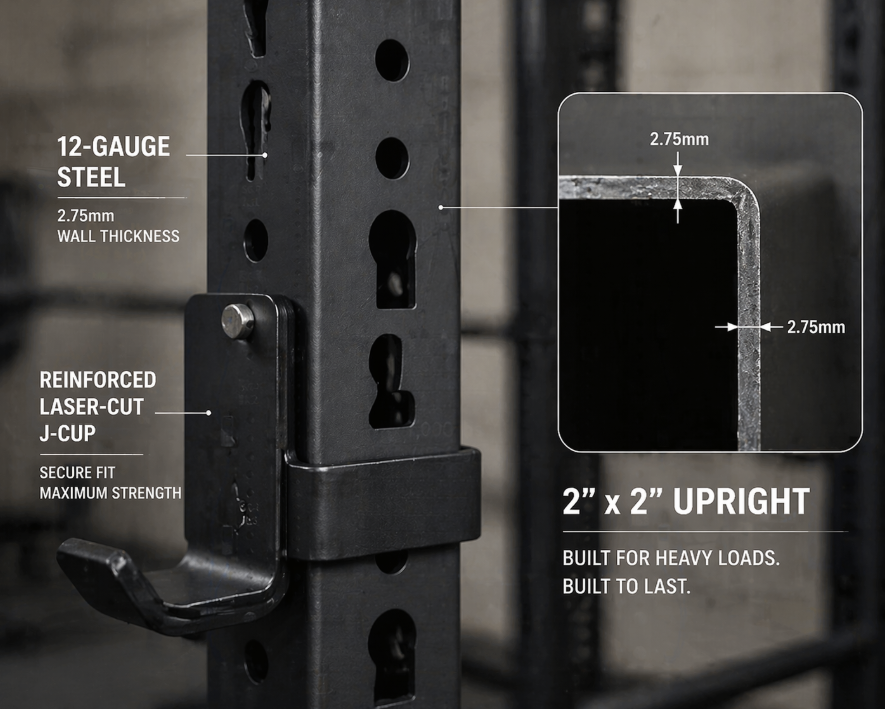
While the initial purchase price is a primary metric, professional buyers must look beyond the sticker cost to evaluate the long-term ROI of their inventory. In the world of small space gym equipment, there is often a temptation to source lower-cost, lightweight alternatives to keep prices competitive. However, avoiding cheap alternatives is critical for maintaining your reputation as a reliable supplier. Substandard quality of materials—such as thin-gauge steel or inferior powder coating—leads to premature wear, structural instability, and high return rates, which ultimately erodes profit margins.
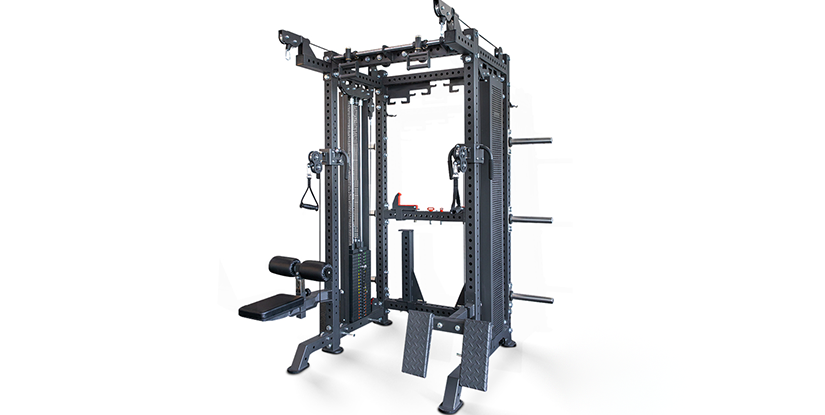
A high-quality, most compact power rack serves as a foundational piece of equipment. By prioritizing durability and heavy-duty construction, you ensure that the product remains a staple in the user's setup for years. This approach is a vital component of any comprehensive home gym footprint guide; it teaches clients that a smaller footprint should never mean a smaller standard of strength. Investing in premium, high-density steel configurations reduces the frequency of replacements and builds long-term trust with your end-users.
The Economic Impact of Footprint on Revenue per Square Foot
In the fitness industry, real estate is often the highest fixed cost. For boutique studios or high-end home gym developers, every square foot must justify its existence through utility or aesthetic value. When selecting small space gym equipment, the decision extends far beyond mere convenience; it is a strategic calculation of spatial efficiency. Choosing the most compact power rack allows operators to maximize the density of high-value training zones without sacrificing professional-grade functionality.
From a procurement standpoint, a larger equipment footprint often leads to "dead zones"—areas that are too cramped for safe movement but too large to be used for other amenities. By prioritizing a space saving squat rack, you optimize your revenue per square foot. This approach ensures that your facility layout remains fluid and high-performing, turning what could have been wasted floor space into additional revenue-generating territory or premium training areas.
Understanding the footprint vs. utility ratio is essential for long-term asset management. While a standard heavy-duty rack offers massive dimensions, it often creates an opportunity cost by consuming space that could otherwise house multiple specialized stations or functional training zones. A comprehensive home gym footprint guide suggests that the true value of equipment is not just its price point, but its ability to facilitate diverse training modalities within a constrained area.
When conducting a cost-benefit analysis, consider the longevity of your layout. A space saving squat rack that maintains structural integrity while occupying 30% less floor area provides a significantly higher return on investment (ROI) for space-constrained environments. This efficiency allows for higher member density in commercial settings or more versatile training options in residential builds. Rather than overspending on massive, underutilized structures, smart buyers focus on high-density, high-performance gear that scales with their facility’s needs without expanding its physical boundaries.
Ultimately, the strategic advantage lies in smart space planning. Selecting the most compact power rack is not merely a reaction to limited dimensions, but a proactive move toward maximizing small areas for diverse utility. By prioritizing high-density equipment that maintains professional-grade stability, you ensure investment longevity. This prevents the need for frequent, costly layout overhauls as your training requirements or facility density evolve.
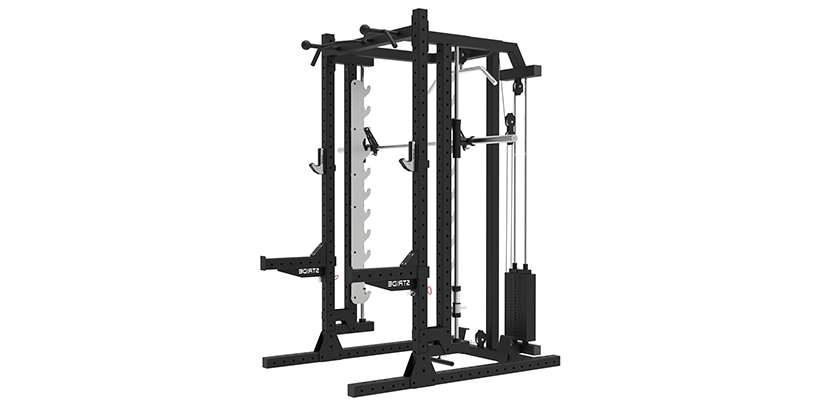
A well-calculated procurement strategy treats floor area as a finite, precious resource. Instead of viewing a smaller footprint as a compromise in quality, view it as an optimization of capital. Investing in a high-performance space saving squat rack ensures that your square footage remains versatile and high-yielding, providing a durable foundation that supports long-term growth without the physical limitations of oversized, inefficient machinery.
Structural Integrity vs. Compact Dimensions
A common concern among distributors and high-end home gym builders is the perceived trade-off between a minimal footprint and long-term reliability. It is a natural hesitation: can the most compact power rack truly handle heavy compound lifts without wobbling? Many buyers fear that reducing the physical dimensions inherently compromises the structural integrity of the unit, leading to a flimsy experience during high-intensity training.
However, true quality is determined by material density rather than sheer volume. When sourcing small space gym equipment, the focus must shift from the outer dimensions to the internal specifications. A premium space saving squat rack achieves its weight capacity through high-grade steel gauge—typically 11-gauge or 7-gauge steel—and precision engineering. The tension between stability vs. size is resolved through optimized base geometry and heavy-duty uprights. Even with a reduced footprint, a well-engineered rack maintains a rigid center of gravity, ensuring that your investment remains a stable, safe foundation for heavy lifting.
To select the right configuration, buyers should evaluate the design based on their specific usage frequency and installation environment. A comprehensive home gym footprint guide suggests that the choice between stability types often dictates the long-term viability of the setup.
For instance, wall-mounted vs. freestanding models serve vastly different operational needs. Wall-mounted units offer the ultimate in space efficiency, effectively eliminating the floor footprint, but they require professional installation into structural studs to manage high-velocity movements. Conversely, a freestanding space saving squat rack provides greater mobility and does not rely on building architecture, making it a more versatile option for multi-use rooms. When evaluating small space gym equipment for commercial-grade durability, we recommend matching the rack's stability type to the intensity of the training: high-frequency, heavy-load environments generally demand the rigid anchoring of a wall-mounted system, while residential enthusiasts may find the versatility of a high-gauge freestanding model more practical for varying layouts.
Beyond the footprint, true durability is found in the metallurgy and assembly method. When vetting a potential supplier, do not merely look at the dimensions; inspect the thickness of the heavy-duty steel. A high-quality unit should utilize thick-walled tubing to prevent bowing under tension. Furthermore, prioritize bolt-together construction over modular snap-on components. A robust, bolted system provides superior safety considerations, as it allows for more precise tensioning and maintains rigidity over years of heavy usage.
To achieve true footprint optimization without sacrificing strength, look for reinforced gussets and high-grade hardware that can withstand lateral forces. A well-built, compact frame should feel unyielding, even when the base is minimized. By focusing on these structural indicators, you ensure that the most compact power rack in your inventory or home setup remains a reliable, high-performance asset rather than a structural liability.
Evaluating Dimensions for Specialized Training Environments
When sourcing small space gym equipment, many buyers make the mistake of only looking at the product's physical dimensions. To select the most compact power rack that actually functions in a tight environment, you must distinguish between the footprint vs. clearance. The footprint is the static floor area the steel structure occupies, but the functional clearance is the actual volume required for safe movement.
For professional distributors and gym owners, ignoring safety buffer zones can lead to liability issues or equipment damage. You must account for the length of an Olympic barbell, the swing of a weight plate, and the space required for a lifter to step back safely. A rack might have a small footprint, but if it lacks sufficient clearance for a barbell's width, it becomes unusable for heavy compound lifts.
| Storage Configuration | Space Efficiency | Access Speed | Ideal Use Case |
|---|---|---|---|
| Integrated Plate Pegs | High | Moderate | Ultra-compact home setups |
| External Wall Mount | Maximum | Fast | Narrow corridors or studios |
| Dedicated Barbell Tree | Low | Very Fast | High-traffic training zones |
Understanding these spatial requirements ensures your procurement decisions align with the reality of the training floor, preventing the common error of purchasing a space saving squat rack that is too cramped for actual performance.
To simplify your procurement process, we have developed this brief home gym footprint guide to help you visualize how different structural designs impact your available floor area. Choosing the most compact power rack is not just about the width of the steel uprights; it is about how much room the entire assembly demands during an active training session.
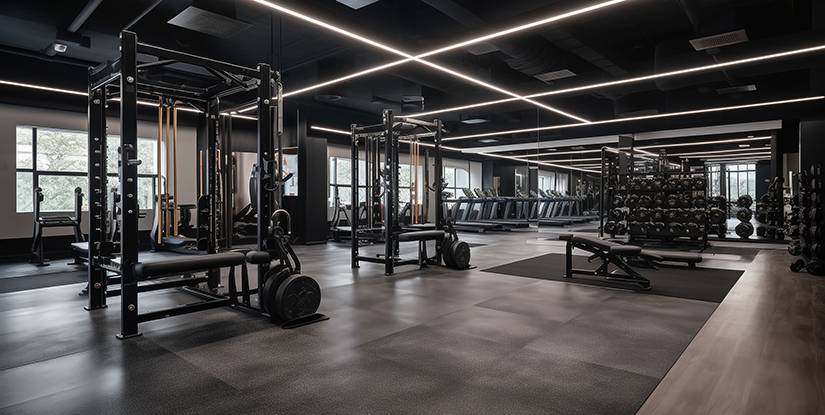
The following comparison illustrates the typical spatial impact of various models. When evaluating small space gym equipment, consider whether the design allows for easy movement around the periphery or if it creates a permanent obstacle in the room.
| Rack Type | Typical Footprint | Best For |
|---|---|---|
| Wall-Mounted Folding Rack | Minimal (Folded) | Multi-purpose rooms/Garage studios |
| Standard Half Rack | Moderate | Dedicated strength training zones |
| Compact Full Power Cage | Large/Fixed | High-intensity, specialized training |
As a buyer, always request the technical drawings from your supplier. A true space saving squat rack should provide a clear distinction between its static dimensions and its operational volume, ensuring your clients or end-users have the necessary room to lift safely without hitting walls or adjacent equipment.
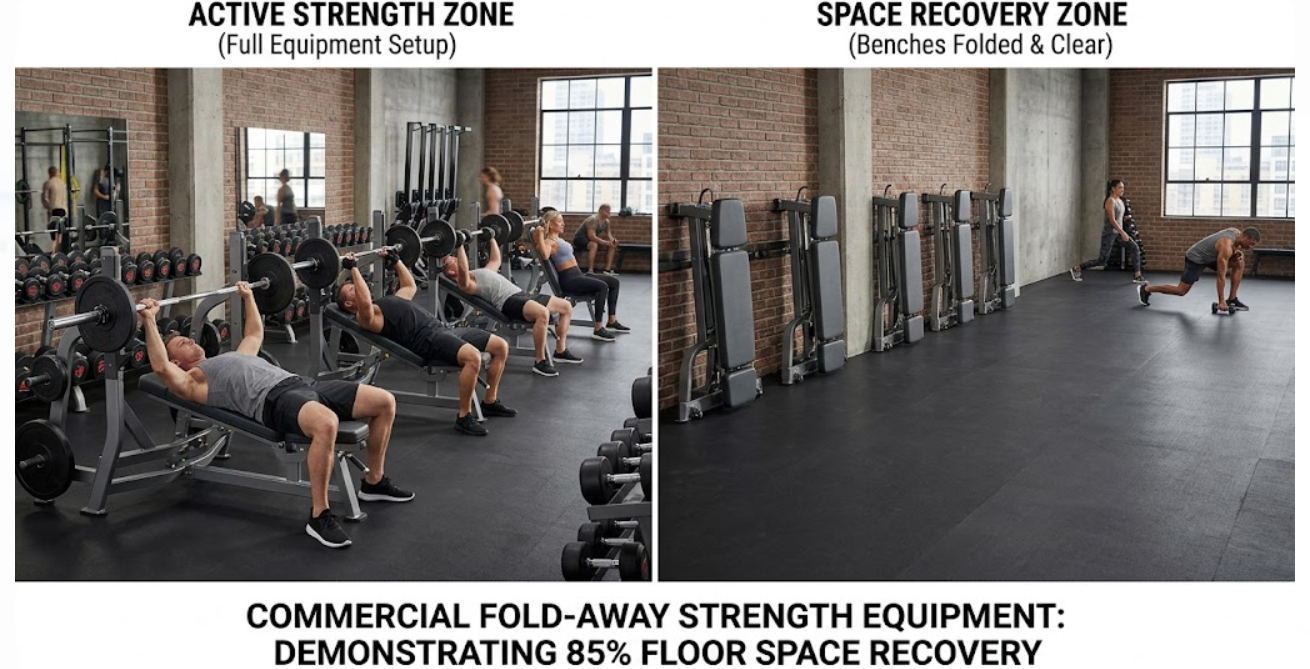
Beyond the horizontal footprint, true optimization requires maximizing small areas by looking upward and outward. While a space saving squat rack may occupy a minimal square footage, the surrounding environment dictates its long-term utility. We often advise clients to prioritize vertical space utilization, such as installing high-quality wall-mounted storage for barbells or weight plates, which keeps the floor clear and maintains a professional aesthetic in high-end boutique studios.
One of the most frequent oversights in procurement is failing to account for barbell length considerations. A standard 7-foot Olympic bar requires significantly more width than the rack itself; if the most compact power rack is placed too close to a wall or a structural pillar, the bar will strike the obstacle during a lift. Furthermore, ensure you have adequate floor clearance for movement. This includes the space needed for a lifter to step into a squat or for a spotter to stand safely. Without these buffers, even the highest-quality equipment becomes a liability rather than an asset.
Optimizing Versatility in Limited Vertical and Horizontal Zones
When sourcing small space gym equipment, many buyers mistakenly focus solely on the floor area. However, a truly professional setup requires a dual-axis evaluation of your environment. To identify the most compact power rack for your specific site, you must distinguish between the horizontal footprint and the necessary vertical clearance.
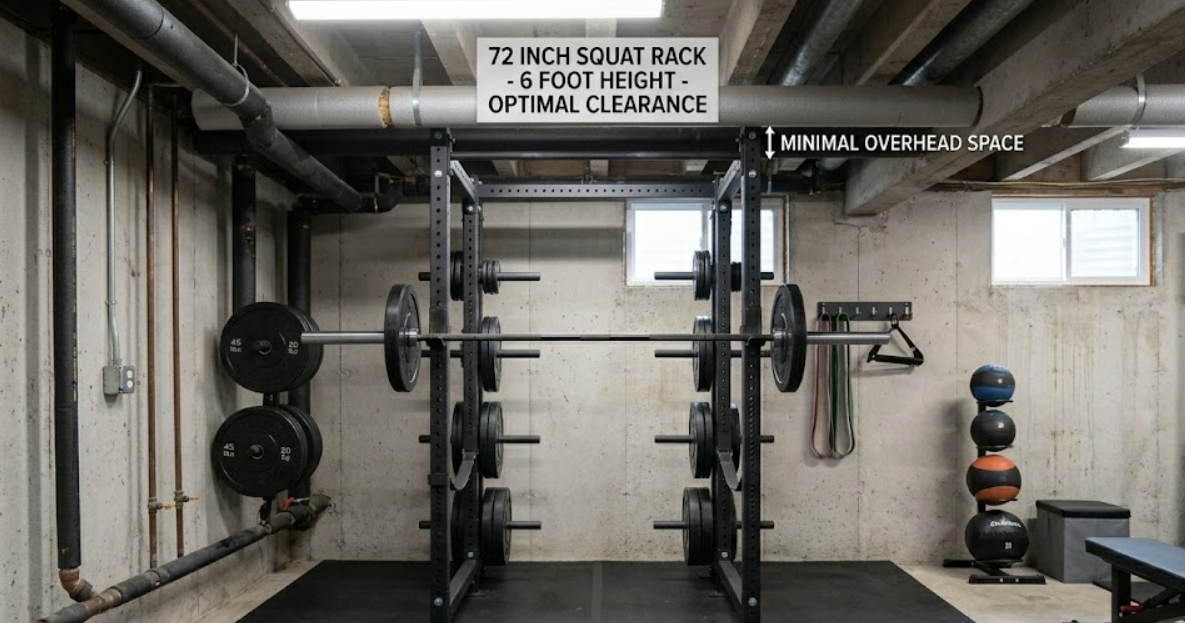
The horizontal footprint dictates how much floor real estate the unit occupies, including the space needed for barbell plates and lateral movement. While a space saving squat rack might have a slim profile, you must also account for the "buffer zone" required for safe training. Simultaneously, ceiling height considerations are critical; even the most efficient rack becomes unusable if the user cannot safely perform overhead presses or if the barbell hits the ceiling during a lift. For distributors and high-end home gym builders, measuring the total volume—not just the floor square footage—is the key to ensuring long-term utility and safety.
To streamline your selection process, we have categorized common configurations based on their spatial impact. This home gym footprint guide helps you evaluate whether a fixed or mobile unit aligns better with your operational constraints.
| Rack Configuration | Typical Dimensions | Mobility & Storage | Spatial Impact |
|---|---|---|---|
| Wall-Mounted Folding | Depth: 12"–24" (folded) | High; folds flat against wall | Minimal; ideal for multi-use rooms |
| Slim Profile Fixed | Depth: 36"–48" | Low; stationary installation | Moderate; requires fixed floor area |
| Modular/Mobile Rack | Variable | High; often features wheels | Flexible; can be repositioned |
When choosing a space saving squat rack, consider the long-term storage requirements of your facility. A wall-mounted unit offers the ultimate solution for maximizing usable area, but it lacks the mobility of a modular system. If your clients require a versatile environment, a compact unit with heavy-duty casters allows the equipment to be moved out of the way, effectively expanding the room's utility when the rack is not in active use.
Beyond the basic dimensions, true efficiency is found in how much a single unit can accomplish. When searching for the most compact power rack, look for designs that prioritize optimizing versatility through specialized hardware. Instead of purchasing multiple standalone stations, prioritize a single unit capable of supporting various training modalities via multi-functional attachments. This might include dip stations, landmine attachments, or pull-up bars that integrate seamlessly into the existing frame, effectively turning a small footprint into a comprehensive training hub.
Efficient accessory management is another hallmark of high-quality small space gym equipment. A disorganized area can make even a tiny room feel cramped and unsafe. We recommend sourcing racks that feature integrated storage solutions, such as dedicated peg holes for weight horns, barbell cradles, or specialized hooks for resistance bands. Whether you opt for a wall-mounted vs freestanding model, ensuring that every piece of gear has a designated, secure spot within the rack's structure will maintain a professional, streamlined environment and maximize the utility of every square inch.
Sourcing Modular Solutions for Rapid Facility Scaling
When sourcing small space gym equipment, the long-term value of your investment depends heavily on how the unit handles wear and tear. A most compact power rack that lacks high-quality, replaceable parts becomes a liability rather than an asset. For distributors and facility owners, prioritizing a modular design is essential to ensure that a single worn component doesn't render the entire structure obsolete.
High-grade durability is not just about the thickness of the steel; it is about the accessibility of component replacement. Whether it is a replacement J-cup, a new barbell collar, or a specialized attachment, having access to standardized, high-quality parts ensures your equipment remains functional for years. By selecting a rack built with modularity in mind, you can scale your training options or replace individual parts without the need to purchase an entirely new unit, effectively maximizing your ROI and maintaining a professional-grade training environment.
Choosing between a fixed structure and a space saving squat rack often comes down to a trade-off in maintenance frequency. While fixed, single-piece units are often more robust due to fewer moving parts, they can become difficult to service or upgrade as your facility grows. In contrast, modular systems offer superior flexibility but require a more proactive approach to user-friendly upkeep to ensure longevity.
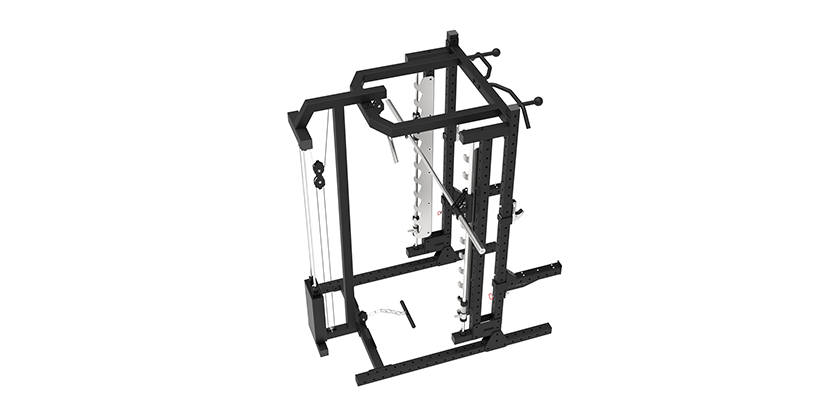
Below is a comparison to help you evaluate the long-term operational demands of each system type:
| Feature | Fixed Compact Systems | Modular Compact Systems |
|---|---|---|
| Primary Benefit | High stability; minimal moving parts. | High scalability; easy component swapping. |
| Wear and Tear | Focused on contact points (J-cups/pins). | Distributed across joints and attachments. |
| Maintenance Level | Low; occasional lubrication and bolt checks. | Moderate; requires regular inspection of connections. |
| Ideal For | Standardized, high-traffic training zones. | Evolving gyms and specialized training setups. |
For distributors looking to provide long-term value, we recommend prioritizing modularity. While it demands a slightly more consistent maintenance frequency, the ability to replace specific parts rather than the entire frame significantly reduces total cost of ownership and keeps the equipment in peak condition.
To ensure your most compact power rack remains a reliable centerpiece, proactive maintenance is a non-negotiable part of the home gym footprint guide. High-quality equipment built from high-grade steel requires more than just occasional use; it requires a structured upkeep regimen to prevent structural degradation. We suggest implementing a quarterly inspection to focus on two critical areas: mechanical integrity and friction points.
First, regular bolt tightening is essential. Even the most stable space saving squat rack can experience minor loosening due to the vibrations from heavy lifting and repetitive loading. Second, ensure all moving parts, such as adjustable pins or sliding mechanisms, receive periodic lubrication with a high-quality silicone or lithium-based grease to prevent metal-on-metal grinding. Treating these small tasks as a long-term investment rather than a chore will preserve the structural precision of the rack. By prioritizing these high-standard maintenance protocols, you protect the longevity of your equipment and ensure a safe, professional-grade training environment for years to come.
Selecting the Right Profile for Long-Term Utility
When sourcing small space gym equipment, there is a common misconception that a smaller footprint necessitates a reduction in strength. In the world of professional procurement, we see many buyers mistakenly prioritize dimensions over density, only to face equipment failure under load. Finding the most compact power rack that actually survives heavy lifting requires looking beyond the external measurements and focusing on the internal architecture.
The true value of a space saving squat rack lies in its heavy-duty construction and the quality of its steel. To ensure structural stability, you must verify the steel gauge of the uprights and crossmembers. While consumer-grade models might use thinner tubing to save on shipping weight, professional-grade small space gym equipment should utilize high-gauge steel to prevent bowing or lateral sway during high-intensity movements. A truly durable most compact power rack is defined by its ability to maintain rigid geometry under tension, ensuring that your investment remains a reliable cornerstone of your facility rather than a liability.
A critical part of your home gym footprint guide is understanding how tubing dimensions influence the durability vs footprint ratio. Choosing between 2x2 and 3x3 steel profiles is not just about aesthetics; it is a strategic decision based on your training intensity and the intended lifespan of the unit.
For those prioritizing a space saving squat rack for moderate strength training or general fitness, 2x2 tubing offers an excellent balance of weight reduction and stability. However, if your facility intends to host heavy compound lifts or high-volume sessions, upgrading to 3x3 tubing is essential for long-term structural integrity. Below is a comparison to help you navigate these specifications.
| Profile Type | Typical Tubing Thickness | Ideal Training Intensity | Primary Benefit |
|---|---|---|---|
| 2x2 Steel Profile | 11-gauge (Standard) | Moderate / Home Fitness | Maximum space efficiency |
| 3x3 Steel Profile | 7-gauge to 11-gauge | High / Professional Strength | Superior weight capacity |
When evaluating the most compact power rack options, always confirm the tubing thickness and steel gauge. A lighter footprint should never come at the expense of the weight capacity required for safe, heavy-duty performance.
Beyond the steel gauge, the long-term utility of your equipment is heavily dictated by the quality of its surface treatment and assembly components. Even the sturdiest space saving squat rack will fail prematurely if it is susceptible to environmental degradation. We often advise buyers to look closely at the finish; a high-grade powder coating is non-negotiable for ensuring longevity. This thick, durable layer acts as a shield against moisture and perspiration, preventing the oxidation and rust that often plague lower-quality small space gym equipment kept in residential or non-climate-controlled environments.
Furthermore, the hardware quality—including bolts, pins, and adjustment mechanisms—determines how well the unit handles repetitive wear and tear. Cheap fasteners can strip or seize, leading to excessive maintenance requirements and potential safety hazards. When sourcing the most compact power rack, prioritize units that utilize industrial-grade hardware and premium finishes. Investing in these high-spec details ensures that your equipment remains a high-performing asset for years, rather than a depreciating piece of metal that requires constant upkeep.