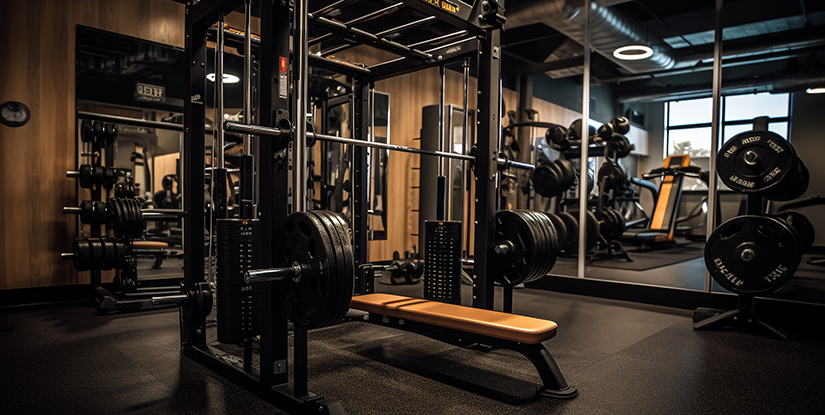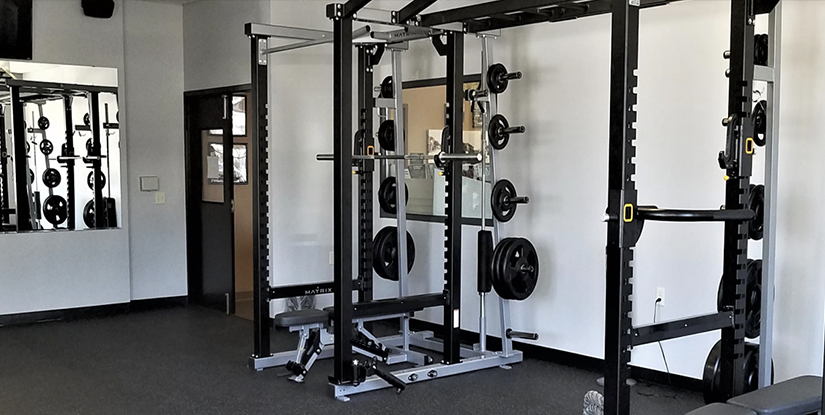
smallest squat rack | Compact Squat Racks for Small Gyms
Optimizing SKU Density and Inventory Turnover for Compact Strength Equipment
For boutique fitness studios or hotel gym developers, every square foot of floor space represents potential revenue. When facility layouts are constrained, sourcing the smallest squat rack becomes a strategic decision rather than just a procurement checkbox. Unlike standard bulky rigs, space saving power racks allow operators to maximize high-value training zones without sacrificing structural integrity. By integrating small footprint gym equipment into your facility design, you transition from wasted square footage to high-density revenue generation.
From a distribution and wholesale perspective, the move toward commercial compact squat stations directly impacts warehouse footprint optimization. For distributors, the ability to ship high-density, compact units means higher SKU density per container and improved inventory turnover rates. Investing in high-quality, compact strength solutions enhances capital efficiency by reducing shipping volumes and maximizing storage density, ensuring that your logistics costs remain low while your product versatility remains high.
Beyond logistics, the long-term profitability of your facility hinges on the structural resilience of your assets. For commercial fitness facilities, the cost of downtime often outweighs the initial procurement savings. This is why sourcing commercial compact squat stations engineered from high-grade steel is a non-negotiable requirement for professional-grade installations. While budget-friendly alternatives may exist, they often fail to meet the rigorous mechanical stress requirements of high-traffic environments, leading to premature wear and high replacement costs.
Our manufacturing process prioritizes durability through precision welding and heavy-duty powder coating, ensuring that even the smallest squat rack in your inventory can withstand heavy loading cycles. By selecting equipment designed for low maintenance, facility managers can significantly reduce operational overhead and labor costs. Ultimately, prioritizing high-spec small footprint gym equipment ensures a superior long-term ROI, protecting your capital investment and maintaining a high-performance training environment for years to come.
To assist procurement officers in calculating precise floor-plan utility, we have provided a technical comparison below. Selecting the smallest squat rack requires balancing physical dimensions against structural load-bearing requirements to ensure maximum operational efficiency.
| Metric | Standard Commercial Rack | Compact/Space-Saving Model |
|---|---|---|
| Average Footprint | ~1.5m x 1.5m | ~1.2m x 1.2m |
| Weight Capacity | 400kg+ | 300kg - 350kg |
| Floor Space Usage | High (Requires clearance) | Minimal (Optimized for density) |
| Shipping Volume | Large (Bulky/Low Density) | Optimized (High Container Yield) |
Our space saving power racks undergo rigorous QC standards, including load-testing and weld-integrity inspections, to ensure they meet international commercial benchmarks. Furthermore, our small footprint gym equipment is engineered for high shipping volume efficiency. By utilizing modular designs and optimized packaging, we help wholesalers and distributors achieve higher container density, reducing the landed cost per unit and maximizing the profitability of your global supply chain.
Navigating Footprint Constraints in Urban Commercial Fitness Facilities
In high-density metropolitan areas, the escalating cost of real estate dictates your facility's profitability. For gym owners and distributors, every inch of floor space represents a potential revenue stream. Relying on traditional, bulky structures often leads to inefficient square footage optimization, limiting the number of members you can accommodate during peak hours. To maximize revenue per square foot, procurement specialists must prioritize space saving power racks that offer high-density functionality without sacrificing structural integrity.
Sourcing the smallest squat rack is no longer just about saving room; it is a strategic move to increase your facility's capacity and ROI. Our factory-direct manufacturing ensures that even our most compact commercial compact squat stations meet rigorous durability standards. By integrating small footprint gym equipment into your inventory, you provide high-performance training solutions that thrive in constrained environments, ensuring your clients get maximum value from minimal space.
When vetting suppliers for commercial compact squat stations, procurement officers must look beyond mere dimensions to ensure long-term durability. A compact frame must not compromise on load-bearing capacity. We utilize high-density steel and advanced welding techniques to guarantee that even the smallest squat rack in our catalog maintains exceptional structural integrity under heavy barbell loads. This technical rigor prevents the structural fatigue often seen in lower-tier, consumer-grade alternatives.
For global distributors, maintenance reduction is a critical factor in the total cost of ownership. Our manufacturing process focuses on high-grade powder coating and precision-engineered moving parts, which minimizes wear and tear in high-traffic commercial settings. By sourcing small footprint gym equipment that adheres to these strict industrial standards, buyers can reduce long-term service overhead. Investing in high-spec, space saving power racks ensures your facility remains operational and profitable, even when operating within the tightest urban constraints.
To assist procurement managers in calculating the true value of their floor plan, we have provided a technical breakdown of how compact models compare to standard industry units. This comparison highlights that choosing the smallest squat rack does not necessitate a compromise in heavy-duty performance. When sourcing for urban boutiques or high-density training studios, the efficiency ratio is the most critical metric for long-term ROI.
| Specification Metric | Standard Power Rack | Compact/Small Footprint Model |
|---|---|---|
| Average Footprint (L x W) | ~120cm x 120cm | ~80cm x 100cm |
| Max Load Capacity | 350kg - 450kg | 300kg - 350kg |
| Space Efficiency Ratio | 1.0 (Baseline) | ~1.4x Improvement |
| B2B Procurement Spec | Standard Industrial | High-Density/Urban Optimized |
Our commercial compact squat stations are engineered to provide a superior space efficiency ratio, allowing distributors to pack more high-value stations into a single shipment and a single room. By prioritizing these space saving power racks, you optimize your shipping volume and maximize the utility of your client's premium real estate.
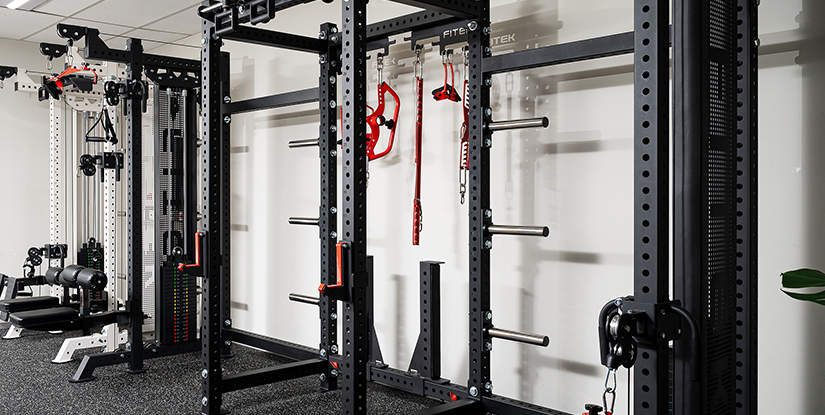
Engineering Specifications for High-Density Power Racks and Small Footprint Gym Equipment
When sourcing the smallest squat rack for high-traffic facilities, procurement officers must prioritize material density over mere dimensions. A common mistake in budget sourcing is sacrificing structural integrity for a smaller footprint, leading to premature equipment failure. Our commercial compact squat stations are engineered using a premium high-density steel gauge, ensuring that a reduced physical profile does not compromise load-bearing capacity. This high durability vs. footprint ratio ensures that even the most compact space saving power racks can withstand rigorous commercial usage cycles, protecting your long-term ROI and reducing replacement frequency.
| Rack Configuration | Steel Density | Footprint Profile | Storage Efficiency |
|---|---|---|---|
| Standard Power Rack | Standard Gauge | Large/Fixed | Low |
| Small Footprint Gym Equipment | High-Density | Compact/Fixed | Medium |
| Modular Compact Station | Ultra-High Gauge | Minimalist | High |
For distributors and gym owners, selecting small footprint gym equipment with superior steel specifications is a strategic decision. By investing in high-density builds, you mitigate the risks associated with weight-induced structural fatigue, ensuring your facility remains a reliable destination for strength athletes.
To streamline your procurement process, we have provided a technical breakdown comparing our leading models. When evaluating the smallest squat rack options, focus on the correlation between steel gauge and weight capacity to ensure long-term structural stability. High-quality space saving power racks must maintain a high weight/volume ratio to justify the investment in premium small footprint gym equipment.
| Model Type | Footprint Dimensions | Steel Gauge | Max Load Capacity | Weight/Volume Ratio |
|---|---|---|---|---|
| Pro-Series Compact | 1.2m x 1.2m | 11-Gauge | 350kg | High |
| Elite Modular Station | 1.0m x 1.0m | 11-Gauge | 315kg | Ultra-High |
| Micro-Strength Unit | 0.8m x 0.8m | 12-Gauge | 250kg | Optimized |
Our factory-direct commercial compact squat stations undergo rigorous QC to ensure that dimensions do not dictate a reduction in performance. For bulk wholesale orders, this technical precision guarantees that your shipment meets international safety standards while maximizing usable floor space.
Optimizing Operational ROI through Factory-Direct Reliability
Beyond physical dimensions, the true value of a smallest squat rack lies in its total cost of ownership. To maximize long-term ROI, we implement low-maintenance engineering designed for high-utilization environments. Every unit features premium maintenance-free coatings and anti-corrosive finishes, significantly reducing the need for frequent upkeep and preventing surface degradation in humid or high-traffic gym settings.
Our manufacturing process is governed by strict QC protocols, ensuring that every space saving power rack meets exacting tolerances before leaving the facility. This factory-direct reliability mitigates the risk of receiving substandard batches, a critical factor for international distributors. Furthermore, we provide streamlined global logistics support to handle complex shipping requirements for small footprint gym equipment. By prioritizing wholesale durability and standardized quality control, we ensure that your commercial compact squat stations arrive ready for immediate deployment, regardless of your geographic location or order volume.
Sourcing Reliability: QC Standards for Commercial Compact Squat Stations
When procurement officers source the smallest squat rack for high-traffic facilities, the primary risk is not just floor space, but structural failure. In compact configurations, the concentration of force on a smaller footprint demands superior engineering. Unlike residential models, commercial compact squat stations must withstand relentless, high-frequency usage without compromising safety or stability.
To ensure maximum ROI and minimize long-term maintenance liabilities, our manufacturing processes prioritize structural integrity through rigorous load-bearing testing. We utilize premium high-density steel to ensure that a reduced footprint does not result in reduced strength. Every unit is produced under strict ISO standards, providing distributors and gym owners with the confidence that their space saving power racks can handle professional-grade weight loads. For B2B buyers, investing in high-spec, certified equipment is the only way to mitigate the risks of equipment fatigue and ensure long-term operational reliability in tight urban gym environments.
Achieving long-term profitability requires more than just selecting small footprint gym equipment; it requires a manufacturing partner that treats precision as a non-negotiable standard. Our production line utilizes advanced robotic welding to ensure absolute welding precision across every joint. This is critical for space saving power racks, where the structural load is concentrated on a more compact frame. Any imperfection in the weld could lead to catastrophic failure under heavy tension, making high-grade fabrication essential for commercial durability.
Beyond structural assembly, we implement a multi-stage quality control protocol to protect your investment. This includes rigorous powder coating durability testing to prevent corrosion and surface wear in high-humidity gym environments. Before any shipment leaves our facility, every batch undergoes intensive factory inspection and batch testing to verify load limits and stability. We maintain strict MOQ compliance and standardized protocols to ensure that whether you are ordering a single shipment or a large-scale distribution, every unit meets the exact specifications required for professional-grade performance.
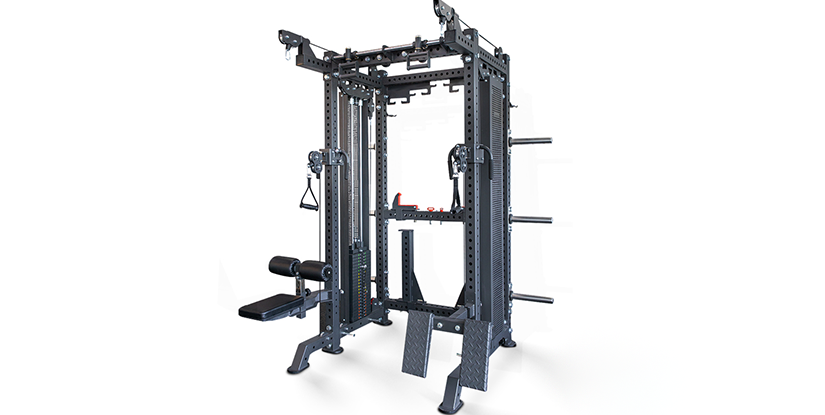
To assist procurement managers in evaluating different tiers of commercial compact squat stations, we have standardized our QC metrics. This allows for transparent comparison between budget-friendly options and premium, heavy-duty solutions. For B2B buyers, understanding these technical thresholds is essential for calculating the true lifecycle cost of small footprint gym equipment.
| QC Metric | Standard Commercial Tier | Premium Heavy-Duty Tier |
|---|---|---|
| Material Grade | ASTM A36 Steel | High-Tensile Alloy Steel (ASTM A572) |
| Weld Strength | Manual MIG Welding | Full-Penetration Robotic Welding |
| Coating Thickness | 80-100 μm Powder Coat | 120+ μm Anti-Corrosion Electrostatic Coating |
| Tolerance Level | ± 2.0 mm | ± 0.5 mm (Precision Engineered) |
By prioritizing these metrics, distributors can ensure that the smallest squat rack in their inventory delivers consistent reliability. Selecting a partner with high-spec space saving power racks reduces the frequency of warranty claims and enhances your reputation for providing durable, professional-grade strength solutions.
Logistics and Container Optimization for Small-Scale Strength SKUs
For global distributors and gym developers, the total landed cost is as critical as the initial unit price. When sourcing the smallest squat rack, procurement efficiency extends beyond the gym floor to the shipping container. Our manufacturing process prioritizes modular design for export, ensuring that every component is engineered to nest tightly without compromising structural integrity. This strategic approach allows for significant shipping volume reduction, transforming what is typically bulky heavy equipment into streamlined, high-density shipments.
By focusing on container load optimization, we help B2B buyers maximize their inventory-per-TEU (Twenty-foot Equivalent Unit). This precision engineering reduces the number of shipments required to fulfill large-scale orders, directly enhancing your freight cost efficiency. Whether you are importing space saving power racks or small footprint gym equipment, our optimized packaging protocols mitigate the logistical overhead typically associated with heavy strength training gear, ensuring a superior ROI for your supply chain.
Beyond shipping logistics, the true profitability of your procurement strategy lies in the durability vs. footprint ratio of your inventory. High-density, commercial compact squat stations must offer more than just a reduced spatial profile; they must provide a high-performance standard that justifies the investment. We engineer our equipment to withstand high-traffic commercial use, ensuring that these space saving power racks serve as a long-term asset value for your clients rather than a recurring replacement cost.
From a facility management perspective, minimizing downtime is vital. Our small footprint gym equipment is designed with low maintenance requirements, utilizing high-grade steel and industrial finishes that resist wear and tear. For wholesalers and gym owners, this means fewer service calls and higher equipment uptime. By investing in robust, compact strength solutions, you are securing a product that maintains its structural integrity and aesthetic appeal, providing a superior return on investment through longevity and reduced operational overhead.
To assist procurement officers in calculating precise landed costs and inventory capacity, we have developed a standardized metric for volume efficiency. Understanding the volumetric density of each SKU is essential when planning large-scale imports of small footprint gym equipment. The following data highlights how our engineering optimizes the smallest squat rack configurations for maximum container yield, ensuring your capital is not wasted on shipping air.
Table: SKU Dimensions vs. Container Yield
| Model Type | Footprint (sq ft) | CBM per Unit | Max Units per 40HQ |
|---|---|---|---|
| Compact Half Rack | 16 | 2.8 | ~65 Units |
| Smallest Squat Rack (Modular) | 12 | 2.1 | ~85 Units |
| Space Saving Power Racks | 14 | 2.4 | ~75 Units |
| Commercial Compact Squat Stations | 10 | 1.8 | ~110 Units |
This high-density loading capability allows distributors to scale their inventory rapidly without a proportional increase in freight expenditure. By selecting our commercial compact squat stations, you leverage superior factory-direct logistics that prioritize high-volume yield per shipment, directly boosting your competitive edge in the regional market.
OEM Customization Strategies for Niche Strength Training Markets
Standardized heavy-duty equipment often fails to meet the precise spatial requirements of high-end boutique studios or urban fitness centers. To capture the growing boutique fitness market demand, manufacturers must move beyond off-the-shelf solutions. Our factory specializes in custom dimensions, allowing distributors to source the smallest squat rack configurations tailored to specific square footage. By prioritizing footprint optimization, we enable clients to maximize member capacity without sacrificing structural integrity.
Investing in space saving power racks through our OEM services ensures a higher ROI for facility owners facing high real estate costs. Instead of purchasing generic units, buyers can leverage our commercial compact squat stations designed for high-density layouts. We provide rigorous quality control and scalable production, ensuring that even the most compact small footprint gym equipment meets international commercial durability standards. This strategic customization allows wholesalers to offer specialized, high-margin solutions that solve the most critical spatial constraints in the modern fitness landscape.
To maintain structural integrity within a reduced profile, our manufacturing process prioritizes high-grade metallurgical standards. Unlike residential-grade alternatives, our small footprint gym equipment is engineered using heavy-duty steel gauge specifications that prevent bowing under extreme longitudinal loads. We implement advanced powder coating durability treatments to ensure that commercial compact squat stations remain resistant to oxidation and mechanical abrasion, even in high-traffic, high-humidity environments. This level of finish is critical for distributors looking to offer long-term, low-maintenance solutions to their clients.
Our production facility operates under strict QC protocols, including load-bearing stress tests and precision weld inspections, to ensure every unit meets global safety certifications. With significant factory capacity, we can handle high-volume wholesale orders while maintaining the meticulous tolerances required for space saving power racks. By integrating rigorous testing at the source, we mitigate the risk of structural failure, providing B2B buyers with a reliable, high-performance smallest squat rack solution that survives the rigors of professional commercial use.
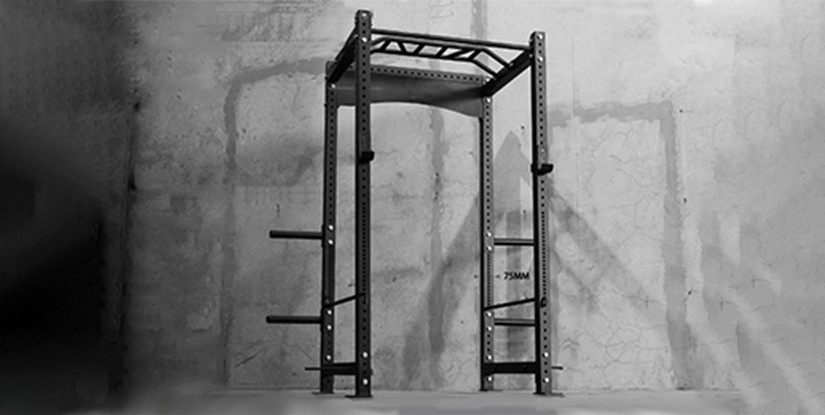
To assist procurement officers in evaluating the most efficient procurement path, we have outlined our customization tiers below. Selecting the right configuration depends on your specific balance of volume requirements, spatial constraints, and long-term operational overhead. Whether you are sourcing a specialized smallest squat rack for a boutique studio or high-density space saving power racks for a large-scale facility, our scalable manufacturing model ensures optimal logistics efficiency and cost-effectiveness.
| Customization Tier | Space Savings Profile | Maintenance Level | Typical MOQ |
|---|---|---|---|
| Standardized Compact | Moderate (Standard Footprint) | Low (Minimal Adjustments) | 50+ Units |
| Optimized Small Footprint | High (Reduced Depth/Width) | Low (Standardized Parts) | 20+ Units |
| Boutique OEM Custom | Maximum (Precision Dimensions) | Medium (Specialized Finishes) | 10+ Units |
Our tiered approach allows distributors to manage small footprint gym equipment inventory with precision. By choosing higher-tier customization, buyers can offer highly specialized commercial compact squat stations that command premium pricing in urban markets, while our optimized shipping protocols ensure that even the most customized smallest squat rack configurations arrive with minimal transit-related damage and maximized logistics efficiency.
Total Cost of Ownership: Durability vs. Space-Saving Design
When sourcing the smallest squat rack for a high-density facility, procurement officers often face a false dichotomy: choosing between compact dimensions and structural integrity. While lightweight, budget-friendly alternatives may offer a lower initial purchase price, they frequently fail the lifecycle test in commercial environments. Investing in high-density steel construction ensures that your small footprint gym equipment can withstand high-frequency usage without structural fatigue or deformation.
From a B2B perspective, the true value lies in the long-term ROI. Low-grade steel alternatives often lead to increased maintenance costs and premature replacement cycles, which disrupts facility operations and inflates the total cost of ownership. By prioritizing B2B sourcing quality and selecting commercial compact squat stations built with heavy-duty gauge steel, distributors and gym owners minimize downtime and maximize asset longevity.
| Procurement Factor | Lightweight/Budget Option | High-Density Steel Option |
|---|---|---|
| Initial Unit Cost | Low | Moderate/High |
| Structural Durability | Limited/Residential Grade | Industrial/Commercial Grade |
| Maintenance Frequency | High (Frequent Adjustments) | Low (Stable Construction) |
| Lifecycle ROI | Low (Rapid Depreciation) | High (Long-Term Asset) |
Choosing a space saving power rack engineered with premium materials is a strategic decision that protects your capital investment and ensures your facility remains a reliable destination for professional athletes.
Financial Lifecycle Analysis: Investment vs. Long-Term Reliability
To optimize procurement budgets, buyers must look beyond the initial invoice. While space saving power racks with lower entry prices may seem attractive for startup phases, the cumulative cost of repairs and replacement often exceeds the value of premium equipment. Our manufacturing process adheres to strict factory QC standards to ensure that every commercial compact squat station delivered meets the rigorous demands of high-traffic commercial environments.
The following data illustrates why sourcing high-spec small footprint gym equipment is a more efficient use of capital over a five-year operational window. By choosing equipment that meets international factory QC standards, distributors can avoid the hidden expenses of frequent mechanical failures and structural instability.
| Investment Metric | Standard Low-Cost Models | Premium Compact Stations |
|---|---|---|
| Upfront Unit Cost | $ (Lower Initial Outlay) | $$ (Higher Initial Outlay) |
| Annual Maintenance/Parts | High (Wear & Tear) | Minimal (Stable Build) |
| Replacement Cycle | 18–24 Months | 5+ Years (Commercial Grade) |
| Total 5-Year TCO | High (Due to Depreciation) | Low (Optimized Asset Value) |
Strategic procurement focuses on the total lifecycle. Selecting a smallest squat rack that balances a compact footprint with industrial-grade durability ensures your facility maintains high uptime and superior ROI.
Streamlining Global Procurement and Logistics
For international distributors and large-scale facility developers, the challenge of sourcing the smallest squat rack extends beyond physical dimensions to the complexities of the supply chain. Efficient wholesale procurement requires a partner with robust factory capability to handle high-volume orders without compromising precision. We specialize in providing space saving power racks that are engineered for shipping optimization, ensuring that high-density components are packed to maximize container utilization and reduce landed costs per unit.
Reliability in global distribution is predicated on a strict QC framework. Every piece of small footprint gym equipment undergoes rigorous testing to ensure compliance with international safety standards before leaving the facility. This commitment to quality control minimizes the risk of transit damage and product defects, which are critical concerns for B2B buyers managing large-scale installations. By working directly with a manufacturer that understands MOQ flexibility and logistics precision, you secure a stable supply of commercial compact squat stations that arrive on schedule and ready for immediate deployment, protecting your project timelines and bottom line.