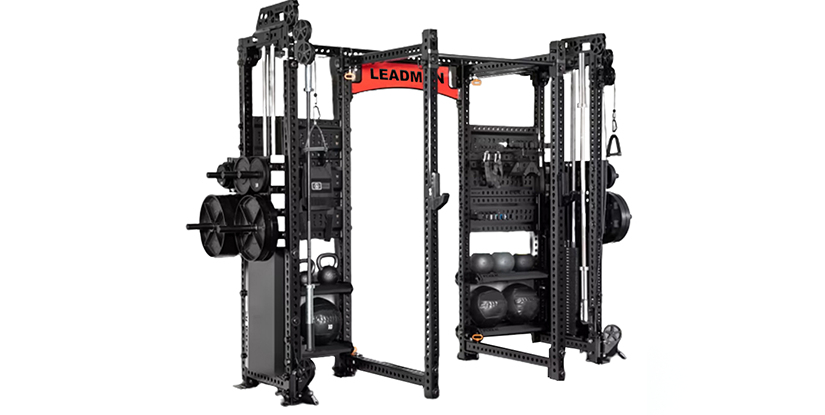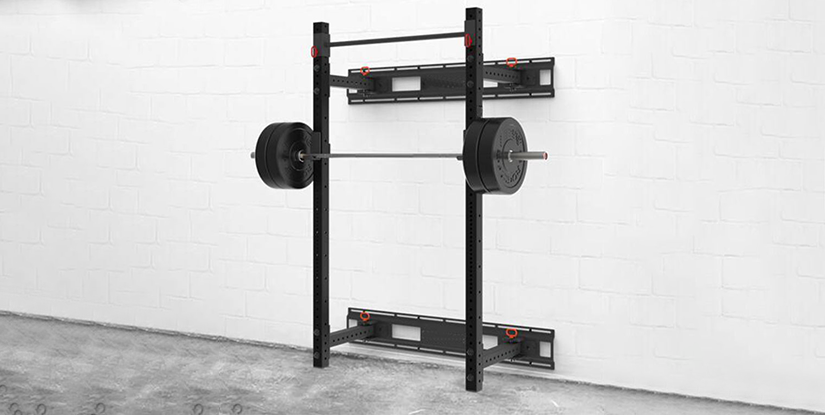
Bulk 7 Foot Squat Rack Supply: Commercial-Grade Strength Equipment for Gyms & Distributors
For facility owners and equipment distributors, the challenge isn't just finding a rack; it's finding a heavy-duty solution that fits where standard equipment cannot. We have seen countless urban gym projects stalled by 8.5-foot ceilings or basement obstructions. A high-quality 7 foot squat rack is no longer a "specialty" item—it is a strategic necessity for maximizing square footage in commercial environments where vertical space is at a premium.
What Defines a Commercial-Grade 7 foot squat rack?
A professional 7 foot squat rack is a high-stability strength station standing exactly 84 inches tall, engineered specifically for facilities with low-clearance ceilings. Built using industrial 11-gauge steel and 3" x 3" tubing, these racks provide the same 1,000lb+ load capacity as full-sized power cages while ensuring enough overhead room for pull-ups and barbell clearance in restricted spaces.
When I consult with gym franchises, the primary concern is usually whether a shorter rack sacrifices structural integrity. In our engineering process, we maintain the same footprint and steel thickness used in our flagship models. This ensures that a 7 foot power rack delivers the same "planted" feel during heavy squats or rack pulls, which is critical for member safety in unsupervised 24/7 training studios.
The Ceiling Height Challenge: Why the 7 foot power rack is a Strategic Asset
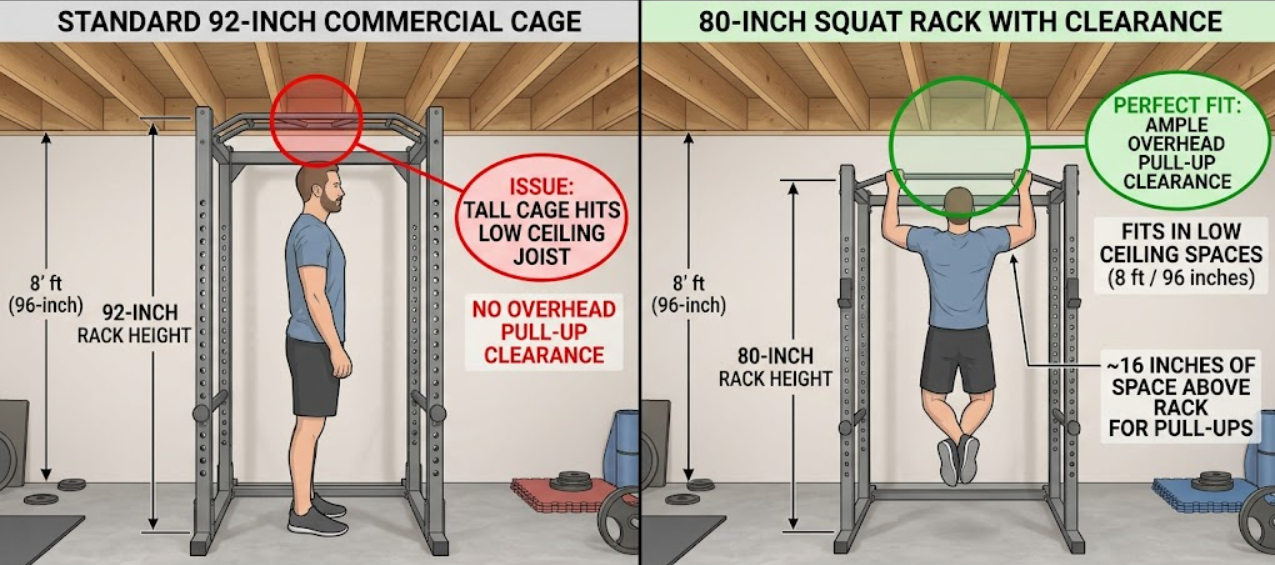
In the commercial fitness industry, your biggest overhead is literally the ceiling. Urban real estate often forces gym owners into basement levels or older commercial buildings with HVAC ducting that drops effective heights to under 8 feet. If you procure standard 90-inch or 96-inch racks, you risk expensive return logistics or, worse, safety hazards where athletes strike the ceiling during pull-ups or overhead presses.
The pain point for many distributors is stocking equipment that only fits a niche. However, the 7ft squat rack has become a high-turnover item because it solves the "last inch" problem. For a distributor, carrying a 7ft power rack means you can service residential garage gym builders and boutique studio owners simultaneously. You are selling a solution that eliminates the need for structural renovations.
Choosing a 7 foot squat rack from our inventory ensures you aren't settling for "light-duty" home equipment. We utilize oversized hardware and reinforced base plates. This prevents the lateral sway common in cheaper, bolt-together units found in retail big-box stores. For a gym owner, this translates to lower liability and a much higher ROI over the product's 10-15 year lifecycle.
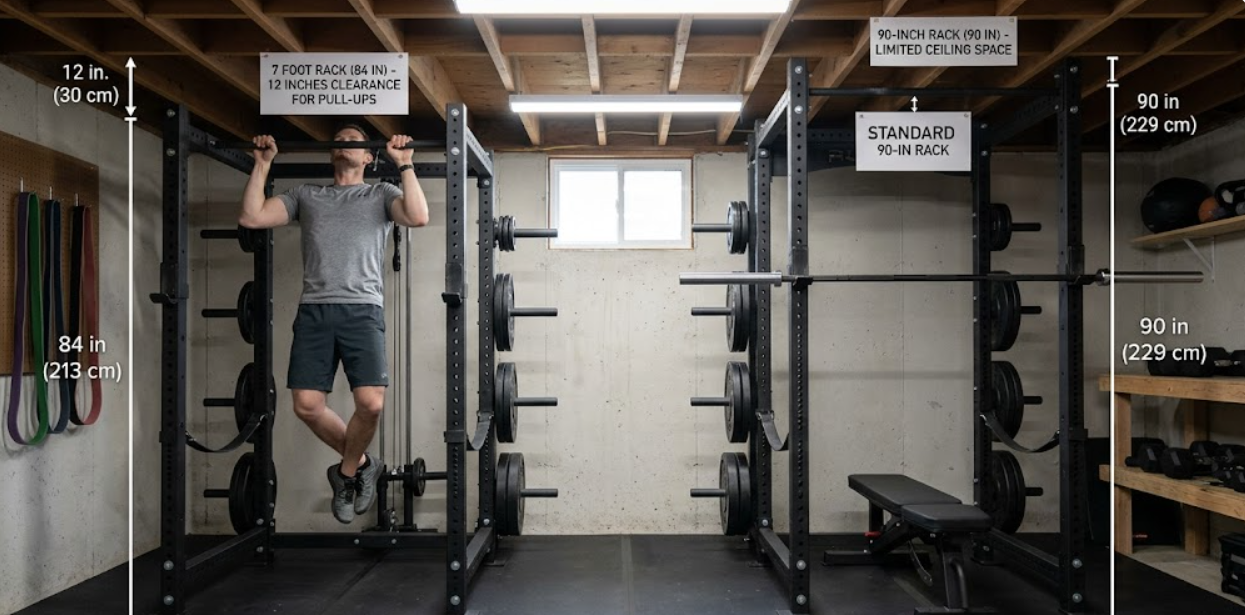
By integrating a 7 ft power rack into your floor plan, you maximize "revenue per square foot." You can fit more stations into a basement zone that would otherwise be relegated to stretching mats or light dumbbells. This structural efficiency is what separates profitable commercial spaces from those that struggle with equipment bottlenecks.
Engineering Integrity: Why 11-Gauge Steel is Non-Negotiable for a 7 foot squat rack
In the B2B procurement world, "budget-grade" equipment often disguises itself as "commercial." For a 7 foot squat rack, the reduced height can sometimes tempt manufacturers to use thinner 12 or 14-gauge steel. This is a critical mistake for facility owners. A shorter upright does not mean less force is applied; in fact, the high-frequency use in a commercial studio demands the same 3" x 3" 11-gauge steel found in full-scale rigs to prevent structural fatigue over time.
Our 7ft power rack units are manufactured using automated laser-cutting technology, ensuring that every 1-inch or 5/8-inch hole is perfectly aligned. For a gym manager, this precision means J-hooks and safety bars can be adjusted smoothly without scratching the powder coat, which is the first line of defense against oxidation. We use a high-adhesion textured powder coating that resists the corrosive effects of sweat and high-humidity gym environments, significantly reducing long-term maintenance costs.
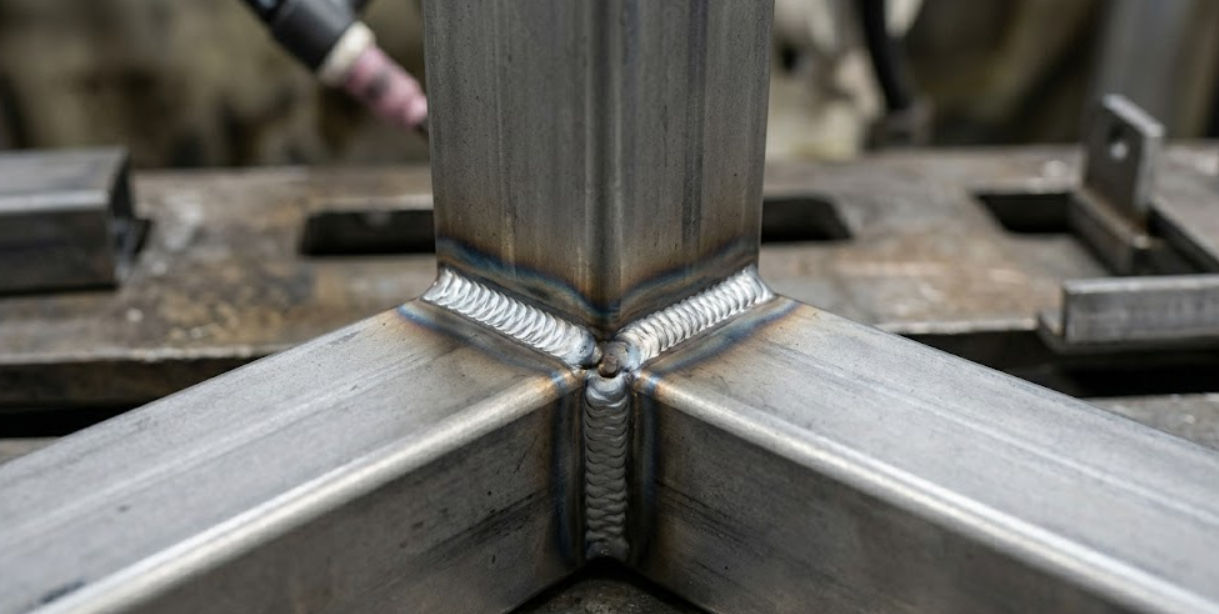
Beyond the steel itself, the base geometry of a 7 ft power rack determines its safety rating. We engineer our racks with oversized gusset plates at the corners. This design choice ensures that even if the rack isn't bolted to the floor—a common requirement for leased commercial spaces—it remains stable during aggressive re-racking of 400lb+ loads. This "over-engineering" is what protects your business from liability and ensures the equipment remains a functional asset rather than a maintenance liability.
Commercial Comparisons: 7 foot power rack vs. Standard Cage Systems
Procurement managers must weigh the trade-offs between vertical functionality and floor-plan density. While a 90-inch rack offers more height for extreme overhead movements, the 7 foot squat rack provides a more versatile footprint for multi-unit installations. When you are outfitting a 2,000-square-foot facility, the ability to place a 7ft power rack under mezzanine levels or ductwork allows for 15-20% more lifting stations compared to standard-height alternatives.
The following table outlines the logistical and operational differences that distributors and gym owners should consider during the bidding process:
| Feature/Metric | Standard Commercial Rack (90"+) | Commercial 7 foot squat rack | B2B Procurement Advantage |
|---|---|---|---|
| Ceiling Requirement | 9.5 ft+ Recommended | 8.0 - 8.5 ft Sufficient | Enables use of low-rent urban/basement spaces. |
| Steel Specification | 11-Gauge 3x3" | 11-Gauge 3x3" | Identical durability and weight capacity. |
| Shipping Density | Lower (Longer Uprights) | Higher (Optimized for Pallets) | Reduces LTL and international freight costs. |
| Stability Factor | High (Often requires bolting) | Excellent (Lower center of gravity) | Safer for non-permanent "boltless" installs. |
| Versatility | Full height movements | Optimized for Squat/Bench/Pull-up | High ROI for specialized strength studios. |
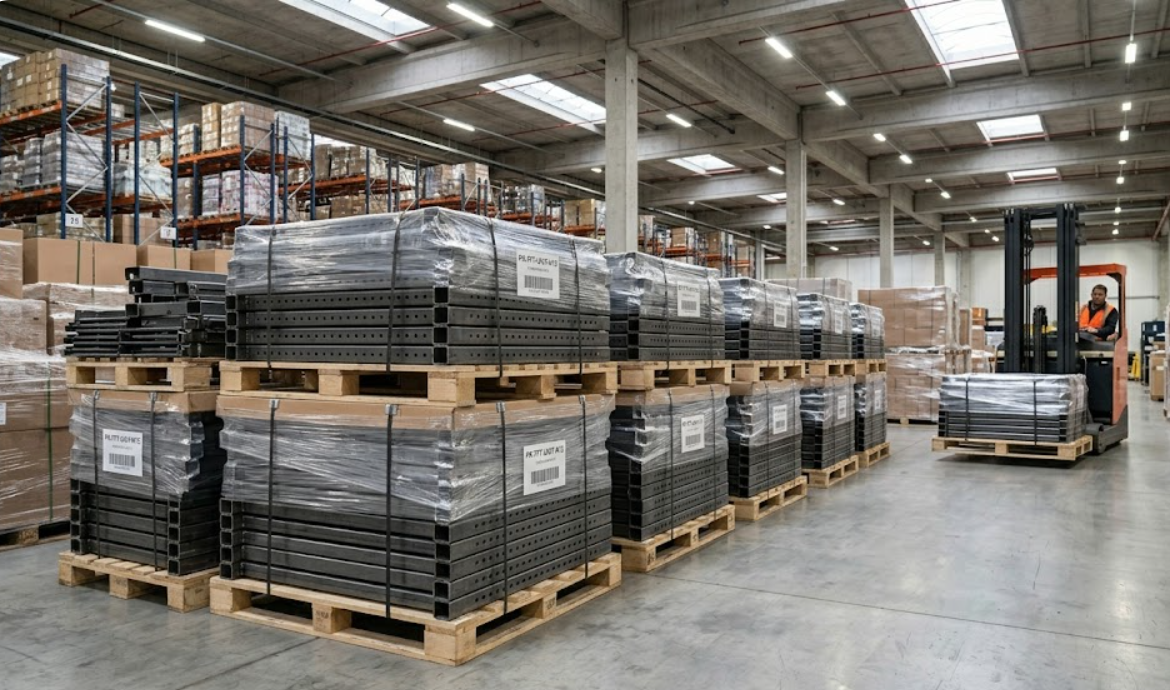
For distributors, the 7ft squat rack offers a distinct advantage in warehousing. The shorter uprights fit standard pallet dimensions more efficiently, reducing "dead air" in your racking system and lowering the risk of damage during transit. When you are moving hundreds of units annually, these marginal gains in logistics directly impact your bottom line and allow for more aggressive wholesale pricing to your end-users.
Whether you are managing a 24-hour franchise or a regional distribution hub, the decision to stock or install a 7 foot power rack is about mitigating physical constraints. You are not just buying steel; you are buying the ability to operate in spaces where your competitors cannot.
Maximizing Revenue Per Square Foot with the 7 foot power rack
In the commercial fitness sector, floor space is the most expensive asset on your balance sheet. When we worked with a major 24-hour gym franchise in Texas, they faced a recurring problem: their urban locations were often restricted by 8.5-foot ceilings, rendering standard 8-foot racks unusable due to the lack of "headroom" for pull-ups and barbell clearance. By pivoting to a 7 foot squat rack strategy, they were able to convert previously underutilized basement corners into high-traffic strength zones.
From an ROI perspective, the 7 foot power rack allows for a higher density of training stations. If you can fit five 7ft power rack units in a space that could only accommodate four standard units due to ductwork obstructions, you immediately increase your peak-hour capacity by 25%. For a boutique studio, this means more "slots" for personal training or small group classes, directly impacting monthly recurring revenue (MRR).
Additionally, the total cost of ownership (TCO) for our 7 ft power rack is significantly lower than residential alternatives. Because we use industrial-grade finishes and oversized hardware, the need for replacement parts or structural repairs is virtually eliminated. When you calculate the initial purchase price against a 10-year service life, the 7 foot squat rack becomes one of the most cost-effective assets in a commercial facility.
Interchangeable Attachment Systems: Future-Proofing Your 7ft squat rack
A common mistake in B2B procurement is buying a "closed" system—a rack that only works with a specific manufacturer's proprietary accessories. We design our 7 foot squat rack using the industry-standard 3" x 3" upright profile with 1-inch (or 5/8-inch) hole spacing. This ensures that your investment is compatible with a vast ecosystem of attachments, from lever arms and dip stations to specialized cable pulleys.
For distributors, this compatibility is a key selling point. You aren't just selling a 7 foot power rack; you are selling a modular platform. Your clients can start with a base unit and gradually upgrade their facility with new attachments over time, creating a recurring sales loop for your business. We offer a range of commercial accessories designed to withstand the daily abuse of a high-volume gym:
- Sandwich J-Hooks: Featuring heavy-duty UHMW plastic liners to protect barbell knurling.
- Flip-Down Safeties: Providing instant, secure protection for solo lifters without the clatter of traditional pin-and-pipe systems.
- Multi-Grip Pull-Up Bars: Optimized for the 7ft squat rack height to provide maximum grip variety within the vertical constraints.
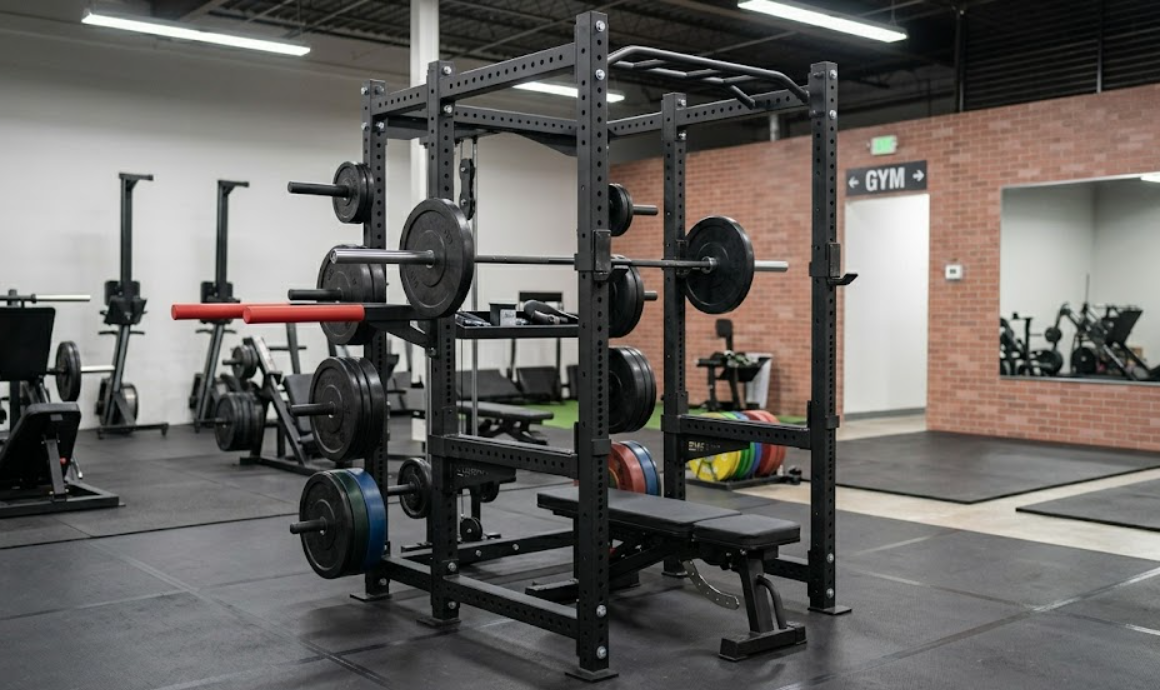
By standardizing on a 7ft power rack with universal hole patterns, you eliminate the risk of equipment obsolescence. As training trends evolve—moving from traditional powerlifting to more functional, attachment-heavy styles—your core infrastructure remains relevant. This flexibility is essential for gym owners who need to adapt their equipment mix without reinvesting in new primary frames.
Global Logistics and OEM Solutions: Streamlining Your 7 foot squat rack Bulk Orders
For large-scale distributors and gym franchises, the challenge isn't just the quality of the steel—it is the efficiency of the supply chain. Importing a 7 foot squat rack in bulk requires a partner who understands the nuances of international logistics and the importance of "retail-ready" or "installation-ready" packaging. We specialize in DDP (Delivered Duty Paid) shipping, managing everything from customs clearance to local port taxes, so your 7ft power rack inventory arrives at your warehouse with zero hidden costs.
One of the primary advantages of our 7 foot power rack for distributors is its "flat-pack" optimization. Because the uprights are capped at 84 inches, they fit perfectly on standard 2.2-meter pallets. This reduces the risk of shipping damage and allows for double-stacking in most commercial containers, effectively lowering your per-unit freight cost by up to 15%. When you are competing in a price-sensitive market, these logistical savings are the difference between a thin margin and a profitable quarter.
Furthermore, we offer comprehensive OEM and ODM services. If you are a distributor looking to build brand equity, we can provide custom laser-cut logos on the cross-members of your 7 foot squat rack or apply custom powder coating colors to match your brand identity. Our factory-direct model eliminates the middleman, allowing you to secure high-spec 7ft squat rack units at a price point that supports healthy retail and wholesale markups.
Why Experienced Procurement Managers Prioritize the 84-Inch 7 foot squat rack
After 15 years in the fitness equipment industry, the pattern is clear: flexibility is the most valuable feature of any strength station. The 7 foot squat rack is the "Swiss Army Knife" of gym infrastructure. It provides enough vertical room for a 6'4" athlete to perform pull-ups, yet it is short enough to clear the fire sprinklers and HVAC ducts that haunt urban commercial spaces.
For a gym owner, choosing a 7 foot power rack is a hedge against future location changes. If you move your facility to a new building with lower ceilings, your 8-foot or 9-foot racks become liabilities that must be sold at a loss. The 7ft power rack, however, fits almost anywhere. This makes it a "liquid" asset that retains its resale value and utility regardless of your facility's architectural constraints.
Ultimately, a 7 foot squat rack represents the perfect intersection of commercial durability and spatial practicality. By investing in 11-gauge steel, modular hole patterns, and a height-optimized frame, you are ensuring that your facility remains functional, safe, and profitable for the long haul. Whether you are outfitting a single boutique studio or a national distribution network, this is the standard that modern strength training demands.
Commercial Safety and Liability: Why Stability is the Core of a 7 foot squat rack
For any facility owner, the "passive safety" of equipment is the most effective way to mitigate liability. In a commercial setting, especially in 24/7 or semi-private studios, a 7 foot squat rack must be able to withstand "missed" lifts and high-impact re-racking without tipping or structural swaying. While a taller rack might appear more imposing, a 7 foot power rack actually offers a lower center of gravity, which inherently enhances its stability during heavy eccentric movements.
Our engineering team prioritizes ASTM (American Society for Testing and Materials) standards for load-bearing strength. We ensure that every 7ft power rack we supply is tested to a safety factor of at least 3:1. This means if a rack is rated for 1,000 lbs, it has been structurally stressed to 3,000 lbs without failure. For a procurement manager, this isn't just a technical spec—it is a "sleep-better-at-night" guarantee that your 7 foot squat rack will not buckle under the weight of a heavy squat or a dropped barbell.
Furthermore, the base design of a commercial 7ft squat rack often includes pre-drilled floor mounting holes. While the weight of 11-gauge steel provides significant stationary stability, we always recommend bolting the units down in high-traffic commercial zones. This prevents the "racking creep" that occurs over months of use, ensuring that your floor layout remains precise and that no member is ever at risk due to equipment migration. When you choose a 7 foot power rack with a reinforced base, you are investing in a foundation that protects both your members and your business reputation.
Low-Maintenance Design: Preserving the 7 foot squat rack Asset
In the high-intensity environment of a commercial gym, equipment maintenance is often the "hidden cost" that eats into profitability. A 7 foot squat rack built with inferior materials will show signs of wear within months: chipped paint leading to rust, loose bolts causing instability, and worn-out safety bars. We address these issues at the manufacturing level to ensure that our 7 foot power rack remains a "set-and-forget" asset for your facility.
The primary defense mechanism is our industrial-grade powder coating. Unlike standard liquid paint, this finish is electrostatically applied and heat-cured, creating a bond that is highly resistant to the constant impact of steel barbells. For a distributor, this means fewer customer complaints regarding aesthetic damage. For a gym owner, it means your 7ft power rack continues to look professional and "new" even after five years of three-shift-a-day usage. The longevity of the finish is directly tied to the perceived value of your facility.
Maintenance on our 7 ft power rack is simplified by the use of high-grade, zinc-plated hardware. We utilize oversized bolts that require minimal periodic tightening compared to the smaller, cheaper fasteners found on consumer-grade racks. By standardizing the hardware across our 7 foot squat rack line, we make it easy for your maintenance staff to perform quick monthly checks. This reduces the total labor hours required to keep your strength zone in peak condition, allowing your team to focus on member engagement rather than equipment repair.
Whether you are managing a single local studio or a nationwide chain, the durability of your 7ft squat rack determines your long-term overhead. By choosing a rack engineered for high-frequency use and minimal maintenance, you are securing a higher lifetime ROI and ensuring that your equipment remains as reliable on day 2,000 as it was on day one.
Custom Branding and Private Labeling for 7 foot squat rack Distributors
For distributors looking to establish a dominant local presence, offering a generic product is rarely enough. The market for strength equipment is competitive, and brand differentiation is what allows you to maintain premium margins. We provide extensive OEM (Original Equipment Manufacturer) services for our 7 foot squat rack line, allowing you to transform a high-quality piece of hardware into a cornerstone of your own brand’s catalog. By choosing a 7ft power rack with your custom logo laser-cut into the crossmembers, you are not just selling a rack; you are building long-term brand equity.
Our customization capabilities go beyond simple aesthetics. We can modify the 7 foot power rack to meet specific market demands, such as custom powder coat colors that match a university's branding or specific hole spacing patterns required for a unique accessory line. For a B2B buyer, this level of flexibility is vital. It means your 7ft squat rack inventory won't look like every other product on the market, giving your sales team a distinct "hook" when pitching to local gym owners and high-performance training centers.
From a logistics standpoint, our private labeling service is designed to be seamless. We handle the branding at the factory level, ensuring that your 7 foot squat rack arrives in your warehouse with all custom logos, branded packaging, and instruction manuals pre-integrated. This "turnkey" approach allows you to focus on sales and distribution while we handle the complexities of industrial manufacturing and quality control. Investing in a private-labeled 7 ft power rack is a strategic move to insulate your business from price wars and build a loyal customer base that recognizes your unique value proposition.
Procurement Checklist: Final Verifications Before a Bulk 7 foot power rack Purchase
Before finalizing a contract for a 7 foot squat rack, a professional procurement manager must look past the initial price quote. The total cost of ownership is determined by the quality of the raw materials and the precision of the manufacturing process. A lower-cost 7ft power rack might save money upfront, but if the steel is 14-gauge instead of 11-gauge, or if the welds are inconsistent, the rack will eventually become a liability. When evaluating a supplier for your 7 foot power rack needs, we recommend verifying several critical technical specifications.
First, confirm the steel grade. A commercial-grade 7 foot squat rack must utilize 11-gauge steel (approximately 3mm thick). Anything thinner is unsuitable for high-volume commercial environments. Second, inspect the hole spacing. Standardized "Westside" spacing in the bench zone or consistent 2-inch spacing throughout the uprights is essential for user versatility. Third, evaluate the footprint. A 7ft squat rack should have a base wide enough to provide lateral stability without requiring a massive amount of floor space. Efficiency is the goal.
Lastly, demand transparency regarding the shipping and import process. For a bulk 7 foot squat rack order, you need to know exactly how many units fit in a 40HQ container and what the "landed cost" will be. We provide detailed packing lists and freight estimates early in the negotiation phase to ensure there are no surprises at the port. By following this checklist, you ensure that your 7 foot power rack investment is a sound financial decision that will support your facility's growth or your distribution network's reputation for years to come.
Streamlining the Assembly Process: Reducing Labor Costs for Large-Scale Installs
For a distributor or a gym franchise manager, the purchase price of a 7 foot squat rack is only one part of the financial equation. The hidden expense lies in the man-hours required for assembly. If a rack has a complex, non-intuitive bolt pattern, your installation crew might spend 2-3 hours per station. On a 50-unit project, this inefficiency can cost thousands of dollars in unnecessary labor and delay your facility's "go-live" date.
Our 7ft squat rack is designed with "single-tool" assembly logic. We standardize the hardware sizes so that installers don't have to constantly switch between wrenches or search for specialized sockets. The high-precision laser-cut holes ensure that uprights and crossmembers align perfectly without the need for prying or forcing. For a B2B buyer, this means a faster rollout and a quicker path to generating revenue. A team of two can typically assemble one of our 7 foot power rack units in under 45 minutes, significantly reducing the "soft costs" of your facility setup.
Beyond speed, the simplicity of our assembly process reduces the risk of human error. Improperly torqued bolts or misaligned uprights can compromise the stability of a 7ft power rack, leading to safety issues down the line. We provide clear, commercial-grade exploded diagrams and digital assembly guides that ensure every unit is built to our exact engineering specifications. This level of detail is why regional distributors prefer our 7 foot squat rack for their large-scale commercial contracts.
Compliance and Commercial Standards: Meeting ASTM and ISO Requirements
Liability is the silent killer of gym profitability. In many jurisdictions, commercial fitness equipment must meet specific safety codes to be covered by insurance policies. When you procure a 7 ft power rack from a generic retail source, you rarely receive the documentation needed to satisfy a rigorous safety inspection or a corporate compliance audit. Our manufacturing process for the 7 foot squat rack is fully ISO 9001 certified, ensuring consistent quality across every production batch, from the first unit to the thousandth.
We subject our 7 foot power rack designs to rigorous ASTM (American Society for Testing and Materials) stress testing. This includes both static load testing—ensuring the frame does not buckle under 1,000+ lbs—and dynamic drop testing, which simulates a failed lift hitting the safety pins. By providing these test reports upon request, we give distributors and gym owners the "paper trail" needed for professional compliance. You are not just buying a piece of iron; you are buying equipment that is legally and structurally fit for the demanding environment of a commercial strength facility.
Using a 7ft squat rack that meets these standards also enhances your brand's reputation. Members of high-end training studios are increasingly savvy about equipment quality. When they see the over-built nature of an 11-gauge 7 foot power rack, it reinforces their perception of your facility as a premium training destination. For the B2B buyer, this translates to higher member retention and a stronger competitive position in the local market.
Strategic Floor Planning: Optimizing High-Traffic Zones with the 7 foot squat rack
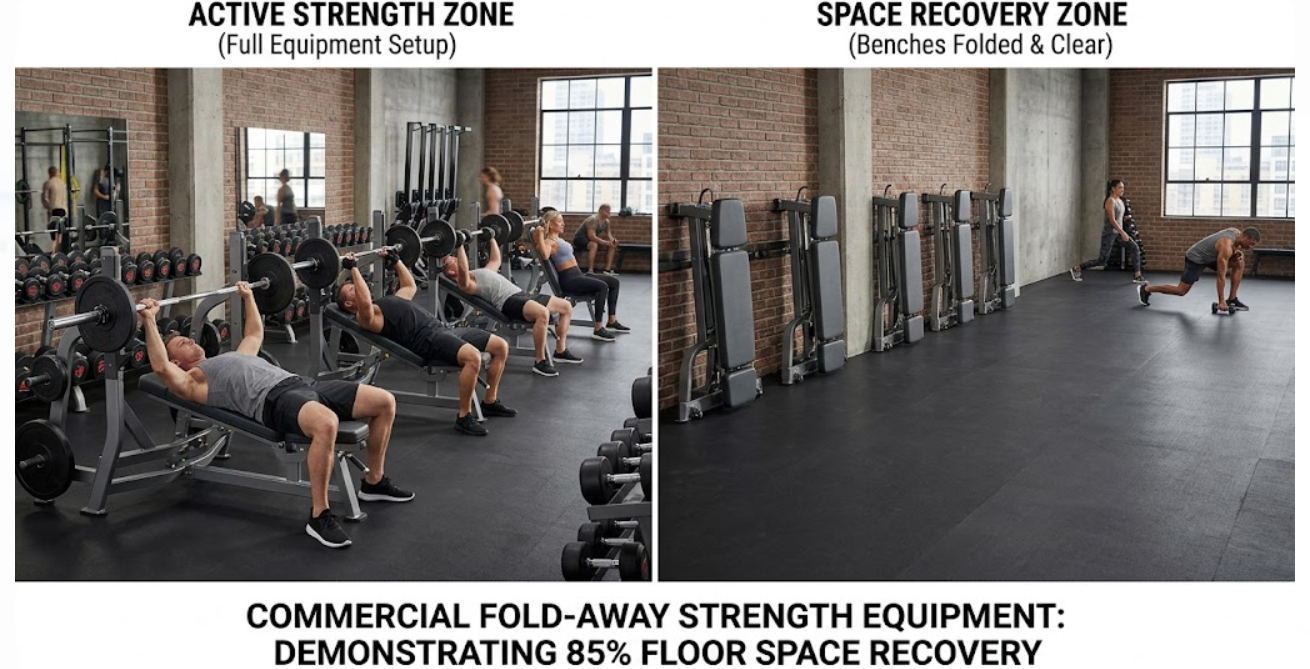
For a facility architect, the goal is always "footprint-to-function" optimization. In urban strength studios, every square inch must justify its lease cost. The 7 foot squat rack is a masterclass in space efficiency because it allows for high-density "pod" layouts. By utilizing a rack that tops out at 84 inches, you can place multiple 7ft squat rack units back-to-back or in rows under mezzanine levels that would be otherwise dead space. This layout strategy can increase your facility's "simultaneous user capacity" by 15% to 20% compared to using sprawling, oversized cages.
When we design floor plans for commercial clients, we often look at the 7 foot power rack as the anchor for a modular training station. Because the rack is more compact vertically, it doesn't visually "crowd" a small room, making the gym feel more open and professional. For a studio owner, this means you can offer a full powerlifting experience in a footprint as small as 48" x 48" per station. Providing a heavy-duty 7 ft power rack in a confined space is a major selling point for high-end personal training clients who demand commercial quality without the "big box" gym clutter.
Furthermore, the 7 foot squat rack is often the only viable option for wall-mount conversions in older industrial buildings with low-hanging infrastructure. By standardizing your equipment around this height, you ensure that your facility layout is repeatable and scalable across different locations. This consistency is critical for franchise owners who want to maintain a uniform training experience while dealing with varying architectural constraints in different cities. The 7 foot power rack isn't just a piece of equipment; it’s a tool for architectural flexibility.
Inventory Velocity: Why Distributors Prioritize the 7ft power rack in Local Stock
From a distributor’s financial perspective, inventory turnover (velocity) is the most important metric. Specialized equipment that sits in a warehouse for six months is a drain on capital. The 7ft power rack, however, has become a "high-velocity" item because it serves two massive market segments simultaneously: the burgeoning boutique commercial studio market and the premium home gym/garage gym market. By stocking the 7 foot squat rack, you are essentially doubling your potential customer base with a single SKU.
One common headache for distributors is the "custom height" request. When a gym owner realizes their ceilings are too low for standard 96-inch racks, they often ask for custom-cut uprights, which can have lead times of 60 to 90 days. By keeping the 7 foot power rack as a standard stock item, you can fulfill these "emergency" orders immediately. Being the distributor who has a heavy-duty 7ft squat rack ready for same-day pickup or next-day shipping allows you to capture high-margin, time-sensitive sales that your competitors—who only stock standard heights—will miss.
Additionally, the 7 ft power rack offers superior "stackability" in a warehouse environment. Shorter uprights mean less risk of vertical bowing when stored and more efficient use of pallet racking height. When you calculate the storage cost per unit, the 7 foot squat rack is more economical to hold than 8-foot or 9-foot alternatives. For a B2B supplier, this translates to lower overhead and the ability to offer more competitive volume pricing to gym franchises, creating a virtuous cycle of high volume and consistent profit.