Finding the Most Compact Squat Rack with Safety Features
Vetting Manufacturers for High-Performance Compact Racks
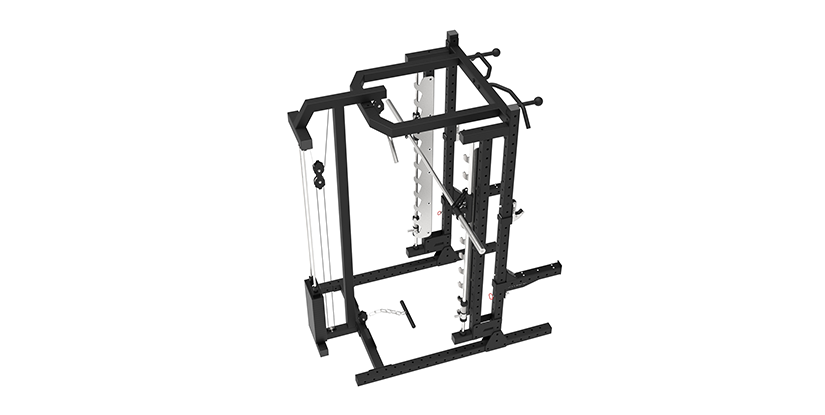
When a boutique fitness studio or a high-end residential gym project demands a footprint-conscious layout, the margin for error disappears. Unlike large-scale commercial facilities, these environments rely heavily on specialized, high-density equipment that must perform flawlessly under pressure. When sourcing the most compact squat rack with safety features, the primary concern shifts from mere dimensions to long-term durability. You aren't just buying a footprint; you are investing in a structural asset that must withstand repetitive heavy loading without compromising stability.
To ensure professional-grade reliability, buyers must scrutinize the technical specifications of the raw materials. A high-quality space saving power rack is defined by its steel gauge; thinner tubing may save on shipping costs but will inevitably fail under heavy barbell weight. Furthermore, the structural integrity of the unit depends entirely on welding quality. Even the most advanced small home gym equipment design will fail if the joints are brittle or inconsistent. We recommend prioritizing manufacturers who utilize precision CNC bending and rigorous quality control to ensure that every corner and connection point remains rigid through years of intense training cycles.
Beyond the frame itself, true quality is found in the fine details of the hardware and surface finishes. When evaluating a potential supplier, look for evidence of high-grade powder coating; a uniform, thick application prevents rust and protects the steel from the micro-abrasions caused by frequent weight changes. This is a critical indicator of a manufacturer's attention to detail and long-term product lifespan.
For those prioritizing safety, the mechanical interfaces are where the most compact squat rack with safety functions. Inspect the J-cup stability by checking for deep, precision-machined cradles that prevent bar rotation. A reliable manufacturer will provide documentation regarding load-bearing testing and adherence to strict squat rack safety standards. Before finalizing any order, confirm the maximum weight capacity of the specific model. A professional-grade unit should not only hold the weight but maintain a zero-drift profile under heavy load, ensuring that the safety bars and uprights remain perfectly aligned during high-intensity training sessions.
To streamline your procurement process, it is helpful to categorize equipment by its intended use case and construction grade. Not every space saving power rack is built for the same level of mechanical stress. While a lightweight model might suffice for a residential setup, commercial distributors and boutique studio owners must differentiate between consumer-grade aesthetics and professional-grade structural engineering.
The following table illustrates how manufacturing quality typically aligns with different training environments. Use this guide to ensure your selection meets the specific demands of your facility's load requirements and usage frequency.
| Tier | Typical Build | Best For | Safety Feature Reliability |
|---|---|---|---|
| Entry-Level Residential | Lightweight steel, thinner gauge tubing | Casual home use and light resistance | Standardized, basic protection |
| Premium Home/Boutique | Heavy-duty 11-gauge steel, precision welding | High-end home gyms and small studios | Enhanced, high-stability safety bars |
| Commercial-Grade Compact | Ultra-heavy gauge steel, reinforced joints | High-traffic gyms and professional training | Maximum-load compliant safety systems |
When selecting the most compact squat rack with safety features for a professional setting, always lean toward the higher tier. Investing in a more robust build prevents the long-term maintenance costs and structural fatigue often seen in lower-grade small home gym equipment.
Critical Safety Standards for Small-Footprint Strength Training
Maintaining the structural integrity of your setup is just as vital as the initial purchase. Even when sourcing the most compact squat rack with safety features, the high-density usage typical of small home gym equipment can lead to mechanical wear over time. To ensure long-term reliability, a proactive maintenance routine is non-negotiable for any serious strength training environment.
Regular inspections should focus on two primary areas: hardware stability and mechanical fluid motion. We recommend a monthly bolt tightening protocol to ensure that vibrations from heavy lifting haven't loosened any critical fasteners. Additionally, the lubrication of moving parts—such as the guide rods or adjustable J-cups—prevents friction-induced grinding and ensures smooth transitions during heavy sets. By treating maintenance as a standard operating procedure, you protect your investment and ensure that your space saving power rack remains a dependable, high-performance asset for years to come.
To optimize the longevity of your space saving power rack, we recommend following a structured inspection schedule. Failure to monitor wear and tear on critical components can compromise the high squat rack safety standards expected in professional-grade setups. Most importantly, perform a rigorous inspection of safety bars and spotting arms every few weeks; check for any slight bending, surface scratches, or misalignment that could indicate structural fatigue.
The frequency of your maintenance routine should ideally align with the intensity of your training environment. Use the following guide to manage your equipment lifecycle effectively:
| Usage Intensity | Typical Setting | Recommended Inspection Frequency |
|---|---|---|
| Low (1–3 sessions/week) | Residential/Home Gym | Quarterly deep inspection |
| Moderate (4–6 sessions/week) | Personal Studio | Monthly hardware check |
| High (Daily/Multiple users) | Commercial/Small Boutique | Weekly safety bar & bolt audit |
By adhering to these intervals, you mitigate the risk of unexpected mechanical failure and ensure your small home gym equipment remains a safe, high-utility centerpiece of your training space.
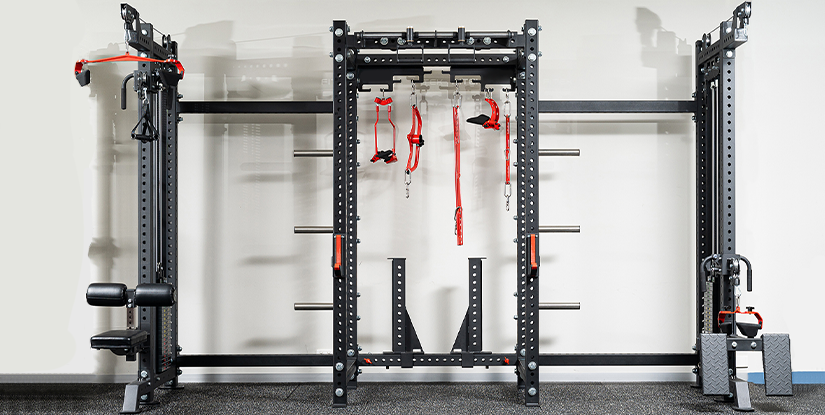
Beyond mechanical checks, environmental factors play a massive role in the durability of your gear. Even high-quality steel is susceptible to degradation if neglected. To prevent the onset of oxidation, always prioritize preventing rust by keeping your training area dry and wiping down any moisture left by perspiration or humidity. This is especially critical for the most compact squat rack with safety features that may utilize specialized coatings or powder finishes.
Furthermore, professional-grade longevity depends on how you manage the physical footprint. Ensure proper weight distribution by verifying that the rack is perfectly level; an uneven base can cause uneven stress on the frame. To protect both your flooring and the equipment's stability, always utilize high-density rubber matting for floor protection. This simple addition absorbs impact, reduces vibration, and maintains the structural alignment of your space saving power rack over years of heavy usage.
Quality Control Protocols for Safety Bar and J-Cup Integrity
When sourcing small home gym equipment, the primary risk is not the footprint, but the potential for structural fatigue. A most compact squat rack with safety features is only as reliable as its weakest weld. In high-density training environments, the stress concentrated on J-cups and safety pins during heavy eccentric movements can cause micro-fractures if the fabrication quality is substandard. To ensure long-term structural integrity, procurement specialists must prioritize equipment manufactured from high-grade steel with consistent wall thickness.
Reliability in compact designs often comes down to the precision of the weld strength at critical load-bearing junctions. A poorly executed weld might look acceptable on the surface, but it will fail under the dynamic load of a heavy barbell. We recommend auditing the manufacturing process to ensure that every joint in the most compact squat rack with safety bars has undergone rigorous inspection to prevent catastrophic failure during heavy lifts.
| Material Specification | Standard Grade Steel | Premium Industrial Grade |
|---|---|---|
| Steel Wall Thickness | 11-gauge (approx. 3mm) | 7-gauge to 11-gauge (heavy-duty) |
| Weld Consistency | Manual/Basic MIG | Precision Robotic/High-Strength MIG |
| Load Distribution | Variable/Uncertain | Uniform/High-Stability |
| Durability Profile | Light/Home Use | Heavy-Duty/Commercial Standard |
Beyond general steel thickness, the functional longevity of a space saving power rack depends on the specific mechanical tolerances of its attachment points. For instance, J-cup stability is not just about the fit, but the ability of the cradle to maintain its shape under repeated heavy loading. If the metal is too thin or the geometry is imprecise, the J-cups can deform over time, leading to uneven weight distribution and potential barbell slips. This is a critical concern for buyers who demand high squat rack safety standards without sacrificing a small footprint.
Similarly, safety bar integrity must be verified through rigorous stress testing. The bars are the final line of defense; they must possess a high load-bearing capacity to catch a falling barbell without bending or shearing. We advise distributors to look for manufacturers that perform load-drop tests and check for uniform metal density. A high-quality most compact squat rack with safety features will utilize reinforced spotting arms that remain perfectly rigid, ensuring that the safety mechanism remains a reliable safeguard rather than a structural liability.
To streamline your procurement decisions, we have developed a quick-reference guide to help you align equipment specifications with your specific end-user requirements. Selecting the most compact squat rack with safety features requires an understanding of how different usage intensities impact the longevity of the metal and its protective components.
| Training Intensity | Typical Usage Scenario | Recommended Material Gauge | Coating Quality | Maintenance Level |
|---|---|---|---|---|
| Light | Residential/Casual Home Use | 11-gauge Steel | Standard Powder Coat | Low (Occasional Wipe) |
| Moderate | Personal Training Studio | 7-gauge to 11-gauge | High-Durability Matte Finish | Moderate (Routine Inspection) |
| Heavy | High-Traffic Commercial Gym | Heavy-Duty 7-gauge Steel | Industrial-Grade Anti-Corrosive | High (Regular Torque Checks) |
When sourcing a space saving power rack for professional environments, do not settle for lower gauges just to save on shipping volume. A small home gym equipment setup may function with lighter steel, but a commercial-grade squat rack safety standards compliance necessitates a thicker gauge to prevent deformation. Always verify that the coating can withstand high-impact contact to maintain the aesthetic and structural integrity of the unit over time.
Managing Warranty Claims and Component Replacement
When sourcing the most compact squat rack with safety features, your long-term liability depends on how well the manufacturer distinguishes between wear and tear vs. manufacturing defects. For professional distributors and high-end home gym builders, a standard warranty is insufficient if it excludes the very parts that ensure user protection. We recommend scrutinizing the fine print regarding safety bar integrity and the longevity of load-bearing accessories.
High-use components like J-cups and spotter arms are subject to constant friction, which can lead to surface degradation. However, structural failure or misalignment should be covered under strict squat rack safety standards. Before finalizing a bulk order, verify whether the warranty covers the structural stability of these safety components or merely the aesthetic finish. Ensuring your supplier provides clear documentation on small home gym equipment durability guarantees that your investment remains a space saving power rack that is both reliable and legally compliant for years to come.
To maintain the integrity of your space saving power rack, proactive upkeep is more cost-effective than reactive repairs. Even the highest-quality small home gym equipment requires periodic inspection to prevent minor issues from escalating into structural failures. We advise distributors to implement a quarterly maintenance checklist to ensure every unit meets rigorous squat rack safety standards before it reaches the end-user.
First, perform a visual audit to identify signs of structural fatigue, such as hairline cracks in weld points or slight bowing in the uprights. Second, prioritize bolt tightening; high-impact training can loosen fasteners over time, compromising the stability of the entire frame. Finally, ensure the lubrication of moving parts—specifically the sliding mechanisms for safety bars—to prevent metal-on-metal grinding. Regular attention to these details ensures that the most compact squat rack with safety features remains a dependable asset rather than a liability.
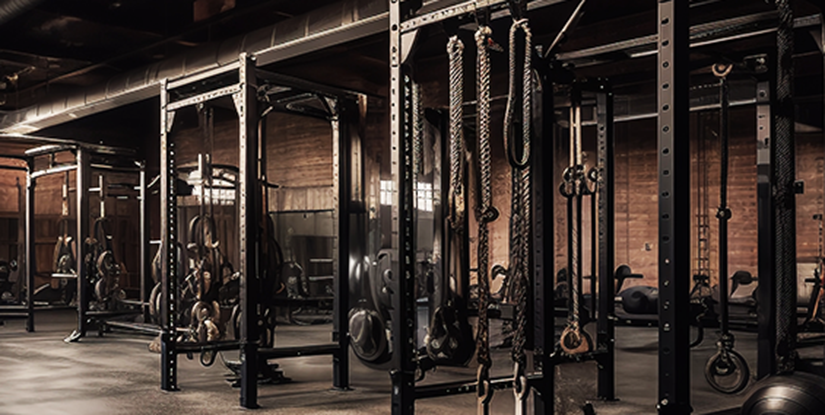
To streamline your quality control process, use the following reference guide to monitor component health. Identifying these signs early allows for efficient replacement cycles, ensuring your space saving power rack remains a top-tier asset for your clients.
| Component | Inspection Frequency | Common Wear Signs | Replacement Urgency |
|---|---|---|---|
| Safety Spotter Arms | Monthly | Bending, surface rust, or loose mounting bolts | High |
| J-Cups & Hooks | Quarterly | Scratches, deformation, or loss of grip texture | Medium |
| Adjustment Pins | Bi-Annually | Bent shafts or excessive play in the holes | High |
| Structural Bolts | Quarterly | Loose fasteners or stripped threads | Medium |
| Weight Horns | Bi-Annually | Uneven wear or misalignment under load | Low |
By adhering to this schedule, you ensure that the most compact squat rack with safety components continues to perform according to global squat rack safety standards, minimizing the risk of catastrophic failure in small home gym equipment setups.
Optimizing Shipping Volumes for Space-Saving Equipment
When sourcing high-quality strength equipment, many buyers focus solely on the unit price, overlooking how logistics can drastically inflate the landed cost. For distributors and gym owners, the total investment in the most compact squat rack with safety features depends heavily on shipping volume. Unlike standard bulky structures, a space saving power rack is often designed with modular components that allow for more efficient nesting and tighter packaging.
Understanding the relationship between product dimensions and freight costs is critical for maintaining healthy margins. Most international carriers calculate shipping fees based on dimensional weight rather than just actual weight. If a rack's packaging is unnecessarily large or poorly optimized, you will pay a premium for "empty air." By prioritizing equipment from manufacturers that utilize high-density packaging and streamlined component designs, you can significantly reduce the volumetric footprint, ensuring your procurement budget remains focused on equipment quality rather than inflated logistics expenses.
To help you visualize how packaging strategies influence your final procurement budget, we have categorized common configurations for small home gym equipment. The following comparison highlights how different assembly requirements and shipping methods impact both the cost impact and the space-saving benefits of your order.
| Configuration Type | Packaging Profile | Shipping Method | Logistics Complexity | Primary Benefit |
|---|---|---|---|---|
| Pre-Assembled Modular | Large/Heavy Volume | LCL or FCL | Low (Plug & Play) | Instant Setup |
| KD (Knocked Down) | Optimized/Dense | Air or Sea Freight | Moderate (Standard) | Balanced Cost |
| Compact Nesting Design | Ultra-Compact | Express/Parcel | High (Assembly Required) | Lowest Landed Cost |
Choosing a space saving power rack that utilizes a "Knocked Down" or modular design typically yields the best ROI. While these units require more assembly requirements upon arrival, the reduction in dimensional weight ensures you aren't overpaying for shipping volume, making them an ideal choice for high-margin retail or boutique studio distribution.
A common pitfall in procurement is compromising on squat rack safety standards to save on freight. However, the most efficient way to balance budget and protection is through intelligent engineering. Opting for knockdown models allows you to ship components in a much denser format, significantly lowering the landed cost without sacrificing the structural integrity of the unit. These modular design systems are engineered so that essential components, such as the safety bar integration, are shipped as high-density parts that nest together efficiently.
When you select a rack designed for high-density packing, you aren't just buying small home gym equipment; you are investing in a logistics-friendly product. A well-engineered modular design ensures that even complex safety bar integration—which is non-negotiable for user protection—does not result in an oversized, expensive shipping footprint. For distributors looking to maximize their margins, prioritizing these optimized knockdown models provides a cost-effective shipping solution that maintains the highest level of safety and reliability for the end user.
Calculating Total Landed Cost for Compact Gym Imports
When sourcing a space saving power rack from overseas, the sticker price is rarely the final figure. Professional buyers often overlook the logistical complexities that transform a low unit cost into a much higher total investment. To maintain healthy margins, you must account for the interplay between shipping volume vs weight. Because steel structures are heavy yet often arrive in bulky, non-stackable crates, you may be charged based on volumetric weight rather than actual mass, significantly impacting your small home gym equipment budget.
Beyond freight, the true cost of importing the most compact squat rack with safety features lies in the regulatory and tax landscape. You must factor in customs duties and local import taxes that apply to commercial fitness steelwork. To avoid budget overruns, we recommend using a strict landed cost formula: Unit Price + Freight + Insurance + Customs Duties + Local Handling/Last-mile Delivery.
| Cost Factor | Standard Air Freight | Sea Freight (LCL) | Impact on Budget |
|---|---|---|---|
| Shipping Volume vs Weight | High cost per kg | Optimized for bulk | High impact on space saving power rack logistics |
| Customs & Duties | Immediate/Simple | Complex/Delayed | Critical for squat rack safety standards compliance |
| Total Landed Cost | Higher per unit | Lower per unit | Essential for scaling wholesale orders |
By calculating these variables upfront, you ensure that your procurement of high-quality, small home gym equipment remains profitable and predictable.
To better visualize how logistics impact your procurement, consider how the physical specifications of your order dictate the shipping method. A most compact squat rack with safety bars often features heavy-duty steel components that increase the actual weight, even if the footprint remains small. This weight-to-dimension ratio is a critical variable when choosing between speed and cost-efficiency.
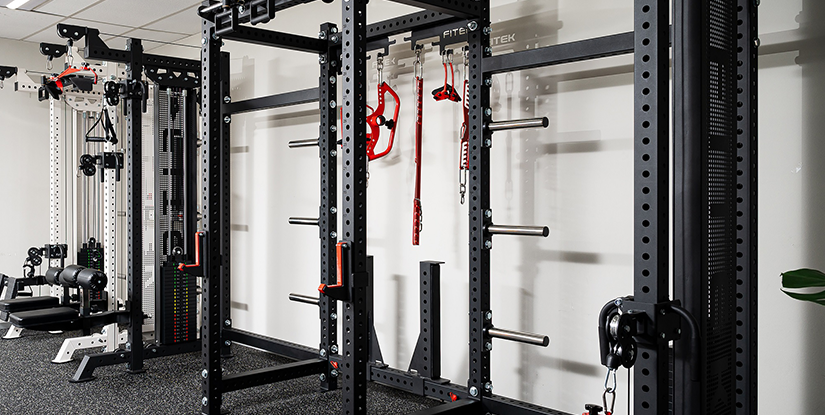
The following comparison helps clarify how different shipping modes affect your final investment based on the typical dimensions and weight of a high-quality steel frame.
| Shipping Method | Typical Dimensions/Weight Profile | Estimated Delivery Time | Budget Level |
|---|---|---|---|
| Air Freight | Lightweight/Small Components | 7–14 Days | Premium / High |
| Sea Freight (LCL) | Heavy Steel Frames & Safety Bars | 30–45 Days | Economical / Low |
| Sea Freight (FCL) | Bulk Small Home Gym Equipment | 35–50 Days | Best for Wholesale |
While air freight offers speed, the high cost of transporting heavy steel components usually makes sea freight the preferred choice for maintaining a competitive edge. When sourcing space saving power rack models, the increased weight of reinforced safety structures may push you toward sea freight to keep your squat rack safety standards high without exhausting your margins.
While optimizing logistics can lower your upfront shipping expenditure, true profitability is found in the long-term value of the hardware itself. Many buyers fall into the "cheap equipment trap," opting for lower-priced models that lack rigorous squat rack safety standards. While these units may appear cost-effective on a single-order invoice, they often lack the durability required for heavy lifting, leading to premature wear, component failure, and high replacement frequencies.
Investing in a high-tier most compact squat rack with safety features provides a superior long-term ROI. Low-quality small home gym equipment often utilizes thinner gauge steel or inferior welding, which compromises safety bar reliability over time. When the structural integrity of a safety bar is questionable, the risk of catastrophic failure increases, potentially leading to much higher costs in liability or equipment replacement. By prioritizing small home gym equipment quality during the initial procurement phase, you mitigate the hidden expenses of frequent maintenance and the inevitable need to upgrade a substandard unit prematurely.
Lifecycle maintenance planning for busy facilities
Maintaining the structural integrity of small home gym equipment requires more than just occasional cleaning; it demands a disciplined inspection routine. Even when sourcing the most compact squat rack with safety features, the high-intensity nature of strength training can lead to subtle shifts in alignment. For distributors and facility managers, neglecting these small details can lead to significant liability and equipment failure.
To ensure long-term reliability, we recommend a quarterly checklist centered on three critical areas. First, perform regular bolt tightening on all connection points to counteract vibrations from heavy lifting. Second, apply specialized lubrication to any moving parts or adjustable uprights to prevent friction-induced scoring. Finally, conduct a visual audit for signs of wear and tear, such as paint chipping or metal fatigue near the safety catches. By prioritizing these maintenance protocols, you protect the longevity of your investment and ensure that your space saving power rack remains a dependable asset for years to come.
To streamline your facility's operational efficiency, we have developed a structured maintenance framework. A proactive approach to upkeep ensures that your equipment consistently meets high squat rack safety standards, preventing unexpected downtime or mechanical failure.
The following table outlines a recommended schedule for routine checks to maintain the integrity of your most compact squat rack with safety components:
| Inspection Focus | Action Required | Frequency |
|---|---|---|
| Visual Inspection | Check for rust, paint degradation, or structural cracks. | Monthly |
| Safety Bar Alignment | Verify that all pins and catches lock securely and levelly. | Weekly |
| Weight Bearing Capacity | Inspect uprights and J-cups for any signs of metal fatigue. | Quarterly |
| Hardware Integrity | Tighten bolts and check for loose connections in the frame. | Bi-Annually |
By implementing this systematic oversight, you can confidently manage your space saving power rack inventory, ensuring that every unit remains a high-performance, safe asset for your end-users.
Beyond mechanical upkeep, the environment surrounding your most compact squat rack with safety plays a decisive role in its durability. In many smaller, multi-purpose rooms, air circulation is often limited, which can inadvertently lead to moisture accumulation. For distributors and high-end residential clients, strict humidity control is essential to prevent the oxidation of steel components. Even high-quality powder coatings can suffer if the air remains damp, making rust prevention a top priority for long-term inventory health.
Furthermore, the physical placement of your space saving power rack dictates the level of secondary wear. We advise utilizing high-density rubber matting for superior floor protection; this not only dampens vibration but also prevents structural shifting caused by uneven surfaces. Maintaining a clean compact footprint maintenance routine—ensuring the immediate area around the rack is free of debris and moisture—will significantly extend the lifecycle of the steel and ensure the equipment meets rigorous squat rack safety standards over time.