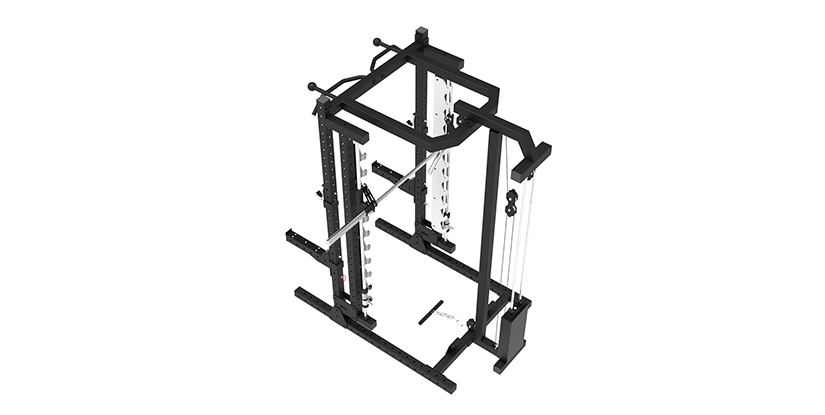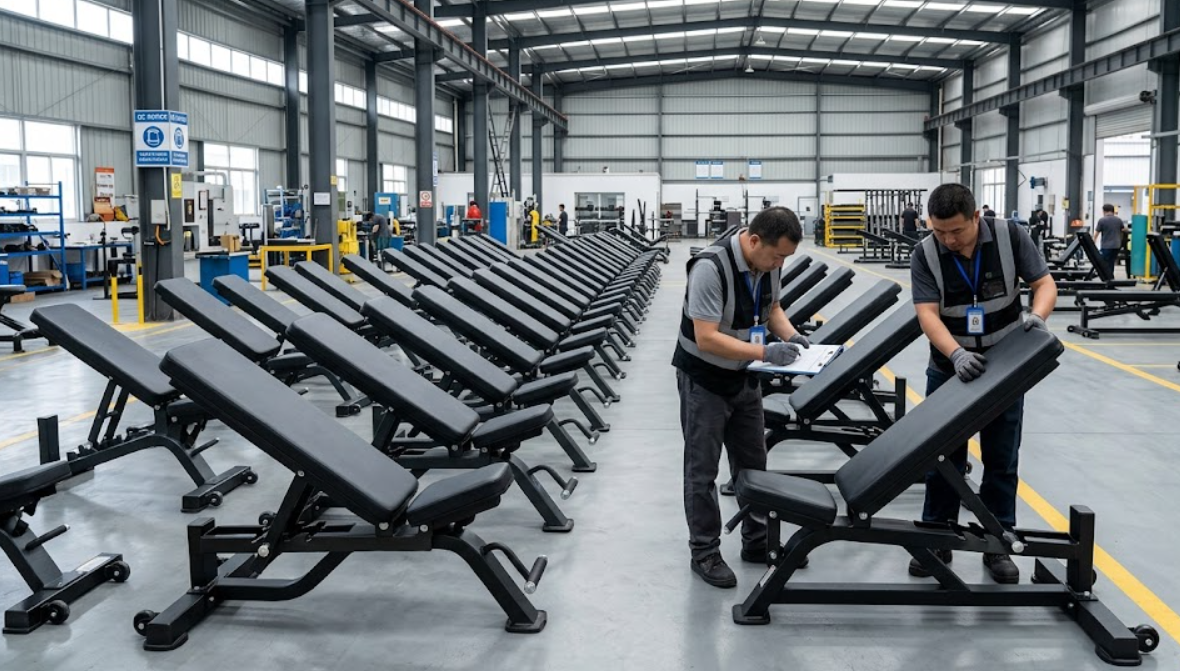
How to Choose the Best Squat Rack for a Basement Gym
Defining Your Basement Training Vision and Essential Criteria
A high-quality squat rack serves as the structural centerpiece of a dedicated strength training area, providing the stability required for heavy compound movements. For professional distributors and developers, selecting the best squat rack for basement gym installations involves balancing high-performance durability with the specific spatial limitations of residential lower levels.
Before sourcing inventory, you must align your training vision with the physical realities of the basement weightlifting space. Unlike open-concept commercial gyms, residential basements often present significant ceiling height constraints that can limit the use of standard uprights or overhead barbell paths. A successful home gym equipment setup requires a strategic assessment of footprint vs. functionality; you must determine if a full power rack or a more compact power rack guide-compliant model fits the floor plan without sacrificing safety or movement range. Understanding these dimensions early ensures that the equipment remains a long-term asset rather than a spatial liability.
Selecting the right configuration depends heavily on your specific floor space requirements and how you intend to utilize the area. When navigating a compact power rack guide, it is helpful to compare the three most common structural profiles to see which aligns with your spatial constraints.
| Rack Type | Footprint & Space Efficiency | Primary Use Case |
|---|---|---|
| Full Power Rack | Largest footprint; requires significant clearance. | Maximum safety for heavy, high-volume training. |
| Half Rack | Moderate footprint; excellent balance of utility/space. | Versatile strength training with better airflow. |
| Squat Stand | Minimal footprint; highest mobility/portability. | Small, multi-purpose basement weightlifting space. |
While a full power rack offers the most robust structural integrity, it may feel restrictive in a tight home gym equipment setup. If your priority is maximizing every square inch, a half rack or a high-quality squat stand provides the necessary mobility/portability to reconfigure the room for different exercises. Ultimately, the best squat rack for basement gym environments is the one that optimizes the available volume without compromising the athlete's range of motion.
Beyond the physical footprint of the rack itself, true spatial mastery requires accounting for the "invisible" dimensions of a training session. A common oversight in a home gym equipment setup is neglecting the movement radius required for safe execution. You must look beyond the metal uprights to ensure there is sufficient barbell clearance for loading plates and accommodating the natural arc of a heavy lift. A rack that fits perfectly on paper may become unusable if the barbell strikes a nearby support pillar or low-hanging ductwork during a rep.
Furthermore, a functional basement weightlifting space must integrate essential auxiliary zones. We recommend allocating dedicated room for weight plate storage to keep the floor clear of trip hazards, which is vital for maintaining a clean safety zone. When sourcing equipment, always calculate the total area needed for the rack, the barbell's full width, and the lateral space required for lateral movements or spotting. This proactive planning prevents the logistical regret of purchasing a high-quality unit that simply cannot operate effectively within its intended environment.
Critical Dimensions: Navigating Ceiling Height and Footprint Constraints
The most common oversight when designing a basement weightlifting space is failing to account for vertical clearance. While floor area is vital, the best squat rack for basement gym setups must prioritize the ceiling height to ensure user safety. If your ceiling is low, a standard upright might leave zero room for the overhead press space required for a full range of motion, or worse, prevent the safe unracking of a heavy barbell.
Before finalizing your home gym equipment setup, we recommend measuring from the floor to the lowest obstruction, such as a support beam or recessed lighting. You must ensure sufficient vertical dimensions to allow for both the barbell's diameter and the lifter's reach. Neglecting these safety considerations can lead to equipment damage or personal injury during high-intensity sessions.
| Rack Configuration | Vertical Profile | Storage Efficiency | Best Use Case |
|---|---|---|---|
| Full Power Rack | High (Tall) | Excellent (Integrated) | Dedicated training rooms |
| Half Rack | Medium | Good (External hooks) | Standard basement builds |
| Squat Stand | Low/Adjustable | Minimal | Tight compact power rack guide needs |
Beyond verticality, you must meticulously plan your horizontal footprint to avoid a cramped and hazardous environment. A common mistake in a home gym equipment setup is neglecting the actual width of the barbell. Most standard Olympic barbells are approximately 7.2 feet (2.2 meters) long; therefore, your basement weightlifting space must accommodate not just the rack itself, but the full extension of the bar. This is critical for ensuring that weight plates do not strike walls or adjacent furniture during a lift.
When following a compact power rack guide, always calculate the necessary lateral clearance. You need enough room to step inside the rack comfortably and move side-to-side without hitting obstructions. We suggest adding at least 2 to 3 feet of empty space on either side of the barbell to allow for safe plate loading and unhooking. Identifying these footprint constraints early ensures that the best squat rack for basement gym installations remain functional, safe, and scalable for long-term training.
To streamline your decision-making process, we have categorized common configurations by their spatial requirements. Selecting the best squat rack for basement gym use depends heavily on whether you are prioritizing stability or maximizing every available square inch of your basement weightlifting space.
| Rack Type | Footprint Size | Ceiling Height Needs | Ideal For |
|---|---|---|---|
| Full Power Rack | Large (Full Enclosure) | High (8ft+ recommended) | Advanced/Dedicated Lifters |
| Half Rack | Medium (Open Front) | Standard/Moderate | Intermediate/Multi-use |
| Squat Stand | Small (Minimal Base) | Low to High (Variable) | Beginners/Tight Spaces |
| Wall-Mounted | Minimal (Zero Floor Depth) | Variable | Extreme compact power rack guide needs |
When evaluating these options for your home gym equipment setup, remember that a smaller footprint often means less integrated storage. While a wall-mounted unit excels in tiny areas, a full rack offers the structural integrity and accessory management that serious athletes demand for long-term progression.
Structural Integrity and Load Capacity for Residential Settings
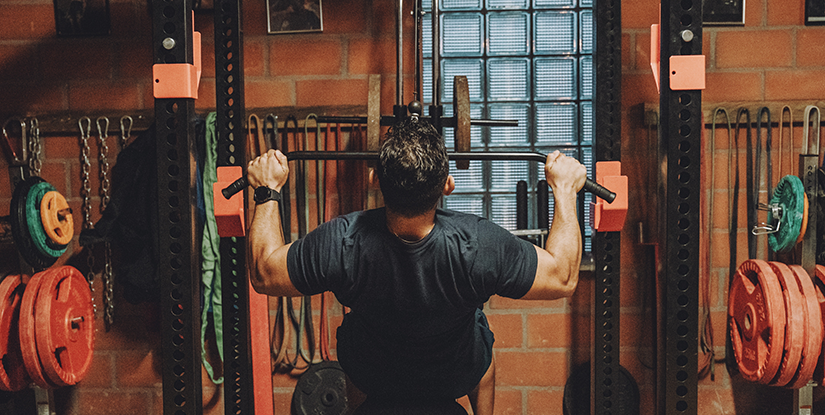
When designing a home gym equipment setup in a lower level, the most critical factor is the build quality of the frame. Unlike commercial facilities, a basement weightlifting space often deals with specific constraints regarding residential floor loading and vibration. Choosing the best squat rack for basement gym use requires a deep understanding of how much stress the structure can actually handle during heavy lifts.
The primary difference between budget models and professional-grade equipment lies in the steel gauge and the resulting structural integrity. While light-duty racks might suffice for light aerobic work, serious lifters require heavy-duty, high-tensile steel to ensure safety. A high-quality compact power rack guide should always emphasize a high weight capacity; a thicker steel profile prevents the frame from bowing or oscillating under heavy loads, ensuring that your investment remains stable and secure even during high-intensity training sessions.
To ensure long-term durability, it is essential to match the rack's structural specifications with your intended training intensity. A common mistake in a home gym equipment setup is overestimating the stability of lightweight frames, which can lead to structural fatigue over time. Whether you are a casual enthusiast or a dedicated lifter, selecting the right model ensures your basement weightlifting space remains a safe, high-performance environment.
The following comparison serves as a practical compact power rack guide to help you determine which tier of durability meets your specific needs. We have categorized these by user intensity to help you navigate the trade-offs between footprint and load-bearing stability.
| User Profile | Recommended Rack Type | Typical Load Capacity |
|---|---|---|
| Casual / Fitness Enthusiast | Folding Wall-Mount Rack | 250 – 400 lbs |
| Intermediate / Strength Trainee | Standard Half Rack | 450 – 650 lbs |
| Advanced / Heavy Lifter | Full Power Cage | 700+ lbs |
When sourcing the best squat rack for basement gym applications, always prioritize a high steel gauge. A more robust frame not only supports higher weights but also minimizes the vibration and noise transfer to the floor above, which is vital for residential longevity.
Prioritizing Stability and Noise Mitigation
Beyond raw weight capacity, true durability in a basement weightlifting space is defined by how the equipment interacts with the building's structure. One of the most frequent challenges in a residential home gym equipment setup is the transfer of kinetic energy. Without proper stability, heavy lifts can create significant micro-vibrations that travel through the floor joists, potentially causing noise disturbances in the living areas above.
To achieve professional-grade vibration reduction, we recommend focusing on the rack's footprint and its contact points. A high-quality compact power rack guide should suggest utilizing heavy-duty rubber flooring or specialized recessed mats. This serves dual purposes: it provides essential floor protection against heavy plate drops and acts as a shock absorber to dampen sound. For the best squat rack for basement gym environments, look for models with wide, flared bases or those that can be securely bolted to a subfloor if your layout allows. Proper anchoring and high-density matting ensure your training remains high-impact without compromising the structural peace of the household.
Optimizing Your Home Gym Equipment Setup for Small Footprints
Designing a high-performance training zone in a lower level requires more than just selecting heavy iron; it demands meticulous spatial strategy. When planning a home gym equipment setup in a residential setting, the primary challenge is often the lack of unrestricted dimensions. Unlike commercial facilities with soaring industrial ceilings, basement environments present unique architectural hurdles that can render a standard rack unusable if not properly vetted.
The search for the best squat rack for basement gym use begins with measuring your vertical and horizontal boundaries. You must prioritize ceiling height considerations—specifically ensuring there is enough clearance for the barbell to be lifted above your head without hitting low-hanging joists or pipes. Furthermore, calculating floor clearance is critical; you need sufficient room for weight plate storage and movement buffers to prevent the equipment from feeling cramped or unsafe. A well-planned footprint ensures your training space remains functional rather than cluttered.
Navigating the physical constraints of a residential basement weightlifting space requires a strategic selection between different rack architectures. Depending on your available square footage, you may need to choose between a fixed footprint or more versatile, space-saving options. Below is a compact power rack guide to help you visualize how different models impact your usable area.
| Rack Type | Typical Footprint | Best Use Case |
|---|---|---|
| Standard Power Rack | 4' x 4' to 5' x 5' | Maximum stability for heavy lifting in larger basements. |
| Half Rack | 3' x 5' to 4' x 5' | A balanced middle ground for medium-sized training zones. |
| Squat Stand / Folding Rack | Variable (Often < 2' deep when folded) | Ideal for tight weightlifting space where floor area is premium. |
When sourcing equipment, consider whether your layout benefits from mobility/wheels. Some modern, high-quality racks feature integrated casters, allowing you to reposition the unit for cleaning or to clear the floor for other activities. While fixed racks offer superior stability for heavy compound movements, a mobile or wall-mounted unit can significantly expand the utility of a small home gym equipment setup by reclaiming valuable floor real estate when not in active use.
Prioritizing Vertical Clearance and Safety Zones
Beyond the footprint on the floor, the most overlooked variable in a residential basement weightlifting space is the overhead environment. Even if your rack fits the floor dimensions, inadequate vertical clearance can compromise your training. You must account for the height of the barbell at its highest point during a lift, plus a significant buffer to avoid contact with low-hanging HVAC ducts, exposed joists, or lighting fixtures. A rack that is too tall for your ceiling can turn a routine set into a hazardous situation.
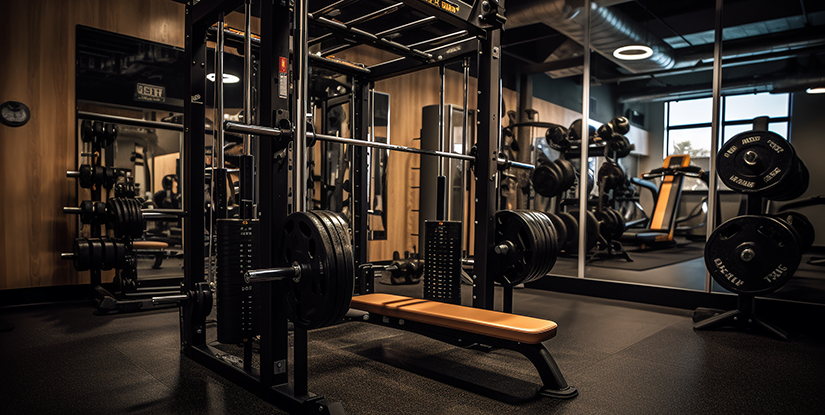
Furthermore, a functional home gym equipment setup requires more than just the rack itself; it requires a defined barbell path. Ensure there is enough room to move the bar through its natural arc without striking walls or structural pillars. We also recommend establishing dedicated safety zones around the equipment. This buffer zone prevents the rack from feeling claustrophobic and ensures that if a weight is dropped or a barbell is moved laterally, there is a margin of safety between the athlete and the surrounding architecture.
Material Selection and Long-Term Maintenance for Subterranean Environments
One of the most overlooked challenges when designing a basement weightlifting space is the inherent moisture level of lower levels. Unlike ground-floor or upper-level setups, basements are prone to higher relative humidity and fluctuating temperatures. Without proper humidity control, even high-grade steel is susceptible to oxidation. If you are sourcing the best squat rack for basement gym use, you must prioritize the surface treatment to ensure your investment doesn't degrade within a few seasons.
We highly recommend looking for equipment finished with a premium powder coating rather than standard liquid paint. A high-quality powder coating acts as a durable barrier, providing superior corrosion resistance against ambient moisture. This level of rust prevention is essential for maintaining the structural integrity and aesthetic appeal of your home gym equipment setup. When evaluating manufacturers, always confirm their coating thickness and application standards to ensure the metal remains protected in subterranean environments.
When selecting the best squat rack for basement gym applications, the specific finish dictates how much upkeep your equipment will require over time. While chrome finishes offer a sleek, high-end aesthetic, they can be more susceptible to micro-cracks and subsequent oxidation if the environment is particularly damp. In contrast, high-grade powder coatings are the industry standard for durability in basement weightlifting space configurations due to their ability to seal the steel completely against moisture-prone air.
To help you navigate your compact power rack guide, we have compared common finishes based on their resilience to the unique atmospheric conditions found in lower levels.
| Finish Type | Humidity Resistance | Maintenance Level | Best For |
|---|---|---|---|
| Powder Coat | High | Low | Moisture-prone areas & high-traffic use |
| Chrome Plating | Moderate | Medium | Aesthetic-focused home gym equipment setup |
| Standard Paint | Low | High | Budget-friendly, dry environments |
For long-term reliability, investing in a robust coating ensures that your equipment remains functional and visually striking, regardless of the humidity levels in your basement.
Beyond the initial purchase, proactive upkeep is essential to ensure basement weightlifting space longevity. Because subterranean air can be stagnant, a strict set of cleaning protocols should be implemented to prevent dust and moisture buildup from compromising your gear. We suggest a monthly regular inspection of all bolts, uprights, and moving parts. This allows you to identify any early signs of oxidation or loosening caused by the vibrations of heavy lifting.
To maintain smooth mechanical function, a light application of high-quality silicone spray on guide rods or adjustable components can prevent sticking and friction-related wear. Additionally, to protect your home gym equipment setup from the elements, we recommend utilizing moisture absorbers or a dedicated dehumidifier within the room. Controlling the ambient environment is the most effective way to preserve the best squat rack for basement gym installations, ensuring your steel remains pristine and structurally sound for years of heavy training.
A Compact Power Rack Guide for Versatile Strength Training
When planning a home gym equipment setup, the most significant variable in your procurement strategy is the budget spectrum. Determining the best squat rack for basement gym use requires balancing initial capital expenditure against long-term durability. We generally categorize these investments into distinct budget tiers to help buyers align their financial planning with their training goals.
At the entry-level tier, you will find lightweight, functional frames designed for limited space and moderate resistance. These are cost-effective for hobbyists but may lack the structural density required for heavy progressive overload. Conversely, the premium tier offers high-gauge steel, advanced knurling, and integrated accessory rails. While the upfront cost is higher, the cost-to-value ratio improves significantly when considering the equipment's lifespan and resale stability. Understanding whether your basement weightlifting space requires a basic structural frame or a high-performance station is the first step in optimizing your investment.
To assist in your decision-making process, we have categorized the most common configurations. This comparison allows you to visualize how different models impact both your financial outlay and the physical footprint within your basement weightlifting space. Selecting the right model is not just about the lowest price, but about finding the equilibrium between structural integrity and available square footage.
| Rack Configuration | Estimated Price Tier | Space Footprint | Key Features |
|---|---|---|---|
| Folding Rack | $ (Budget-Friendly) | Minimal (Wall-Mounted) | Space-saving, ideal for multi-purpose rooms |
| Half Rack | $$ (Mid-Range) | Moderate | Great balance of stability and accessibility |
| Full Power Rack | $$$ (Premium) | Large / Fixed | Maximum safety, high weight capacity, and versatility |
As you navigate this compact power rack guide, consider that a higher initial investment in a full power rack often yields better long-term value due to increased safety features and expanded training capabilities. Whether you are prioritizing a lean home gym equipment setup or a heavy-duty training station, ensure your choice aligns with your ceiling height and floor load capacity.
Evaluating Total Cost of Ownership and Logistics
When sourcing the best squat rack for basement gym applications, savvy buyers look beyond the sticker price to evaluate the total cost of ownership. A common oversight in a home gym equipment setup is failing to account for the "hidden" expenses associated with heavy-duty steel. High-quality frames possess significant mass, which directly impacts shipping considerations. Depending on the weight and dimensions, freight costs can substantially alter your final landed cost, especially when navigating the logistics of a residential delivery to a lower level.
Furthermore, we recommend assessing assembly complexity before finalizing a purchase. While some modular designs offer lower upfront costs, they may require extensive time or specialized tools for installation. Investing in a more robust, professionally engineered unit often provides superior long-term durability, ensuring the frame remains stable through years of heavy loading. Prioritizing investment vs. longevity means choosing a piece that won't require replacement or structural reinforcement every few seasons. A high-quality, durable rack is a one-time capital expenditure that secures your basement weightlifting space for the long haul.
Maximizing ROI: Why Quality Matters for Your Long-Term Setup
When planning a home gym equipment setup, the temptation to opt for entry-level, budget-friendly models is high. However, from a procurement standpoint, the true value lies in the cost-per-use ratio. Choosing the best squat rack for basement gym environments often means prioritizing build quality over the lowest initial price tag. A low-cost unit may save money upfront, but it frequently lacks the structural integrity required for progressive overload, leading to premature wear or even safety concerns.
We recommend evaluating the gauge of the metal: heavy-duty steel vs. light-duty alternatives can be the difference between a rack that lasts a decade and one that wobbles under heavy loads. Investing in high-grade steel ensures superior durability and stability, making it a smart long-term investment for your basement weightlifting space. By selecting professional-grade components now, you avoid the recurring costs of replacing inferior equipment, ensuring your training space remains a reliable, high-performance asset for years to come.
To ensure your investment aligns with your specific constraints, we have developed this compact power rack guide. Selecting the right tier depends on how much you value footprint versus structural versatility. Whether you are a casual lifter or a serious strength athlete, understanding these categories will help you optimize your basement weightlifting space without overspending on unnecessary features or under-investing in safety.
The following framework compares common equipment tiers to help you finalize your home gym equipment setup based on your actual training requirements and available square footage.
| Tier | Space Requirement | Ideal User | Longevity |
|---|---|---|---|
| Entry-Level / Folding | Minimal / Wall-mounted | Casual Fitness Enthusiast | Moderate (3–5 years) |
| Mid-Range / Half Rack | Standard Footprint | Dedicated Strength Trainee | High (7–10+ years) |
| Professional / Full Power Rack | Maximum / Fixed Area | Advanced Athlete / Coach | Exceptional (Long-term) |
When searching for the best squat rack for basement gym use, always consider the ceiling height and floor load capacity before finalizing your order. A higher tier of equipment provides better stability for heavy lifting, but a well-chosen compact model can offer the most efficient ROI for restricted residential areas.
Strategic Checklist: Finalizing Your Procurement
Before you pull the trigger on your purchase, move beyond the spec sheet and consider the "hidden" logistical costs that impact your total cost of ownership. Even the best squat rack for basement gym installations can become a headache if the physical dimensions or delivery requirements are overlooked. A high-quality unit is only a good investment if it actually fits and functions within your specific architectural constraints.
Use this final checklist to mitigate risk and ensure a seamless home gym equipment setup:
- Vertical Clearance: Measure from your floor to the lowest obstruction (pipes, joists, or low-hanging lights). Ensure your basement weightlifting space accommodates the rack height plus the overhead space needed for barbell movement.
- Weight Capacity vs. Floor Load: Verify that the rack's maximum load rating aligns with your lifting goals, but also ensure your basement floor can support the concentrated weight of the rack and heavy plates.
- Assembly Complexity: Evaluate the number of bolts and the required tools. High-end modularity is great, but excessive assembly complexity can lead to installation errors or structural instability if not executed perfectly.
- Shipping & Logistics: Heavy-duty steel is dense. Account for increased shipping considerations, such as freight delivery fees and the necessity of a loading dock or liftgate service for residential deliveries.
By verifying these technical details during the selection phase, you transform a simple purchase into a professional-grade compact power rack guide implementation that maximizes both safety and long-term utility.