How to Choose the Best FID Bench for Your Power Rack
Defining Your Training Standards: The FID Bench Selection Framework
Many buyers fall into the trap of prioritizing low initial costs, only to face premature wear or mechanical failure when heavy lifting begins. This reactive approach often leads to frequent replacements and disrupted training cycles. Instead, professional procurement focuses on a strategic framework that aligns training intensity with structural integrity. When sourcing the best fid bench for power rack integration, you must view the equipment not as a simple commodity, but as a long-term investment in your facility's operational stability.
A high-quality adjustable weight bench serves as the cornerstone of a versatile training station. Whether you are scaling a boutique studio or optimizing a premium home gym, the goal is to find a balance between mechanical versatility and extreme durability. By selecting a bench that matches the rigorous demands of high-volume usage, you effectively mitigate future maintenance costs and ensure a superior return on investment through extended product lifecycles.
To streamline your decision-making process, we have categorized common configurations based on practical deployment constraints. Selecting the right flat incline decline bench depends heavily on your available footprint and how frequently the equipment will be subjected to heavy loading. A mismatch here often results in either wasted floor space or a piece of equipment that lacks the structural capacity for serious strength training.
The following comparison serves as a quick-reference guide to help you evaluate how different models align with your specific setup requirements and long-term utility goals.
| Bench Configuration | Space Requirements | Usage Frequency | Maintenance Level | Budget Tier |
|---|---|---|---|---|
| Standard Adjustable Weight Bench | Moderate/Compact | Daily/High | Low (Routine Check) | Mid-Range |
| Heavy-Duty Flat Incline Decline Bench | Large/Expanded | Professional/Intense | Medium (Bolt Tightening) | Premium |
| Compact/Folding Bench | Minimal/Small | Occasional/Light | Low (Visual Only) | Entry-Level |
When following this home gym equipment guide, remember that a higher budget tier typically translates to a lower total cost of ownership due to increased component longevity and reduced downtime.
Navigating the quality vs cost spectrum requires a clear understanding of your long-term objectives. While entry-level models may seem attractive for immediate budget relief, they often fail to provide the versatile training capabilities required as your strength progresses. For those integrating equipment into a dedicated power rack, space optimization is equally critical; you need a bench that fits seamlessly within the rack's footprint without sacrificing stability or range of motion.
To maximize your ROI, we recommend looking beyond the initial price tag and evaluating the gauge of the steel and the robustness of the adjustment mechanisms. A premium adjustable weight bench acts as a force multiplier for your existing setup, offering a wide variety of angles that turn a single rack into a comprehensive training station. By prioritizing high-grade construction now, you avoid the logistical headaches of frequent replacements and ensure your setup remains a reliable asset for years to come.
Essential Compatibility: Matching Bench Dimensions to Your Power Rack
Before finalizing your procurement, you must evaluate the physical interaction between your equipment. A common oversight in gym builds is neglecting the footprint of the adjustable weight bench relative to the rack's uprights. If the bench is too wide or the base is too long, it can obstruct barbell path movement or interfere with safety spotting arms. Finding the best fid bench for power rack integration requires a strict focus on clearance to ensure the user can move through full ranges of motion without hitting the rack structure, which is a critical safety requirement for high-intensity training.
From a logistics and space-optimization standpoint, different bench designs offer varying levels of utility within a confined footprint. Below is a comparison to help you determine the best fit for your specific layout requirements:
| Bench Configuration | Space Efficiency | Storage Capability | Ideal Use Case |
|---|---|---|---|
| Standard Fixed Base | Moderate | Requires full floor area | High-traffic commercial zones |
| Compact FID Design | High | Easier to reposition | Limited space home gyms |
| Nested/Stackable Bench | Maximum | Optimized for vertical storage | Multi-use training facilities |
When sourcing, always request the exact dimensions of the base and the total length when fully extended. Ensuring these specs align with your rack's internal width will prevent costly compatibility errors and maximize your training ROI.
Beyond simple footprint, the versatility of a flat incline decline bench depends heavily on how it interacts with your barbell's path. A high-quality adjustable weight bench should offer smooth transitions between angles without requiring excessive clearance that forces the user too far from the rack uprights. In our home gym equipment guide, we emphasize that a bench with a narrow, streamlined base often provides superior space efficiency, allowing for more aggressive movement within the rack's safety zone.
When evaluating long-term value, consider the durability of the adjustment mechanism. A bench that offers high utility but requires constant maintenance will quickly diminish your ROI. To simplify your decision-making, we have categorized common configurations based on their primary operational strengths:
| Bench Type | Primary Benefit | Maintenance Level | Best For |
|---|---|---|---|
| Standard flat incline decline bench | Maximum Stability | Low | Heavy Compound Lifts |
| Slim-Profile FID | Enhanced space efficiency | Moderate | Compact Home Racks |
| Heavy-Duty Commercial | Highest durability | Low | High-Volume Training |
Choosing the best fid bench for power rack setups involves balancing these physical constraints with your training intensity. Always prioritize a design that maintains structural integrity across all angles to ensure long-term reliability in your facility.
Ultimately, the long-term value of your investment is determined by more than just the initial price point. When sourcing a flat incline decline bench, the high-quality construction of the steel frame and the resilience of the upholstery are the true indicators of durability. A bench built with heavy-gauge steel and industrial-grade powder coating minimizes the need for frequent maintenance, ensuring the equipment remains a staple in your training routine for years.
For those following a home gym equipment guide, we suggest looking beyond basic aesthetics to examine the welding quality and the thickness of the padding. High-end adjustable weight bench models utilize high-density foam that resists compression, preventing the "sagging" effect common in lower-tier products. By prioritizing high-quality construction and maintenance-free finishes, you secure a much higher long-term value, as these professional-grade components can withstand the rigorous, repetitive stress of heavy compound lifts without degrading.
Structural Integrity and Load Capacity for Heavy Compound Movements
When integrating a bench into a power rack, the primary concern for any serious lifter is not just the angle of inclination, but the fundamental structural integrity of the unit. During heavy compound movements like the bench press or heavy seated rows, even minor oscillations can compromise your form and safety. A premium best fid bench for power rack setups must act as a rigid extension of the rack itself, rather than a separate, flimsy component.
From a procurement perspective, high-performance stability is a direct result of high-gauge steel construction and precision welding. If you are sourcing for a facility or a high-end home gym, prioritizing a high weight capacity is essential to ensure long-term ROI. An adjustable weight bench that lacks a wide, reinforced base will fail to provide the necessary support during maximal effort lifts, leading to premature wear or structural failure. Choosing a robust flat incline decline bench ensures that your training remains focused on strength gains rather than equipment limitations.
To maximize your investment, you must weigh the trade-offs between specialized functionality and long-term utility. While a standard bench might suffice for light accessory work, a high-quality flat incline decline bench serves as a versatile centerpiece that justifies its higher initial cost through expanded training possibilities.
When evaluating your options, consider how space efficiency and maintenance requirements impact your long-term ROI. For instance, a heavy-duty adjustable weight bench may require more floor area due to its wider footprint, but its durability often results in a much longer lifecycle for commercial or high-traffic settings. Below is a comparison to help you determine which model aligns with your specific training intensity and budget constraints.
| Bench Type | Primary Use Case | Space Requirement | Maintenance Level | Budget Profile |
|---|---|---|---|---|
| Standard Flat Bench | Basic Strength Training | Low | Minimal | Entry-Level |
| Adjustable Weight Bench | Versatile Hypertrophy | Moderate | Low to Medium | Mid-Range |
| Premium FID Bench | Advanced Compound Lifts | Higher | Moderate | High-End/Investment |
Ultimately, selecting the best fid bench for power rack integration depends on whether you prioritize a compact footprint or the ability to execute a diverse range of angles for complete muscle development.
Beyond the initial purchase, ensuring your equipment remains a safe and reliable asset requires a focus on maintenance and material quality. As part of a comprehensive home gym equipment guide, we recommend looking for high-quality materials such as high-gauge steel and UV-resistant upholstery. These elements are not just aesthetic choices; they are critical for maintaining structural stability over years of heavy use. A bench that adheres to strict safety standards will resist rust, upholstery tearing, and mechanical fatigue, providing much higher long-term value for your training facility.
Protecting Your Investment Through Routine Care
To keep your adjustable weight bench in peak condition, implement a simple routine of checking pivot bolts and lubrication points. For those using a flat incline decline bench within a power rack, ensure the sliding mechanisms remain free of debris to prevent friction-induced wear. By prioritizing equipment built with premium finishes and robust components, you reduce the frequency of replacements and ensure that your strength training remains both productive and secure.
Optimizing Versatility with Adjustable Incline and Decline Settings
When space is at a premium within a power rack footprint, the utility of your equipment is defined by its range of motion. A standard flat bench offers limited utility, but investing in the best fid bench for power rack setups ensures that your training evolves alongside your strength. The primary advantage of a high-quality adjustable weight bench is the ability to manipulate muscle engagement angles through precise incline and decline adjustments.
By incorporating various angles, a single piece of equipment can replace multiple specialized benches, significantly increasing the ROI of your gym layout. Whether you are targeting the clavicular head of the pectorals with an incline setting or focusing on lower chest development with a decline position, this versatility is essential. For distributors and gym owners, sourcing a flat incline decline bench that maintains structural integrity at extreme angles is a critical quality control metric, ensuring the equipment remains a long-term asset rather than a spatial bottleneck.
Deciding between a fixed-angle model and a highly versatile flat incline decline bench often comes down to your specific operational goals. While fixed benches are often more cost-effective upfront, they lack the adaptability required for diverse training programs. To help you determine the right direction for your inventory or home setup, we have outlined the primary trade-offs regarding space efficiency, budget vs. functionality, and long-term maintenance.
| Feature Consideration | Fixed-Angle Bench | Highly Adjustable adjustable weight bench |
|---|---|---|
| Space Efficiency | Compact; ideal for tight footprints. | Requires more clearance for adjustments. |
| Budget vs. Functionality | Lower initial cost; single-use focus. | Higher investment; multi-angle utility. |
| Durability & Maintenance | Minimal moving parts; very low upkeep. | Requires periodic checking of adjustment pins/bolts. |
| Ideal Use Case | Specialized, repetitive movements. | The best fid bench for power rack integration. |
When sourcing, prioritize models with reinforced adjustment mechanisms. A premium flat incline decline bench might require slightly more maintenance to ensure the pivot points remain smooth, but the ability to switch between angles provides a superior ROI by maximizing the utility of your existing power rack space.
As you refine your home gym equipment guide, focus on the mechanical complexity inherent in high-end designs. While a multi-angle setup offers unmatched versatility, the adjustment mechanism is often the first point of failure if quality control is overlooked. A high-quality adjustable weight bench must balance a smooth transition between settings with absolute stability under heavy loads. In many professional environments, we recommend inspecting the thickness of the steel ladder or the precision of the pop-pin systems, as these components dictate the long-term investment value.
For those prioritizing a long-term investment, the trade-off between mechanical sophistication and maintenance becomes clear. A robust flat incline decline bench with a heavy-duty steel frame and reinforced pivot points will withstand years of high-frequency use, even if it requires slightly more attention to keep the adjustment pins lubricated and secure. Ultimately, the best fid bench for power rack integration is one that provides a seamless transition between angles without compromising the user's safety or the structural integrity of the entire training station.
Upholstery Durability and Maintenance for High-Frequency Use
When sourcing the best fid bench for power rack integration, many buyers overlook the long-term impact of material fatigue. In a high-intensity training environment, the internal components face constant compression. Investing in high-density foam is non-negotiable; low-grade alternatives flatten quickly, compromising user stability and structural integrity. This loss of density often leads to premature replacement cycles, negatively affecting your total ROI.
Beyond the core, the exterior must withstand rigorous contact. High-quality adjustable weight bench models feature upholstery with superior tear resistance to prevent splitting under heavy loads. We recommend prioritizing a specialized sweat-proof coating to protect against moisture and salt buildup, which are the primary culprits of surface degradation. When evaluating durability vs. cost, remember that a slightly higher upfront investment in premium upholstery significantly reduces maintenance frequency and extends the equipment's lifecycle in any professional or serious home setting.
To maximize your return on investment, you must select a surface that balances aesthetic appeal with rigorous hygiene requirements. Depending on whether you are outfitting a boutique studio or a personal training space, the material choice for your flat incline decline bench will dictate both the maintenance schedule and the overall lifespan of the unit. Below, we have compared the most common materials used in premium home gym equipment guide standards to help you make an informed decision.
| Material Type | Sweat Resistance | Ease of Cleaning | Typical Lifespan | Best Use Case |
|---|---|---|---|---|
| PU (Polyurethane) | High | Very Easy | Medium | Standard Home Gyms |
| Vinyl (High-Grade) | Moderate | Easy | Long | High-Traffic Commercial |
| Genuine Leather | Low | Difficult | Variable | Luxury/Boutique Settings |
Selecting the right adjustable weight bench material ensures that your equipment remains functional and visually professional despite constant use. While genuine leather offers a premium feel, a high-grade synthetic or vinyl-based flat incline decline bench is often the superior choice for long-term durability and ease of sanitation in moisture-heavy environments.
To ensure home gym longevity, proactive care is just as vital as the initial purchase. Even the highest-grade upholstery requires consistent cleaning protocols to prevent the buildup of skin oils and perspiration. We suggest using a mild, pH-neutral soap and a damp cloth rather than harsh chemical solvents, which can strip the protective coating and lead to surface cracking. Neglecting these long-term maintenance steps often results in premature material failure, even if the steel frame remains intact.
Furthermore, moisture control is essential for protecting both the padding and the mechanical adjustment points. Always ensure the training area is well-ventilated to prevent humidity from settling into the seams of your adjustable weight bench. To prevent cracks in the upholstery, avoid leaving the equipment in direct sunlight or extreme temperature fluctuations, which can dehydrate the synthetic materials. By adhering to a regular inspection routine—checking for loose bolts or thinning foam—you can maintain the structural integrity of your equipment and ensure your investment continues to deliver high performance for years to come.
Long-term Value: Evaluating Build Quality vs. Price Points
When sourcing equipment for a professional setup, the temptation to prioritize low initial costs is high. However, in the world of strength training, the best fid bench for power rack integration is defined by its ability to withstand heavy mechanical stress over years, not just months. A budget-tier bench often utilizes thin, low-grade steel that can flex under heavy loads, compromising user safety and stability. To ensure a high long-term investment, procurement specialists should look for a heavy-duty steel gauge—typically 11-gauge or thicker—which provides the rigid foundation necessary for heavy compound lifts.
Beyond the frame, the durability of the adjustable weight bench relies heavily on its contact points. Low-quality padding tends to compress or crack under repetitive high-impact use, leading to increased maintenance requirements and premature replacement. By selecting a model featuring high-quality upholstery and reinforced stitching, you reduce the frequency of repairs and ensure the equipment remains a reliable asset. Choosing a premium build may require more upfront capital, but it ultimately delivers a superior return on investment by minimizing downtime and replacement cycles.
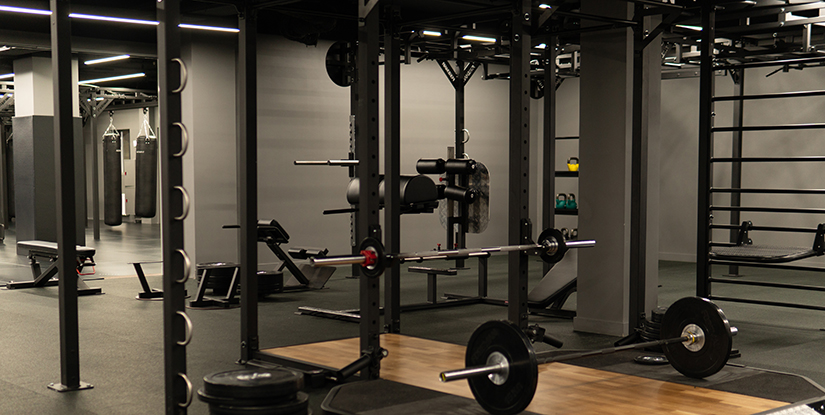
Navigating the trade-off between upfront expenditure and operational longevity is a critical step in any home gym equipment guide. For those managing limited footprints, space efficiency is just as vital as structural integrity. A high-end flat incline decline bench might offer a more compact footprint or smarter nesting capabilities, whereas budget versions often lack the precision engineering required to fit seamlessly within a power rack's dimensions without interference.
To help you determine the right tier for your specific training environment, we have outlined a comparison below. This framework assists in balancing your budget against the intended intensity of use.
| Tier Level | Primary Use Case | Expected Durability | Price Profile |
|---|---|---|---|
| Entry-Level | Light home use / Occasional training | Moderate (requires frequent check-ups) | Budget-Friendly |
| Mid-Range | Regular strength training / Dedicated home gyms | High (stable under standard loads) | Moderate Investment |
| Premium/Commercial | Heavy compound lifting / High-frequency use | Maximum (built for heavy mechanical stress) | Premium Capital Outlay |
Ultimately, selecting a versatile adjustable weight bench is a decision of scale. While a basic model serves a purpose, investing in a robust, high-gauge steel build ensures your equipment remains a staple of your training routine rather than a recurring expense.
A value-driven decision making process requires looking beyond the sticker price to identify the true cost of ownership. When a bench lacks sufficient weight capacity or structural stability, the resulting wear and tear on both the mechanical adjustments and the frame becomes an inevitable liability. For a professional or serious enthusiast, a bench that wobbles under a heavy press is not just a nuisance—it is a safety hazard that devalues the entire rack setup.
To avoid the trap of "buying twice," prioritize components that resist common points of failure. This includes high-tensile adjustment pins, reinforced pivot points, and high-density foam that maintains its shape under pressure. By focusing on these high-value features, you ensure that your best fid bench for power rack integration remains a fixed asset rather than a depreciating one. True value is found in the intersection of high-grade materials and precision engineering, ensuring your equipment performs consistently through every incline, flat, and decline session.
Vendor due diligence and specification guardrails
When sourcing equipment for a long-term setup, the structural integrity of your gear determines your return on investment. A subpar adjustable weight bench will quickly succumb to metal fatigue or mechanical failure under heavy loads. To ensure you find the best fid bench for power rack integration, you must look beyond basic aesthetics and scrutinize the technical specifications of the frame and padding.
A high-quality flat incline decline bench should be constructed from a heavy-duty steel gauge, typically 11-gauge or thicker, to maintain stability during explosive movements. Furthermore, the longevity of the unit relies heavily on upholstery durability. We recommend prioritizing high-density foam wrapped in reinforced, sweat-resistant vinyl. This combination prevents the "bottoming out" sensation common in lower-tier home gym equipment guide recommendations, ensuring the bench remains a reliable centerpiece of your training session for years to come.
To truly evaluate build quality, buyers must implement a rigorous framework for assessing weight capacity vs. frame thickness. It is not enough to simply trust a manufacturer's stated load limit; you must understand the engineering behind it. A premium adjustable weight bench achieves its rating through a combination of wide-profile steel tubing and reinforced welding points at high-stress junctions. When your setup involves a power rack, the bench must remain perfectly stationary to prevent lateral shifting during heavy presses.
We suggest a practical approach to stability testing during your procurement process. Evaluate the bench's footprint and the thickness of the steel base to ensure it can withstand uneven weight distribution. A reliable flat incline decline bench should exhibit zero wobble when transitioning between angles. If you are sourcing for a commercial or high-end residential project, prioritize units that feature a wide-base design. This structural foresight ensures that the equipment remains a stable, safe platform, regardless of the intensity or the angle of the lift.
Beyond structural thickness, true durability is revealed in the fine details of manufacturing. When reviewing technical data sheets or requesting samples, pay close attention to the welding quality. High-stress connection points should feature seamless, deep-penetration welds rather than superficial beads, as these are the primary failure points under heavy eccentric loading. A well-built adjustable weight bench must maintain its geometric integrity through thousands of angle adjustments without any structural deflection.
The mechanical longevity of your flat incline decline bench also depends on the precision of its moving parts. We advise inspecting the bearing/pivot smoothness of the adjustment mechanisms; high-grade components should offer fluid, resistance-free movement without any "catching" or grinding sensations. Finally, do not overlook the protective finish. A superior powder coating is essential to prevent oxidation and chipping caused by sweat and environmental moisture. Following these rigorous standards in your home gym equipment guide ensures you invest in a piece that remains as functional as day one, regardless of training intensity.