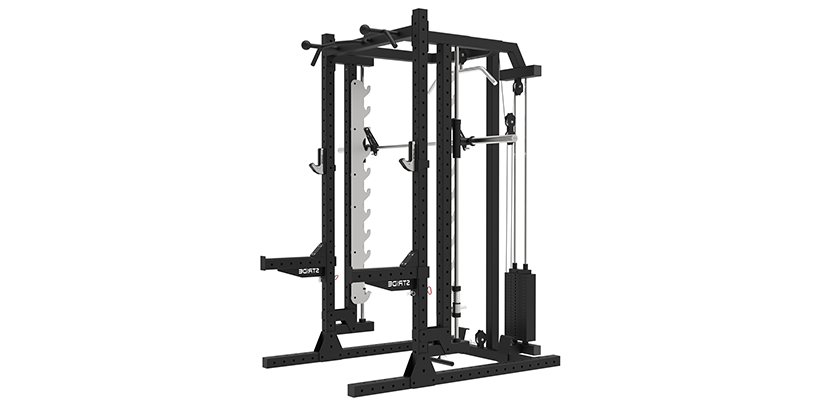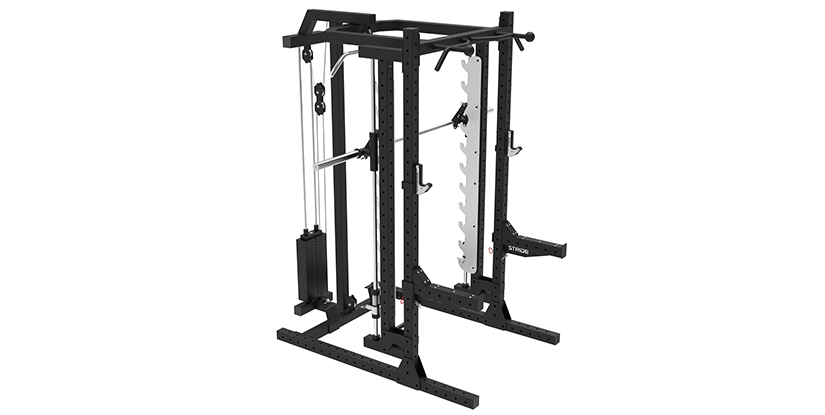
Power Rack with Cables | Maintaining Commercial Power Racks
Verifying Manufacturer Standards and Quality Control Protocols
Many distributors mistakenly prioritize lower unit costs by overlooking strict manufacturing standards, often resulting in premature structural fatigue. A superior sourcing strategy involves auditing a factory’s ability to maintain rigorous quality control for every power rack with cables, ensuring the unit meets high-intensity usage requirements rather than just basic fitness specs.
Prioritizing Structural Integrity and Weight-Bearing Capacity
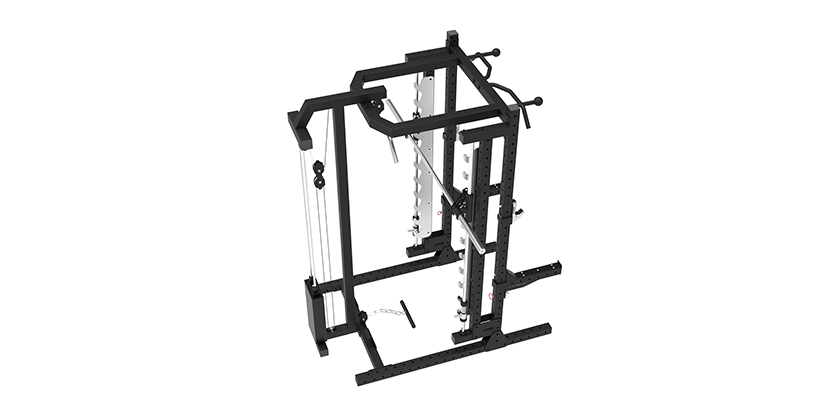
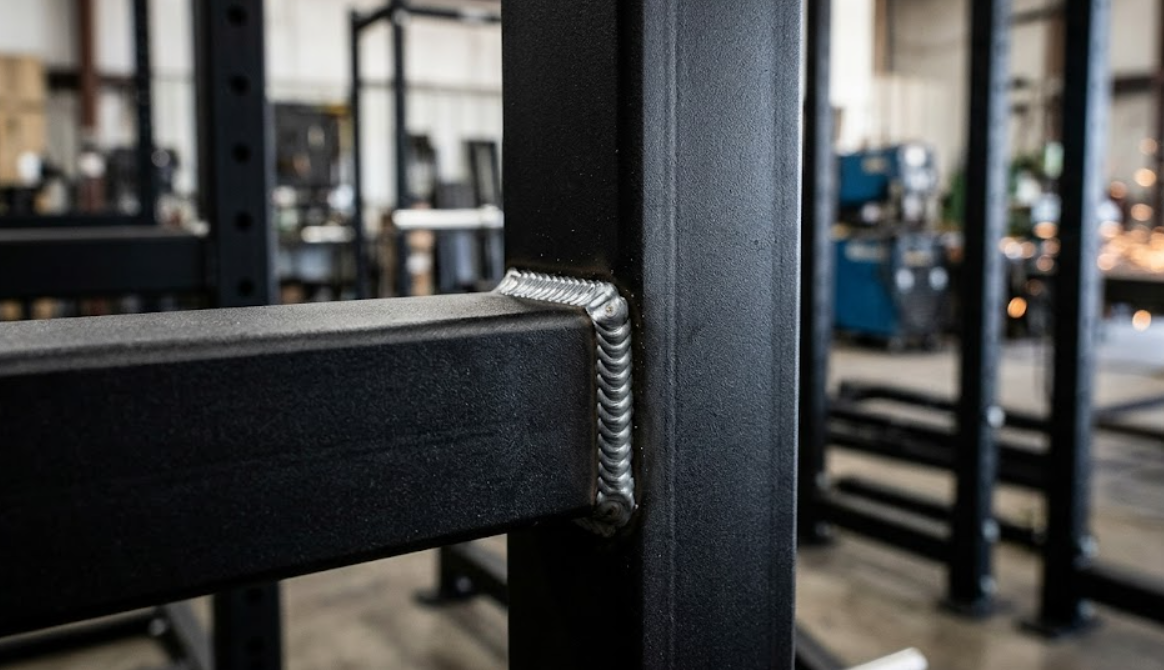
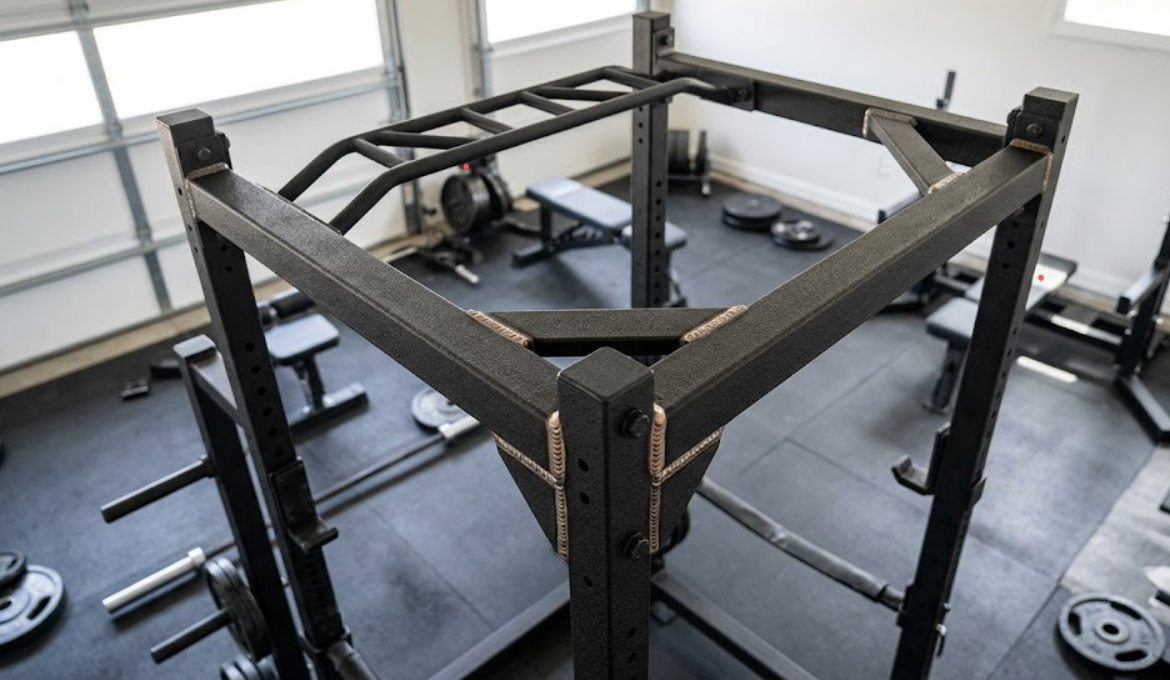
For high-traffic commercial facilities, the durability of a power rack with cables depends heavily on the precision of the welding and the gauge of the steel utilized. Relying on a specialized commercial strength equipment service provider means sourcing units where the weight-bearing capacity is verified through standardized testing. Without strict adherence to engineering tolerances, the integration of cable pulleys can create uneven tension, leading to accelerated wear on the frame. High-quality manufacturers implement multi-stage inspections to ensure that both the static load capacity of the rack and the dynamic load requirements of the cable system remain consistent over years of heavy use.
When vetting suppliers, procurement managers must look beyond basic dimensions to the technical specifications of the individual components. A high-end assembly requires a harmony between the rigid steel frame and the moving parts to prevent mechanical failure and reduce long-term service calls.
Material and Component Specification Comparison
The following table outlines the technical benchmarks required for professional-grade equipment. Use these metrics as a baseline for your procurement checklist when evaluating factory capability and product durability.
| Feature Component | Standard Commercial Spec | Premium/High-Intensity Spec |
|---|---|---|
| Steel Gauge (Frame) | 11-gauge steel | 10-gauge or 11-gauge heavy-duty steel |
| Powder Coating | Standard electrostatic | High-durability, scratch-resistant textured finish |
| Cable Tensile Strength | Standard nylon/steel braid | High-tensile aircraft-grade steel with protective coating |
| Pulley Mechanism | Standard nylon pulleys | Precision ball-bearing systems for maximum smoothness |
Optimizing functional trainer maintenance begins with these specs. A mismatch—such as a high-tensile cable paired with a low-grade nylon pulley—will lead to friction-induced fraying and frequent replacement. Ensuring your supplier maintains consistent cable gym equipment upkeep standards through high-grade components significantly lowers the total cost of ownership (TCO) for your clients or facility.
Critical Inspection Points for Procurement Success
To secure a high long-term ROI, distributors should move beyond superficial visual checks and demand transparency regarding factory capability. A robust procurement decision relies on verifying specific inspection points that directly impact the lifespan of the unit. Beyond the frame, the interaction between the pulley housing and the rack uprights is a common failure point if not properly calibrated during production.
When auditing a supplier, ensure their QC protocols include stress tests for the cable attachment points and precision measurements for the guide rods. A manufacturer that provides documentation for these specific tolerances demonstrates a higher level of professional compliance. This rigor prevents the mechanical drift often seen in lower-tier equipment, ensuring the power rack with cables remains a durable, low-maintenance asset for your commercial clients.
Evaluating Cable Integrity and Pulley System Precision
Routine inspections of a power rack with cables are non-negotiable for maintaining facility safety and preventing unexpected downtime. For distributors and gym owners, ignoring the mechanical components of functional training units can lead to significant liability. The primary focus must remain on identifying cable fraying and assessing pulley smoothness to mitigate safety risks before a failure occurs during heavy loading.
A professional commercial strength equipment service protocol should prioritize the tension and structural integrity of all moving parts. Neglecting these elements doesn't just affect the user experience; it increases the total cost of ownership through premature part replacement and potential legal complications. High-traffic facilities should implement a tiered inspection schedule based on the following durability standards:
| Component Type | Standard Inspection Frequency | Critical Failure Indicator | Procurement Priority |
|---|---|---|---|
| Steel Aircraft Cable | Weekly/Monthly | Visible fraying or kinking | High (Replace immediately) |
| Nylon/Poly Pulley | Quarterly | Reduced smoothness or grinding | Medium (Monitor wear) |
| Weight Stack Guides | Bi-Annually | Lateral friction or misalignment | Low (Lubrication required) |
Effective functional trainer maintenance requires a systematic approach to identifying subtle wear indicators before they compromise the machine's structural integrity. When managing large-scale gym rollouts or distributor inventory, technicians should look beyond visual aesthetics to the mechanical precision of the assembly. For instance, even minor resistance in a pulley can signal a lack of proper lubrication or an internal bearing failure, which often leads to more expensive repairs if left unaddressed.
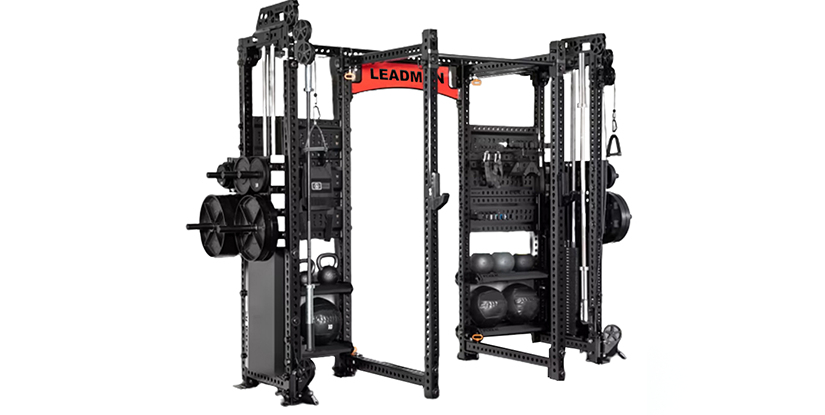
To optimize your cable gym equipment upkeep, implement a checklist focused on tactile and visual cues. Check for "dead spots" in the weight stack movement, which often indicate cable stretching or guide rod friction. Furthermore, ensure that lubrication requirements are met by using only high-grade silicone-based lubricants on guide rods; avoid petroleum-based products that can attract dust and accelerate the degradation of the cable sheath. Maintaining this level of technical oversight ensures the long-term ROI of your commercial strength equipment service assets.
Maximizing ROI Through High-Grade Component Sourcing
From a B2B procurement perspective, the long-term profitability of a power rack with cables is heavily dictated by the quality of the consumable parts. While lower-cost alternatives may offer a lower initial purchase price, they often fail to deliver a sustainable total cost of ownership (TCO). For distributors and facility managers, the goal is to minimize replacement frequency without sacrificing performance.
When vetting suppliers or managing inventory for large-scale rollouts, prioritize units that utilize cables with a high-grade nylon coating. This specific protective layer is essential for reducing friction against pulleys and preventing internal wire strand exposure. Superior nylon-coated cables offer enhanced durability in high-traffic commercial environments, significantly extending the intervals between maintenance cycles. Investing in premium-grade cable components during the initial sourcing stage reduces the logistical burden of frequent part shipments and ensures that your equipment remains a reliable asset rather than a recurring maintenance liability.
Installation Requirements for Commercial Strength Equipment Service
Before integrating a power rack with cables into a high-traffic facility, procurement managers must verify that the physical environment can support both the static weight of the unit and the dynamic loads generated during heavy lifting. Proper site preparation is the first step in a professional commercial strength equipment service protocol, ensuring long-term structural stability.
Structural Foundation and Clearance Zones
The installation site must meet strict floor load capacity standards to prevent uneven settling or structural cracking under heavy use. Unlike standard racks, a power rack with cables exerts complex tension forces on the frame; therefore, the subfloor must be perfectly level and capable of absorbing high-impact vibrations. Beyond the footprint of the steel itself, distributors should mandate specific clearance zones. These zones must account for the full range of motion of the cable pulleys and the outward swing of any attached accessories to prevent collisions and ensure user safety during functional movements.
Subfloor Selection and Load Distribution
Selecting the appropriate base material is a critical decision for facility managers when planning for a power rack with cables. The choice between concrete, wood, or rubber flooring affects not only the long-term stability of the unit but also the frequency of required maintenance and the overall lifecycle of the equipment. For high-output commercial gyms, the interaction between the rack's footprint and the subfloor determines how well vibration and tension are managed during heavy functional training.
| Floor Type | Load Distribution | Installation Complexity | Commercial Gym Requirement |
|---|---|---|---|
| Reinforced Concrete | Excellent (High static/dynamic load) | Low (Standard anchoring) | Mandatory for heavy-duty strength zones |
| Structural Wood/Timber | Moderate (Risk of deflection) | Medium (Requires bracing) | Suitable for boutique studios or light use |
| Industrial Rubber | Variable (High shock absorption) | High (Needs solid subfloor) | Standard for impact and noise reduction |
When sourcing units for multi-site rollouts, we recommend a concrete base with high-density rubber matting. This combination provides the necessary rigidity for the cable tension while protecting the facility's structural integrity. If your facility utilizes wood-based flooring, ensure the installation team implements specialized mounting hardware to mitigate the risk of floor movement over time.
Spatial Layout and Electrical Proximity
Effective functional trainer maintenance begins with a layout that respects the technical limits of the machine. Procurement teams must audit the vertical and horizontal cable travel path to ensure that pulleys move through their full range without hitting low-hanging lights or ceiling beams. Overhead clearance is non-negotiable; insufficient space can cause cable fraying or pulley misalignment, increasing long-term repair costs.
If the unit incorporates motorized components or integrated digital displays, electrical proximity becomes a critical factor. Avoid placing the rack directly adjacent to high-moisture zones or areas with high electromagnetic interference. Furthermore, the facility layout must prioritize maintenance access. Ensure technicians have at least 0.5 meters of clearance behind or beside the unit to perform routine cable gym equipment upkeep, such as lubricating guide rods or inspecting weight stacks, without needing to dismantle the entire structural frame.
Preventative Maintenance Cycles for Functional Trainer Components
For distributors and gym operators, a power rack with cables represents a high-value asset that requires consistent oversight to maintain its operational integrity. In a high-traffic facility, the constant tension and repetitive movement of cable systems accelerate wear on internal components, making a structured service plan essential for protecting your initial capital investment.
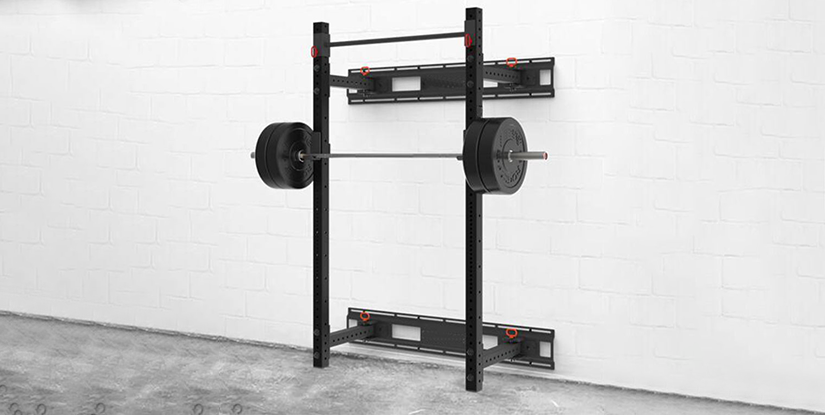
Implementing a rigorous preventative maintenance schedule ensures that mechanical friction does not lead to catastrophic failure. Whether you are managing a boutique studio or a large-scale commercial center, prioritizing functional trainer maintenance minimizes downtime and reduces the long-term Total Cost of Ownership (TCO). Routine commercial strength equipment service allows you to identify frayed cables or worn pulleys before they become liability issues, ensuring both user safety and equipment longevity.
Scheduled Service Intervals and Inspection Protocols
To maintain optimal performance, facility managers should adopt a tiered inspection strategy. Effective cable gym equipment upkeep relies on differentiating between visual checks and deep mechanical servicing. For example, while structural bolts may only require a quarterly check, the pulley systems and weight stacks demand more frequent attention due to the high-friction nature of constant resistance training.
The following table outlines a standard maintenance schedule designed for high-volume commercial environments to ensure all moving parts function smoothly through regular lubrication and inspection.
| Component Group | Primary Focus Area | Recommended Frequency | Action Required |
|---|---|---|---|
| Cables & Attachments | Fraying, kinks, or coating loss | Monthly | Visual inspection; replace if damaged |
| Pulley Systems | Bearing smoothness & rotation | Quarterly | Clean debris; apply silicone lubrication |
| Weight Stacks | Guide rod alignment & friction | Bi-Annually | Clean rods; apply specialized weight lubricant |
| Structural Frame | Bolt tension & weld integrity | Annually | Torque check all assembly hardware |
For wholesalers and distributors, recommending these specific inspection frequencies to end-users adds significant value to your service offering. A well-documented service log not only preserves the equipment's lifespan but also reinforces the reliability of the hardware supplied.
Optimizing Inventory for Long-Term Reliability
A proactive procurement strategy involves more than just routine inspections; it requires efficient stock management of critical components. For many operators, the most significant downtime occurs when a single worn part renders an entire power rack with cables unusable. To mitigate this, we recommend maintaining a dedicated inventory of replacement parts that are prone to wear and tear, such as high-tensile cables, nylon pulleys, and specialized bushings.
When sourcing these items, prioritizing commercial-grade components is non-negotiable. Relying on generic or low-quality alternatives can lead to premature failure and increased maintenance costs. We advise working closely with a reliable distributor or direct factory to ensure that all spare parts meet the exact specifications of your original equipment. By securing a consistent supply of high-durability parts, you safeguard the equipment's lifespan and ensure your facility remains fully operational without unexpected service interruptions.
Optimizing Cable Gym Equipment Upkeep for High-Traffic Facilities
For facility owners and distributors, the true cost of a power rack with cables extends far beyond the initial procurement price. Managing the Total Cost of Ownership (TCO) requires a strategic shift from reactive repair to a structured maintenance model. In a high-traffic facility, neglecting routine inspections leads to premature component failure, resulting in expensive downtime and replacement costs.
The Economic Impact of Maintenance Strategies
Choosing between preventative maintenance and reactive repair determines your long-term profitability. While reactive fixes address broken parts after they fail, consistent functional trainer maintenance protects the integrity of the pulley systems and cable coatings. Implementing a professional commercial strength equipment service schedule ensures that high-wear components are replaced before they cause injury or system failure. This proactive approach stabilizes your operational budget by extending the functional lifespan of your assets and maintaining high equipment uptime.
| Strategy Type | Primary Focus | Economic Outcome |
|---|---|---|
| Preventative Maintenance | Routine lubrication and cable tension checks | Lower TCO and extended asset life |
| Reactive Repair | Replacing broken parts after failure | High emergency shipping and labor costs |
Understanding the nuances between different service models is essential for distributors managing inventory and facility managers controlling operational budgets. The following comparison highlights how varying levels of oversight influence equipment performance and long-term capital expenditure.

| Maintenance Model | Inspection Frequency | Pulley Friction & Cable Longevity | Downtime Risk | Budget Impact |
|---|---|---|---|---|
| Reactive | Post-failure | High wear; frequent cable fraying | Severe/Unplanned | High (Emergency shipping/labor) |
| Preventative | Scheduled (e.g., Quarterly) | Low friction; optimized lifespan | Minimal/Planned | Moderate (Predictable OPEX) |
| Predictive | Sensor/Usage-based | Optimal; minimal degradation | Negligible | Optimized (Maximized ROI) |
For large-scale rollouts, relying on reactive repairs often results in higher shipping costs for individual replacement parts and lost revenue from out-of-service equipment. By prioritizing a structured maintenance plan, procurement managers can ensure that the cable gym equipment upkeep remains a controlled expense rather than an unpredictable liability.
Standardizing Component Replacement and Quality Control
Maximizing ROI requires a sophisticated approach to sourcing replacement parts. Instead of purchasing generic components, procurement managers should establish a reliable supply chain for high-quality replacement parts, specifically focusing on cables, pulleys, and carabiners. To avoid unexpected downtime, technicians must be trained to identify specific wear indicators, such as frayed cable coatings, pulley misalignment, or microscopic cracks in carabiner gates.
For distributors and large-scale gym operators, we recommend implementing strict quality control (QC) standards when sourcing components. Whether you are ordering small quantities for immediate repairs or managing high MOQ orders for facility-wide rollouts, always verify that replacement parts meet the original manufacturer's technical specifications. Engaging in wholesale sourcing for parts through verified factory channels ensures that your replacement components possess the same tensile strength and durability as the original installation, effectively protecting your long-term capital investment.
Logistics, Packaging, and Landed Cost Considerations
Understanding the total cost of ownership for a power rack with cables requires looking far beyond the initial factory invoice. Procurement managers must account for the interplay between initial investment vs. maintenance costs, as well as the logistical overhead of shipping heavy, high-component-count equipment.
Evaluating Initial Investment vs. Long-Term Value
A lower upfront price point on a power rack with cables can often lead to higher operational expenses if the build quality compromises durability. High-end configurations may require more frequent commercial strength equipment service due to complex pulley systems or cable wear. When calculating your budget, factor in the cost of replacement parts—such as high-tensile cables and specialized pulleys—to ensure the unit remains a long-term asset rather than a recurring liability.
| Cost Component | Low-Tier Procurement | Premium Commercial Grade |
|---|---|---|
| Unit Price | Lower initial outlay | Higher upfront investment |
| Maintenance Frequency | High (Frequent cable/pulley replacement) | Low (Optimized for heavy use) |
| Long-term ROI | Variable; prone to downtime | Stable; extended equipment lifespan |
| Service Requirements | Standard upkeep | Specialized commercial strength equipment service |
Direct Sourcing vs. Local Distribution Models
Deciding between direct factory procurement and local distributor orders significantly impacts your landed cost and inventory management. While direct sourcing offers lower unit prices, it requires managing complex international logistics and higher minimum order quantities (MOQ). Conversely, local distributors provide faster lead times and simplified domestic shipping, though at a premium price point.
| Logistics Factor | Direct Factory Sourcing | Local Distributor Model |
|---|---|---|
| Shipping Method | FCL (Full Container) or LCL (Less than Container) | LTL (Less than Truckload) or Parcel |
| MOQ Impact | High; better for bulk facility rollouts | Low; suitable for single-unit replacement |
| Landed Cost Components | Unit price, ocean freight, customs, duties | Unit price, domestic freight, sales tax |
| Typical Lead Time | Extended (Production + International Transit) | Short (Immediate or local warehouse stock) |
For large-scale gym builds involving multiple units of a power rack with cables, FCL shipping via direct sourcing usually optimizes the cost-per-unit. However, for quick repairs or single-unit additions, the local model minimizes downtime and avoids the complexities of international customs clearance.
Mitigating Freight Damage and Transit Risks
The physical complexity of a power rack with cables introduces specific vulnerabilities during international transit. Unlike standard racks, integrated cable systems involve delicate pulleys, nylon coatings, and precision-engineered guide rods that are highly sensitive to vibration and impact. To ensure effective cable gym equipment upkeep begins the moment the crate arrives, procurement teams must prioritize packaging integrity as a non-negotiable specification.
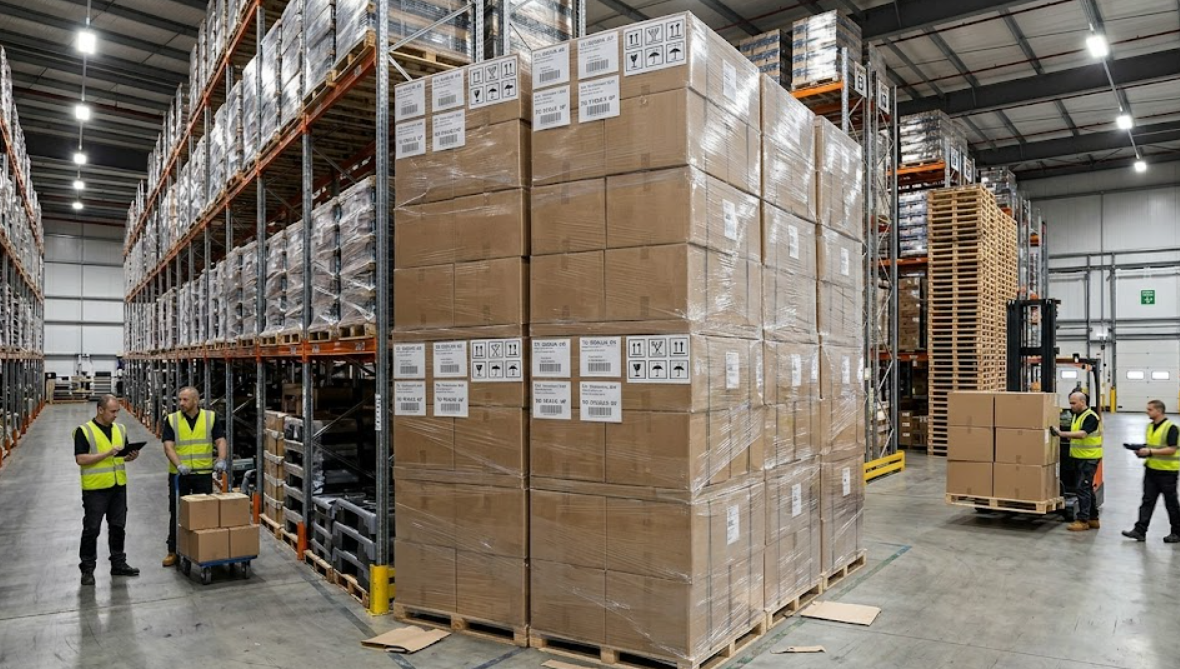
Standard corrugated boxing is insufficient for these heavy-duty assemblies. Reliable manufacturers utilize heavy-duty crating—typically reinforced plywood or high-density timber frames—to prevent structural warping and component displacement. High-quality freight damage prevention strategies must also include internal compartmentalization to protect exposed cable ends and pulley housings from crushing forces. Furthermore, distributors should account for warehouse storage considerations, ensuring that once the shipment reaches the local hub, the units are stored in climate-controlled, dry environments to prevent premature oxidation of the steel components before final delivery.