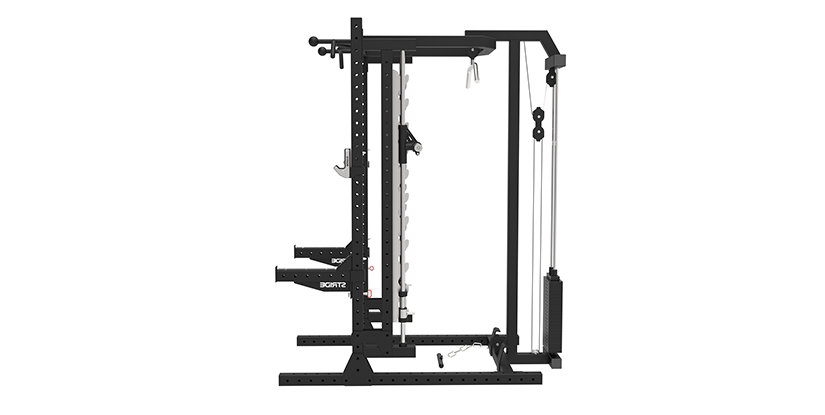
Bench Press and Squat Rack Combo Selection for Gyms
Evaluating Economic Trade-Offs and Total Cost of Ownership
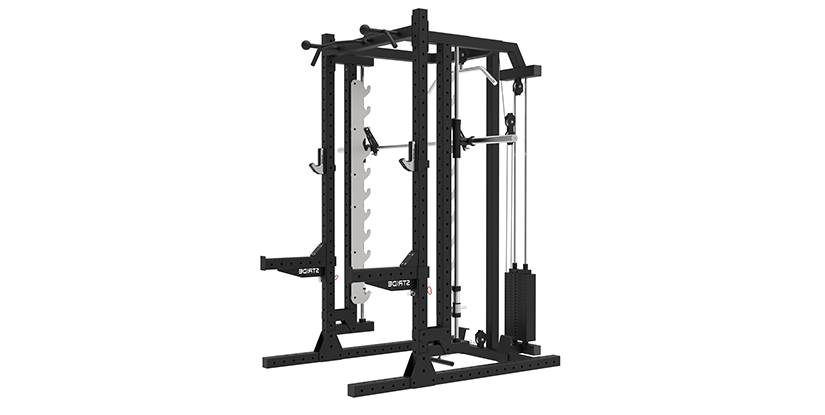
Procurement managers must weigh immediate capital expenditure against the long-term operational costs of specialized strength training configurations. Effective sourcing requires a deep dive into three critical checkpoints: assessing the risk of component incompatibility, verifying structural specifications for high-traffic environments, and planning the logistics for oversized, heavy-duty shipments. While standalone pieces may appear more affordable on an initial invoice, the long-term value of a bench press and squat rack combo often yields a superior return on investment through optimized facility utility.
When managing multi-site rollouts, the decision between purchasing individual units or integrated multi-functional strength equipment impacts both your initial budget and your ongoing maintenance cycles. Standalone commercial weightlifting stations offer granular control over specialized training zones, but they often increase the total footprint and the complexity of parts management. In contrast, a high-quality integrated system reduces the number of distinct SKUs a distributor or gym owner needs to track, potentially lowering long-term maintenance costs and simplifying replacement part procurement.
| Procurement Metric | Standalone Units | Integrated Combo Systems |
|---|---|---|
| Initial CAPEX | Lower per-unit cost | Higher per-unit investment |
| Floor Space Efficiency | Requires more area for clearance | Optimized for high-density layouts |
| Maintenance Complexity | Diverse parts and specialized tools | Standardized, unified components |
| Long-term Durability | Varies by individual manufacturer | Engineered for structural synergy |
From a wholesale perspective, choosing a bench press and squat rack combo can streamline shipping volumes and reduce the logistical burden of managing multiple large-scale freight shipments. High-grade integrated stations are built to maintain structural integrity under heavy load, ensuring that the long-term durability of the station is not compromised by mismatched hardware. For large-scale gym distributors, prioritizing these unified systems often results in more predictable lifecycle costs and a more cohesive user experience across the facility.
Analyzing Configuration Models for Scalability
For distributors and facility planners, the choice between modularity and integration dictates both the speed of deployment and the long-term maintenance overhead. A single-station setup provides the flexibility to swap components as client needs evolve, whereas a multi-functional approach prioritizes density and streamlined logistics. When calculating the total cost of ownership, buyers should look beyond the invoice price to consider the impact of specialized hardware requirements and the frequency of part replacement.
| Configuration Type | Initial Investment | Space Efficiency | Durability/Maintenance |
|---|---|---|---|
| Single-Station (Standalone) | Moderate (Lower per SKU) | Low (Higher footprint) | Complex (Diverse part management) |
| Multi-Functional (Integrated) | High (Premium per unit) | High (Optimized layout) | Simplified (Unified componentry) |
Selecting an integrated bench press and squat rack combo is often the more strategic move for high-traffic commercial layouts where floor space optimization is a priority. While the initial procurement cost may be higher, the reduction in shipping complexity and the ability to maintain a standardized set of replacement parts often results in a lower total cost of ownership. For high-volume orders, sourcing integrated systems can also simplify the customs and logistics process by reducing the total number of distinct shipments and individual SKUs.
Optimizing Bulk Sourcing and Supply Chain Efficiency
Scaling a commercial strength training area requires a shift from retail-style purchasing to industrial-grade procurement logic. For distributors managing large-scale rollouts, the complexity of moving heavy steel components necessitates a focus on logistics optimization. Relying on factory-direct sourcing often provides a more predictable path to meeting specific MOQ requirements while ensuring that the structural integrity of the bench press and squat rack combo remains consistent across all units.
Effective bulk procurement goes beyond the unit price; it involves calculating the shipping volume and the density of the freight to minimize landed costs. Integrated stations, while heavy, are often engineered for better nesting or modular packing, which can significantly reduce the cubic volume per unit in a sea container. When selecting a manufacturing partner, it is essential to verify their quality control (QC) protocols specifically for heavy-gauge steel welding and powder coating. Ensuring that high-stress joints and load-bearing uprights undergo rigorous testing before shipment prevents the high cost of onsite mechanical failures and the logistical headache of returning oversized, defective equipment.
Evaluating Footprint and Gym Floor Space Optimization
Effective facility layout planning requires a precise understanding of how a bench press and squat rack combo integrates into a high-traffic zone. Unlike standalone units, these integrated stations demand specific clearance zones for bar path travel and user safety, making gym floor space optimization a critical factor for distributors and facility managers.
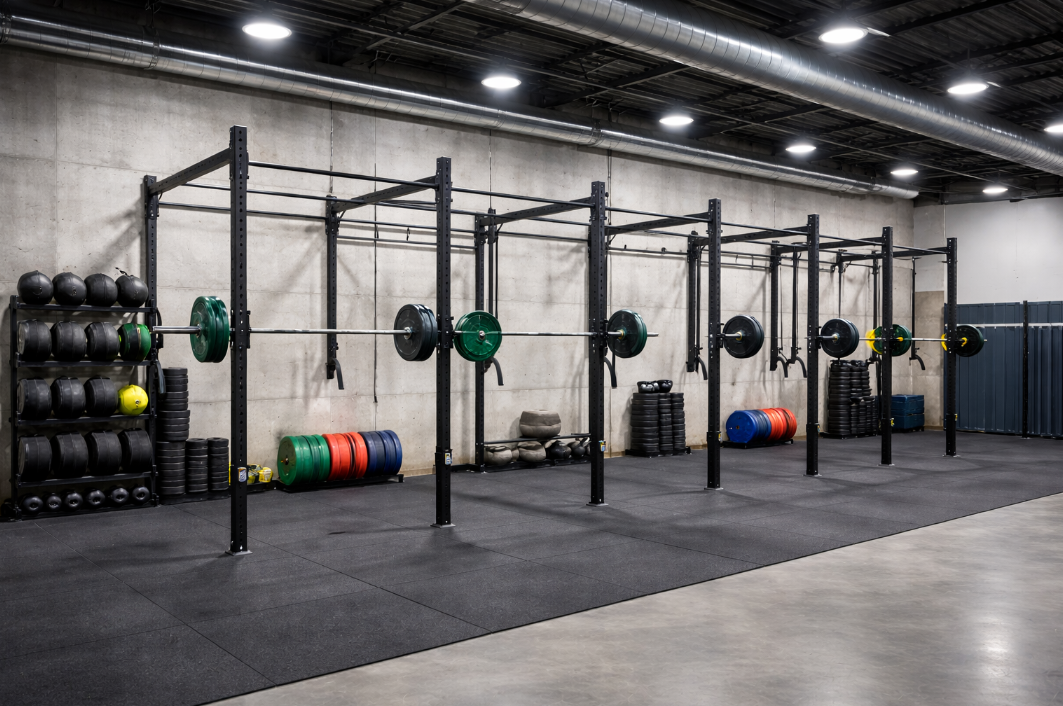
In high-density training environments, such as boutique strength studios or hotel fitness centers, the footprint of your commercial weightlifting stations determines your total capacity. Buyers must weigh the trade-off between the versatility of a single unit and the physical real estate it occupies. While a combo unit minimizes the number of individual pieces to order, it requires a dedicated, unobstructed area to accommodate both the rack structure and the bench movement.
| Configuration Type | Spatial Profile | Storage Efficiency | Ideal Procurement Use Case |
|---|---|---|---|
| Integrated Combo | Single, concentrated footprint | High (built-in plate pegs) | Boutique studios/Small commercial gyms |
| Split Station Setup | Dispersed, flexible layout | Moderate (requires separate racks) | Large-scale warehouse or powerlifting gyms |
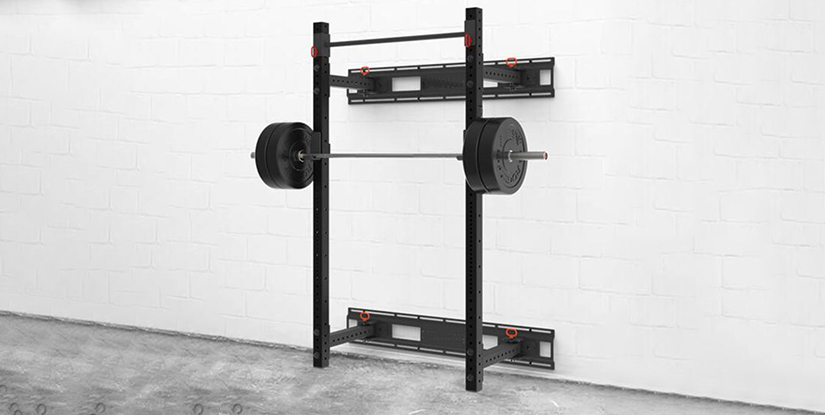
| Compact Wall-Mount | Minimal floor intrusion | Low (limited accessory space) | Residential-commercial or niche training zones |
When sourcing multi-functional strength equipment, procurement teams must account for more than just the base dimensions of the rack. A true spatial assessment includes the "active zone"—the area required for the barbell's range of motion, plate loading, and user safety clearance. For distributors managing multi-site rollouts, choosing between a consolidated footprint and a distributed layout can significantly impact the long-term throughput of a facility.
Strategic Selection Based on Facility Type
The decision to implement an integrated bench press and squat rack combo often hinges on the specific density requirements of the venue. In high-end boutique environments, the priority is often aesthetic cohesion and high-density utility within a small square footage. Conversely, large-scale commercial clubs often prioritize flow and the ability to move equipment to accommodate different programming cycles.
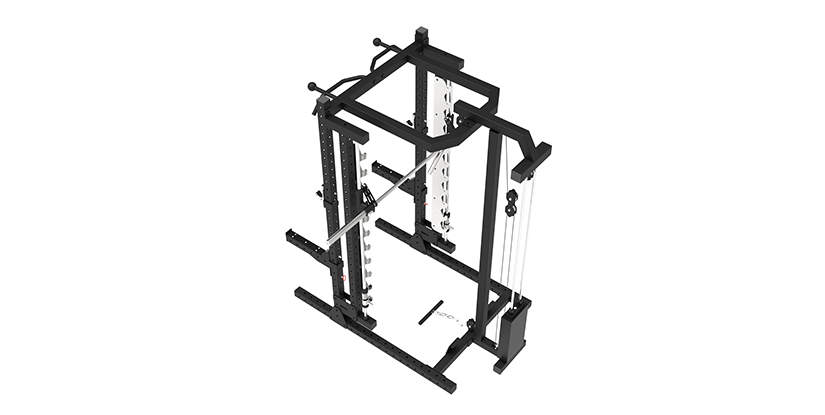
For wholesalers and bulk buyers, evaluating these configurations through the lens of total floor utility—rather than just unit price—ensures that the final installation meets the operational standards of the end-user. A more compact, integrated station may reduce shipping volume and assembly complexity, but it also limits the ability to scale or relocate individual components as the gym's training needs evolve.
To avoid operational bottlenecks, procurement planning must include a detailed analysis of the installation footprint beyond the equipment's physical steel dimensions. Professional installers and facility designers must calculate safety buffers—the necessary buffer between the rack and adjacent machines or walls—to prevent injury during heavy lifts. In high-traffic zones, failure to account for these clearance zones can lead to safety hazards and increased liability for the facility operator. For distributors, advising clients to include an extra 3-foot radius around each multi-functional strength equipment station is a standard best practice to ensure smooth movement and long-term equipment safety.
Structural Integrity and Load Capacity Requirements
For procurement managers, the primary metric for evaluating a bench press and squat rack combo is the stability of its frame under dynamic loads. In high-traffic gym environments, equipment must withstand not just static weight, but the kinetic energy of heavy repetitions and sudden drops.
High-quality commercial weightlifting stations utilize heavy-gauge steel tubing and reinforced welding points to ensure long-term structural stability. When sourcing for multi-site rollouts, verify that the load-bearing capacity of the uprights and the bench assembly can handle peak lifting volumes without frame deflection. A failure in structural integrity leads to higher replacement costs and increased liability, making rigorous quality control during the manufacturing stage essential for distributors.
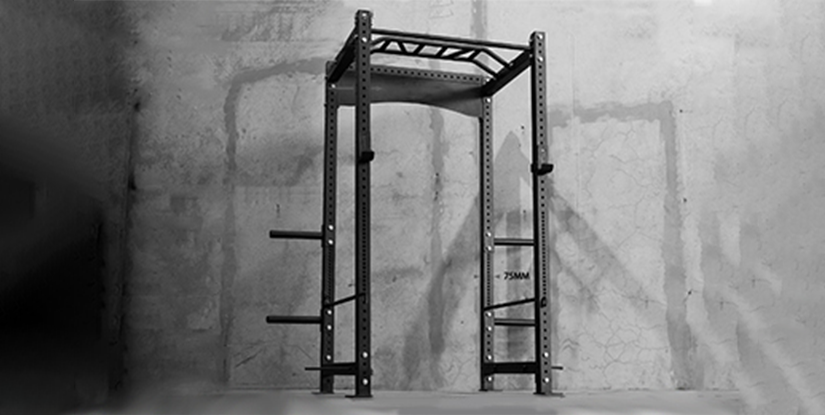
To effectively differentiate between budget-friendly studio models and heavy-duty commercial units, buyers must analyze the steel gauge and frame dimensions. Selecting an undersized frame profile can lead to premature fatigue or structural failure under heavy barbell loads, significantly impacting the total cost of ownership (TCO).
Steel Gauge and Profile Specification Comparison
The following table outlines the standard industry configurations for various commercial settings to help guide your procurement decisions based on expected usage intensity.
| Frame Profile | Steel Gauge (Thickness) | Typical Use Case | Weight Capacity Range |
|---|---|---|---|
| 2x2 inch | 11-gauge | Boutique Studios / Hotel Gyms | 300 – 500 lbs |
| 3x3 inch | 11-gauge | Standard Commercial Gyms | 500 – 750 lbs |
| 3x3 inch | 7-gauge | Performance / Heavy Lifting Facilities | 750+ lbs |
When negotiating with manufacturers, ensure that the multi-functional strength equipment specifications explicitly state the steel gauge. While a 2x2 inch profile may offer gym floor space optimization for smaller footprints, it lacks the rigidity required for high-performance training. For distributors managing large-scale facility rollouts, prioritizing 11-gauge steel or higher ensures the equipment remains a durable asset rather than a recurring maintenance liability.
Component Compatibility and Long-Term Maintenance
Beyond the primary frame, the longevity of a bench press and squat rack combo depends heavily on the precision of its moving parts. Component compatibility is a critical factor for distributors; for instance, ensuring that J-cups, spotter arms, and bench adjustment pins are engineered to the same tolerance levels as the main uprights. Mismatched or low-quality attachments can lead to uneven wear, rattling, or catastrophic failure during heavy lifts, which complicates the maintenance cycles of the facility.
When evaluating multi-functional strength equipment, look for high wear resistance in high-friction areas. Components such as upright holes and adjustment mechanisms should feature reinforced coatings or hardened steel to prevent rounding or structural thinning over time. From a procurement standpoint, choosing a unit with standardized, high-durability attachment points minimizes the need for specialized replacement parts, effectively lowering the total cost of ownership (TCO) over a five-to-ten-year lifecycle.
For large-scale distributors, the ability to source standardized, compatible accessories is just as important as the initial purchase price. High-quality commercial stations typically require only routine inspections and lubrication, whereas lower-grade equipment often demands frequent part replacements. Prioritizing build quality and component synergy ensures that the equipment remains a reliable asset, reducing downtime and long-term operational expenses for the end-user.
Ensuring Long-Term Operational Efficiency
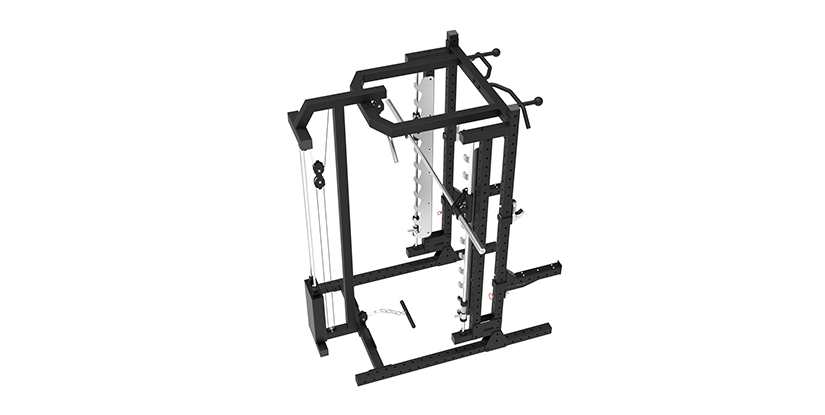
When sourcing a bench press and squat rack combo for high-traffic facilities, procurement managers must look beyond basic weight capacities to evaluate component compatibility. In commercial weightlifting stations, the seamless integration of attachments—such as barbell holders, dip stations, or landmines—determines how effectively a unit resists wear and tear over years of heavy use.
Incompatibility between adjustable parts often leads to premature mechanical failure or increased labor costs during routine maintenance. For multi-functional strength equipment, ensuring that all modular accessories share the same mounting standards and tolerance levels is critical for reducing downtime and protecting the total cost of ownership (TCO) for distributors and gym owners alike.
Integrated vs. Modular Attachment Architectures
The choice between integrated systems and modular accessory interfaces significantly impacts the long-term maintenance frequency of your strength training area. While integrated units offer higher structural rigidity, modular configurations provide the flexibility required for diverse commercial gym layouts and evolving training needs.
| Feature Type | Integrated Systems | Modular Attachment Systems |
|---|---|---|
| Attachment Points | Fixed/Welded or single-purpose | Universal pin-and-hole or bracket-based |
| Wear Resistance | High; fewer moving parts | Moderate; depends on pin/bolt quality |
| Maintenance Needs | Low; periodic visual inspection | Higher; requires lubrication and tightening |
| Gym Floor Space Optimization | Stable but static footprint | Highly adaptable to varied layouts |
For high-volume distributors, we recommend verifying the gauge of attachment pins and the quality of the lubrication points. Modular systems often require scheduled tightening of bolts and periodic lubrication of sliding mechanisms to prevent friction-induced wear. Choosing equipment with standardized, high-tolerance attachment points ensures that replacement parts are easily sourced, reducing the long-term operational burden on facility managers.
A critical factor in the procurement decision is the availability of standardized dimensions for all moving parts. Relying on proprietary or non-standardized hardware can disrupt a strict maintenance cycle, as even a minor failure in a specialized pin or bracket could sideline a station for weeks. To ensure long-term durability, prioritize suppliers who utilize high-grade, universal steel specifications that allow for easier sourcing of replacement parts.
Effective gym floor space optimization is also achieved by selecting equipment that supports a predictable maintenance cadence. Instead of reactive repairs, aim for units that allow for scheduled, preventative check-ups—such as tightening structural bolts or checking bench adjustment pins—without requiring specialized tools. By selecting combos with high-tolerance, standardized components, facility managers can effectively minimize downtime and secure a more predictable total cost of ownership across multi-site rollouts.
Logistics and Scalability for Multi-Site Rollouts
When scaling a fitness brand across multiple locations, the procurement strategy for a bench press and squat rack combo must shift from individual unit selection to a macro-level logistics framework. Decision-makers must balance immediate capital expenditure against the long-term operational stability of their strength training zones.
Managing Unit Price vs. Durability in Bulk Orders
Procurement managers often face a tension between low initial unit prices and the long-term total cost of ownership (TCO). While sourcing entry-level commercial weightlifting stations may lower the initial budget for a single-site setup, multi-site rollouts demand higher structural integrity to minimize replacement cycles. High-density steel gauges and superior powder coatings may demand a higher upfront investment, but these features mitigate the costs of frequent repairs and premature decommissioning in high-traffic environments.
Successful procurement scaling requires a rigorous evaluation of how component compatibility affects assembly time and shipping volumes. When negotiating with manufacturers, focus on the following financial and logistical trade-offs:
| Investment Metric | Low-Cost Tier Approach | Premium Commercial Approach |
|---|---|---|
| Initial CapEx | Lower per-unit cost; ideal for boutique studios. | Higher upfront cost for heavy-duty steel. |
| Maintenance Cycle | Frequent adjustments and part replacement. | Extended lifespan with minimal intervention. |
| Scaling Impact | Higher logistics overhead due to frequent replacements. | Predictable TCO across multiple territories. |
| MOQ Strategy | Smaller, frequent shipments to save storage. | Large-scale sea freight to reduce landed costs. |
Sourcing Models: Direct Factory vs. Local Distributor
For large-scale facility expansions, the choice between direct factory procurement and utilizing a local distributor dictates your control over the supply chain. While direct sourcing maximizes margins on multi-functional strength equipment, it requires more sophisticated internal management of shipping timelines and quality assurance protocols.
| Evaluation Factor | Direct Factory Sourcing | Local Commercial Distributor |
|---|---|---|
| Minimum Order Quantity (MOQ) | Typically high; requires full container loads (FCL). | Lower; enables smaller, flexible replenishment. |
| Shipping & Logistics | Higher complexity; manages ocean freight and customs. | Lower complexity; localized delivery to facility. |
| Assembly Requirements | On-site assembly required; needs skilled labor. | Often includes pre-assembled or white-glove setup. |
| Quality Control (QC) | Direct oversight via 3rd-party inspections. | Relies on distributor-level quality standards. |
| Lead Time | Longer; accounts for production and transit. | Short; utilizes existing domestic inventory. |
When optimizing gym floor space through massive equipment rollouts, the direct factory model offers the best economies of scale. However, if your expansion timeline is aggressive and requires rapid deployment across various regions, the local distributor model mitigates the risk of logistical bottlenecks and localized customs delays.
Optimizing Deployment Efficiency and Footprint
Beyond unit costs, the efficiency of a large-scale rollout depends on how equipment interacts with the physical facility. Effective gym floor space optimization is not just about the dimensions of a single unit, but how multi-functional strength equipment can be deployed to maximize user density without compromising safety. When sourcing for dozens of locations, prioritize products designed with high modularity, allowing for easier integration of future attachments or secondary stations.
From a logistics standpoint, the shipping volume of a bench press and squat rack combo can significantly impact landed costs. Highly modular designs that ship in compact, high-density crates often reduce freight expenses and simplify warehouse receiving. Furthermore, selecting units with high installation efficiency—such as those featuring standardized bolt patterns or simplified assembly steps—reduces the man-hours required for on-site setup. This reduces the total labor cost during the final deployment phase, ensuring that your expansion remains on schedule and within the projected budget.
Quality Control Protocols for International Wholesale Orders
For distributors and facility managers, the durability of a bench press and squat rack combo is determined by more than just steel gauge. When sourcing high-load commercial weightlifting stations, rigorous quality control must focus on the intersection of structural integrity and long-term fatigue resistance to ensure equipment survives both ocean freight vibrations and heavy daily usage.
Verifying Structural Integrity and Load Capacity
Reliable multi-functional strength equipment requires a multi-stage inspection process before leaving the factory. Procurement professionals should prioritize suppliers that provide documented evidence of welding inspection, specifically looking for seamless, deep-penetration welds at high-stress junctions where the uprights meet the base. A failure in weld quality often leads to catastrophic structural failure under peak load-bearing capacity. Additionally, verify the powder coating consistency across all components; an even, thick application is essential to prevent oxidation and surface degradation in high-humidity commercial gym environments.
Beyond the structural frame, the longevity of your investment depends on the mechanical reliability of moving parts and smaller interface components. Misaligned or low-grade parts can lead to high maintenance costs and downtime for your clients. Before finalizing any large-scale shipment, ensure your quality control checklist includes a thorough evaluation of the following technical specifications.
Mechanical Component and Compatibility Checklist
When inspecting a bench press and squat rack combo for multi-site rollouts, the focus must shift from the static frame to the dynamic interfaces. High-use areas like adjustable benches and barbell sleeves are the first to show wear. Use this technical checklist to ensure the components meet commercial-grade standards for durability and seamless interaction.
| Component Type | Critical Inspection Metric | B2B Quality Standard |
|---|---|---|
| Adjustable Bench Mechanism | Pin/Lever Smoothness | Zero lateral play during height adjustments |
| J-Cup Stability | Hole Alignment & Grip | Uniform depth and secure fitment to uprights |
| Barbell Sleeves | Thickness & Precision | Consistent sleeve thickness for weight stability |
| Component Compatibility | Accessory Integration | Standardized spacing for attachments/dip bars |
| Maintenance Cycle | Service Interval | Clear manufacturer-defined lubrication points |
A common pitfall in wholesale procurement is neglecting component compatibility. Ensure that all add-on attachments, such as landmines or dip stations, interface perfectly with the existing upright system without creating structural leverage issues. Establishing a baseline for maintenance cycles—such as quarterly bolt tightening or lubrication of the bench adjustment rails—is essential for long-term asset management in high-traffic facilities.
Logistics Integrity and Export Packaging Standards
Even the highest-grade equipment can suffer from structural fatigue if the logistics chain is poorly managed. For international buyers, the focus must shift from the factory floor to the container. To achieve true gym floor space optimization, components must arrive undamaged and ready for immediate assembly without the need for costly returns or replacements.
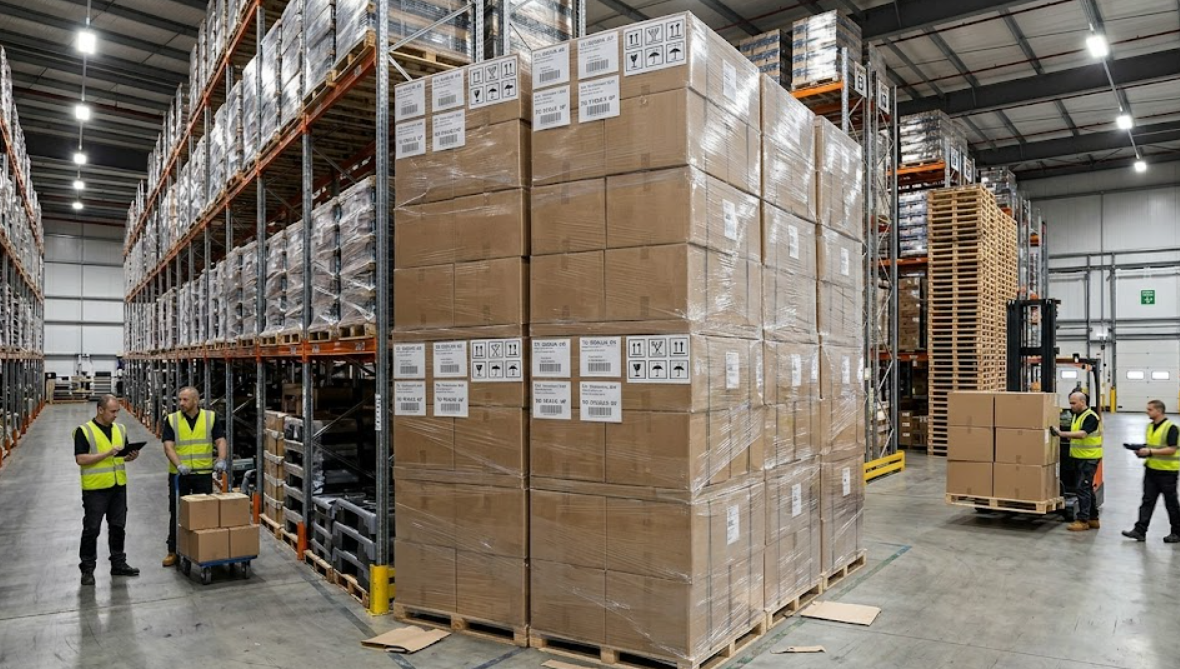
High-quality manufacturers treat sea freight durability as a core technical requirement rather than an afterthought. This includes utilizing heavy-duty packaging—such as reinforced double-walled corrugated boxes and customized high-density foam inserts—to mitigate the vibrations and shifting common during ocean transit. When managing large-scale orders, distributor inspection protocols should specifically verify that shipping damage prevention measures, such as moisture-absorbent silica packs and palletization standards, are strictly followed. For high-volume procurement, clarify MOQ considerations regarding custom crate configurations to ensure that your entire shipment remains protected against the rigors of global distribution.