Why a Seated Military Press Squat Rack Enhances Training
Optimizing High-Traffic Floor Layouts with Multi-Functional Stations
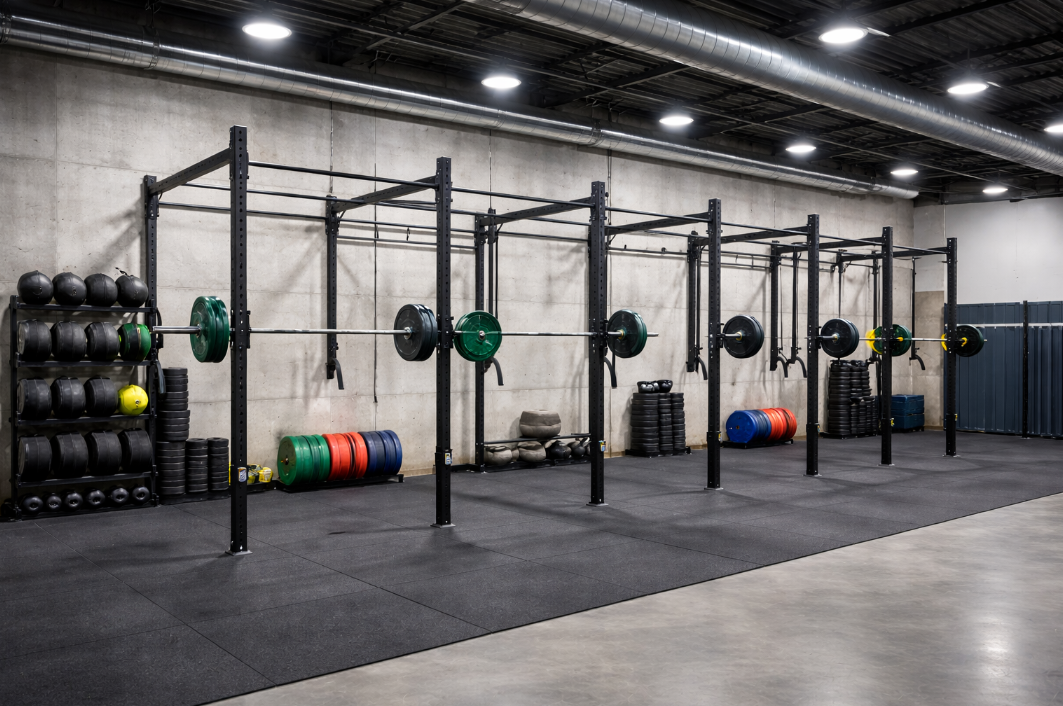
For boutique strength studios and premium hotel gyms, every square foot of premium real estate carries a high cost. When designing a high-end layout, the challenge is often balancing a diverse range of training modalities without cluttering the floor with single-use machines. Integrating a seated military press squat rack solves this dilemma by consolidating vertical movements into a single, streamlined footprint. Instead of dedicating separate zones for heavy lifting and shoulder development, this versatile unit functions as both a high-performance overhead press station and a robust squatting platform.
This space-saving approach is essential for floor layout optimization in high-traffic environments. By merging two fundamental movements—the squat and the military press—into one heavy duty squat rack, facility managers can increase the density of their strength training zones without sacrificing athlete safety or movement quality. For distributors and gym owners, sourcing equipment that maximizes utility per square meter ensures a more efficient, professional, and high-capacity training environment.
To visualize the operational advantages, consider the footprint comparison between a modular setup and a consolidated station. A traditional layout requiring a standalone overhead press station and a separate heavy duty squat rack often necessitates much wider safety corridors and more extensive floor clearance to prevent congestion.
The following table illustrates how a multi-functional seated military press squat rack optimizes your facility's real estate:
| Equipment Configuration | Estimated Floor Space Usage | Functional Versatility | Equipment Density |
|---|---|---|---|
| Standalone Machines (Squat + Press) | High (Requires multiple zones) | Low (Single-use focus) | Lower Efficiency |
| Integrated Strength Training Equipment | Low (Consolidated footprint) | High (Dual-modality) | Maximum Density |
Choosing high-density strength training equipment allows you to offer a comprehensive training experience within a tighter radius. This efficiency is a key factor for wholesalers and gym developers looking to maximize the ROI of their commercial square footage while maintaining a premium, professional aesthetic.
Strategic placement is just as critical as the equipment itself when optimizing floor layout in busy facilities. A poorly positioned seated military press squat rack can inadvertently create bottlenecks, forcing users to navigate around heavy metal frames and disrupting the natural flow of movement. To prevent this, we recommend situating these multi-functional units near the perimeter of your primary training zones rather than in the center of high-traffic transit paths. This placement ensures that athletes can complete their heavy lifting cycles without obstructing those moving between cardio or functional areas.
By prioritizing seamless transitions between different exercise stations, you reduce the likelihood of congestion during peak hours. Whether you are managing a large-scale commercial facility or a boutique studio, the goal is to create a predictable, intuitive path for movement. Integrating a high-quality overhead press station that serves dual purposes allows for a more organized, professional environment, ensuring that your high-performance strength training equipment enhances the user experience rather than complicating the facility's operational efficiency.
Maximizing Training Versatility in Compact Commercial Settings
As urban real estate costs continue to climb, optimizing your commercial gym layout is no longer just an option—it is a financial necessity. Many facility owners struggle with the dilemma of providing diverse training stimuli without overcrowding the floor. This is where the strategic integration of a seated military press squat rack becomes a game-changer for footprint optimization.
By consolidating a high-performance overhead press station with a robust squatting structure, you effectively merge two high-traffic zones into a single, streamlined unit. This space-saving approach allows distributors and gym developers to offer premium strength training equipment that serves both upper and lower body development without the need for multiple, isolated machines. Instead of dedicating separate square footage to various stations, this multi-functional solution ensures your facility remains high-density and high-utility, allowing for more efficient member flow and a more versatile training environment within a limited footprint.
To visualize the efficiency gains, consider how much floor area is reclaimed when transitioning from a fragmented layout to a consolidated system. A standalone overhead press station and a separate heavy duty squat rack require distinct safety zones and clearance margins, often leading to wasted "dead zones" in your facility. In contrast, a single integrated unit maximizes your equipment footprint by centralizing the movement paths.
The following comparison highlights why the seated military press squat rack is the superior choice for high-density commercial environments where training variety and space requirement must be balanced:
| Feature/Metric | Separate Machine Setup | Integrated Multi-Station Unit |
|---|---|---|
| Equipment Footprint | Large (Requires two distinct zones) | Compact (Single centralized zone) |
| Training Variety | High, but spatially disconnected | High and seamlessly integrated |
| Space Requirement | Extensive (Multiple safety buffers) | Optimized (Shared safety perimeter) |
| Layout Versatility | Rigid and difficult to rearrange | Flexible and highly efficient |
For distributors and facility planners, choosing this consolidated strength training equipment means delivering a premium user experience while maintaining a highly profitable, high-density floor plan.
Beyond simple square footage, the true value lies in improving floor plan efficiency and increasing member throughput. In high-traffic areas, congestion often occurs when members wait for specialized machines. By investing in a heavy duty squat rack that incorporates a seated military press squat rack, you reduce the number of individual pieces of strength training equipment required to facilitate a full-body workout. This multi-functional training approach minimizes the "bottleneck effect" often seen in boutique studios or high-end hotel gyms.
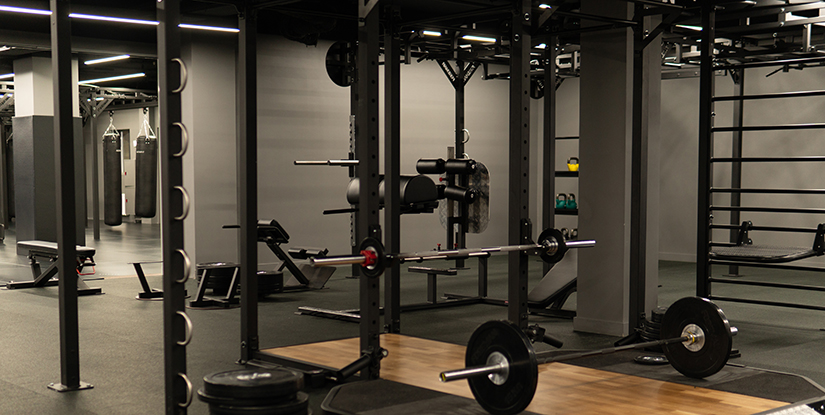
For professional buyers and gym developers, this density is a competitive edge. Instead of cluttering the floor with several low-utility machines, a single, high-quality station provides a high ROI by serving multiple demographics—from powerlifters to hypertrophy-focused trainees—within a singular, controlled footprint. This strategic selection ensures that your facility remains agile, allowing you to scale your training offerings without the constant need to expand your physical real estate.
Structural Integrity and Long-Term Durability Standards
In high-traffic commercial environments, the margin for error regarding equipment failure is zero. When sourcing a seated military press squat rack, the primary concern for gym owners and distributors should be the uncompromising structural stability of the frame. A substandard unit can compromise user safety and increase long-term maintenance costs. To withstand the rigorous demands of heavy lifting, a premium heavy duty squat rack must be engineered from high-gauge steel with reinforced welding points to ensure maximum weight-bearing capacity during explosive movements.
When evaluating your procurement options, it is essential to distinguish between consumer-grade frames and professional-grade strength training equipment. The following comparison highlights the critical differences in build quality that impact the lifespan of your investment.
| Material Specification | Standard Commercial Grade | Premium Heavy-Duty Grade |
|---|---|---|
| Steel Gauge | Standard 11-gauge | Reinforced High-Gauge Steel |
| Welding Quality | Basic MIG welding | Full-penetration structural welding |
| Stability Profile | Moderate vibration | High-level structural stability |
| Expected Lifespan | Moderate usage cycles | High-intensity, long-term durability |
Selecting an overhead press station built with these rigorous standards ensures that your facility remains a reliable destination for serious athletes while minimizing the risk of structural fatigue over time.
Beyond the fundamental steel gauge, true longevity is found in the finer engineering details. A professional-grade seated military press squat rack must undergo rigorous quality control to ensure every component can handle repetitive, high-impact loading. One of the most critical markers of a high-tier overhead press station is the depth of its powder coating. Unlike thin, superficial finishes that chip under heavy use, a high-quality electrostatic powder coating protects the steel from moisture and oxidation, preserving the aesthetic and structural integrity of the strength training equipment for years.
Furthermore, look closely at the joint reinforcement and pivot points. In a high-performance heavy duty squat rack, the connection points between the uprights and the base are often reinforced with gussets or heavy-duty bolts to prevent lateral swaying. When you are sourcing for a commercial facility, these subtle indicators of craftsmanship are what differentiate a long-term asset from a recurring replacement cost. Investing in hardware that prioritizes these robust construction standards will significantly lower your total cost of ownership.
Prioritizing high-grade construction is not just about immediate performance; it is a strategic move toward a sustainable long-term investment. For distributors and facility managers, the goal is to minimize downtime caused by mechanical failure or surface degradation. A high-quality seated military press squat rack should exhibit exceptional wear resistance, even when subjected to the constant friction of barbell movement and heavy weight plates. This involves inspecting the precision of the adjustment pins and the density of the upholstery, as these components often face the most significant stress in a commercial setting.
To ensure your facility meets global commercial gym standards, look for equipment that utilizes industrial-grade coatings and reinforced bushings. While entry-level models may appear functional, they often lack the durability required for non-stop, high-volume cycles. By selecting a heavy duty squat rack designed for professional use, you are effectively safeguarding your capital. Choosing equipment with superior build quality reduces the frequency of repairs and ensures that your strength training equipment remains a reliable, high-performing asset throughout its operational life.
The Impact of Ergonomic Overhead Press Stations on User Retention
In the high-stakes environment of commercial fitness, equipment failure is more than a technical glitch; it is a direct threat to member trust. When a facility invests in a high-quality seated military press squat rack, they are not just buying a piece of iron, but an assurance of safety. A heavy duty squat rack built with superior structural integrity ensures that even under maximum load, the frame remains rigid and stable. This stability is critical for maintaining user confidence during heavy overhead movements where any slight wobble could lead to injury.
For gym owners and distributors, prioritizing premium strength training equipment is a strategic move to minimize long-term operational costs. High-grade steel and precision welding significantly reduce the impact of daily wear and tear, extending the lifecycle of the machine. By selecting robust overhead press station configurations, facilities can reduce maintenance frequency and prevent the depreciation of their assets, ultimately fostering a professional environment that keeps members coming back.
To protect your investment and ensure your facility meets international safety standards, a proactive upkeep strategy is essential. Neglecting a overhead press station can lead to structural fatigue or mechanical friction, which increases liability and reduces equipment lifespan. Implementing a disciplined routine inspection schedule allows you to identify minor issues before they become costly repairs or safety hazards.
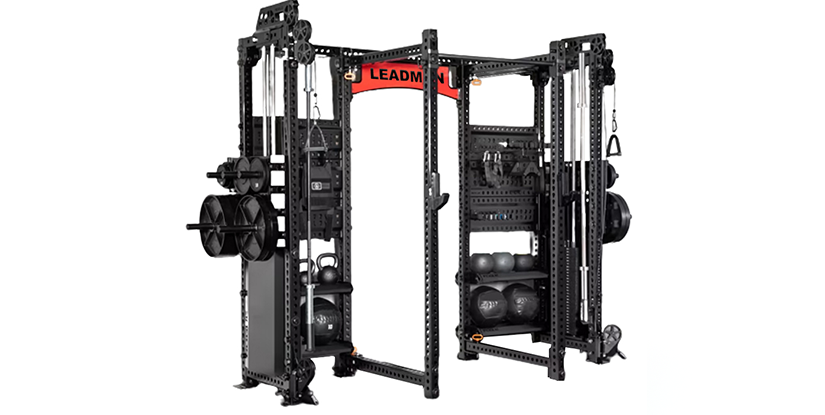
For facility managers, we recommend a tiered approach to upkeep, focusing on essential tasks like lubrication of moving parts and regular bolt tightening to prevent loosening from high-intensity vibrations. Use the following guide to determine your required maintenance frequency based on your facility's usage volume:
| Facility Type | Typical Usage | Maintenance Focus | Recommended Interval |
|---|---|---|---|
| Boutique Studio | Moderate | Visual checks & bolt security | Monthly |
| Commercial Gym | High | Lubrication & structural integrity | Bi-weekly |
| High-Traffic Club | Extreme | Full routine inspection & hardware audit | Weekly |
By maintaining your seated military press squat rack with these standards, you ensure that your strength training equipment remains a reliable asset for your members.
Consistent preventative maintenance is the cornerstone of high-performance facility management. For distributors and gym owners, the goal is to maximize equipment uptime, ensuring that your most popular stations are always available for member use. A well-maintained seated military press squat rack does more than just function; it projects an image of excellence and reliability. When hardware is kept in peak condition, it preserves a premium gym environment that justifies premium membership rates and builds long-term brand loyalty.
Viewing your procurement through the lens of a long-term investment rather than a one-time expense is vital. High-end strength training equipment requires a proactive approach to avoid the sudden capital expenditures associated with emergency repairs or premature replacement. By integrating regular checkups into your operational workflow, you protect the structural integrity of your heavy duty squat rack and ensure that your facility remains a top-tier destination for serious athletes.
Streamlining Inventory Management for Strength Training Equipment
For facility managers and gym owners, every square foot of floor space represents potential revenue. Managing a diverse inventory of single-use machines can lead to cluttered layouts and inefficient turnover. This is why sourcing a multi-functional seated military press squat rack is a strategic move for modern commercial facilities. Instead of stocking separate, bulky units for shoulder pressing and lower body movements, this integrated strength training equipment offers versatile utility by combining high-demand functions into a single footprint.
By prioritizing space optimization through high-performance, multi-purpose stations, distributors and gym operators can maximize their equipment density without sacrificing training quality. A single seated military press squat rack reduces the number of individual SKUs required to build a comprehensive strength zone, simplifying both logistics and floor planning. For wholesale buyers, investing in these high-utility pieces ensures a faster return on investment by catering to multiple training demographics with a single, robust piece of hardware.
When deciding whether to expand your inventory with specialized units or multi-functional systems, it is essential to evaluate the specific needs of your target market. A standalone overhead press station provides focused isolation, but an integrated heavy duty squat rack offers a higher density of utility per square foot. To help you determine the best procurement path for your facility or distribution model, we have compared the two most common configurations below.
| Feature | Standalone overhead press station | Integrated seated military press squat rack |
|---|---|---|
| Footprint | Compact and localized | Larger, multi-zone area |
| Versatility | Single-focus movement | High (Upper & Lower Body) |
| Maintenance Level | Lower (Fewer moving parts) | Moderate (Requires regular inspection) |
| Ideal For | Boutique studios/Home gyms | Heavy duty squat rack requirements in commercial gyms |
Choosing between these options depends on whether your goal is maximizing specialized training or optimizing strength training equipment density. For high-traffic commercial environments, the integrated model is often the more profitable long-term asset.
Beyond immediate floor space, the most significant factor in procurement is the total equipment lifecycle. Opting for a lower-cost, lightweight alternative may seem attractive for initial budget management, but it often leads to premature wear and high replacement costs. A high-quality, heavy duty squat rack serves as a long-term investment that stabilizes your asset management strategy. By selecting reinforced steel construction and industrial-grade components, facility owners mitigate the risks of structural fatigue caused by high-volume usage.
Prioritizing durability in your sourcing process ensures that the seated military press squat rack remains a reliable fixture for years, rather than a recurring maintenance headache. For distributors and large-scale gym operators, this reliability translates to lower depreciation rates and reduced downtime. Investing in premium-grade strength training equipment from the outset minimizes the frequency of turnover, allowing you to focus capital on expansion rather than constant hardware replacement.
Calculating Long-Term Value and Equipment ROI
For gym owners and facility managers, the true cost of equipment is measured by its footprint and utility, not just the initial invoice. Investing in a single-purpose machine often leads to "dead space" when user demand shifts. In contrast, a high-quality seated military press squat rack offers a dual-functionality advantage that maximizes revenue per square foot. By integrating an overhead press station with a robust squat structure, you provide a comprehensive training solution that serves both strength athletes and general fitness members.
The economic logic is simple: versatility drives higher equipment turnover and better space utilization. While specialized machines may offer niche benefits, the long-term utility of multi-functional strength training equipment ensures your facility remains adaptable to evolving fitness trends without requiring frequent floorplan overhauls.
| Investment Factor | Single-Use Machines | Seated Military Press Squat Rack |
|---|---|---|
| Space Efficiency | Low (One function per unit) | High (Dual-purpose utility) |
| User Appeal | Niche/Specific | Broad (Strength & Hypertrophy) |
| Maintenance Focus | Specific mechanical parts | Structural durability |
| Long-Term ROI | Diminishing as trends shift | Consistent through multi-use |
When sourcing for a commercial project, prioritizing a heavy duty squat rack with integrated pressing capabilities reduces the total number of SKUs you need to manage. This streamlined approach optimizes your procurement budget and ensures your facility delivers high-value training sessions within a compact footprint.
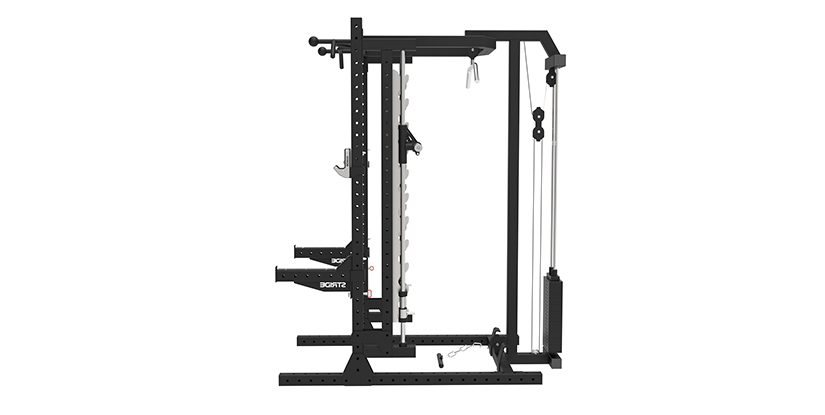
Understanding the distinction between investment tiers is essential for making a sustainable procurement decision. Whether you are outfitting a boutique studio or a high-traffic training center, the scale of your requirements dictates the necessary build quality. For home gym enthusiasts, a standard model may suffice, but for professional environments, the focus must shift toward durability and structural integrity to withstand constant heavy loading.
Commercial-grade strength training equipment is engineered to minimize maintenance costs over several years of intensive use. While a lighter-weight unit may offer a lower entry price, a professional-grade heavy duty squat rack provides a much higher ROI by preventing frequent replacements and downtime. We recommend evaluating these three common scenarios to align your purchase with your operational goals:
- Premium Commercial Tier: High-frequency use, requiring maximum durability and heavy-duty steel construction to support high-volume traffic.
- Boutique/Studio Tier: Balanced focus on space-saving design and multi-functional utility for specialized training.
- Advanced Home/Semi-Pro Tier: Focus on long-term reliability and versatility for serious strength enthusiasts.
By selecting a seated military press squat rack that matches your specific usage tier, you ensure that your capital expenditure translates into lasting value and consistent member satisfaction.
Beyond initial procurement costs, the true economic value of a seated military press squat rack lies in its ability to withstand the rigors of high-intensity training environments. When sourcing hardware, the emphasis must shift from the lowest bid to the long-term cost-per-use. A unit built with inferior gauge steel or substandard welding may appear cost-effective today, but it often results in expensive downtime and premature replacement cycles that erode your profit margins.
To safeguard your investment, prioritize a heavy duty squat rack that emphasizes uncompromising structural integrity. High-quality steel construction and rigorous quality assurance protocols ensure the frame remains stable under maximum load, protecting both the user and the equipment's lifespan. For distributors and facility owners, investing in premium strength training equipment is a strategic move to ensure maximum equipment longevity. By selecting a robust overhead press station with a heavy-duty foundation, you minimize the risk of mechanical fatigue, ensuring your facility remains a reliable, high-performance destination for years to come.
Lifecycle maintenance planning for busy facilities
In high-traffic commercial environments, equipment downtime translates directly to lost revenue and diminished member satisfaction. For facility managers, the long-term value of a seated military press squat rack depends heavily on a proactive upkeep strategy. Because these units undergo intense vertical and lateral stress, neglecting routine inspections can compromise the structural integrity of the entire station, leading to costly repairs or premature replacement.
To maintain peak operational standards, we recommend a strict maintenance schedule focused on two critical areas: mechanical fluidity and hardware stability. Regularly scheduled bolt tightening is essential to ensure that the heavy duty squat rack frame remains rigid under heavy loads. Additionally, consistent lubrication of all moving pivot points and guide rods prevents friction-induced wear, ensuring the overhead press station operates smoothly. By implementing these small, disciplined checks, distributors and gym owners can extend the lifecycle of their strength training equipment, ensuring a safe, high-performance environment for every athlete.
To streamline your facility management, we have developed a user-friendly upkeep framework. This approach allows your staff to differentiate between rapid daily checks and more intensive periodic assessments, ensuring your seated military press squat rack remains a reliable asset rather than a liability.
The following table outlines the recommended maintenance frequency to mitigate wear and tear and ensure a rigorous safety inspection protocol is always in place:
| Task Category | Frequency | Focus Area | Primary Objective |
|---|---|---|---|
| Daily Visual Check | Every Shift | Surface debris & weight pin placement | Immediate user safety |
| Mechanical Lubrication | Weekly/Monthly | Guide rods & pivot points | Smooth overhead press station motion |
| Structural Audit | Quarterly | Bolt tension & frame alignment | Long-term heavy duty squat rack stability |
By standardizing these routines, you minimize unexpected downtime and protect your initial investment in high-quality strength training equipment.
Beyond routine adjustments, the true secret to facility longevity lies in the quality of the initial procurement. Investing in a premium seated military press squat rack is a long-term investment that pays dividends through reduced labor costs and fewer service calls. High-caliber manufacturing—specifically involving precision welding and high-gauge steel—significantly decreases the frequency of required repairs compared to lower-tier alternatives.
When sourcing strength training equipment for large-scale distribution or gym franchises, prioritize manufacturers that emphasize durability through rigorous quality control. A well-engineered heavy duty squat rack requires less preventative maintenance because its components are designed to withstand the repetitive, high-impact stresses of heavy lifting. By selecting equipment with superior finish coatings and robust mechanical parts, you effectively protect your capital expenditure. Ultimately, choosing high-spec hardware reduces the total cost of ownership, ensuring your facility remains a high-performance destination without the constant interruption of equipment failure.