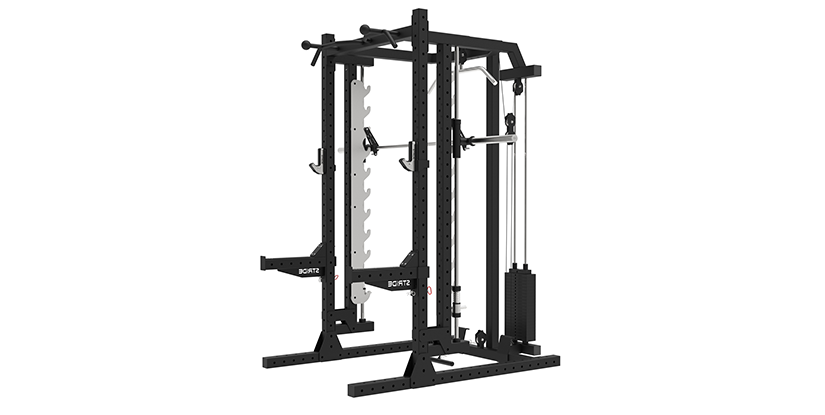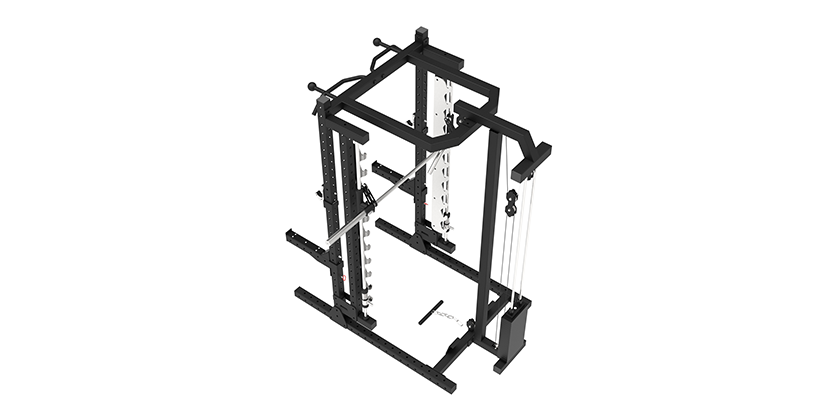
Wholesale Pull Up and Squat Rigs | Commercial Gym Equipment Manufacturer
Direct Value of pull up and squat rigs for Commercial Facilities
Professional pull up and squat rigs represent a high-density equipment solution that integrates heavy-duty strength training stations with multi-user pull-up capabilities. Engineered for commercial gym environments, these modular systems maximize floor space efficiency, reduce total procurement costs, and provide a versatile foundation for group training and powerlifting programs.
The Space Efficiency Dilemma: Why Static Racks Fail Modern Gyms
Gym owners often face a critical bottleneck: the trade-off between equipment variety and floor space. Traditional standalone squat racks and independent pull-up stations consume massive amounts of square footage while serving only one athlete at a time. This inefficiency directly impacts your revenue per square foot, especially during peak hours when members are forced to wait for equipment.
Purchasing low-tier, static racks for a commercial environment is a common procurement error. These units often lack the structural rigidity required for high-frequency use, leading to noticeable "sway" during kipping pull-ups or heavy re-racks. For a facility manager, this isn't just a performance issue; it is a long-term liability and maintenance headache. Constant bolt-tightening and floor anchor repairs significantly increase the total cost of ownership.
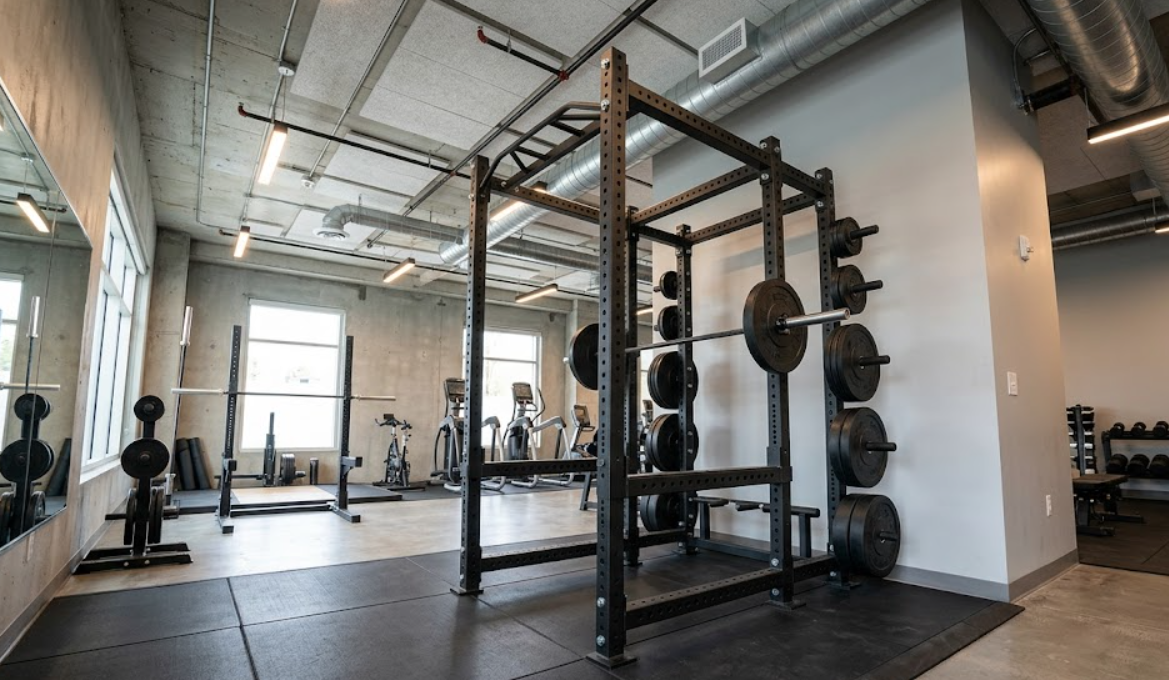
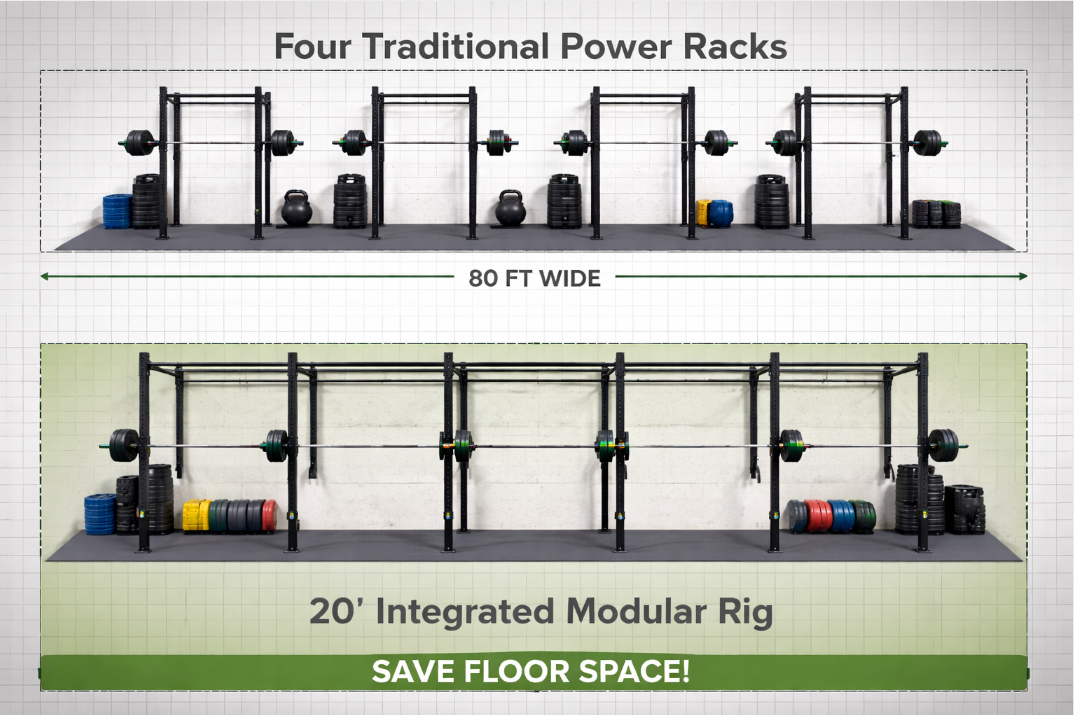
Our industrial-grade pull up and squat rigs solve this by consolidating multiple training modalities into a single, cohesive footprint. By utilizing a shared-post design, you can effectively double your training capacity without doubling your floor usage. Whether you are outfitting a boutique studio or a 10,000-square-foot box, these pull up bar rigs allow for a streamlined layout that improves member flow and facilitates larger group classes, directly boosting your gym's operational ROI.
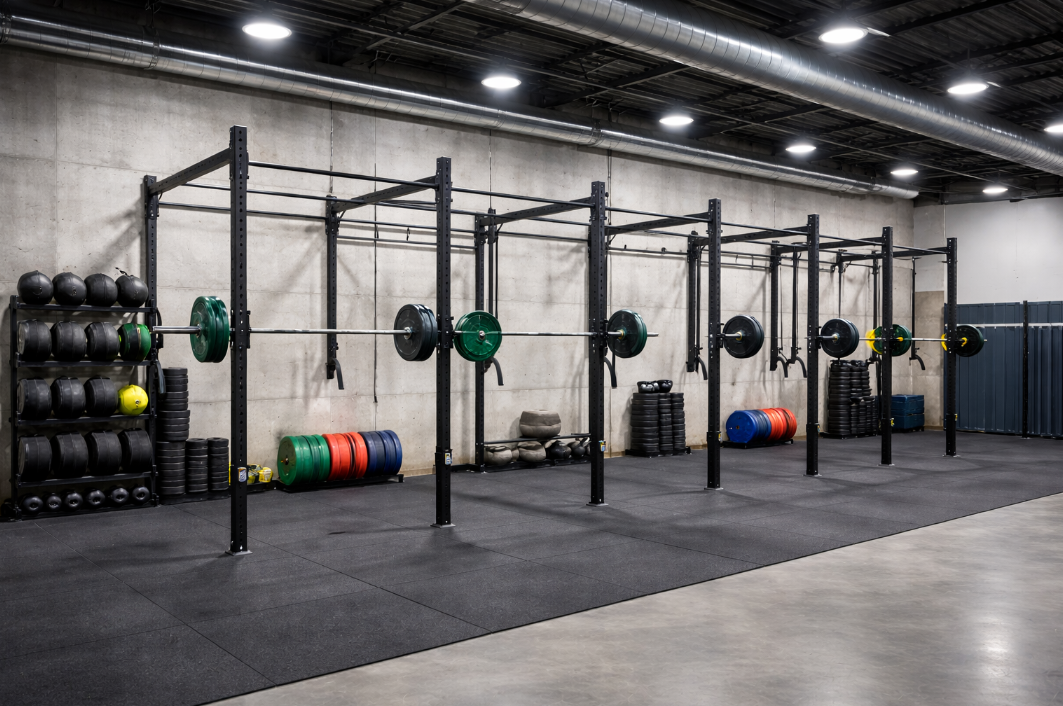
Engineering Excellence: 11-Gauge Steel and Structural Integrity
In a high-traffic commercial gym, the structural integrity of your pull up and squat rigs is non-negotiable. We manufacture our systems using 11-gauge (3mm) industrial-grade steel, which is the gold standard for North American commercial facilities. Using thinner 12-gauge or 14-gauge steel might reduce initial procurement costs, but it leads to structural fatigue, upright swaying, and eventual replacement costs that erode your margins.
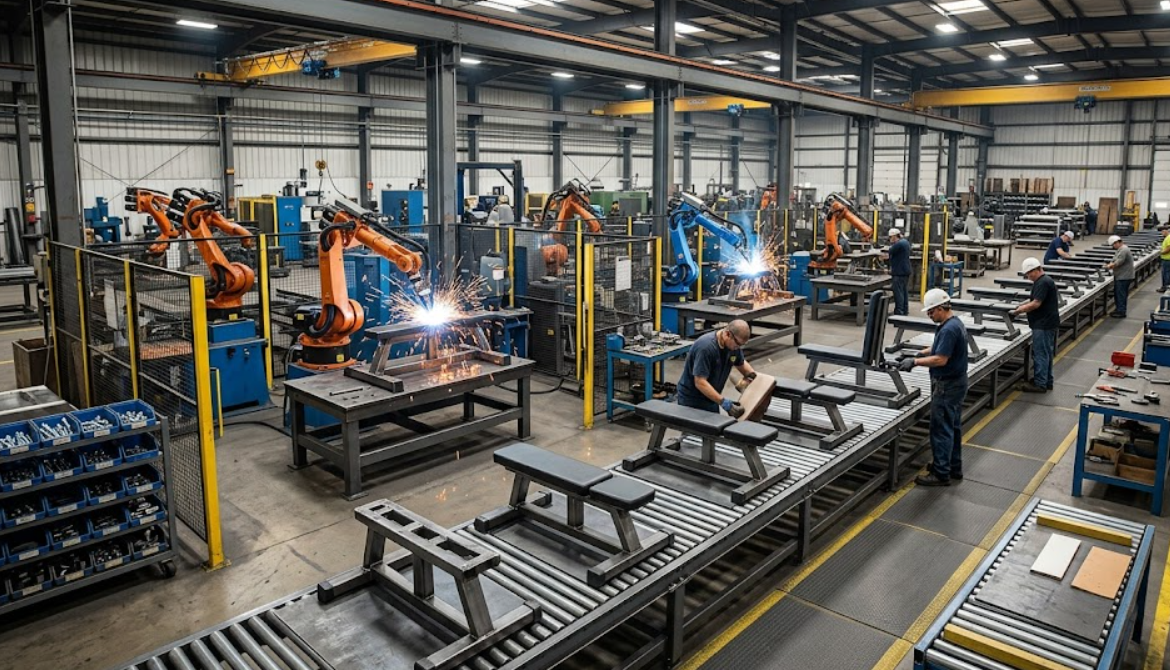
Our engineering process utilizes robotic MIG welding to ensure every joint on the pull up bar rigs is uniform and over-engineered for safety. We focus on the "Total Load Capacity." Each squat station is rated for a static load exceeding 1,500 lbs, ensuring that even under the stress of heavy powerlifting or dynamic kipping movements, the frame remains rigid. This stability is achieved through 3x3-inch uprights and oversized 5/8-inch or 1-inch hardware, providing a secure anchor point that instills confidence in your members and reduces your facility's liability profile.
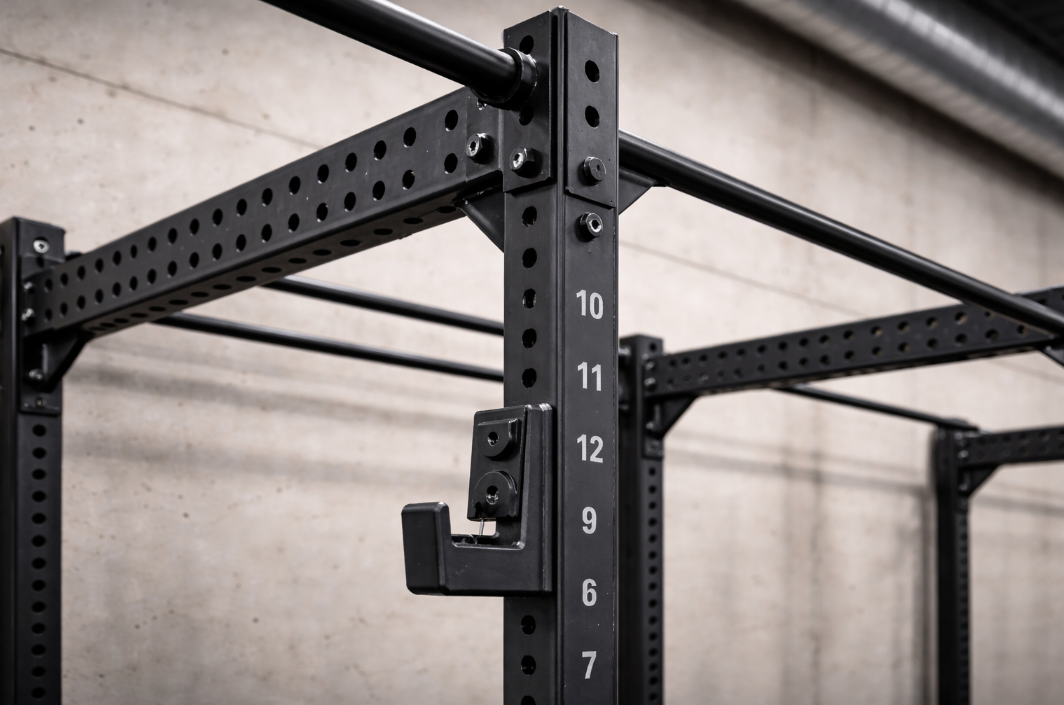
Modular pull up bar rigs: Scaling from Boutique Studios to 20,000 Sq Ft Hubs
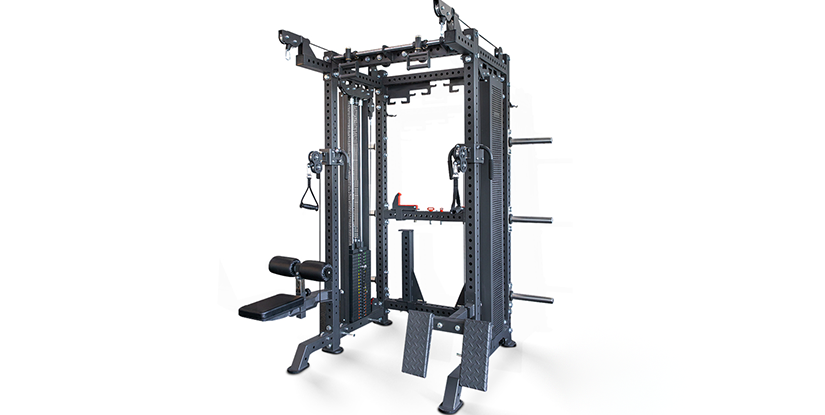
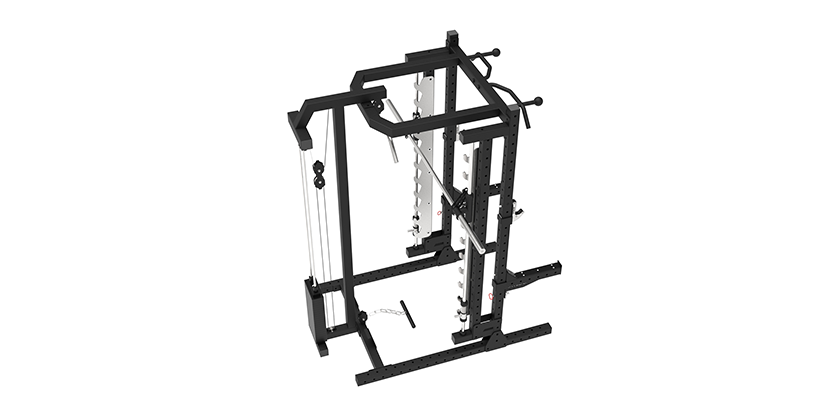
One of the costliest mistakes in facility planning is purchasing fixed-size equipment that cannot adapt to business growth. Our modular pull up and squat rigs are designed as a future-proof investment. The system relies on a standardized hole pattern (including Westside spacing in the bench zone) and interchangeable crossmembers, allowing you to expand your rig length or add functional stations as your membership base grows.
For a distributor or a gym owner, this modularity means you can start with a 4-foot wall-mounted unit and eventually scale to a 24-foot freestanding "centerpiece" rig without discarding your original components. This "build-as-you-grow" approach optimizes your initial capital expenditure (CAPEX) while ensuring that your pull up bar rigs remain the functional heart of the gym. Whether you need to add monkey bars, landmines, or plate storage, the modular nature of our 11-gauge uprights allows for instant customization to match your specific programming needs.
Comparative Analysis: Fixed Racks vs. Modular pull up and squat rigs
For procurement managers, the choice between traditional fixed power racks and modular pull up and squat rigs often comes down to the total cost per station and long-term utility. While individual racks offer privacy, they lack the scalability and multi-functional integration required for modern group training or high-density gym layouts.
| Feature Comparison | Traditional Fixed Racks | Modular pull up and squat rigs |
|---|---|---|
| Space Utilization | High footprint per user; static positioning. | Optimized; shared uprights reduce floor waste. |
| Procurement Cost | Higher per station due to redundant steel. | Lower cost per station via shared components. |
| Training Versatility | Primarily restricted to barbell work. | Combines squat, pull-up, and suspension training. |
| Scalability | Difficult to expand; requires new units. | Easy to add sections to existing pull up bar rigs. |
| Maintenance ROI | Moderate; multiple independent units to check. | High; consolidated structure simplifies inspections. |
Finish and Durability: Powder Coating Standards for High-Traffic Use
The finish of your pull up and squat rigs is more than an aesthetic choice; it is a critical durability factor that determines the equipment's lifespan and the safety of the user's grip. In high-humidity environments or high-traffic commercial boxes, inferior paint will chip, leading to oxidation (rust) and structural degradation of the steel. This necessitates early replacement and increases your total cost of ownership.
We utilize a multi-stage electrostatic powder coating process for all our pull up bar rigs. Unlike standard wet paint, our powder coat is baked at high temperatures to create a resilient, scratch-resistant barrier. For the pull-up components, we specifically apply a fine-texture matte finish. This provides the optimal balance of "grippiness" for athletes—reducing the need for excessive chalk—while being smooth enough to prevent hand tearing during high-rep gymnastics movements. From a maintenance perspective, this industrial-grade coating resists the corrosive effects of sweat and cleaning chemicals, ensuring your facility maintains a professional, "like-new" appearance for years after the initial installation.
The Distributor’s Advantage: Logistics, Packaging, and Assembly Efficiency
For equipment distributors and wholesale partners, the profitability of pull up and squat rigs is often determined by logistics and labor costs rather than the list price alone. Shipping bulky, pre-welded frames is economically unviable due to high "dead air" volume in containers. Our modular pull up bar rigs are engineered for high-density flat-pack shipping, significantly reducing your landed cost per unit and maximizing your warehouse cubic footage efficiency.
From an installation standpoint, time is money. Our rigs utilize a standardized bolt-and-plate system that allows a two-person team to assemble a standard 10-foot section in under 90 minutes. For a distributor providing turnkey installation services, this reduction in man-hours directly increases the margin on every project. Furthermore, by stocking a core set of universal uprights and crossmembers, you can fulfill custom layout requests for clients without maintaining separate SKUs for every possible configuration, vastly improving your inventory turnover ratio.
Safety Compliance and Static Load Testing Protocols
In a commercial setting, equipment failure is not just a maintenance issue—it is a significant legal liability. Professional pull up and squat rigs must be able to withstand the dynamic forces of multiple athletes working out simultaneously. A rig that shakes or deflects under load creates a perception of poor quality that can damage a gym's brand reputation and member retention.
Our manufacturing protocols include rigorous static load testing that simulates extreme use-case scenarios. We utilize oversized 5/8" industrial hardware and heavy-duty base plates with multiple floor-anchor points to ensure the pull up bar rigs remain vibration-free. Every production run undergoes weld penetration inspections and shear strength testing on the J-hooks and safety arms. By adhering to these strict engineering standards, we provide procurement officers with the documentation and peace of mind necessary to outfit large-scale facilities where safety and durability are the primary KPIs.
Maximizing Your Facility’s ROI: Revenue Per Square Foot
For a gym owner, every square foot of rubber flooring carries a monthly lease cost. High-performance pull up and squat rigs are not just training tools; they are financial assets designed to optimize the "revenue per square foot" metric. In a traditional setup, a single squat rack might accommodate one user every 45 minutes. In contrast, a 20-foot integrated rig can simultaneously support four squat stations and six pull-up stations, effectively tripling the throughput of your facility during peak hours.
This increased density allows for the implementation of high-margin small group training (SGT) and functional fitness classes that would be impossible with scattered, standalone equipment. By consolidating these functions into pull up bar rigs, you free up floor space for other revenue-generating activities like turf lanes or recovery zones. When calculating your return on investment, consider the longevity of 11-gauge steel and the reduced need for multiple equipment types; the lower total cost of ownership combined with higher athlete capacity makes these rigs the most efficient equipment investment in the commercial fitness sector.