How to Choose the Best Power Rack for Your Basement Gym
Vetting Manufacturers for High-Standard Basement Installations
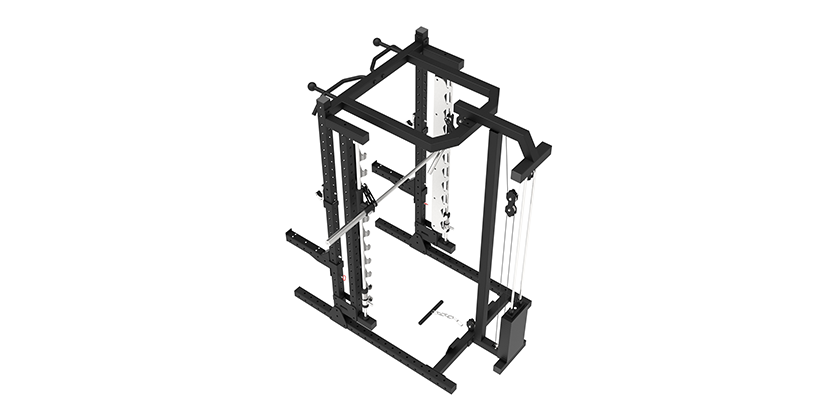
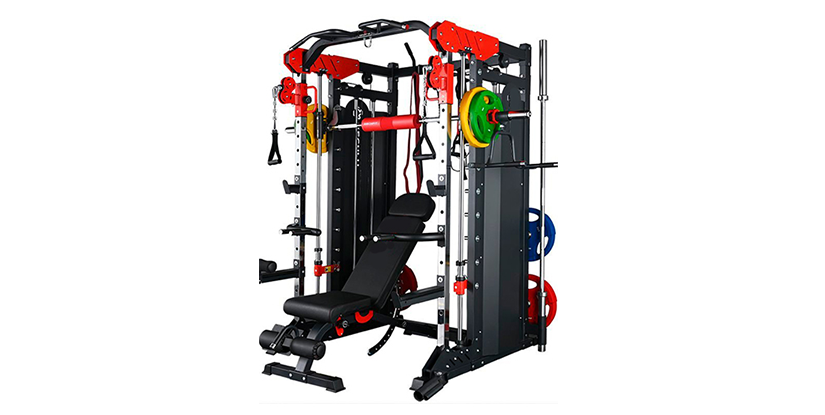
When a boutique fitness studio or a high-end residential developer selects equipment for a sub-level facility, the margin for error vanishes. Unlike open-air outdoor setups, a basement environment demands equipment that can withstand localized humidity and constant vibration without compromising safety. Finding the best power rack for basement gym installations requires looking beyond aesthetics to the fundamental structural integrity of the unit. If you are sourcing for a premium project, you must prioritize manufacturers that utilize high-grade steel—specifically heavy-gauge, powder-coated tubing—to prevent oxidation and frame warping over time.
A subpar rack is a liability, not an asset. When evaluating a home gym equipment setup, always verify the static and dynamic weight capacity. A professional-grade rack should be built to handle heavy compound movements without any lateral swaying. Investing in a high-quality build is a long-term investment; it ensures that the foundation of your training space remains stable and secure, regardless of how much the user's strength evolves.
To ensure your procurement meets professional standards, you must look deeper into the technical specifications of the manufacturing process. A reliable supplier will provide transparency regarding their quality assurance processes and fabrication techniques. For a durable home gym equipment setup, pay close attention to the weld strength at every critical junction; seamless, consistent welds are the hallmark of precision engineering and prevent structural failure under heavy loads.
Furthermore, the finish of the steel is a vital indicator of longevity. High-quality powder coating quality does more than provide a premium feel—it acts as a robust barrier against the moisture and temperature fluctuations common in lower-level environments. When auditing potential suppliers, ask for details on their material testing and finishing standards. A manufacturer that emphasizes rigorous quality control and utilizes advanced machinery is much more likely to deliver a product that remains the best power rack for basement gym applications for years to come, rather than a piece of equipment that degrades after a single season of heavy use.
When planning your basement gym layout ideas, it is helpful to visualize how different tiers of construction impact both the longevity and the footprint of your space. While a compact squat rack guide might suggest smaller footprints, the actual weight and durability of the steel are what determine if the unit remains a stable anchor or becomes a structural liability. To help you differentiate between entry-level models and professional-grade equipment, we have outlined the standard variations in manufacturing quality below.
| Technical Feature | Budget-Tier Manufacturer | Premium-Tier Manufacturer |
|---|---|---|
| Material Thickness | Standard 11-gauge steel | Heavy-duty 7-gauge or 11-gauge high-tensile steel |
| Finish Durability | Basic spray paint or thin coating | Multi-layer, moisture-resistant powder coating |
| Stability Rating | Moderate (may require bolting) | High (optimized for heavy dynamic loads) |
| Typical Use Case | Occasional light home use | High-frequency/Professional training |
Understanding these distinctions is vital when sourcing the best power rack for basement gym environments, where moisture resistance and structural rigidity are non-negotiable. A higher material thickness and superior finish durability ensure that your investment withstands the unique atmospheric challenges of a lower-level facility.
Quality Control Protocols for Heavy-Duty Steel Components
When sourcing the best power rack for basement gym installations, long-term safety depends entirely on the metallurgical integrity of the frame. Unlike commercial facilities with climate control, basement environments often face fluctuating humidity levels, which can accelerate oxidation. To mitigate this, high-tier manufacturers prioritize a premium rust prevention coating, ensuring the steel remains pristine despite localized moisture issues.
Beyond surface protection, the structural stability of your setup is dictated by the precision of the fabrication. We recommend looking for equipment constructed from high-grade, heavy-duty steel gauge—typically 11-gauge or thicker—to prevent bowing under heavy loads. Furthermore, rigorous quality control must verify weld strength at every critical junction. A failure in a single weld can compromise the entire home gym equipment setup. For distributors and bulk buyers, verifying these material specifications is the most effective way to ensure the equipment survives years of high-intensity training without structural fatigue.
Once your shipment arrives, the final stage of a successful home gym equipment setup involves a rigorous on-site inspection checklist. Even with top-tier manufacturing, the logistics process can subject heavy steel components to significant vibration and stress. Before fully commissioning your space, perform a manual check of all connection points to verify bolt tightness; ensuring every fastener is torqued to specification prevents structural wobbling during heavy lifts.
Visual inspections are equally critical for long-term durability. Examine the powder coating integrity across the entire frame to ensure no chips or abrasions occurred during transit, as these small gaps can become entry points for moisture. Additionally, if your rack includes adjustable components or weight horns, prioritize the regular lubrication of moving parts. Applying a thin layer of silicone-based lubricant to guide rods or sliding mechanisms ensures smooth operation and prevents the friction-induced wear that often plagues lower-quality compact squat rack guide systems in unconditioned basement environments.
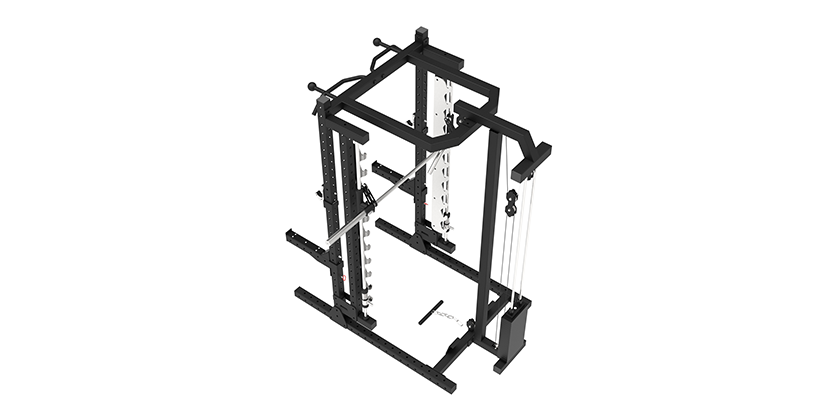
To assist in your procurement process, we have synthesized the essential material specifications into a comparative reference. Understanding these technical indicators is vital when navigating a compact squat rack guide, as it allows you to differentiate between entry-level consumer models and professional-grade equipment capable of sustained heavy loading.
The following table outlines how specific fabrication standards directly impact the long-term utility of your home gym equipment setup:
| Feature Indicator | Standard/Spec | Impact on Longevity | Expected Durability Level |
|---|---|---|---|
| Steel Thickness (Gauge) | 11-Gauge (approx. 3mm) | Prevents structural bowing/warping | High (Commercial Grade) |
| Weld Quality | Full-penetration MIG/TIG | Eliminates stress fractures at joints | Extreme (Heavy Use) |
| Finish Type | Electrostatic Powder Coat | Resists moisture and oxidation | Superior (Basement-Ready) |
| Hardware Grade | High-Tensile Steel Bolts | Maintains torque over time | Consistent (Long-term) |
When selecting the best power rack for basement gym environments, prioritizing these metallurgical benchmarks ensures that your investment remains a stable, safe asset rather than a maintenance liability. Selecting higher-gauge steel and superior finishes is the most reliable way to combat the environmental variables common in lower-level training spaces.
Navigating Warranty Claims and Long-Term Support
When investing in a premium home gym equipment setup, you are not just purchasing a single piece of steel; you are investing in a multi-year asset. For many, the best power rack for basement gym use is defined by its ability to withstand heavy loading and high-frequency training without compromising structural integrity. From a procurement standpoint, the true long-term value of your equipment is realized through durability and the absence of frequent replacements.
Low-quality alternatives often suffer from premature wear and tear due to substandard welding or thin-gauge steel, which can lead to costly maintenance or total failure. When sourcing for a residential or commercial-grade basement space, prioritize manufacturers that offer rigorous quality control. A robust build ensures that your investment remains stable through years of heavy compound lifts, providing a reliable foundation that justifies the initial capital expenditure.
To maximize your return on investment, you must look beyond the initial price tag and evaluate the manufacturer’s commitment to post-purchase reliability. A high-quality home gym equipment setup requires more than just a sturdy frame; it requires a lifecycle strategy. When sourcing the best power rack for basement gym environments, verify that the supplier provides comprehensive warranty coverage that specifically addresses structural components and moving parts like J-cups or pull-up bars.
A common pitfall in basement gym layout ideas is neglecting the availability of replacement parts. If a single component fails or a bolt strips, a manufacturer with a strong global supply chain ensures your training remains uninterrupted. Furthermore, ensure your provider offers responsive customer support capable of assisting with technical maintenance queries. A manufacturer that provides clear guidance on routine upkeep and part replacement is essential for ensuring your equipment remains a functional, high-performance asset for years to come.
Understanding the distinction between different support tiers is essential for a smart home gym equipment setup. While a budget-friendly option might suffice for light, casual use, it often lacks the long-term reliability required for heavy strength training. When searching for the best power rack for basement gym installations, you should weigh the initial cost against the total cost of ownership. A premium tier ensures that your compact squat rack guide requirements are met with professional-grade durability, rather than just low-cost metal.
The following comparison illustrates how different support models impact your long-term basement gym layout ideas and overall ROI:
| Feature/Level | Standard Support (Budget) | Premium Support (Pro-Grade) |
|---|---|---|
| Coverage Scope | Limited to major structural parts | Comprehensive (Frame, Pins, & Accessories) |
| Part Availability | Standard/Generic parts only | Full access to proprietary components |
| Typical Lifespan | 2–4 years (High wear) | 8–10+ years (Heavy usage) |
| User Type | Occasional/Casual Lifter | Dedicated/High-Frequency Athlete |
Choosing a model with superior support ensures that your best power rack for basement gym remains a functional asset rather than a liability when a single component eventually needs refreshing.
Optimizing Dimensions for Lower-Level Ceiling Heights
One of the most common oversight in a home gym equipment setup is failing to account for vertical clearance. When sourcing the best power rack for basement gym applications, your primary constraint isn't just floor square footage, but the distance between the floor and the ceiling joists. If you do not prioritize ceiling clearance, you risk a dangerous collision during a heavy lift or an overhead movement.
A sufficient safety margin is non-negotiable. You must calculate the height of the rack itself, plus the height of the barbell at its highest point during an overhead press space requirement. For instance, a lifter performing a strict press needs ample room to ensure the bar does not strike low-hanging pipes, HVAC ducts, or support beams. When planning your basement gym layout ideas, always measure from the highest obstruction rather than the structural ceiling to ensure a safe training environment.
| Rack Configuration Type | Space Efficiency | Storage Capability | Ideal Use Case |
|---|---|---|---|
| Wall-Mounted Folding Rack | Maximum | Minimal (Folded) | Tight residential basements |
| Standard Full Power Rack | Moderate | High (Integrated Pegs) | Dedicated training zones |
| Compact Squat Stand | High | Low (External Storage) | Minimalist setups |
Selecting the right architecture is a critical step in your home gym equipment layout. Depending on your structural constraints, the footprint of your equipment will dictate how much "breathing room" remains for movement. If you are working with a highly restrictive footprint, a folding power rack is often the premier solution; it allows you to reclaim floor space by mounting the frame directly to the wall, making it ideal for multi-purpose lower levels.
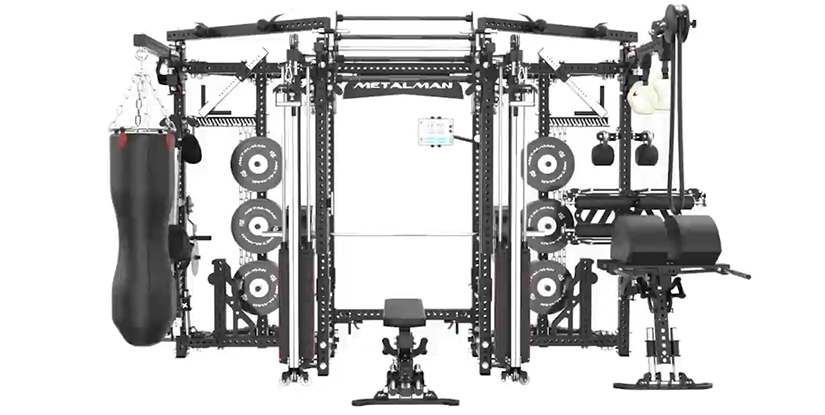
For those seeking a compact squat rack guide, consider the trade-offs between stability and size. A standard full rack offers maximum structural rigidity and integrated storage, but it demands a permanent footprint. Conversely, a half rack or a specialized squat stand provides a smaller lateral footprint, which is excellent for optimizing basement gym layout ideas where you need to maintain clear walking paths. When sourcing through a distributor, always verify the exact dimensions of the base and the total height to ensure your best power rack for basement gym selection fits both your ceiling height and your available floor area.
Beyond simple height, you must account for overhead obstacles that frequently disrupt a professional home gym equipment setup. In many residential lower levels, the actual structural ceiling is not the limiting factor; instead, it is the secondary infrastructure. Always scan for lighting interference, such as low-hanging pendant lights or recessed fixtures that could be struck during a failed lift. Furthermore, ensure your vertical clearance accounts for exposed HVAC ducts, plumbing, or electrical conduits that often run along basement ceilings.
When refining your basement gym layout ideas, treat these obstructions as your "true ceiling." A rack that technically fits the room may still be unusable if a barbell strike could damage a ventilation pipe or shatter a light fixture. We recommend mapping out a 3D mental model of your training zone, ensuring that even the most aggressive overhead movements remain well clear of these structural elements to maintain a safe, high-quality training environment.
Smart Layout Strategies for Compact Training Zones
Before finalizing your home gym equipment setup, you must address the most significant physical constraint of any lower-level installation: the vertical limit. While floor space dictates your compact squat rack guide requirements, the ceiling is what determines your actual safety and range of motion. A common mistake in basement gym layout ideas is overlooking the necessity of vertical space for dynamic movements.
When sourcing the best power rack for basement gym use, you must calculate the total height including the barbell. You need to account for the height of the rack, the diameter of the Olympic bar, and the thickness of the weight plates. Crucially, ensure there is ample ceiling height clearance to allow for unobstructed overhead barbell movement. Without sufficient clearance, you risk hitting low-hanging joists or light fixtures during a press, creating dangerous safety considerations. We recommend measuring from the highest point of your intended training zone to ensure your lifting path remains entirely clear of structural obstructions.
Beyond vertical clearance, your primary concern is the actual footprint. Selecting the best power rack for basement gym installations requires a strategic understanding of how different models occupy your floor area. A mismatch between your available square footage and the equipment's dimensions can lead to a cramped, inefficient, and potentially hazardous home gym equipment setup.
To optimize your basement gym layout ideas, we have categorized common rack types based on their typical footprint dimensions. Whether you are working with a tight corner or a larger open area, this compact squat rack guide helps you visualize the floor space requirements for various configurations.
| Rack Type | Typical Footprint | Best For |
|---|---|---|
| Wall-Mounted Folding Rack | Minimal (Folded) | Tight spaces and multi-purpose rooms |
| Slim Profile Half Rack | Moderate | Standard basement corners with limited depth |
| Full Power Cage | Large | Dedicated training zones with high stability needs |
When evaluating these options, remember that the footprint isn't just the base of the rack; you must also account for the "buffer zone" needed for barbell loading and lateral movement. A professional-grade setup should always leave enough room for safe plate transitions.
Maximizing a limited footprint requires looking beyond the metal frame itself. To truly optimize your home gym equipment setup, you must account for the peripheral clearance required for safe operation. A common oversight when selecting the best power rack for basement gym environments is neglecting the movement radius needed for lateral exercises, such as lunges or side steps, which can lead to collisions with walls or furniture.
Efficient basement gym layout ideas prioritize vertical storage to keep the floor clear. We suggest looking for models with integrated weight plate storage or dedicated accessory holders. By utilizing the rack's structure to house your plates, dumbbells, and barbells, you reclaim valuable floor area, making even a small room feel more professional and organized. When planning your layout, always visualize the widest point of your movement—including the length of the barbell—to ensure your training zone remains unobstructed and safe.
Calculating Total Landed Costs for Bulk Equipment Imports
When sourcing the best power rack for basement gym installations, many buyers fall into the trap of focusing solely on the factory unit price. However, for professional distributors and large-scale home gym developers, the sticker price is only a fraction of the true investment. To protect your margins, you must account for the total landed cost, which includes freight, customs, and duties.
One often overlooked variable is shipping volume considerations. Because a high-quality power rack is heavy and features large structural steel components, it occupies significant cubic volume in a shipping container. High-density steel builds may increase weight-based freight costs, while bulky dimensions can drive up volumetric weight charges. Neglecting these landed cost components during your home gym equipment setup planning can lead to significant budget overruns. Whether you are refining basement gym layout ideas or scaling a commercial inventory, always calculate the final cost inclusive of port fees and import taxes to ensure your project remains profitable and predictable.
To maintain a predictable budget during your home gym equipment setup, you must look beyond the initial invoice. Professional procurement requires a granular understanding of how various logistics variables impact your final per-unit cost. A detailed breakdown helps you anticipate the financial footprint of importing heavy-duty steel structures, ensuring your compact squat rack guide remains a tool for growth rather than a source of unexpected debt.
The table below outlines the primary logistics categories and their typical budget impact when importing professional-grade strength equipment:
| Logistics Category | Primary Budget Impact | Procurement Note |
|---|---|---|
| Ocean Freight | High (Volume/Weight) | Calculated via CBM (Cubic Meters) or weight. |
| Import Duties | Moderate (Variable) | Depends on specific HTS codes for fitness steel. |
| Port Fees | Low to Moderate | Includes handling and documentation at arrival. |
| Local Delivery | Variable (Last Mile) | Critical for heavy items in residential areas. |
By accounting for these variables early, you can optimize your basement gym layout ideas without compromising on the quality of the equipment or your project's financial viability.
To truly master your procurement strategy, focus on shipping optimization through smart packaging design. When following a compact squat rack guide, it is tempting to prioritize minimal dimensions to save space, but you must balance this against volumetric weight. A highly compact design that uses inefficient packaging can actually trigger higher freight surcharges if the dimensional weight exceeds the actual weight. We recommend sourcing equipment that utilizes nested or modular components to maximize container density. This approach ensures total investment transparency by reducing the "hidden" costs of air being shipped inside large boxes. By aligning your home gym equipment setup with efficient, high-density shipping configurations, you effectively lower the per-unit landed cost, allowing for a more scalable and profitable deployment of your fitness assets.
Maximizing Your Investment through Quality Sourcing
When planning a home gym equipment setup in a residential setting, the temptation to opt for entry-level, budget-friendly options is high. However, from a procurement standpoint, the best power rack for basement gym use is defined by its long-term ROI rather than the lowest initial price tag. Cheap alternatives often compromise on structural integrity, leading to frame deflection or instability under heavy loads. For a serious lifter, this isn't just a safety concern; it is a premature replacement cost that undermines the value of the build.
Investing in a high-grade unit ensures a superior weight capacity that grows with your strength levels. Beyond the heavy lifting, look for high versatility of attachments, such as dip stations, pull-up bars, and landmines. A robust, modular system allows you to evolve your training without needing to overhaul your entire basement gym layout ideas. By prioritizing high-spec steel and precision engineering now, you secure a durable centerpiece that remains a functional asset for years, rather than a disposable piece of equipment.
To make an informed decision, you must balance your physical constraints with your long-term training ambitions. Whether you are working with a low-clearance ceiling or a limited footprint, selecting the right model is a strategic move. Use this compact squat rack guide to evaluate how different configurations align with your specific environment and budget.
| Rack Type | Space Requirement | Durability | Versatility | Price Tier |
|---|---|---|---|---|
| Wall-Mounted | Minimal (Footprint-free) | Moderate | Limited | $ - $$ |
| Half Rack | Moderate | High | High | $$ - $$$ |
| Full Power Cage | Significant | Maximum | Extensive | $$$ - $$$$ |
When refining your basement gym layout ideas, consider that a more compact footprint often yields a higher ROI in tight spaces by freeing up room for auxiliary movements. However, if your goal is professional-grade strength training, a full cage offers the unmatched stability required for heavy compound lifts. Choosing the best power rack for basement gym use ultimately depends on whether you prioritize spatial efficiency or maximum structural utility.
Beyond the hardware itself, a successful home gym equipment setup requires a holistic view of your environment. One of the most frequent oversight during the procurement process is failing to account for ceiling height considerations. Before finalizing your order, verify that your overhead clearance allows for full range of motion during overhead presses or pull-ups, as a rack that is too tall for your basement can render the equipment unusable for certain movements. Furthermore, do not overlook the importance of floor protection; high-density rubber matting is essential to mitigate vibration and protect your concrete subfloor from the impact of heavy plates.
True value lies in future-proofing your basement gym. Rather than buying for your current strength level, select a modular system that can accommodate advanced accessories and increased weight increments. A high-quality, scalable foundation ensures that your investment remains relevant as your training evolves. By addressing these environmental and structural details during the initial planning phase, you transform a simple basement corner into a professional-grade training ecosystem that delivers consistent performance for years to come.