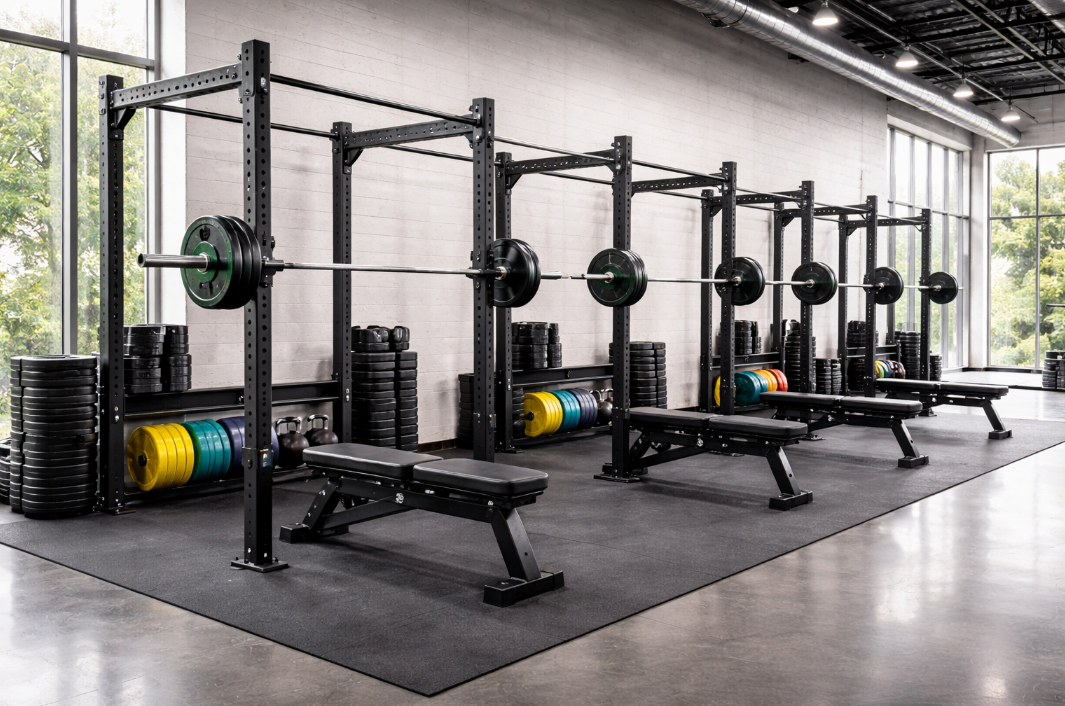
How to Choose the Best Utility Bench for Your Power Rack
Evaluating Long-Term Value: Bench Longevity vs. Initial Investment
A high-quality utility bench is a fundamental component of a professional training station, designed to provide a stable platform for various resistance exercises. B2B buyers prioritize these units because they serve as a durable centerpiece that supports both high-frequency training and long-term facility reliability.
When sourcing equipment, many distributors fall into the trap of prioritizing the lowest upfront price, only to face rising costs later through frequent replacements. Finding the best utility bench for power rack integration requires a shift in perspective from simple procurement to strategic asset management. While a budget-friendly adjustable weight bench might seem attractive for initial margins, it often lacks the heavy-duty steel construction necessary to withstand rigorous commercial use.
We recommend analyzing the initial investment vs. long-term cost by evaluating the build quality of the frame and upholstery. Investing in premium, high-gauge steel ensures that the unit remains a reliable part of the home gym setup guide for years, rather than becoming a maintenance liability that requires constant gym equipment maintenance or premature disposal.
To help you visualize the return on investment, we have categorized common market tiers. Choosing the right tier depends on whether you are catering to casual users or high-performance athletes who demand absolute stability.
| Tier Level | Primary User Type | Expected Lifespan | Maintenance Frequency | Value Proposition |
|---|---|---|---|---|
| Entry-Level | Beginner / Light Home User | 2–4 Years | Moderate | Low upfront cost; higher replacement rate |
| Mid-Range | Fitness Enthusiast | 5–8 Years | Low | Balanced durability and price |
| Premium/Commercial | Professional / High-Traffic Gym | 10+ Years | Minimal | High initial cost; lowest long-term TCO |
When selecting the best utility bench for power rack compatibility, remember that the cheapest adjustable weight bench often carries hidden costs in the form of mechanical failure and frequent gym equipment maintenance. For those following a professional home gym setup guide, opting for a higher-spec model typically results in better long-term asset stability and fewer procurement cycles.
To truly understand the economic impact of your procurement, you must look beyond the sticker price and calculate the cost-per-use metric. A bench that fails after eighteen months due to poor upholstery durability or structural fatigue is significantly more expensive than a premium unit that remains operational for a decade. When sourcing, we advise inspecting the thickness of the padding and the grade of the steel to ensure frame stability remains intact under heavy eccentric loads.
High-quality upholstery durability is a critical indicator of value; cheap vinyl often cracks under perspiration and friction, requiring frequent gym equipment maintenance or complete replacement. By prioritizing high-density foam and reinforced stitching, you ensure the bench remains a centerpiece of the home gym setup guide for the end-user, rather than a recurring expense. Ultimately, the best utility bench for power rack setups is the one that offers the lowest total cost of ownership through superior build quality and mechanical reliability.
Structural Integrity and Compatibility with Power Rack Dimensions
When sourcing equipment for a high-performance facility or a premium home gym, the most overlooked variable is the spatial relationship between the bench and the rack. Selecting the best utility bench for power rack integration requires more than just checking the weight capacity; you must ensure the footprint aligns with your rack's uprights to prevent lateral shifting. A mismatch in dimensions can compromise heavy lifting safety, especially during high-intensity movements where lateral force is applied. Without proper stability, even a high-grade adjustable weight bench can become a liability if it lacks the structural footprint to remain anchored within the rack's frame.
For distributors and bulk buyers, prioritizing structural integrity means looking at the gauge of the steel and the welding quality. A bench that wobbles under load is a primary indicator of poor manufacturing standards. Below, we compare common construction styles to help you evaluate long-term durability.
| Construction Type | Frame Durability | Stability Profile | Best Use Case |
|---|---|---|---|
| Heavy-Duty Steel Plate | High (Thick Gauge) | Maximum Rigidity | Commercial Strength Training |
| Standard Tubular Steel | Moderate | Standard Stability | General Fitness Centers |
| Lightweight Aluminum | Lower | Variable | Residential/Limited Space |
Ensuring your home gym setup guide includes these compatibility checks will significantly reduce long-term gym equipment maintenance costs and prevent premature wear caused by uneven weight distribution.
When evaluating specific models, you must consider the interplay between the bench's footprint and the rack's interior clearance. A common oversight in a home gym setup guide is failing to account for the space required for the bench legs to sit flush without hitting the rack's uprights or J-cups. If the bench is too wide, it may not slide deep enough into the rack, forcing the lifter into an awkward, unsafe position. Conversely, a bench that is too narrow may lack the necessary weight capacity to remain stable during heavy eccentric movements.
For those sourcing an adjustable weight bench for professional or high-end residential use, we recommend verifying the following dimensions before finalizing any bulk order:
- Total Length: Ensure the bench does not protrude excessively from the rack, creating a tripping hazard.
- Width/Base Span: Confirm the base fits within the rack's depth to allow for seamless movement.
- Height Adjustability: The bench must be able to sit low enough for squats but high enough for stable bench presses.
Selecting the best utility bench for power rack compatibility ensures that the equipment remains a long-term asset rather than a structural bottleneck.
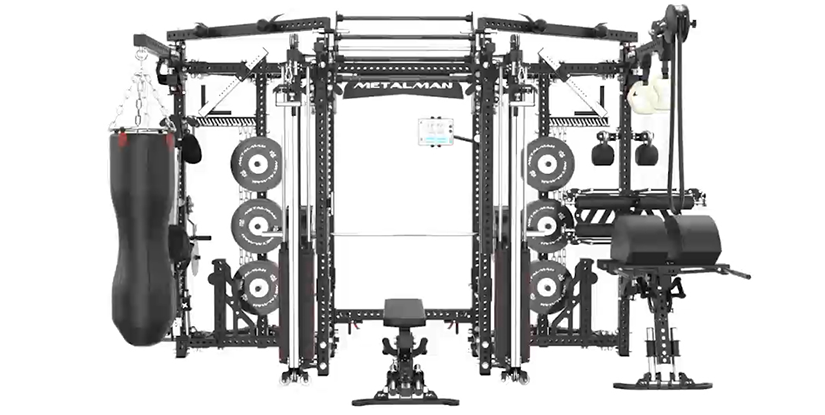
Beyond initial dimensions, long-term durability is dictated by the quality of the materials used in high-stress zones. When sourcing for a facility, we advise looking closely at the frame thickness; a higher steel gauge prevents the bowing or warping that often occurs after years of heavy loading. A thin-walled frame may pass a weight test today, but it will fail to maintain structural precision over time, leading to increased gym equipment maintenance requirements and potential safety risks.
Furthermore, the longevity of the adjustable weight bench is heavily dependent on its contact points. High-quality upholstery longevity is achieved through high-density foam paired with reinforced, tear-resistant vinyl. This ensures the padding does not compress or crack under repetitive heavy use. For buyers focused on a sustainable home gym setup guide, investing in superior upholstery and heavy-duty steel ensures the equipment survives the rigors of daily training cycles without frequent replacements.
Optimizing Your Home Gym Setup Guide with Versatile Adjustability
When designing a professional-grade training environment, spatial efficiency is often the difference between a seamless workout and a frustrating bottleneck. Selecting the best utility bench for power rack integration requires more than just checking weight capacities; you must consider the physical footprint within your existing structure. A bench that is too wide or lacks proper clearance can obstruct movement or prevent you from safely accessing your barbell.
For distributors and gym owners, providing an adjustable weight bench that offers high maneuverability is essential for maximizing utility in compact spaces. We recommend evaluating how the bench's base interacts with the rack's uprights. A well-engineered design ensures that even when the bench is positioned for heavy compound lifts, there is sufficient room for the user to move without colliding with the rack's frame. Prioritizing these spatial dimensions ensures your home gym setup guide remains focused on long-term functionality and user safety.
To assist in your procurement decision, we have categorized the most common bench configurations based on their spatial impact and utility. Depending on whether your client is building a compact garage setup or a high-traffic commercial facility, the choice between fixed vs adjustable models will significantly impact the total usable square footage.
| Bench Style | Space Requirements | Mobility & Versatility | Ideal Use Case |
|---|---|---|---|
| Fixed Flat Bench | Minimal footprint; static position. | Low; limited to flat movements. | High-volume strength training. |
| Adjustable Weight Bench | Moderate; requires clearance for angles. | High; supports incline/decline. | Comprehensive home gym setup guide essential. |
| Compact/Foldable Bench | Very low; can be stored away. | High; easy to move/store. | Limited space/residential environments. |
When sourcing for your inventory, remember that an adjustable weight bench offers superior long-term value by catering to diverse training needs. However, always verify the mobility features—such as integrated wheels or specialized feet—to ensure the unit can be easily repositioned within the rack without compromising gym equipment maintenance standards or structural integrity.
Beyond the physical dimensions, a professional training environment relies heavily on efficient workflow and organized storage. When a bench is integrated into a power rack, it often creates a permanent "work zone" that can become cluttered with plates, collars, or accessories. To maintain a high-standard home gym setup guide, we suggest selecting models that facilitate easy accessibility. This means the bench should be easy to slide in and out of the rack without snagging on the uprights or obstructing the path of movement.
Effective gym equipment maintenance also begins with how you manage your workspace. A bench that is easy to move and clear of obstructions allows for better inspection of the frame and upholstery, preventing debris buildup in tight corners. For those sourcing high-quality units, prioritizing designs that allow for quick repositioning ensures that even in confined areas, the user can maintain a clean, safe, and highly productive training environment.
Material Standards for High-Frequency Training Environments
In high-traffic commercial settings or rigorous home gym setups, the longevity of your equipment is determined by its structural integrity. When sourcing the best utility bench for power rack integration, professional buyers must look beyond basic aesthetics and focus on industrial-grade specifications. A premium adjustable weight bench should feature heavy-duty steel construction to withstand repetitive mechanical stress and heavy loading without structural fatigue.
Furthermore, durability extends to the contact surfaces. High-quality upholstery durability is non-negotiable; the material must possess high sweat resistance to prevent premature cracking or degradation caused by moisture and skin oils. Neglecting these material standards often leads to increased gym equipment maintenance costs and frequent replacement cycles. For distributors and long-term investors, prioritizing high-density foam and reinforced steel frames ensures the equipment remains a reliable asset within any professional home gym setup guide or commercial facility.
Selecting the right materials is a strategic decision that balances upfront investment against long-term maintenance requirements. To ensure your setup remains functional under heavy use, we recommend evaluating the specific density and coating of each component.
For the structural core, the steel gauge is the most critical specification. A higher gauge (lower number) indicates thicker, more robust steel, which is essential for preventing the frame from warping under heavy barbell loads. For the padding, look for high-density foam; this provides consistent support and prevents the "bottoming out" sensation common in lower-tier models.
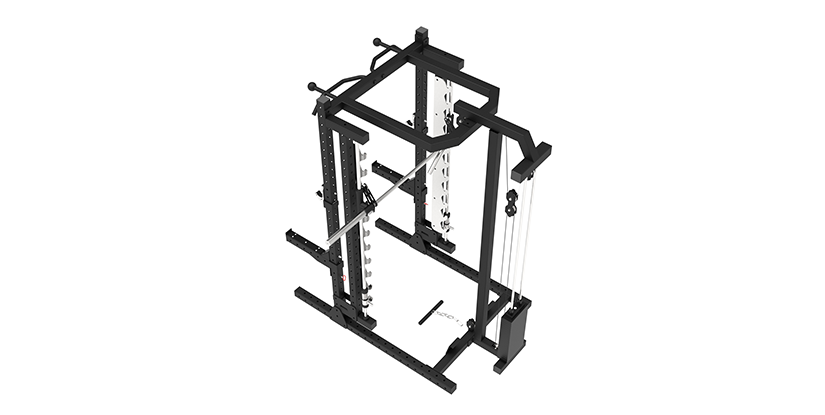
When it comes to the surface finish, the choice between leatherette vs. vinyl often determines the lifespan of the upholstery. While standard vinyl is common, premium leatherette offers superior resistance to tearing and moisture penetration. In a professional home gym setup guide, we emphasize that high-grade synthetic leather is far easier to sanitize, significantly reducing the labor required for routine gym equipment maintenance and ensuring the adjustable weight bench remains a durable centerpiece of your training environment.
Proactive Care for Long-Term Durability
Even the highest-grade equipment requires a disciplined approach to upkeep to prevent premature degradation. Integrating a strict regimen of gym equipment maintenance into your routine is the most effective way to protect your investment. A crucial aspect of any professional home gym setup guide is the implementation of regular cleaning protocols. Dust, sweat, and humidity can settle into the mechanical joints of an adjustable weight bench, leading to friction or even seizing of the adjustment pins over time.
To effectively manage preventing rust and wear, we recommend wiping down the steel frame and upholstery with a non-abrasive, pH-neutral cleaner after heavy sessions. For the structural components, periodically inspecting the powder coating for chips is essential; if any metal is exposed, applying a thin layer of silicone-based lubricant can act as a barrier against oxidation. By prioritizing these small preventive actions, you ensure that your best utility bench for power rack configurations remains a stable, high-performing asset for years to come.
Sourcing an Adjustable Weight Bench That Meets Professional Standards
When sourcing equipment for high-traffic environments or serious strength training, structural integrity is non-negotiable. A subpar bench is more than a nuisance; it is a liability. To identify the best utility bench for power rack integration, professional buyers must look beyond aesthetics and focus on the fundamental metallurgy. We recommend prioritizing a high-heavy-duty steel gauge construction, as this ensures the frame can withstand significant lateral forces without bowing or fatigue.
Beyond the steel frame, the upholstery quality dictates both comfort and long-term usability. High-tier manufacturers utilize high-density foam that retains its shape under repeated compression, preventing the "bottoming out" effect common in lower-grade models. This density, combined with a wide, reinforced base, is essential for maintaining stability under load during heavy compound movements. When evaluating a home gym setup guide or professional procurement list, always verify that the bench's weight capacity aligns with the maximum load of your rack to ensure a cohesive, safe, and durable training ecosystem.
To distinguish between consumer-grade models and professional-grade equipment, a close inspection of mechanical components is vital. A high-quality adjustable weight bench should feature robust adjustment pins and smooth-action mechanisms that do not wobble under tension. We suggest evaluating the frame thickness and the grade of steel used; a thicker gauge not only increases the total weight capacity but also prevents the structural micro-fractures that lead to premature failure in high-intensity settings.
Furthermore, the longevity of your investment depends heavily on upholstery durability. Look for premium, high-tensile strength vinyl that is resistant to sweat, oils, and constant friction. In any comprehensive home gym setup guide, the ability of the bench to maintain its ergonomic profile despite heavy usage is a key marker of quality. By prioritizing these industrial-strength specifications, you ensure that your equipment remains a reliable asset rather than a recurring maintenance expense.
Ensuring your equipment survives years of rigorous use requires a focus on surface treatment and preventative care. A critical indicator of quality is the application of professional-grade powder coating. Unlike basic spray paint, a high-quality powder finish provides superior rust resistance and protects the steel from the corrosive effects of sweat and humidity. This is especially vital when selecting the best utility bench for power rack setups in environments where moisture control might fluctuate.
To protect your long-term investment, we advise incorporating routine gym equipment maintenance into your operational standards. This includes periodic inspections of the adjustment mechanisms and ensuring the finish remains intact to prevent oxidation. When sourcing through wholesale channels, always confirm that the manufacturer utilizes multi-stage coating processes. A well-maintained, high-spec adjustable weight bench with a resilient finish will drastically reduce your total cost of ownership by extending the lifecycle of the unit and maintaining its professional appearance.
Practical Maintenance for Sustaining Equipment Performance
Investing in a premium adjustable weight bench is a significant commitment to your training environment. However, the longevity of your home gym setup guide success depends heavily on how you manage routine gym equipment maintenance. Even the highest-grade steel components can suffer from wear if neglected within a high-use power rack environment.
To preserve the structural integrity of your equipment, we recommend a quarterly inspection protocol. Start by performing regular bolt tightening on all adjustment pins and pivot points; constant movement during heavy lifts can gradually loosen hardware, compromising stability. Additionally, prioritize upholstery care by using non-abrasive, pH-neutral cleaners to prevent the vinyl from cracking or peeling under sweat exposure. Finally, to ensure long-term durability, implement consistent rust prevention measures—such as wiping down the frame after intense sessions—to protect the powder coating from oxidation. Proactive care ensures your equipment remains a safe, reliable asset for years to come.
To maximize the lifespan of the best utility bench for power rack integration, you must match your upkeep schedule to your actual training volume. A bench used in a commercial-grade setting requires a more aggressive approach than one in a light-use home studio. Neglecting basic lubrication or failing to follow strict cleaning protocols can lead to premature mechanical failure and increased friction during adjustments.
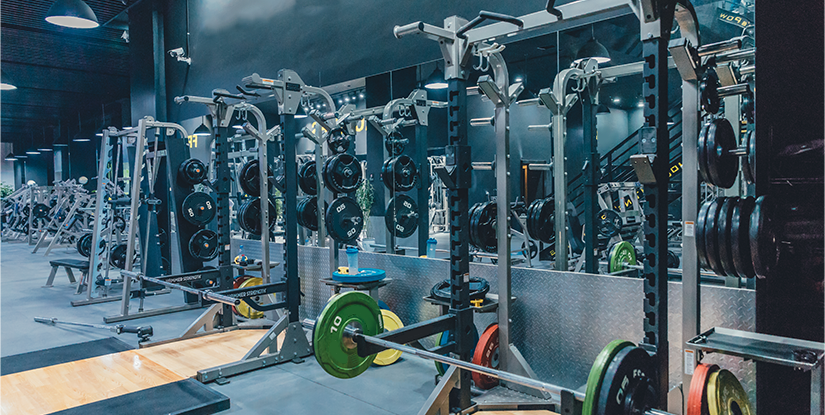
The following table outlines the recommended maintenance frequency based on your specific usage environment:
| Usage Intensity | Typical Environment | Maintenance Focus | Recommended Frequency |
|---|---|---|---|
| Low-use | Residential/Home Gym | Dust removal & visual inspection | Every 3–6 months |
| High-use | Commercial/Semi-Pro | Lubrication & bolt tightening | Monthly/Bi-weekly |
Whether you are sourcing for a single unit or managing a large-scale distributor inventory, understanding these operational requirements is vital. Consistent care ensures that your adjustable weight bench maintains its smooth movement and structural reliability, protecting your long-term investment.
Beyond mechanical upkeep, environmental management is a critical, often overlooked pillar of any professional home gym setup guide. The ambient conditions of your training space directly impact the long-term durability of both the steel frame and the synthetic upholstery. If your setup is located in a basement, garage, or a non-climate-controlled facility, you must prioritize humidity control to prevent the degradation of metal coatings and the growth of mold within the padding.
Fluctuations in air quality can lead to rapid oxidation. We advise maintaining strict temperature stability within your facility to prevent the expansion and contraction of metal components, which can eventually compromise the precision of adjustment mechanisms. Implementing effective moisture protection—such as using a high-capacity dehumidifier or ensuring adequate ventilation—is essential to safeguard your best utility bench for power rack integration against rust and material fatigue. By managing these invisible variables, you ensure that your high-quality equipment retains its factory-standard performance and aesthetic appeal for the long haul.
Vendor due diligence and specification guardrails
When sourcing the best utility bench for power rack integration, overlooking structural specifications is a costly mistake for any long-term home gym setup guide. Low-tier manufacturers often cut costs by using thinner metal, which leads to frame warping under heavy loads. To ensure true heavy-duty construction, you must verify that the bench utilizes a high-grade steel gauge—typically 11-gauge or thicker—to maintain structural integrity during intense training sessions.
Beyond the raw steel, the finishing process dictates how the equipment ages. A premium powder coating is essential, as it provides a resilient barrier against sweat, humidity, and friction, preventing rust and surface degradation. Investing in these high-standard materials significantly reduces the frequency of gym equipment maintenance and extends the functional lifespan of the unit. For distributors and serious enthusiasts, prioritizing these manufacturing benchmarks ensures that the adjustable weight bench remains a stable, reliable centerpiece of the rack system for years to come.
To mitigate the risk of receiving sub-standard inventory, we recommend implementing a rigorous verification checklist before finalizing any bulk procurement. A high-quality adjustable weight bench should exhibit exceptional stability, even when fully extended. When evaluating a manufacturer's quality control standards, look for consistency in the following technical specifications:
- Weight Capacity: Ensure the bench is rated for at least 1.5x the maximum intended load to account for dynamic movement.
- Upholstery Thickness: High-density, multi-layered foam (typically 60mm or more) is a hallmark of professional-grade gear.
- Frame Tolerance: Verify that the steel welding is seamless and the paint finish is uniform, indicating high-precision factory output.
By focusing on these granular details, you can identify the best utility bench for power rack compatibility. This proactive approach ensures that the equipment can withstand high-frequency use without compromising user safety or structural alignment. Prioritizing these material benchmarks helps avoid the common pitfalls of low-cost, low-durability alternatives found in the global market.
Selecting the right tier is not just about price, but about aligning the equipment's durability with your specific operational demands. Depending on whether you are outfitting a private studio or a high-traffic facility, the expected lifecycle of your adjustable weight bench will vary significantly based on the build quality and material grade.
To assist in your procurement planning, we have categorized common market standards into three distinct profiles. This helps in determining the most cost-effective home gym setup guide strategy for your specific volume requirements.
| Bench Tier | Durability Profile | Usage Frequency | Expected Lifespan | Maintenance Level |
|---|---|---|---|---|
| Light/Residential | Standard Gauge Steel | Low (Home use) | 2–4 Years | Minimal |
| Commercial | Heavy-Duty Steel | Moderate (Boutique Gym) | 5–8 Years | Occasional |
| Professional | Industrial Grade | High (Full-time Facility) | 10+ Years | Routine |
Understanding these distinctions is vital for effective gym equipment maintenance and long-term budget management. Choosing the best utility bench for power rack integration requires balancing the initial investment against the long-term durability of the frame and upholstery.