Selecting Cap Barbell Squat Rack Models for Program Fit
Mitigating Import Risks via Supplier Audits and QC Protocols
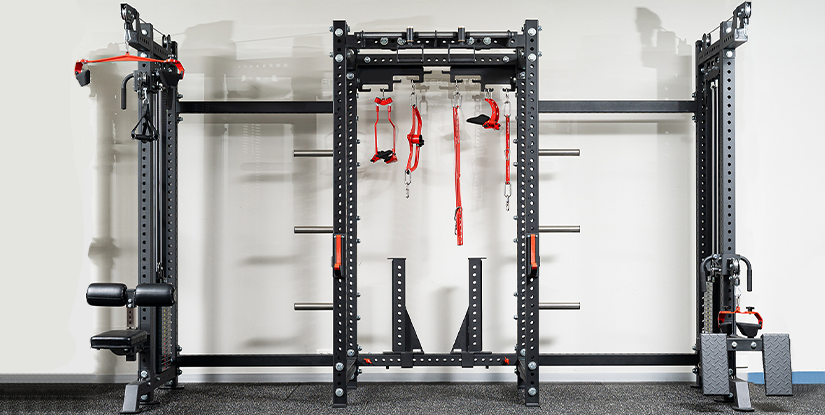
Many procurement managers fail by prioritizing low unit costs over structural verification, leading to high replacement rates in high-traffic facilities. A superior sourcing strategy focuses on technical validation of the cap barbell squat rack, ensuring the equipment survives the rigors of daily commercial use through strict manufacturing oversight.
Prioritizing Structural Integrity and Finish Standards
When sourcing commercial strength training equipment at volume, technical specifications must extend beyond basic dimensions. A reliable supplier performs rigorous welding inspection to prevent stress fractures at critical load-bearing joints, which is essential for maintaining long-term structural integrity. Furthermore, the durability of the finish is a key indicator of manufacturing quality; verifying powder coating thickness ensures the rack resists oxidation and surface abrasion caused by constant barbell contact. For distributors and facility owners, these granular QC details are the primary defense against premature equipment failure and costly onsite maintenance issues.
Technical Audit Checklist for B2B Procurement
To minimize the risk of receiving substandard inventory, buyers should demand specific technical validation reports during the factory audit phase. Relying on generic certifications is often insufficient; instead, focus on the intersection of material science and mechanical compatibility. A high-quality manufacturing partner will provide transparency regarding their testing protocols and the tolerances of their assembly lines.
| QC Dimension | Critical Verification Point | Standard Benchmark | Procurement Priority |
|---|---|---|---|
| Material Testing | Steel Tensile Strength | Consistent ASTM/ISO standards | High (Structural Safety) |
| Welding Quality | Full Penetration Welds | Zero porosity/cracks under load | Critical (Long-term ROI) |
| Finish Durability | Powder Coating Micron | Adhesion & abrasion resistance | Medium (Aesthetics/Rust) |
| Barbell Compatibility | J-Cup/Pin Precision | Zero wobble for standard bars | High (User Experience) |
Beyond physical testing, clarify the Minimum Order Quantity (MOQ) requirements for customized colors or specialized upright sizes. For distributors managing multi-site rollouts, confirming that the factory can maintain consistent tolerances across high-volume batches is vital. A robust supplier will not only pass a one-time load test but will also demonstrate repeatable precision in their barbell rack compatibility to ensure seamless accessory integration for the end-user.
Logistics Optimization and Shipping Damage Prevention
Effective gym programming equipment selection is moot if the inventory arrives compromised. For distributors managing large-scale shipments of a cap barbell squat rack, the risk of transit-induced structural warping or cosmetic damage is high. To mitigate these costs, implement strict container loading optimization protocols. This involves utilizing reinforced corner protectors and custom-sized palletization to ensure heavy steel uprights do not shift during sea freight.
Furthermore, professional procurement requires more than just standard shipping insurance; it demands a verification of inspection certificates before the container is sealed. Requesting third-party pre-shipment inspections (PSI) that specifically check for packaging integrity and moisture-proof wrapping can prevent oxidation. By prioritizing these logistical safeguards, wholesalers ensure that the heavy-duty reliability promised at the factory level is actually delivered to the client's facility floor.
Optimizing Inventory for Diverse Training Modalities
Effective procurement requires balancing footprint efficiency with high-demand versatility. Distributors must differentiate their stock based on whether the end-user is a boutique studio or a full-scale commercial gym. A single-model approach often fails to meet the varying programming requirements of these distinct environments.
For high-traffic facilities, stocking a robust cap barbell squat rack with heavy-duty steel construction ensures long-term durability. Conversely, boutique studios often prioritize space-saving configurations that allow for rapid layout changes. Aligning your inventory with these specific training environments prevents dead stock and optimizes turnover rates.
| Facility Type | Primary Programming Focus | Recommended Stock Profile | Inventory Strategy |
|---|---|---|---|
| Boutique Studios | HIIT & Functional Training | Compact or Wall-Mounted Units | High turnover; low footprint |
| Full-Scale Gyms | Strength & Powerlifting | Full Power Racks & Heavy Racks | Durability & high load capacity |
| Hotel/Residential | General Fitness/Wellness | Basic Squat Racks & Benches | Ease of use & low maintenance |
Configuration Comparison for Procurement Decisions
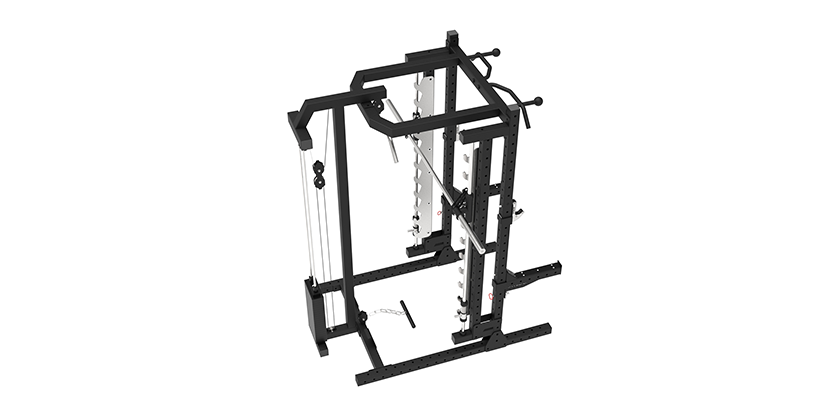
When selecting a cap barbell squat rack configuration, the trade-off between structural rigidity and spatial economy is the most critical variable. A full power rack provides maximum safety through four-post stability, making it a staple for dedicated strength zones, whereas a half rack offers a middle ground for multi-purpose training areas. Squat stands remain the most cost-effective solution for entry-level facilities but lack the integrated barbell rack compatibility required for high-intensity commercial programming.
| Rack Configuration | Typical Footprint | Barbell Rack Compatibility | Ideal Use Case |
|---|---|---|---|
| Full Power Rack | Large / Fixed | High (J-Cups & Spotter Arms) | Dedicated Strength & Powerlifting |
| Half Rack | Moderate | Standard (J-Cups & Pull-up Bars) | Commercial Strength Training |
| Squat Stand | Minimal | Basic (J-Hooks Only) | Small Studios & Home-Based Retail |
For distributors, understanding these structural nuances is essential for managing MOQ and shipping volume. While power racks demand higher freight considerations due to weight and volume, their high durability and accessory compatibility typically offer a better long-term ROI for large-scale gym rollouts.
Logistics and Sourcing Strategy
Strategic sourcing must account for the direct relationship between model dimensions and shipping efficiency. Heavier, more complex units like full power racks significantly increase volumetric weight, which directly impacts landed costs and container utilization. When planning a large-scale rollout, procurement managers should evaluate how specific model dimensions influence facility layout optimization and long-term inventory turnover.
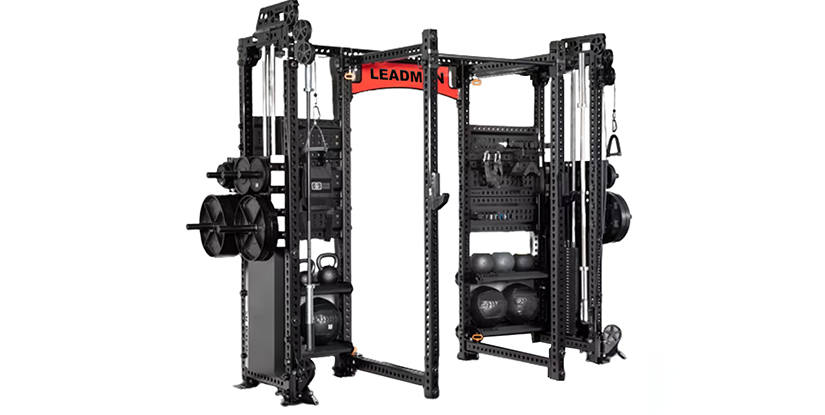
To maintain healthy margins, distributors should consider the balance between MOQ considerations and shipping density. While smaller, modular components might offer lower entry thresholds, high-volume facilities often require standardized, high-capacity configurations to ensure professional barbell rack compatibility. Aligning your gym programming equipment selection with these logistical realities ensures that freight costs do not erode the value of your commercial strength training equipment orders.
Analyzing Barbell Rack Compatibility for High-Performance Users
For facility managers, selecting a cap barbell squat rack involves more than just footprint considerations; it requires aligning structural specifications with the specific mechanical demands of your training environment. High-performance programming demands equipment that maintains stability under varying load distributions and constant movement.
Structural Integrity and High-Impact Loading
In environments hosting heavy lifting classes or strength-focused training, the structural integrity of the frame is the primary baseline for safety and longevity. Unlike light-duty setups, commercial strength training equipment must be engineered to withstand high-impact loading, such as the sudden weight transfers common during failed repetitions or rapid bar unracking.
Distributors and procurement officers should prioritize heavy-gauge steel construction and reinforced weld points. A rack that lacks the necessary rigidity will experience micro-instability over time, increasing maintenance cycles and reducing the total cost of ownership (TCO) for the end-user. Ensuring the rack can handle the kinetic energy of heavy barbell movements is essential for long-term facility reliability.
Configuration Comparison for Programming Intensity
Matching the specific configuration to your programming intent is a critical decision for long-term operational efficiency. While a basic setup might suffice for general fitness, specialized environments like powerlifting clubs or high-intensity interval training (HIIT) studios require distinct barbell rack compatibility profiles to prevent premature wear.
The following comparison outlines how different configurations perform under varying programming stresses. When sourcing for diverse client bases, consider how much maintenance each model typically requires based on the frequency of heavy barbell interaction.
| Configuration Type | Primary Programming Use | Typical Load-Bearing Capacity | Maintenance Cycle Needs |
|---|---|---|---|
| Standard Power Rack | Structured Strength Training | High (Consistent Heavy Loads) | Moderate (Bolt & Pin Inspection) |
| Open Squat Stand | Specialized Lifting/Boutique Gyms | Very High (Max Peak Loads) | Low (Minimal Moving Parts) |
| Functional Trainer/Rack Hybrid | Multi-Modality/Class-Based Training | Moderate (Dynamic/Variable Loads) | High (Cable & Pulley Care) |
For distributors, selecting a model with higher load-bearing capacity and simpler mechanical components often results in fewer warranty claims and higher client satisfaction. A robust, single-function rack typically offers a lower maintenance frequency compared to complex, multi-functional units in high-traffic commercial settings.
Logistics and Quality Control Standards for Global Sourcing
Optimizing the procurement process for a cap barbell squat rack requires a dual focus on rigorous quality control (QC) and efficient shipping volume optimization. For distributors managing large-scale facility rollouts, the risk of receiving damaged or sub-par structural components can derail a project timeline and inflate installation costs.
Before finalizing a purchase order, verify that the factory performs comprehensive durability testing, including load-bearing stress tests and weld strength verification. A robust QC protocol should include checking the powder coating thickness and the precision of the upright holes to ensure seamless barbell rack compatibility with various accessories. Furthermore, when calculating total landed costs, consider how the equipment is nested or palletized. Efficiently designed packaging not only reduces shipping volumes but also protects the structural integrity of the steel during long-distance transit, ensuring the equipment arrives ready for immediate installation in a high-traffic facility layout.
Matching Rack Configurations to Boutique vs. Large-Scale Programming
Optimizing floor plan efficiency requires a strategic distinction between the footprint of a boutique studio and a high-traffic commercial gym. A Cap Barbell squat rack selection must align with your specific density goals to ensure both safety and throughput.
Spatial Demands by Facility Type
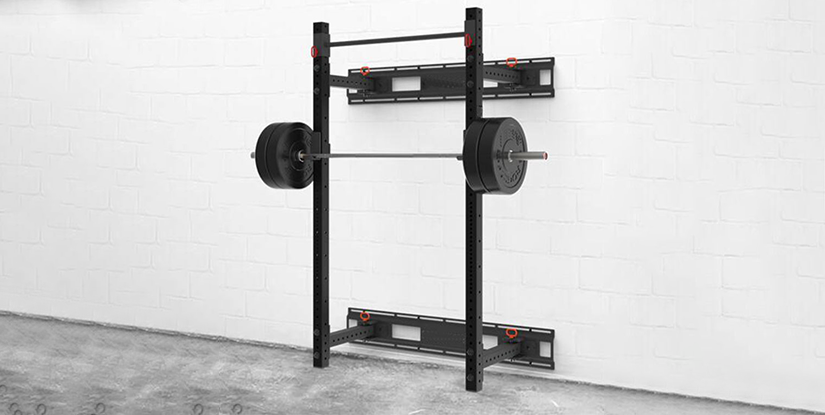
Boutique studios often operate within a limited boutique studio footprint, where every square foot impacts the premium experience. In these settings, selecting compact configurations or specialized barbell rack compatibility options—such as streamlined half racks—allows for high-density training without overcrowding the floor. Conversely, a large-scale commercial gym layout prioritizes volume and diverse programming. These facilities require heavy-duty, multi-station setups that can accommodate high-intensity intervals and heavy lifting classes simultaneously. For distributors and procurement managers, the goal is space optimization: choosing between space-saving modular units for specialized studios or expansive, robust systems for massive commercial footprints to maximize ROI and user flow.
When sourcing equipment for diverse facility types, procurement managers must weigh the trade-off between spatial footprint and user capacity. The following comparison outlines how different configurations serve specific programming needs, helping you determine the appropriate scale for your inventory or facility installation.
| Facility Profile | Primary Programming | Typical Footprint | Equipment Density Strategy |
|---|---|---|---|
| Boutique / Specialized Studio | Small group classes, HIIT, personal training | Minimal / Compact | High density via streamlined or wall-mounted units |
| Mid-Sized Commercial Gym | General strength training, hypertrophy | Moderate / Versatile | Balanced mix of half racks and functional stations |
| Large-Scale Performance Center | Heavy lifting, competitive strength, high-volume | Expansive / Heavy-duty | Low density with robust, multi-station power racks |
For distributors managing diverse client portfolios, understanding these spatial requirements is vital for accurate shipping and installation planning. A cap barbell squat rack configuration that excels in a high-traffic warehouse gym may be too cumbersome for a premium boutique setting, where user flow and aesthetics are paramount. Selecting the correct model ensures long-term utility and prevents the common pitfall of under-utilizing valuable floor real estate.
Logistics Efficiency and Procurement Scaling
Beyond the physical floor plan, the dimensions of a cap barbell squat rack significantly impact the total landed cost. For distributors and large-scale importers, the relationship between equipment volume and logistics efficiency is a critical procurement decision. Larger, heavy-duty power racks often occupy higher shipping volumes and require specialized freight handling, which can drive up per-unit costs compared to more compact, modular alternatives.
When planning facility scaling or multi-site rollouts, buyers must consider how SKU dimensions influence both MOQ considerations and inventory management. While high-capacity racks offer durability, their bulk can complicate warehouse storage and increase shipping complexities. To optimize the supply chain, procurement teams should evaluate the balance between structural robustness and shipping density, ensuring that the chosen configuration supports the intended programming without creating unnecessary logistical bottlenecks or excessive freight overhead.
Attachment Versatility and Long-Term Accessory Ecosystems
Optimizing the total cost of ownership requires looking beyond the initial purchase of a cap barbell squat rack. For high-traffic facilities, the ability to integrate diverse attachments—such as dip stations, landmines, or specialized J-hooks—directly impacts programming versatility and the facility lifecycle. When distributors or gym owners source commercial strength training equipment, they must prioritize standardized barbell rack compatibility to prevent technical obsolescence.
Investing in a modular ecosystem ensures that as training trends shift, your hardware remains functional through simple accessory upgrades rather than full unit replacements. This strategic approach to long-term maintenance reduces downtime and protects the long-term ROI of the procurement budget by maintaining a consistent, high-performance training environment.
Choosing between fixed and modular configurations dictates both the daily maintenance workload and the future-proofing of your facility. While fixed setups offer maximum structural stability, modular systems provide the agility needed for diverse programming. Understanding the technical trade-offs between these attachment architectures is essential for large-scale procurement decisions.
| Configuration Type | Common Attachments | Maintenance Profile | Procurement Logic |
|---|---|---|---|
| Fixed/Static | Standard J-cups, Spotter Arms | Low; minimal moving parts or pins to inspect. | Best for heavy lifting zones with set protocols. |
| Modular/Interchangeable | Dip stations, Landmines, Lat Pull-downs | Moderate; requires periodic checking of pins and bolt tension. | Ideal for boutique studios or multi-use training areas. |
| Standardized/Universal | Multi-grip J-hooks, Band Pegs | Low to Moderate; depends on accessory frequency. | Maximizes barbell rack compatibility for diverse users. |
From a sourcing perspective, modular systems carry a slightly higher initial cost but offer superior long-term utility. When evaluating factory capability, ensure that all attachment points utilize high-grade steel and standardized pin diameters. This compatibility prevents the need to source proprietary, single-brand accessories, allowing distributors to maintain a more flexible and cost-effective inventory for their end-users.
Sourcing Strategies for Customization and Logistics
When scaling inventory, distributors must differentiate between standard SKU procurement and custom attachment development. Sourcing a cap barbell squat rack with a proprietary mounting system may limit your accessory ecosystem, often requiring a higher MOQ for custom attachments to justify factory production runs. To maintain a lean but versatile inventory, prioritize sourcing units with high modularity that utilize standardized hole spacing and pin diameters.
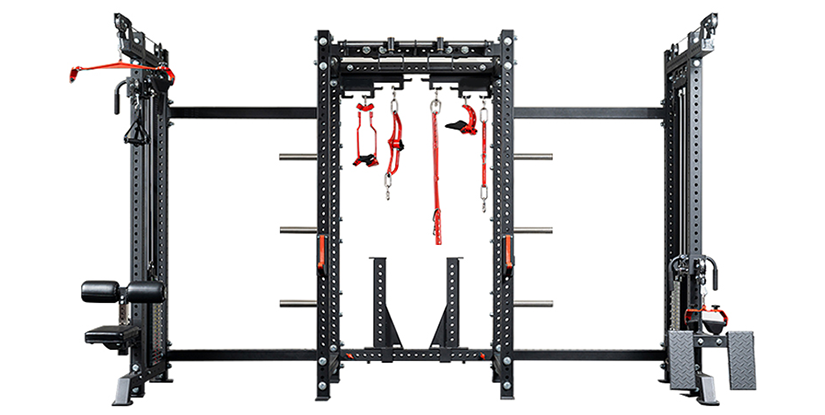
Beyond the frame itself, the logistics of bulky accessories—such as weight storage trees or large dip stations—can significantly impact landed costs. A sophisticated sourcing strategy involves auditing quality control for moving parts, specifically focusing on the durability of pins, bolts, and sliding mechanisms. Ensuring that these components undergo rigorous stress testing prevents premature wear in high-volume commercial environments and reduces the frequency of replacement part shipments.
Calculating Landed Costs and Freight Logistics for Bulk Orders
When sourcing a cap barbell squat rack for large-scale facility rollouts, the initial quote from a manufacturer represents only a fraction of the actual capital expenditure. Professional procurement managers must look beyond the unit price to account for the complex variables inherent in international commercial strength training equipment logistics.
Analyzing Total Cost of Ownership (TCO)
A common oversight in procurement is failing to calculate the true landed cost. For a high-volume cap barbell squat rack order, the final invoice at your warehouse will be significantly higher than the factory FOB price. To establish an accurate budget, you must integrate several critical components into your financial modeling:
- Freight and Transit: Ocean or air freight costs, which fluctuate based on container volume and weight.
- Import Duties and Tariffs: Regulatory fees specific to the HS codes used for strength training hardware.
- Local Handling: Port fees, customs brokerage, and drayage from the terminal to your distribution center.
By focusing on the total cost of ownership rather than just the per-unit price, distributors can better predict long-term margins and ensure that high-quality commercial strength training equipment remains a profitable addition to their inventory without unexpected logistical overhead.
Optimizing your shipping strategy is essential for maintaining healthy margins, especially when the weight and volume of steel structures can rapidly inflate freight expenses. Depending on your order scale and warehouse capacity, you must choose between consolidated shipments or full container solutions.
Lcl vs. Fcl: Choosing the Right Shipping Scale
Selecting the appropriate logistics model depends on your Minimum Order Quantity (MOQ) and the density of your equipment. While smaller boutique studio orders may rely on LCL, large-scale distributors often find significant cost advantages in FCL to mitigate the risks of damage and transit delays.
| Logistics Model | Typical Order Scale | Lead Time Impact | Primary Cost Drivers |
|---|---|---|---|
| LCL (Less than Container Load) | Small boutique/sample orders | Longer (consolidation required) | Volume-based rates and handling fees |
| FCL (Full Container Load) | Large facility/distributor stock | Faster (direct transit) | Container weight and ocean freight |
When scaling up, remember that higher MOQs generally lower the per-unit freight cost but increase your warehousing and inventory carrying costs. A strategic balance between frequent, smaller shipments and bulk FCL orders is necessary to align with your specific gym programming equipment selection cycles.
Mitigating Risk Through Rigorous Quality Control
The high density and significant weight of a cap barbell squat rack make it particularly susceptible to transit-related damage. To avoid the high costs of returns or onsite replacements, procurement professionals must mandate a strict pre-shipment inspection protocol. This phase is critical for verifying that the structural integrity and powder coating of the steel meet commercial standards before they leave the factory floor.
Effective risk mitigation requires a focus on two specific areas: packaging durability for heavy steel and logistics documentation. Ensure that all uprights and crossmembers are protected by reinforced edge protectors and heavy-duty corrugated cardboard to prevent denting or surface abrasions during ocean transit. Furthermore, maintaining precise distributor readiness depends on the accuracy of packing lists and weight certifications; any discrepancy in logistics documentation can lead to costly customs delays and unforeseen storage fees at the port of entry.