Mastering the Seated Half Press in a Power Rack Guide
Vetting Manufacturers for High-Performance Power Rack Equipment
Many distributors make the mistake of prioritizing low unit costs or superficial aesthetic finishes, only to face massive returns when equipment fails under load. A superior sourcing strategy focuses on the mechanical integrity of the frame rather than just the paint job. When sourcing equipment for power rack triceps exercises, the difference between a budget-grade rack and a professional-grade unit lies in the uncompromising engineering required to handle eccentric loading and high-intensity movements.
The Necessity of Structural Stability
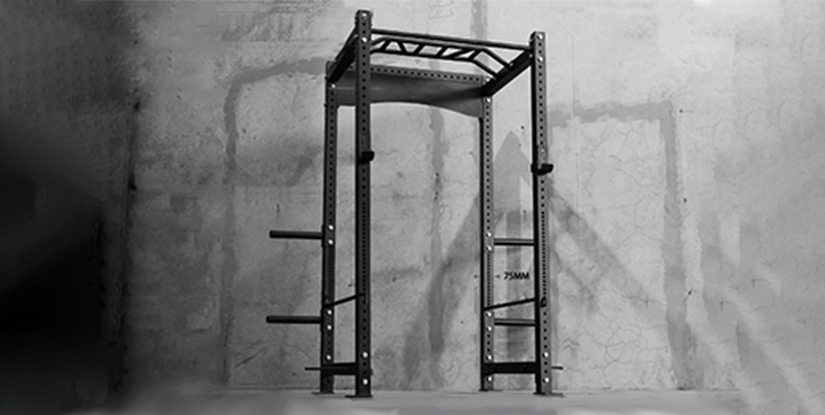
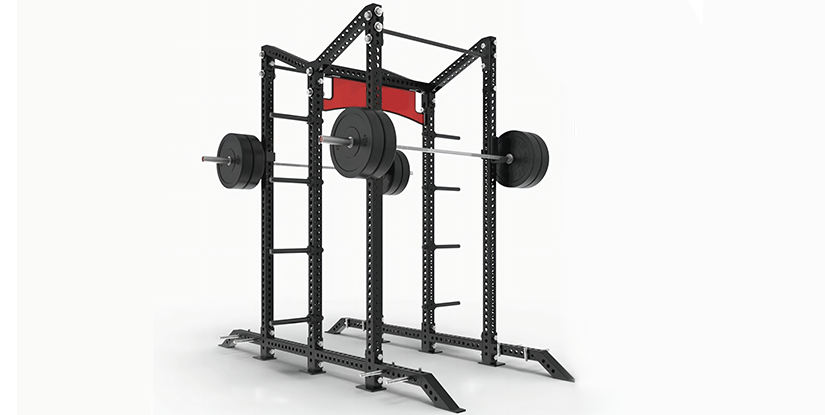
When performing a seated half press in power rack triceps training, the user is often moving heavy loads through a restricted range of motion. This specific movement pattern generates unique lateral forces that can cause cheaper racks to wobble or shift. To ensure long-term reliability, we recommend prioritizing units constructed from heavy-duty steel gauge—specifically 11-gauge or thicker—which provides the necessary structural stability for high-performance environments. High-quality manufacturing must also account for vibration resistance; even slight oscillations during a heavy set can disrupt a lifter's rhythm and compromise safety. For any commercial facility, verifying the weight capacity and the precision of the upright welding is non-negotiable to prevent structural fatigue during intense seated barbell press variations.
To mitigate the risk of structural failure during high-intensity sessions, procurement professionals should implement a rigorous quality control checklist. A high-performance rack must be able to withstand the uneven torque often generated during seated barbell press variations without any lateral swaying. When auditing potential factory samples or inspecting bulk shipments, focus on these three critical mechanical indicators of durability:
- Upright Thickness and Gauge: Verify that the upright thickness meets commercial standards (typically 3mm or 11-gauge steel). This ensures the frame remains rigid during heavy rack based triceps training.
- Welding Quality and Integrity: Inspect the joints for seamless, deep-penetration welds. Poor welding quality is a common failure point in low-cost units and can lead to catastrophic breaks under load.
- Safety Pin Durability: Ensure that the safety pin durability is backed by high-tensile steel construction. These components are essential for catching the bar during failed repetitions in power rack triceps exercises.
By prioritizing these technical specifications over superficial aesthetics, distributors can ensure their clients enjoy a stable, safe, and professional-grade training environment.
Evaluating Equipment Grade for Long-Term Performance
Selecting the appropriate grade of equipment is a critical decision that impacts both the safety of the athlete and the total cost of ownership. For specialized rack based triceps training, the intensity of the load and the frequency of use dictate whether a standard unit or a heavy-duty model is required. A mismatch in grade can lead to premature wear or even structural instability during high-intensity seated barbell press variations.
The following comparison helps clarify the distinction between commercial-grade vs. home-gym grade equipment, focusing on the essential metrics of stability and longevity.
<td keyword">seated half press in power rack triceps| Feature | Home-Gym Grade | Commercial-Grade |
|---|---|---|
| Primary Use Case | Personal use / Low frequency | High-traffic gyms / Professional training |
| Structural Stability | Moderate; prone to slight sway | Extreme; zero-tolerance for movement |
| Maintenance Level | Occasional inspection required | Routine professional servicing |
| Expected Longevity | 3–5 years under regular use | 10+ years of heavy-duty utility |
| Load Capacity | Light to Moderate |
When sourcing for a professional facility, investing in high-spec steel ensures that the equipment remains a reliable asset rather than a liability. High-quality power rack triceps exercises demand a foundation that can withstand years of repetitive, heavy loading without compromising the user's safety or the rack's structural integrity.
Quality Control Standards for Seated Barbell Press Variations
For commercial gym operators and distributors, the structural integrity of heavy-duty equipment is non-negotiable. When clients perform a seated half press in power rack triceps movements, the mechanical load is often concentrated and repetitive. This makes a rigorous safety inspection protocol essential to prevent equipment fatigue. We recommend that facility managers regularly audit power rack triceps exercises setups to ensure that weight pins, J-cups, and safety spotters have not suffered from metal fatigue or misalignment.
Beyond the rack itself, the quality of the barbell is a critical variable in rack based triceps training. High-grade barbell knurling must be inspected for wear to ensure a secure grip during high-intensity sets, reducing the risk of slippage. Furthermore, checking rack stability—including bolt tightness and base leveling—is a vital step in maintaining a professional-grade training environment. Ensuring these standards are met protects your investment and guarantees a premium user experience for every athlete.
To ensure long-term reliability and prevent downtime in high-traffic facilities, a proactive maintenance checklist is indispensable. Equipment used for intensive seated barbell press variations undergoes significant vertical and lateral stress, which can eventually compromise structural precision. We advise facility owners to implement a routine inspection schedule to maintain the highest standards of safety and performance.
A professional maintenance checklist for your facility should prioritize the following three pillars:
- Lubrication and Smoothness: Regularly apply high-quality lubrication to the vertical guide rods or sliding mechanisms to ensure smooth, unobstructed movement during rack based triceps training.
- Structural Integrity: Conduct a monthly audit of bolt tightness across all connection points, particularly where the uprights meet the base, to prevent wobbling during heavy sets.
- Load Balance: Inspect the barbell and collars to ensure even barbell weight distribution, preventing uneven torque that can strain the rack's internal components.
By adhering to these protocols, distributors and gym owners can extend the lifecycle of their strength equipment and ensure a consistent, high-quality training environment.
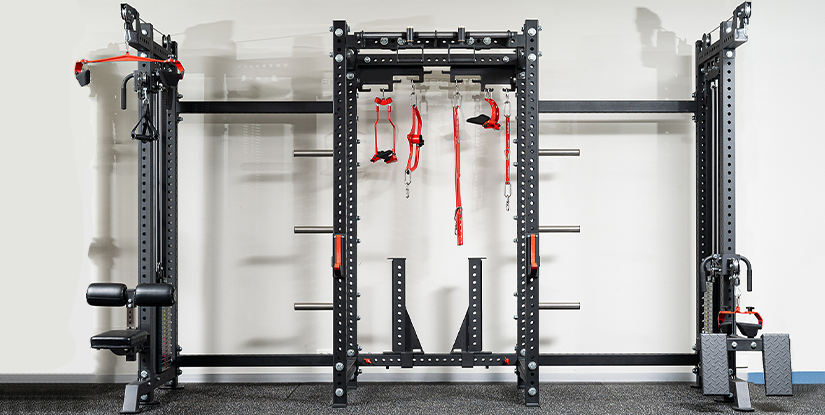
To streamline your facility management, we have compiled a quick-reference guide for essential upkeep. Managing the longevity of your power rack triceps exercises equipment requires a structured approach to different components, from the heavy-duty steel frame to the high-precision seating bench. A systematic lubrication frequency and inspection schedule will prevent mechanical friction and ensure that seated barbell press variations remain fluid and safe for all users.
| Equipment Component | Primary Focus Area | Recommended Interval |
|---|---|---|
| Power Rack Uprights & Pins | Alignment and bolt torque | Quarterly |
| Barbell & Sleeve Bearings | Rotation smoothness and knurling integrity | Monthly |
| Seating Bench & Hydraulics | Upholstery tension and height adjustment | Bi-Monthly |
| Guide Rods & Sliding Mechanisms | Lubrication frequency and debris removal | Every 60 Days |
For high-volume commercial distributors, these preventative measures are the most cost-effective way to reduce long-term replacement costs and maintain the premium quality of your seated half press in power rack triceps setups.
Managing Warranty Claims for Specialized Triceps Training Gear
When sourcing high-end strength solutions, professional buyers must look beyond the initial price tag to evaluate the total cost of ownership. Investing in specialized setups for the seated half press in power rack triceps training requires a focus on long-term reliability. Low-grade steel or substandard welding can lead to structural fatigue, which not only compromises equipment longevity but also poses significant liability risks in a commercial environment. To protect your capital investment, it is essential to prioritize manufacturers that adhere to rigorous quality standards and offer transparent warranty terms.
A robust warranty is more than just a safety net; it is a testament to a factory's confidence in its durability and manufacturing precision. When procuring equipment intended for heavy rack based triceps training, ensure your supplier provides clear documentation regarding structural coverage. High-quality seated barbell press variations demand stable, high-tensile frames that can withstand repetitive mechanical stress. By selecting partners who emphasize strict quality control and comprehensive after-sales support, you ensure that your facility remains operational and your specialized power rack triceps exercises stations remain safe for years to come.
To maximize your return on investment, we recommend categorizing your procurement strategy based on the expected intensity of use. Different tiers of equipment offer varying levels of maintenance support and structural protection, which is critical when hosting heavy seated barbell press variations in a high-traffic facility. Below is a comparison to help you evaluate the service levels associated with different equipment classes.
| Tier Level | Typical Application | Warranty Focus | Service & Maintenance |
|---|---|---|---|
| Standard Commercial | Boutique Studios | Frame & Basic Hardware | Annual visual inspections |
| Premium Strength | Performance Gyms | Full Structural & Moving Parts | Scheduled lubrication & bolt checks |
| Elite/Professional | Strength & Conditioning Hubs | Comprehensive Lifecycle Coverage | On-call technical support & parts replacement |
When selecting gear for advanced power rack triceps exercises, always verify if the manufacturer offers modular replacement parts. A superior supplier will provide detailed service tiers that ensure even the most intensive rack based triceps training sessions do not result in extended downtime due to minor component wear.
To safeguard your procurement budget, implement a rigorous protocol for inspection immediately upon delivery. When receiving specialized gear for rack based triceps training, do not simply sign the BOL; conduct a thorough visual and structural audit. Any deviation in weld consistency or frame alignment should be captured through detailed documentation, including high-resolution photography and video. This evidence is vital for effective troubleshooting and serves as the foundation of a successful claim process. If a defect is identified, such as a misalignment that could affect seated barbell press variations, notify your supplier immediately to initiate a seamless replacement or repair. Maintaining a digital log of all incoming assets ensures that if structural issues arise during intensive power rack triceps exercises, you have the necessary leverage to secure a rapid resolution and protect your facility's operational uptime.
Optimizing Footprint and Storage for Rack-Based Systems
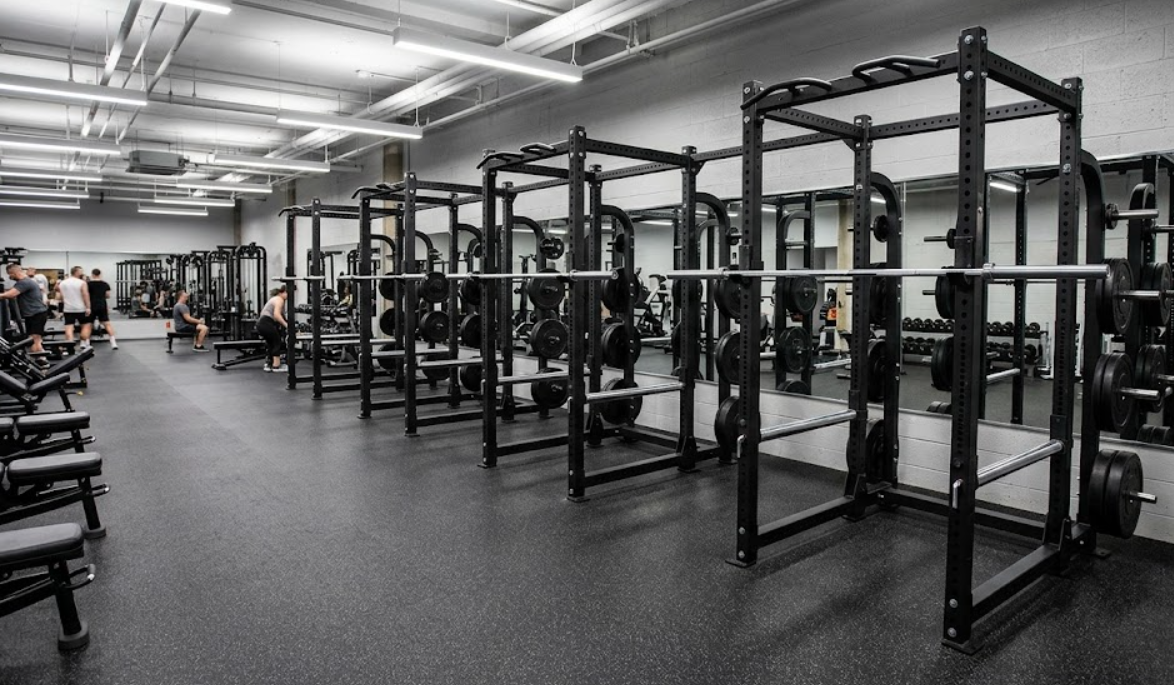
For commercial gym operators and boutique studio owners, floor real estate is often the most expensive asset. When integrating power rack triceps exercises into a high-traffic facility, the goal is to maximize utility without sacrificing square footage. Utilizing a power rack for the seated half press in power rack triceps training allows for exceptional vertical space utilization. Unlike standalone benches or oversized machines, a rack-based setup keeps the heavy lifting concentrated within a compact, defined perimeter, facilitating better footprint optimization across your training zone.
From a procurement standpoint, selecting modular systems that accommodate various seated barbell press variations ensures your facility remains versatile. A well-designed rack serves as a multi-functional hub, reducing the need for multiple specialized machines that clutter the gym floor. Below is a comparison of how different equipment configurations impact your facility's spatial efficiency and storage capabilities.
| Equipment Configuration | Spatial Footprint | Storage Efficiency | Versatility Level |
|---|---|---|---|
| Standard Power Rack | Compact/Fixed | High (Integrated Pegs) | Excellent |
| Standalone Bench Setup | Moderate/Variable | Low (Requires Extra Racks) | Limited |
| Multi-Station Smith Machine | Large/Fixed | Moderate | High |
By prioritizing high-quality, rack-based systems, distributors and gym owners can offer a premium seated half press in power rack triceps experience while maintaining a streamlined, professional floor plan that facilitates easier cleaning and client movement.
When evaluating space requirements for your facility, the trade-off between mobility vs stability becomes a critical decision factor. A rigid, heavy-duty rack provides the necessary foundation for heavy seated barbell press variations, ensuring user safety during high-intensity sets. However, it occupies a permanent footprint. Conversely, more mobile, lightweight setups may offer flexibility for boutique studios with rotating floor layouts, but they may lack the structural integrity required for advanced rack based triceps training.
For those sourcing equipment at scale, we recommend focusing on modularity. A modular system allows you to transition from a dedicated strength zone to a more open functional area by adjusting the equipment footprint through detachable attachments or adjustable bench positions. This adaptability ensures that your investment in power rack triceps exercises hardware remains future-proof, regardless of how your facility's layout evolves or how your density of equipment changes over time.
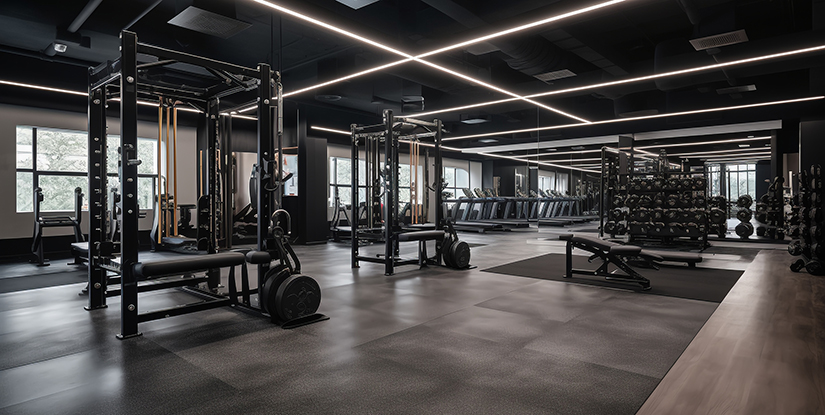
To further enhance training efficiency, prioritize storage solutions that utilize the verticality of your hardware. High-quality racks often feature integrated weight plate storage and accessory pegs, which are essential for keeping the floor clear during rack based triceps training. Instead of scattered dumbbells or loose plates, utilize the rack's built-in mounting points to house bars and attachments used for different seated barbell press variations. This level of rack organization not only minimizes trip hazards but also speeds up transitions between different exercise circuits.
For high-density commercial environments, we suggest looking for space-saving tips such as foldable benches or adjustable uprights. Implementing these space-saving elements allows your facility to pivot from heavy strength sessions to functional movement areas seamlessly. When sourcing for a global export or a large-scale gym build-out, always verify the compatibility of modular attachments to ensure your seated half press in power rack triceps setup remains both compact and highly functional.
Calculating Landed Costs for Bulk Seated Half Press Implement Imports
When sourcing high-quality equipment to facilitate the seated half press in power rack triceps training, professional buyers must look beyond the initial factory quote. The true investment is defined by the landed cost, which encompasses every expense required to move heavy steel from the manufacturer to your facility. For specialized rack based triceps training setups, these variables can significantly impact your procurement budget and profit margins.
A critical factor in this calculation is the weight-to-volume ratio. Because power racks and heavy barbell implements are both dense and bulky, shipping costs are often driven by dimensional weight rather than actual mass. Efficiently managing freight forwarding logistics is essential to minimize these overheads. Furthermore, international distributors must account for customs duties and import taxes specific to steel-based fitness products. Neglecting these components can lead to unexpected budget overruns when importing the necessary hardware for seated barbell press variations and advanced strength programming.
To optimize your procurement strategy, we have outlined a comparison of common logistics frameworks. Selecting the right method is particularly vital when importing heavy steel components required for a robust seated half press in power rack triceps station, as the weight of the equipment heavily dictates the final price point.
| Shipping Method | Estimated Transit Time | Cost Impact | Suitability for Heavy Steel Equipment |
|---|---|---|---|
| Sea Freight (LCL/FCL) | 30–50 Days | Lowest per unit | Ideal for high-density power rack triceps exercises setups and bulk orders. |
| Air Freight | 5–10 Days | Highest per unit | Generally not recommended for heavy rack based triceps training hardware due to extreme costs. |
| Rail/Land Freight | 15–25 Days | Moderate | Effective for regional distribution of seated barbell press variations equipment. |
For most distributors, sea freight remains the gold standard for maintaining a competitive edge. While it requires longer lead times, the ability to move massive volumes of steel via containerized shipping ensures that your budget remains focused on equipment quality rather than transit surcharges. When planning your inventory for seated barbell press variations, always factor in these logistical variables to ensure a predictable arrival of your high-performance gear.
Beyond the visible freight rates, professional buyers must account for the invisible friction points that erode margins. To protect your investment in high-end power rack triceps exercises equipment, we recommend prioritizing factory-direct sourcing. This approach minimizes the layers of middleman markups and allows for more direct quality inspection protocols. By engaging directly with the manufacturer, you can verify the structural integrity of the steel and the precision of the rack components before they leave the floor, ensuring they meet the rigorous standards required for heavy seated barbell press variations.
Furthermore, risk mitigation is a non-negotiable component of a successful import. Many distributors encounter unexpected port fees or demurrage charges when documentation is incomplete or shipments are delayed. To safeguard your capital, always secure comprehensive logistics insurance that covers both transit damage and potential delays. When your facility relies on specialized rack based triceps training stations, even a minor dent in a steel upright can compromise the entire setup. Proactive management of these variables ensures that your focus remains on equipment performance rather than troubleshooting avoidable procurement headaches.
Logistics and Packaging Integrity for Heavy Strength Equipment
When sourcing high-end training stations, the concern often shifts from the movement itself to the long-term reliability of the hardware. For specialized movements like the seated half press in power rack triceps routines, the equipment undergoes unique mechanical stress. It is not merely about the weight lifted, but how that weight interacts with the uprights and safety pins during partial range-of-motion repetitions. Without structural stability, even the highest quality steel can suffer from micro-vibrations or alignment shifts over time.
As a buyer, you must prioritize rack based triceps training setups that utilize heavy-duty steel gauge construction. We recommend specifying a minimum of 11-gauge steel for commercial-grade durability. Furthermore, ensuring proper weight distribution across the base of the rack is vital to prevent tipping or frame fatigue during heavy eccentric loading. When importing, ensure your manufacturer utilizes reinforced welding and high-density packaging to protect these critical structural components during transit, ensuring the gear arrives ready for high-intensity performance.
Beyond the structural specifications, the final stage of your procurement process involves vetting the manufacturer's heavy strength equipment logistics protocols. High-performance power rack triceps exercises require precision-engineered uprights and safety catches that must remain perfectly aligned to ensure user safety. Even a slight deviation caused by improper handling can compromise the smooth execution of a seated barbell press variation.
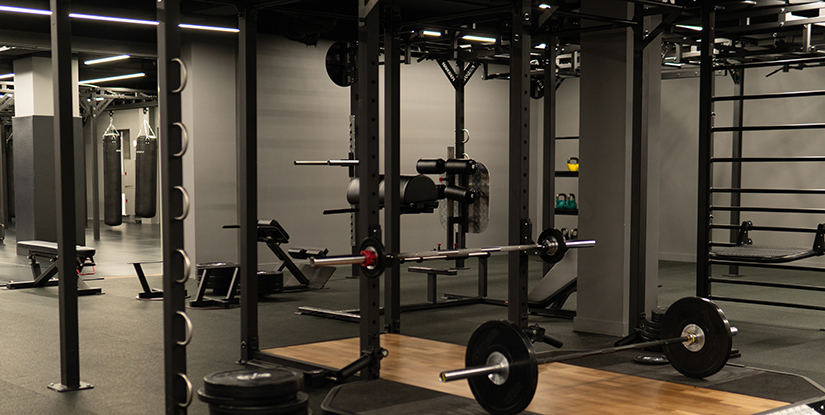
To mitigate these risks, insist on rigorous quality control standards that extend into the final boxing stage. Reliable suppliers should employ multi-layered protective packaging, utilizing high-density foam inserts and reinforced corner protection for all steel components. This is a critical step in transit damage prevention, especially when shipping heavy steel frames across international borders. A well-prepared shipment ensures that every bolt and bearing arrives in factory-perfect condition, allowing your facility to implement these advanced seated barbell press variations without the need for costly onsite adjustments or immediate replacements.
Selecting the right procurement model is just as critical as the steel gauge itself. Depending on whether you are outfitting a boutique studio or a high-traffic training facility, your requirements for shipping volume and assembly speed will vary. For those focusing on high-frequency power rack triceps exercises, the logistical footprint can significantly impact your installation timeline and overhead costs.
The following comparison helps you evaluate different configurations based on your operational scale. Whether you are optimizing for a compact footprint or long-term rack based triceps training durability, choosing the correct shipping method ensures your equipment arrives with its structural integrity intact.
| Shipping & Assembly Configuration | Dimensions/Volume | Assembly Complexity | Durability Rating | Ideal For |
|---|---|---|---|---|
| Standard Modular Export | Medium (Palletized) | Moderate (Standard Tools) | High (Commercial Grade) | Boutique Gyms & Studios |
| Full Container Load (FCL) | Large (Bulk Shipment) | High (Professional Crew) | Maximum (Industrial) | Commercial Fitness Centers |
| Knock-Down (KD) Kits | Compact (Space-Saving) | Low (DIY Friendly) | Standard (Heavy-Duty) | Home Gym Enthusiasts |
When ordering specialized setups for seated barbell press variations, always confirm that the packaging density aligns with the weight of the steel components. A robust logistics strategy prevents the misalignment of uprights, ensuring that your seated half press in power rack triceps training remains safe and effective from day one.
Lifecycle maintenance planning for busy facilities
In high-traffic commercial gyms, the intensity of power rack triceps exercises puts significant mechanical stress on your hardware. When clients perform the seated half press in power rack triceps movements, the repetitive load shifts and vibration can compromise even the highest-quality steel. Neglecting routine safety inspections doesn't just lead to equipment downtime; it poses a legitimate liability risk for facility owners.
We recommend a strict maintenance protocol focusing on two critical areas: rack stability and grip integrity. Regularly check that all bolts and upright connections remain tightened to prevent structural wobbling during heavy sets. Furthermore, inspect the barbell knurling for signs of smoothing or oxidation. Worn knurling can lead to grip failure during seated barbell press variations, increasing the risk of injury. For distributors and gym operators, prioritizing these preventative checks ensures that your rack based triceps training stations remain a premium, safe, and reliable asset for your end-users.
To maximize the lifespan of your investment, implement a structured maintenance schedule that addresses the mechanical fatigue inherent in heavy resistance training. For facilities offering a wide range of seated barbell press variations, the constant movement of safety pins and weight horns requires vigilant oversight. We suggest a tiered approach: daily visual checks by floor staff, followed by a comprehensive monthly deep-dive into the hardware's structural integrity.
During these deep-dives, focus on the following essential technical tasks:
- Bolt Tightening: Use a torque wrench to ensure all structural connections are secure. Vibration from heavy lifting can gradually loosen fasteners, undermining the stability required for a safe seated half press in power rack triceps training.
- Lubrication: Apply high-grade silicone-based lubricant to the upright guide rails. This reduces friction and prevents metal-on-metal wear and tear, ensuring smooth transitions during heavy movements.
- Surface Inspection: Check for any chipping in the powder coating or rust formation, which can signal moisture ingress and compromise the long-term durability of your rack based triceps training equipment.
By treating maintenance as a core operational pillar rather than a reactive necessity, facility managers can protect their capital expenditure and maintain a high-performance training environment.
Determining the optimal service frequency depends heavily on your facility's specific environment and user volume. A high-traffic commercial center requires a much more aggressive inspection cycle than a specialized boutique studio to ensure that power rack triceps exercises remain safe for all members. Below, we have outlined a standard comparison to help you align your operational budget with the actual wear and tear experienced during seated barbell press variations.
| Facility Type | Usage Level | Required Inspection Interval | Primary Focus |
|---|---|---|---|
| Commercial Gym | High (24/7/365) | Weekly / Monthly | Structural integrity and heavy-duty fastener security |
| Boutique Studio | Moderate (Class-based) | Quarterly | Smoothness of movement and aesthetic upkeep |
| Home Gym | Low (Personal Use) | Bi-Annually | Rust prevention and general stability checks |
As a procurement professional, we advise that scaling your maintenance efforts alongside your user base is the most cost-effective way to manage the lifecycle of rack based triceps training equipment. Proper oversight ensures your hardware remains a reliable centerpiece of your training floor.