Wholesale Commercial 2x2 Squat Rack | Space-Efficient Supplier
What is a Commercial-Grade 2x2 squat rack?
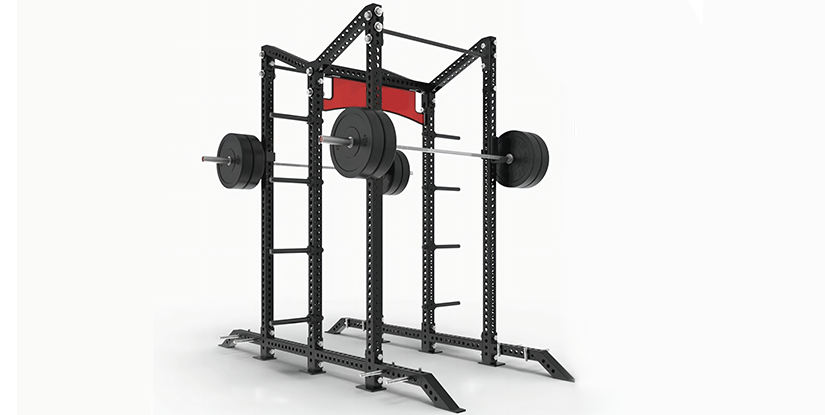
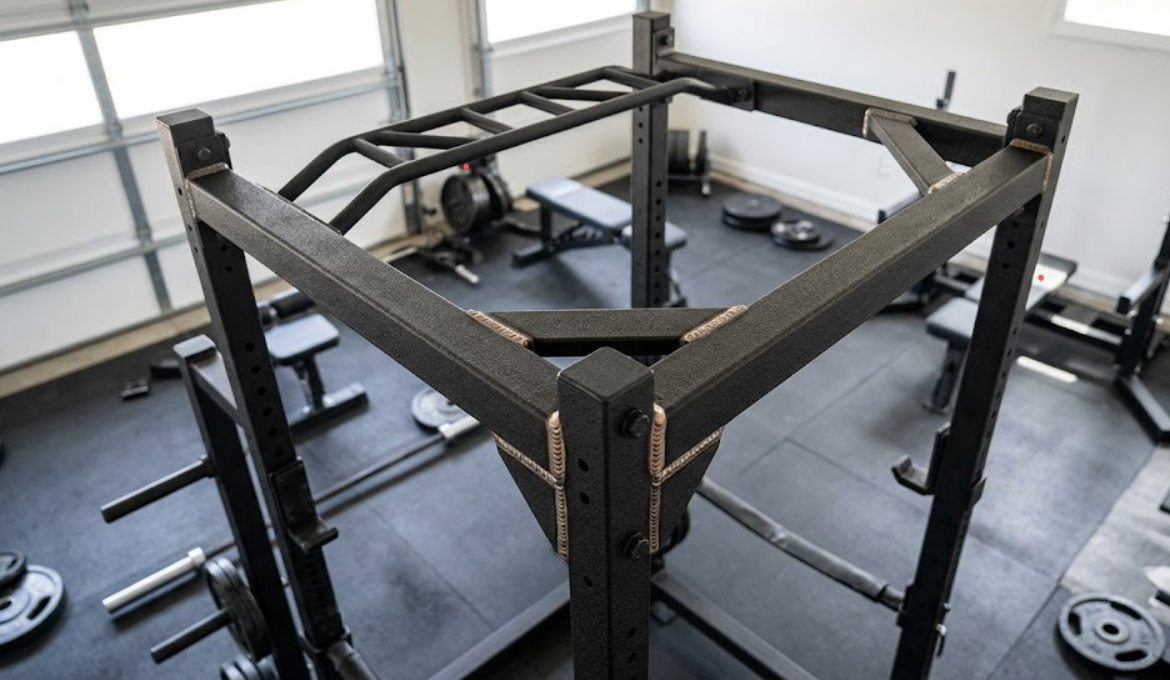
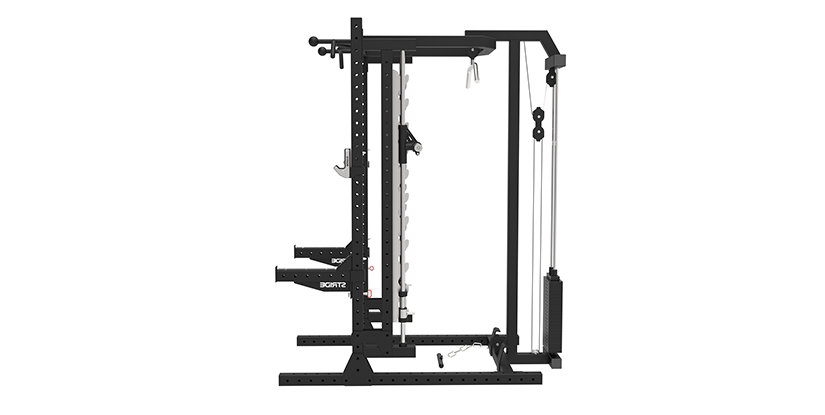
A commercial 2x2 squat rack is a space-optimized strength station built with 2-inch by 2-inch steel uprights, specifically engineered for boutique studios and light commercial facilities. It provides the durability of professional equipment with a smaller footprint, allowing facility owners to maximize equipment density and revenue per square foot without compromising athlete safety.
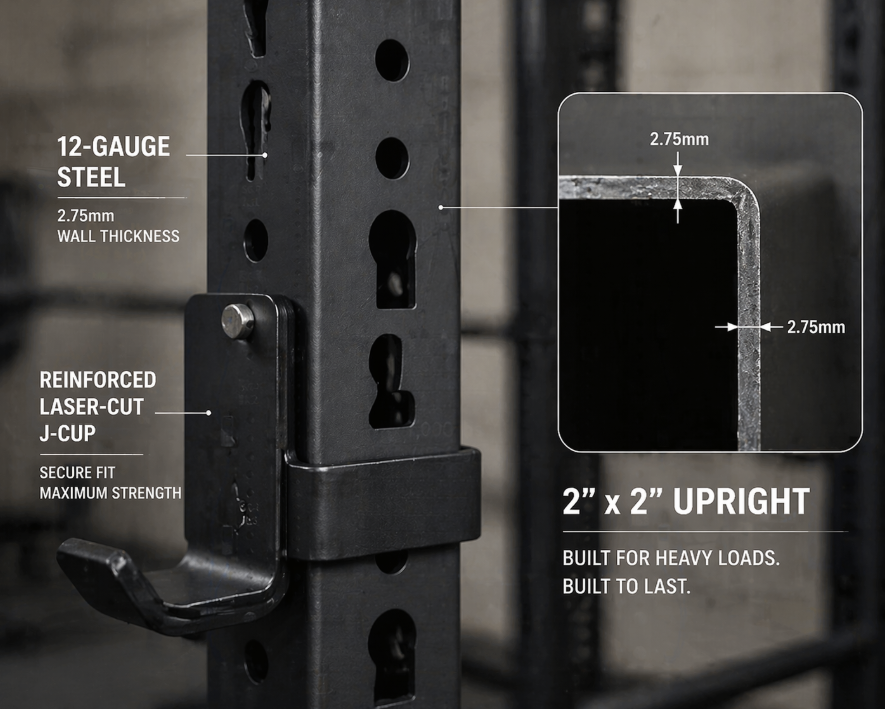
For facility managers and gym owners, the 2x2 squat rack represents a strategic balance between structural integrity and spatial economics. While the 2-inch profile is more compact than collegiate-style 3x3 frames, a true commercial-grade unit utilizes 12-gauge steel to ensure a high static load rating. This makes it an ideal solution for personal training studios, hotel fitness centers, and high-end home gyms where floor space is at a premium but high-frequency use is expected. Choosing the right 2 x 2 squat rack involves looking beyond the dimensions and focusing on the steel grade, weld quality, and the reliability of the 2x2 squat rack j hooks provided.
The Studio Owner’s Dilemma: Overcoming the High Cost of Wasted Floor Space
The primary pain point for boutique studio owners is the "Dead Space" problem. In a facility ranging from 800 to 1,200 square feet, every inch of flooring must generate income. Oversized 3x3 racks are often a poor investment in these settings because they limit the number of simultaneous training stations you can offer. If your equipment prevents you from running a four-person small group class due to footprint restrictions, you are effectively capping your hourly ROI.
The agitation grows when owners attempt to solve this by purchasing cheap, retail-grade 2 x 2 squat rack units. These "home-gym" models typically use thin 14-gauge or 16-gauge steel that sways under moderate loads. In a professional setting, this instability is more than an annoyance—it is a liability. High-value clients and professional athletes immediately notice the lack of rigidity, which can damage your brand’s reputation for quality. Moreover, these inferior racks often fail to pass commercial insurance inspections, leading to long-term operational risks and the recurring cost of replacing bent or fatigued frames every 18 to 24 months.
| Requirement Category | Commercial 2x2 squat rack (12-Gauge) | Retail/Residential 2x2 Rack |
|---|---|---|
| Load Capacity | Typically 800 lbs - 1,000 lbs | Typically 300 lbs - 500 lbs |
| Footprint Efficiency | Maximum - Designed for density | Variable - Often lacks stability features |
| Safety Certification | Commercial Grade / Liability-Ready | Residential Use Only |
| Standard Accessories | Heavy-duty 2x2 squat rack j hooks | Basic thin-gauge J-cups |
| Total Cost of Ownership | Low (5-10 year lifespan) | High (1-2 year replacement cycle) |
By opting for a precision-engineered 2x2 squat rack, you eliminate the safety concerns of retail gear while reclaiming the floor space lost to oversized rigs. This allows for a higher volume of training sessions per day, directly impacting your bottom line while ensuring a stable, professional environment for your members.
Engineering Integrity: Why 12-Gauge Steel is Non-Negotiable for a 2 x 2 squat rack
Our solution to the stability issues found in budget equipment is the utilization of 12-gauge structural steel. In the context of a 2x2 squat rack, the wall thickness of the steel (approximately 2.75mm) is the defining factor in how the rack manages vibration and energy displacement. While a 3x3 rack relies on sheer mass, a 2 x 2 squat rack must rely on the quality of its alloy and the precision of its welds. By using 12-gauge steel, we provide a frame that remains rigid during heavy re-racks, which is essential for preserving the "premium feel" of a high-end boutique studio.
From a procurement perspective, the 12-gauge 2x2 squat rack offers a superior strength-to-weight ratio. This is particularly beneficial for facilities located on upper floors where floor loading limits are a concern. We have found that by upgrading the steel specification, we can achieve a static load rating of 800 lbs—surpassing the requirements for most commercial personal training environments. This engineering choice ensures that the rack is not just a placeholder, but a durable asset that withstands the rigors of multi-user daily turnover without structural degradation.
Assessing Structural Stability and Static Load Capacities
The stability of a 2x2 squat rack is often questioned by those accustomed to bulkier equipment. However, stability is a function of base geometry and weld penetration. Our manufacturing process involves full-perimeter welding at all primary junctions rather than simple tack welding. This creates a unified "monolith" frame. For the 22-location boutique rollout we managed, this structural focus meant that even with a compact footprint, the 2 x 2 squat rack units provided a stable platform for heavy eccentric movements, which are common in high-intensity personal training sessions.
Maximizing Revenue Per Square Foot: 2x2 vs. 3x3 Footprint Comparison
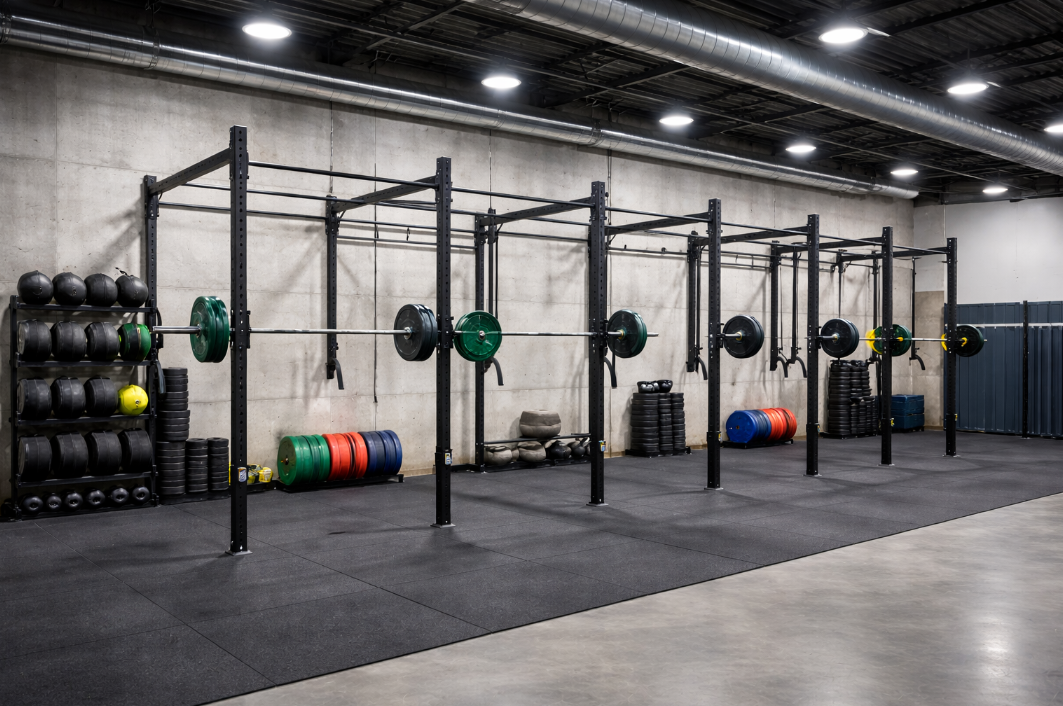
For a distributor or a gym owner, the 2x2 squat rack is a tool for floor space optimization. In many commercial settings, the "working area" of a rack includes not just the steel frame, but the safety zone around it. Because the 2x2 uprights have a slimmer profile, you can effectively reduce the center-to-center distance between racks in a row. This creates what we call "The 25% Advantage"—the ability to fit five 2 x 2 squat rack stations in the same linear space as four 3x3 stations.
This increased station density directly correlates to revenue. If a studio can accommodate two extra clients per hour across a 12-hour operating day, the ROI on the equipment is realized within the first quarter of operation. For distributors, the 2x2 squat rack is a high-volume mover because it appeals to the fastest-growing segment of the fitness market: urban micro-gyms and specialized training studios where rent is the highest operational expense.
| Space Metric | Standard 3x3 Power Rig | Commercial 2x2 squat rack |
|---|---|---|
| Upright Footprint | 9 sq. inches per post | 4 sq. inches per post |
| Total Depth (Standard) | 48" - 54" | 42" - 46" |
| Stations per 500 sq. ft. | Typically 4-5 | Typically 6-7 |
| Shipping Density | Lower (Bulkier parts) | Higher (Flat-pack optimized) |
| Revenue Efficiency | Standard | 20-25% Improvement Potential |
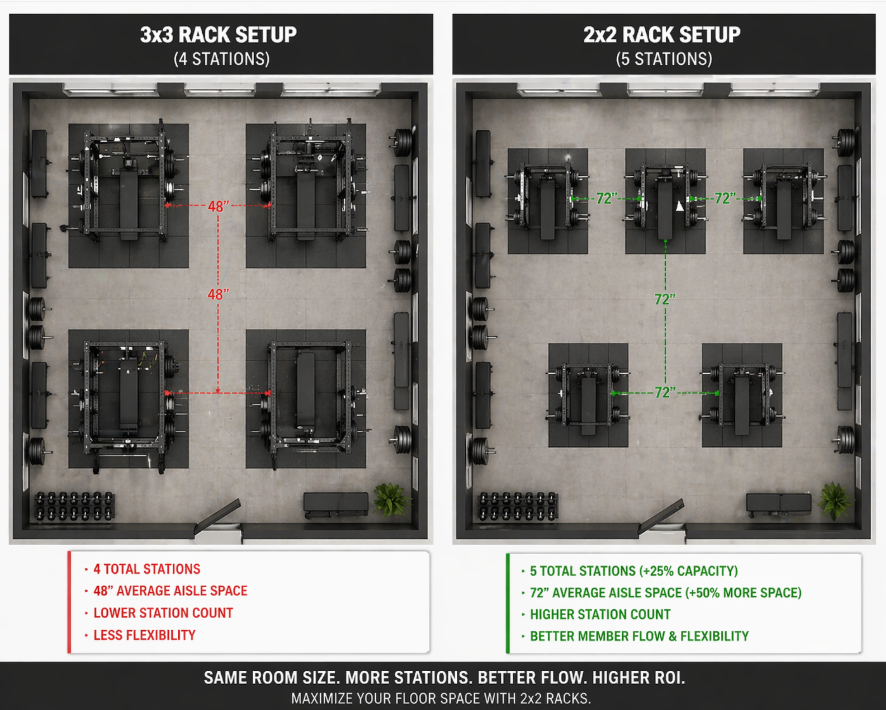
Choosing the 2x2 squat rack is not a compromise on quality; it is a calculated business decision to prioritize space efficiency and equipment density. By reducing the physical overhead of each lifting station, facility owners can scale their business faster while providing a safe, industrial-grade experience for every member.
Customizing the User Experience: Selecting High-Performance 2x2 squat rack j hooks
The interface between the barbell and the rack is where most equipment-related injuries or frustrations occur. In a commercial setting, the 2x2 squat rack j hooks are high-wear components that require specific engineering to prevent barbell knurling damage and user error. A common pain point for trainers is "cup-slip," where low-quality J-hooks on a 2 x 2 squat rack lack the necessary depth or plastic lining, causing the bar to bounce out during a heavy re-rack.
Our solution involves heavy-duty 2x2 squat rack j hooks featuring high-density polyethylene (HDPE) liners. These liners protect the barbell’s knurling—an often-overlooked maintenance cost for gym owners—while dampening noise, which is crucial for studios located in residential or mixed-use buildings. By providing a secure, deep-pocket design, our 2x2 squat rack j hooks ensure that even exhausted athletes can safely lock the bar into place. For the facility manager, this means lower insurance risk and reduced equipment replacement costs over time.
The Distributor’s Advantage: Logistics Efficiency and Flat-Pack ROI
From the perspective of a fitness equipment distributor, the 2x2 squat rack is a logistics powerhouse. Large 3x3 power rigs are notoriously difficult to ship, often requiring multiple pallets and oversized freight charges that eat into profit margins. This agitation is amplified when shipping to urban centers with restricted delivery access. Our 2 x 2 squat rack is designed for high-density flat-pack shipping, which significantly reduces the "volumetric weight" of the product.
By optimizing the packaging, we can fit a higher number of units per 40HQ container compared to bulkier alternatives. This leads to a lower landed cost per unit, allowing you to offer competitive pricing to your clients while maintaining a healthy 15-20% margin improvement over traditional rig systems. For warehouse management, the compact boxes of the 2x2 squat rack mean you can store more inventory per square foot of racking, improving your internal operational efficiency and order fulfillment speed.
Maintenance and Longevity: Electrostatic Powder Coating Standards
A 2x2 squat rack that looks worn and rusted after six months is a failure in a commercial environment. The agitation of rust and chipping paint is not just aesthetic; it signals a lack of professional standards to your gym members. Our manufacturing process uses a multi-stage electrostatic powder coating system. Before the coat is applied, each 2 x 2 squat rack frame undergoes a sandblasting and degreasing stage to ensure maximum adhesion.
This industrial finish is specifically formulated to withstand the high-humidity and high-salinity environments of coastal facilities or basement studios. For the buyer, this means the "Total Cost of Ownership" is lowered because you won't need to sand, prime, or repaint the equipment to maintain the professional appearance of your facility. A durable finish on a 2x2 squat rack ensures that the asset maintains its resale value, which is a critical consideration for gyms that refresh their equipment every 3 to 5 years.
Real-World Application: Case Study of a 22-Location Boutique Studio Rollout
We recently partnered with a European boutique fitness chain that was expanding across 22 urban locations. Their primary challenge was a lack of space; their studios were located in high-rent districts where every square meter was precious. They needed a 2x2 squat rack that could handle daily 10-hour personal training cycles without the swaying typical of consumer-grade racks.
Our engineering team provided a customized 12-gauge 2 x 2 squat rack solution with integrated branding and heavy-duty 2x2 squat rack j hooks. By implementing this compact system, the client was able to install six stations per studio instead of the originally planned four. This 50% increase in capacity allowed them to increase their group class sizes, leading to a 12% rise in monthly revenue per location. The flat-pack design also saved them approximately 18% in international shipping costs compared to their previous supplier’s bulkier frames.