Why a Seated Shoulder Press Squat Rack Matters for Gyms
Evaluating Long-Term Value Beyond the Initial Purchase Price
For a large-scale commercial gym chain or a high-volume fitness club, the decision to add a seated shoulder press squat rack is rarely about the immediate invoice amount. Instead, savvy facility managers focus on the Total Cost of Ownership (TCO). While budget-tier strength training equipment might offer a lower entry price, these units often fail under the rigors of high-traffic usage. In a professional setting, a cheaper alternative frequently leads to premature mechanical fatigue, necessitating frequent repairs or complete replacements that disrupt member workflows and increase operational overhead.
Investing in a premium seated shoulder press squat rack ensures that your gym facility upgrades deliver sustained value. High-quality construction significantly reduces long-term maintenance costs by minimizing wear on moving parts and structural joints. By prioritizing durability and precision engineering during the sourcing phase, distributors and gym owners can avoid the hidden expenses of downtime and constant part replacement, ensuring the equipment remains a reliable asset for years to come.
When weighing your options, it is helpful to view the selection through a budget vs. premium lens to understand how initial savings impact your bottom line. A low-cost overhead press station may appear attractive on a spreadsheet, but it often lacks the structural integrity required for professional environments. These entry-level models frequently suffer from unstable weight paths and subpar upholstery, which degrades the user experience and can lead to increased liability concerns.
To help you visualize the difference, consider the following comparison of how these investments perform over time:
| Feature Dimension | Budget-Tier Options | Premium seated shoulder press squat rack |
|---|---|---|
| Lifespan | Short-term; prone to mechanical fatigue. | Long-term; built for heavy-duty cycles. |
| User Experience | Variable stability; basic ergonomics. | Smooth, precision-engineered movement. |
| Maintenance | High frequency; requires constant parts. | Low frequency; high durability. |
| Long-term ROI | Diminished due to replacement costs. | High; consistent value for gym facility upgrades. |
Ultimately, choosing a high-caliber overhead press station is a strategic move. While the upfront cost is higher, the stability and reliability of premium strength training equipment protect your reputation and ensure your facility remains a top-tier destination for serious athletes.
Beyond the hardware itself, the selection of a high-performance seated shoulder press squat rack serves as a cornerstone for long-term business growth. In a competitive market, the quality of your strength training equipment directly influences member retention rates. When clients encounter a professional fitness environment characterized by smooth, reliable, and well-maintained machinery, they develop higher levels of trust in your facility. Conversely, frequent equipment downtime caused by low-grade imports can drive members toward competitors.
Viewing these gym facility upgrades as capital investments rather than mere expenses allows owners to build a more resilient business model. A premium overhead press station acts as a silent ambassador for your brand, signaling that you prioritize safety and excellence. By prioritizing high-spec components and rigorous quality control during the procurement process, you secure a long-term value that transcends the initial purchase, fostering a loyal community and a stable, high-performing fitness destination.
Optimizing Floor Plan Versatility with Multi-Functional Stations
For facility owners and gym developers, square footage is often the most expensive commodity. Traditional gym layouts frequently suffer from "equipment sprawl," where multiple single-use machines occupy vast areas without providing diverse training stimulus. Integrating a high-quality seated shoulder press squat rack solves this by consolidating high-demand movements into a single footprint. Instead of sourcing a separate bench press, a dedicated overhead press station, and a standalone squat rack, this multi-functional training solution streamlines your procurement process and maximizes your ROI.
By choosing a consolidated unit, you achieve superior gym layout optimization. This space-saving approach allows you to increase the density of your high-performance zones without sacrificing the premium feel of the facility. It is a strategic move for distributors and gym owners looking to offer a high-end experience while maintaining strict control over floor area utility.
| Equipment Configuration | Footprint Requirement | Versatility Level | Primary Benefit |
|---|---|---|---|
| Standalone Machines | High (Multiple Units) | Low (Single Movement) | Specific Muscle Isolation |
| Seated Shoulder Press Squat Rack | Low (Single Unit) | High (Hybrid Training) | Maximum Space-Saving |
| Free Weight Area Only | Variable | Moderate | Open Floor Flexibility |
Maximizing Equipment Density and Utility
When evaluating strength training equipment for a new build or a facility refresh, the footprint comparison between modular and standalone units becomes a critical decision factor. A single seated shoulder press squat rack effectively replaces several disparate pieces of hardware, significantly increasing your equipment density. This allows for greater floor plan versatility, enabling you to design high-traffic functional zones that feel expansive rather than cluttered.
For professional distributors and large-scale gym developers, this efficiency translates to a better space-to-utility ratio. Rather than managing the logistics of multiple shipping containers filled with single-use machines, a consolidated overhead press station and rack combo offers a more streamlined procurement strategy. This approach ensures that every square meter of your facility is working toward providing a premium, multi-dimensional training experience for your members.
Efficiently managing high-traffic zones requires more than just durable hardware; it demands a layout that promotes fluid movement. In professional fitness environments, bottlenecks often occur when users are forced to navigate around bulky, single-purpose machines. By implementing a consolidated seated shoulder press squat rack, facility managers can optimize the flow of movement, reducing congestion during peak hours. This strategic density is a cornerstone of successful gym facility upgrades, as it allows for a higher volume of users to engage in diverse movements without the visual or physical clutter of excessive hardware.
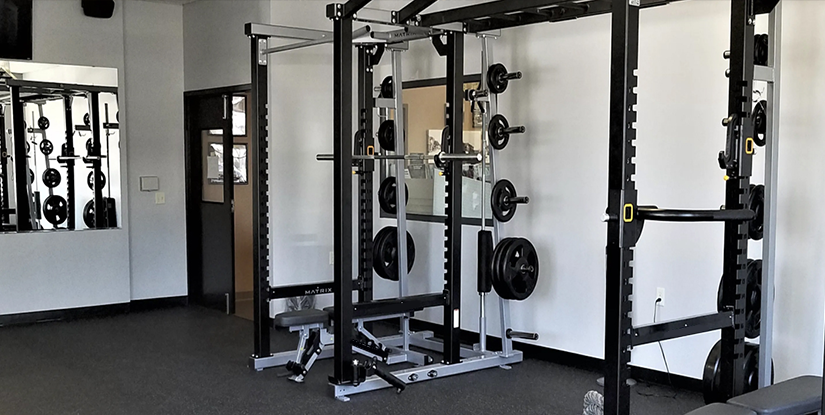
Furthermore, increasing training variety through high-density stations ensures that your facility remains competitive. As client preferences shift toward functional and hybrid training, having a versatile overhead press station integrated into a robust rack system provides the versatility members expect. From a procurement standpoint, investing in these multi-functional units is a proactive way to future-proof your floor plan, ensuring that your strength training equipment investment supports both current high-intensity demands and long-term facility scalability.
Structural Integrity and Material Standards for High-Traffic Use
In professional fitness management, the hidden cost of low-quality equipment is the constant cycle of repairs and premature replacement. When sourcing a seated shoulder press squat rack, the primary concern for facility owners should be the underlying structural integrity. Unlike standard benches, an overhead press station must withstand both vertical compression and lateral stability challenges during heavy lifts.
High-end manufacturers prioritize heavy-duty steel gauge specifications to ensure the frame remains rigid under extreme loads. This is critical in high-traffic gym environments where equipment is subjected to constant, heavy use by diverse user profiles. A superior seated shoulder press squat rack is engineered with optimized weight distribution patterns, preventing frame warping and ensuring the machine remains level and safe over years of service. Investing in high-grade steel construction is not just about strength; it is a strategic decision to reduce long-term maintenance overhead and ensure your strength training equipment remains a reliable asset rather than a liability.
To avoid the pitfalls of cheap imitations, it is essential to understand the fundamental durability comparison between residential and commercial-grade builds. Many buyers are often misled by similar aesthetics, but the internal engineering tells a different story. For instance, a standard home-use unit may utilize thin-walled tubing, whereas professional strength training equipment relies on high-density steel thickness—typically 11-gauge or 3mm thickness or greater—to prevent structural fatigue.
Beyond the metal itself, the welding quality serves as a critical indicator of long-term reliability. In a high-use overhead press station, the joints are subject to intense vibration and repetitive impact. While basic consumer models often use spot welding, professional-grade gym facility upgrades require full-penetration, reinforced welding to ensure the frame does not crack under heavy loading. When evaluating your procurement options, remember that the distinction between commercial vs. home use is defined by these uncompromising manufacturing standards, which ultimately protect your capital investment.
Rigorous quality control during the manufacturing process is the only way to guarantee that every unit meets global safety standards. For distributors and facility owners, a single failure in a seated shoulder press squat rack can lead to more than just mechanical downtime; it can pose significant liability risks. This is why professional-grade gym facility upgrades must prioritize manufacturers who implement multi-stage testing, ensuring that every weld, bolt, and bearing can handle the dynamic forces of heavy training.
Ultimately, choosing equipment based on price alone often results in a higher total cost of ownership. A well-engineered overhead press station acts as a long-term investment, providing consistent structural stability that minimizes the need for frequent part replacements or frame adjustments. By sourcing equipment from suppliers who emphasize strict quality control and high-grade material specifications, you ensure that your strength training equipment remains a durable, high-performing centerpiece of your facility for years to come.
Streamlining Global Sourcing and Manufacturing Specifications
When sourcing high-traffic strength training equipment, the difference between a long-term asset and a recurring liability lies in the precision of the production line. For distributors and gym owners, a seated shoulder press squat rack must be more than just functional; it must adhere to strict manufacturing standards to ensure long-term reliability. Without standardized manufacturing standards, even slight deviations in steel gauge or weld depth can compromise the structural integrity of the unit over time.
High-quality production ensures superior wear resistance, which is critical for equipment subjected to daily heavy loading and constant friction. We recommend prioritizing manufacturers who demonstrate rigorous quality control protocols regarding material density and coating thickness. By investing in a seated shoulder press squat rack built to these exact specifications, you reduce the frequency of mechanical failures and minimize the labor costs associated with routine maintenance. This proactive approach to sourcing ensures that your gym facility upgrades remain a durable, high-performing centerpiece of your fitness center for years to come.
Selecting the appropriate grade of an overhead press station is a strategic decision that directly impacts your operational overhead. To assist in your procurement planning, we have categorized common manufacturing grades based on their intended use and upkeep requirements. This helps ensure that your gym facility upgrades are both cost-effective and resilient against heavy usage.
| Material Grade | Intended Usage Intensity | Durability Level | Maintenance Frequency |
|---|---|---|---|
| Standard Commercial | Mid-range fitness clubs | Moderate | Quarterly inspections |
| Premium Heavy-Duty | High-traffic professional gyms | High | Bi-annual lubrication & check |
| Elite Performance | Elite training facilities/Competition | Extreme | Occasional deep maintenance |
When evaluating a seated shoulder press squat rack, always verify the steel thickness and powder coating quality. Choosing a higher material grade may require a larger upfront investment, but it significantly lowers the total cost of ownership by reducing the need for frequent repairs and replacement parts.
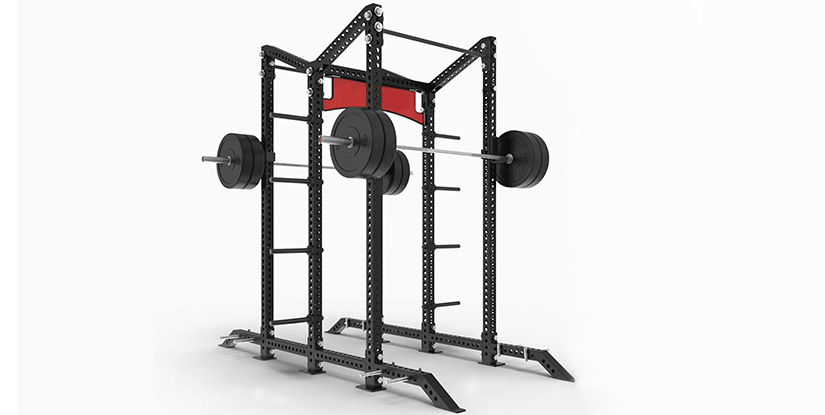
Beyond material grades, successful global sourcing requires a deep dive into component consistency. For professional fitness facilities, the risk of a single faulty bearing or a misaligned guide rod can sideline an entire overhead press station, disrupting member workflows. When negotiating with international suppliers, we advise looking beyond the base price to scrutinize their quality control frameworks. A reliable manufacturer should provide detailed documentation regarding the tolerances of moving parts and the uniformity of the upholstery.
Consistent component consistency ensures that replacement parts are interchangeable and easily accessible, which is vital for long-term upkeep. If a seated shoulder press squat rack is built with non-standardized hardware, sourcing specialized fixes becomes a logistical nightmare. By prioritizing manufacturers with robust factory-level testing, you safeguard your gym facility upgrades against the hidden costs of mechanical degradation. Ultimately, a disciplined approach to global sourcing transforms procurement from a simple purchase into a strategic investment in operational longevity.
Maximizing ROI Through Strategic Layout Planning
In the competitive landscape of fitness management, every square foot of floor space must generate value. Investing in a high-quality seated shoulder press squat rack is not merely about adding a new machine; it is a strategic move toward space optimization. Unlike bulky, single-function units, this versatile overhead press station allows operators to consolidate multiple movement patterns into a single footprint, maximizing the utility of high-traffic zones.
From a procurement standpoint, the goal is to balance high-end functionality with long-term durability. By incorporating diverse strength training equipment that supports a wide range of kinetic movements, facility owners can significantly enhance training variety. This variety is a primary driver for member retention, as clients remain engaged when they can transition seamlessly from heavy compound lifts to specialized isolation work. For distributors and gym owners, sourcing equipment that offers this level of multi-functionality ensures a higher return on investment by keeping members satisfied and the facility layout efficient.
When evaluating the long-term economic impact of your gym facility upgrades, it is essential to distinguish between the high overhead of traditional setups and the streamlined efficiency of specialized units. While free weights are foundational, they often require extensive auxiliary space and constant supervision to prevent injury. A dedicated seated shoulder press squat rack offers a more controlled environment, reducing the risk of misuse and minimizing the need for constant staff intervention.
To help you visualize the practical advantages, we have compared the standard free-weight approach with the integration of a specialized overhead press station below:
| Comparison Metric | Standard Free-Weight Setup | Integrated Seated Shoulder Press Squat Rack |
|---|---|---|
| Space Efficiency | Requires large, open areas for safety zones. | Compact footprint; maximizes vertical utility. |
| Maintenance Needs | High; frequent replacement of worn plates/racks. | Low; engineered for high-frequency stability. |
| User Versatility | Limited to user skill and balance. | High; accommodates varied skill levels safely. |
| Long-Term Value | Depreciates via high wear and tear. | High durability ensures extended asset life. |
For professional buyers, choosing specialized strength training equipment means prioritizing equipment that serves multiple functions while demanding less floor real estate, ultimately driving higher revenue per square foot.
Beyond space efficiency, the true economic advantage of premium gym facility upgrades lies in the total cost of ownership. In high-volume commercial environments, the frequent replacement of lower-grade machinery creates a cycle of operational downtime and unexpected capital expenditure. By prioritizing a high-spec seated shoulder press squat rack, facility owners invest in superior durability and structural integrity. High-grade steel construction and reinforced pivot points significantly extend the equipment lifespan, ensuring the unit remains a reliable asset rather than a maintenance liability.
Choosing high-quality strength training equipment is a cost-effective investment that protects your bottom line. While the initial procurement cost might be higher than entry-level alternatives, the reduction in replacement frequency and repair costs provides a much higher long-term yield. For professional fitness facilities, this stability is crucial; it minimizes service interruptions that can frustrate members and reduces the labor costs associated with constant equipment upkeep. Ultimately, sourcing equipment built for heavy-duty use ensures your facility remains a top-tier destination with minimal technical friction.
Logistical Considerations for Large-Scale Facility Upgrades
When planning gym facility upgrades, procurement officers often face a dilemma between minimizing immediate outlays and ensuring equipment longevity. While a budget-tier overhead press station might offer a lower entry price, viewing the purchase through a cost-benefit analysis reveals a different story. A cheap, poorly constructed unit often becomes a recurring expense due to frequent repairs, mechanical failures, or premature replacement cycles.
In contrast, investing in a premium seated shoulder press squat rack should be treated as a strategic investment in your facility's infrastructure. High-quality strength training equipment engineered with heavy-duty steel and precision bearings offers superior long-term durability, even under high-traffic commercial use. By prioritizing structural integrity at the sourcing stage, gym owners avoid the hidden costs of downtime and frequent maintenance. Ultimately, selecting a high-spec seated shoulder press squat rack ensures that your capital expenditure drives long-term value and member satisfaction rather than constant replacement cycles.
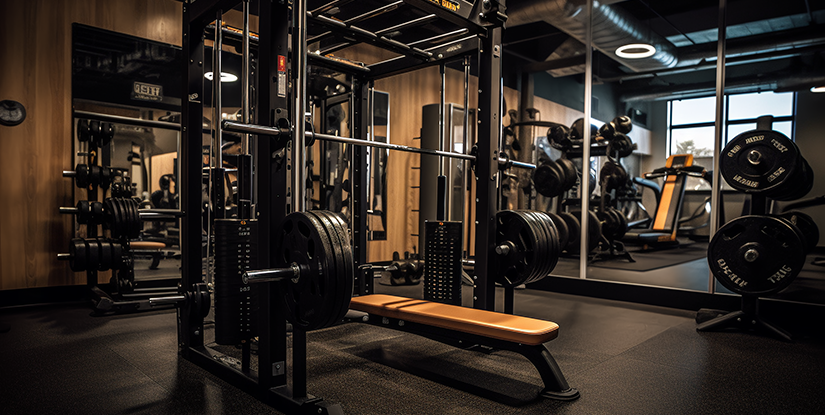
To effectively allocate your capital, it is essential to understand how different product tiers align with your specific business model. We recommend evaluating your procurement needs based on three distinct budget tiers to ensure your gym facility upgrades remain sustainable.
Navigating Equipment Tiers and Long-Term Value
Choosing between commercial vs semi-commercial builds is rarely about the sticker price alone; it is about the lifecycle of the asset. Below is a breakdown to assist your selection process:
| Tier Type | Ideal Use Case | Expected Maintenance Costs |
|---|---|---|
| Semi-Commercial | Boutique studios or home gyms | Moderate; requires regular part replacement |
| Full Commercial | High-traffic fitness centers | Low; built for high-frequency usage |
| Premium/Elite | Luxury health clubs/Professional training | Minimal; focuses on high-end durability |
While a standard overhead press station may suit a smaller setup, a heavy-duty seated shoulder press squat rack is a necessity for professional environments. Investing in higher-spec strength training equipment upfront significantly reduces the frequency of technical interventions and operational downtime, protecting your bottom line over the long haul.
Optimizing Space and Installation Logistics
Beyond the initial purchase, professional gym facility upgrades require a rigorous look at the physical realities of your floor plan. Integrating a seated shoulder press squat rack is not just about adding a machine; it is about managing the total space footprint. Unlike standalone benches, these multi-functional units require a specific clearance zone to ensure user safety during heavy lifts. We often advise clients to account for a "buffer zone" around the equipment to prevent congestion in high-traffic training areas.
Furthermore, facility upgrade planning must include a detailed assessment of installation requirements. A heavy-duty overhead press station often necessitates floor anchoring to maintain stability under load. Neglecting these logistics can lead to unexpected labor costs or even structural issues later. When sourcing your strength training equipment, always verify the weight specifications and assembly complexity. Proactive planning regarding shipping dimensions and onsite assembly ensures that your transition to a more advanced training environment is seamless, efficient, and cost-effective.
Lifecycle maintenance planning for busy facilities
In high-performance fitness environments, equipment longevity is directly proportional to the quality of the initial procurement. When a seated shoulder press squat rack is positioned in high-traffic zones, it undergoes constant mechanical stress. Unlike standalone machines, this hybrid piece of strength training equipment must withstand both vertical loading and lateral stability demands, making it a focal point for potential wear and tear.
For facility owners and distributors, viewing this unit as a long-term asset rather than a one-time purchase is vital. High-frequency usage can lead to loosened bolts or guide rail friction if the structural integrity isn't monitored. Implementing a routine of preventative maintenance—such as checking pivot points and inspecting upholstery—ensures the seated shoulder press squat rack remains operational without unexpected downtime. By selecting heavy-duty, industrial-grade builds during the sourcing phase, you minimize the frequency of repairs and protect your capital investment against the rigors of daily commercial use.
To maintain peak performance, we recommend a structured maintenance schedule tailored to the intensity of your facility's usage. An overhead press station requires consistent attention to both structural and moving parts to prevent mechanical failure. Regular inspection frequency is the most effective way to catch minor issues before they become costly repairs.
Routine Maintenance Checklist
- Bolt Tightening: Check all structural connections and seat fasteners monthly to ensure stability.
- Lubrication: Apply industrial-grade lubricant to guide rods and pivot points every quarter to reduce friction.
- Upholstery Inspection: Examine padding for cracks or tears to maintain hygiene and user comfort.
- Structural Alignment: Verify that the frame remains level and the weight horns are not bent under heavy loads.
The following table illustrates the typical inspection frequency and maintenance needs based on different facility types to help you plan your service cycles effectively.
| Facility Type | Usage Intensity | Primary Maintenance Focus | Recommended Cycle |
|---|---|---|---|
| Boutique Studio | Moderate | Upholstery & Aesthetics | Quarterly |
| Commercial Gym | High | Bolt Tightening & Lubrication | Monthly |
| Professional Training Center | Extreme | Full Structural Integrity Check | Bi-Weekly |
Beyond mechanical upkeep, strategic placement and management of your inventory play a critical role in long-term profitability. Integrating a high-quality seated shoulder press squat rack into your floor plan is not just about adding a new station; it is a strategic gym facility upgrade designed to increase member retention and equipment utility. When managed correctly, these premium pieces of strength training equipment serve as stable anchors for your facility's value.
From a procurement standpoint, neglecting the lifecycle of your hardware leads to rapid asset depreciation. Without a standardized protocol for professional upkeep, even the most robust overhead press station can become a liability. By prioritizing regular inspections and optimized spatial layouts, operators can maximize operational efficiency, ensuring the machine is always ready for peak hours. Ultimately, this disciplined approach to maintenance and placement secures a much higher long-term ROI, protecting your initial capital investment and ensuring your facility remains a competitive, high-value destination for years to come.