How to Choose the Best Power Rack for Powerlifting
Optimizing High-Traffic Strength Zones in Commercial Facilities
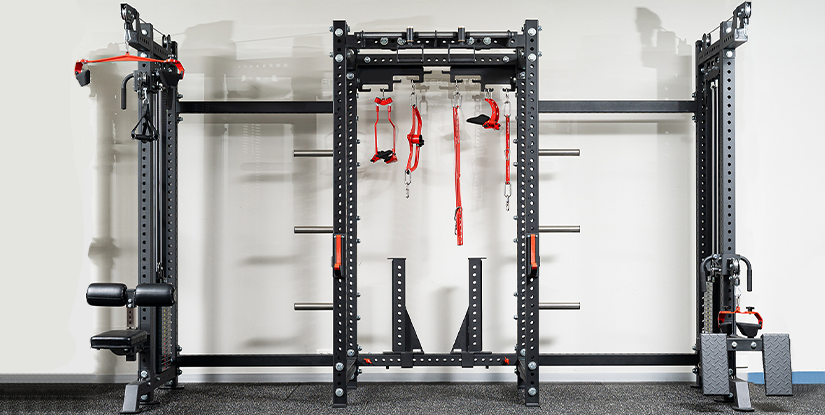
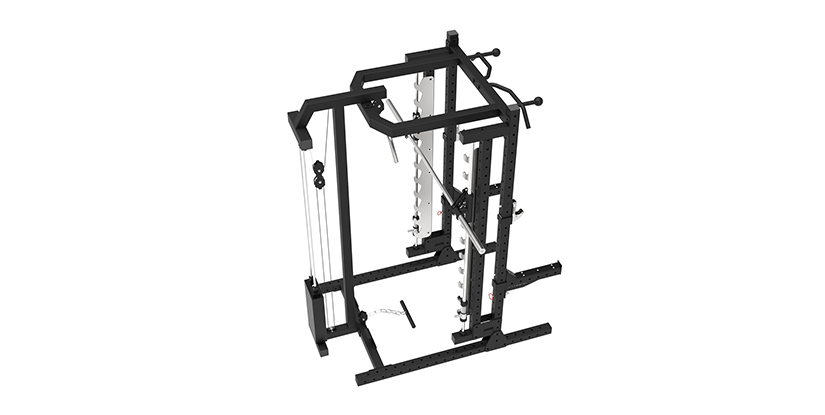
A high-performance power rack is a foundational structural component in any professional weightlifting facility, designed to provide maximum stability during heavy compound movements. B2B buyers prioritize these units because they serve as the centerpiece for high-intensity training zones, demanding both durability and safety compliance.
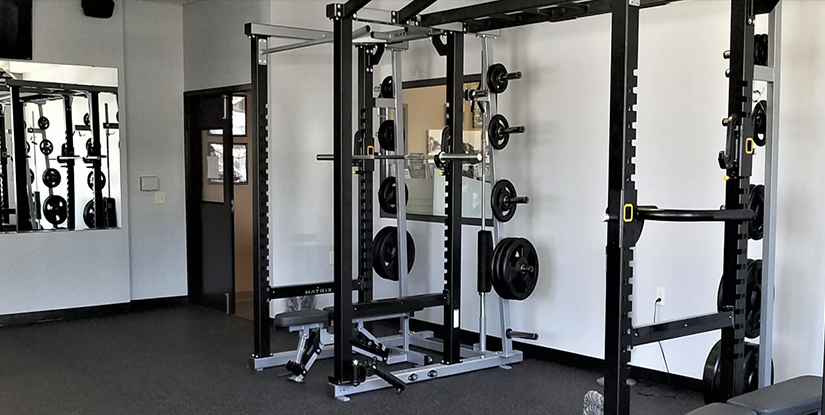
In professional facility management, spatial efficiency is just as critical as the equipment's weight capacity. When planning a commercial gym layout, we often see developers overlook the "buffer zone" required around strength training equipment. A heavy duty squat rack requires more than just its physical footprint; you must account for the movement of barbell plates, the swing of the bar, and the safety clearance for lifters. Neglecting floor space optimization can lead to dangerous congestion in high-traffic areas, potentially increasing liability and reducing the overall flow of the facility.
Selecting the best power rack for powerlifting involves calculating the total operational area—not just the steel dimensions. For distributors and gym owners, investing in models with thoughtful dimensions ensures that your strength zones remain functional and safe, preventing the cramped feeling that often plagues poorly planned training environments.
To assist in your facility planning, we have categorized the most common structural footprints. Depending on whether you are outfitting a boutique strength studio or a massive multi-functional training center, the spatial requirements for the best power rack for powerlifting will vary significantly. Choosing the right profile ensures your home gym essentials or commercial zones remain accessible and professional.
| Rack Configuration | Typical Footprint | Space Requirements | Ideal Use Case |
|---|---|---|---|
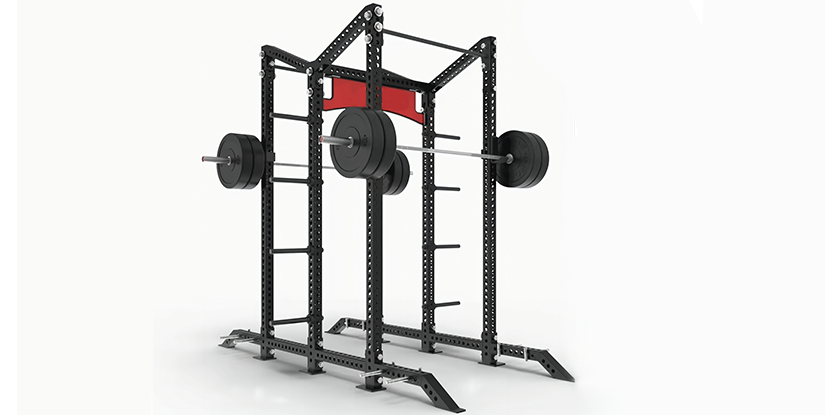
| Standard Full Rack | Large / Deep | Requires significant clearance for plate loading and barbell whip. | High-performance training centers and professional powerlifting gyms. |
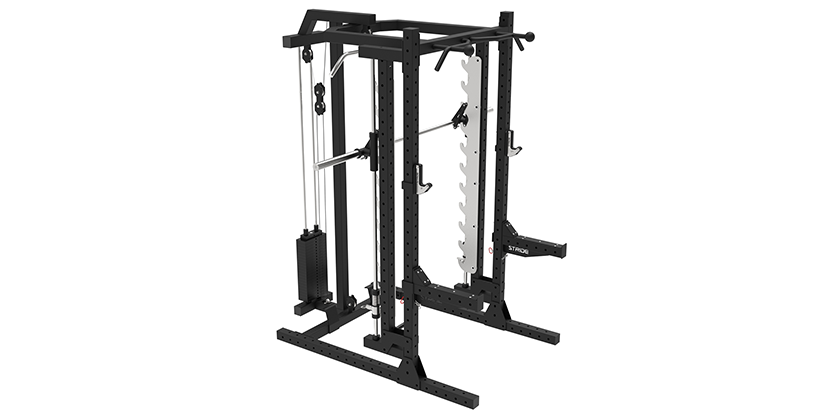
| Compact / Slim Rack | Medium / Narrow | Optimized for smaller footprints without sacrificing stability. | Boutique studios or specialized strength training zones. |
| Wall-Mounted Unit | Minimal / Shallow | Maximum floor visibility; requires reinforced structural mounting. | Small-scale training facilities or premium residential gym setups. |
When sourcing strength training equipment, always consult with your manufacturer regarding the total operational diameter. A heavy duty squat rack may have a small base, but the effective training radius is much larger once you account for the lifter's range of motion.
Beyond the footprint of the steel itself, professional procurement requires a deep understanding of equipment placement to maintain long-term workflow efficiency. In high-volume facilities, the area surrounding the rack is a dynamic zone. You must account for the "shadow area" created by plate loading, the lateral movement of the barbell, and the necessary safety clearance for the athlete. If a rack is placed too close to high-traffic zones—such as walkways or cardio equipment—it creates a bottleneck that disrupts the facility's natural movement and increases the risk of accidental collisions.
When curating your collection of home gym essentials or outfitting a commercial center, prioritize a layout that allows for unobstructed movement. We recommend implementing a "clearance buffer" of at least 1.5 to 2 meters around each station. This ensures that even during heavy sets, the lifter and the surrounding environment remain safe. By integrating these spatial considerations into your initial sourcing plan, you ensure that your investment in the best power rack for powerlifting contributes to a professional, seamless, and high-functioning training environment.
Structural Integrity and Load-Bearing Standards for Heavy Lifting
When sourcing high-end strength training equipment, the most critical factor is the invisible quality of the metal itself. For serious athletes, the best power rack for powerlifting must withstand not just static weight, but the dynamic force of heavy eccentric movements. This is where steel gauge becomes the deciding factor between a professional-grade setup and a flimsy alternative.
A high-quality heavy duty squat rack typically utilizes 11-gauge or even 7-gauge steel to ensure maximum structural stability. Thinner steel may look sufficient in a showroom, but it often lacks the rigidity required for high-intensity training sessions where heavy barbell oscillations occur. As a buyer or distributor, you should prioritize manufacturers that utilize thick-walled steel tubing and heavy-duty gussets. This attention to material density ensures that the frame remains rigid under extreme loads, providing the safety and confidence necessary for elite-level performance.
To help you evaluate the material quality during your procurement process, we have compiled a comparison of standard steel specifications found in the industry. Understanding these dimensions is essential when vetting suppliers for premium strength training equipment, as it directly impacts the long-term ROI and safety of the installation.
The following table outlines how steel thickness correlates with the performance expectations of a professional-grade heavy duty squat rack. Generally, as the gauge decreases (meaning the steel becomes thicker), the structural integrity increases significantly.
| Steel Thickness (mm) | Typical Weight Capacity | Stability Level | User Recommendation |
|---|---|---|---|
| ~2.0mm (14-gauge) | Moderate (up to 250kg) | Standard | Light Home Gyms |
| ~3.0mm (11-gauge) | High (up to 400kg) | Professional | Best power rack for powerlifting |
| ~3.8mm (7-gauge) | Extreme (450kg+) | Elite/Industrial | Commercial Training Facilities |
When selecting home gym essentials or full-scale commercial inventory, always verify the actual wall thickness with your manufacturer. Relying on a higher-gauge specification ensures the frame can handle the intense vibrations and heavy eccentric loads inherent in competitive lifting.
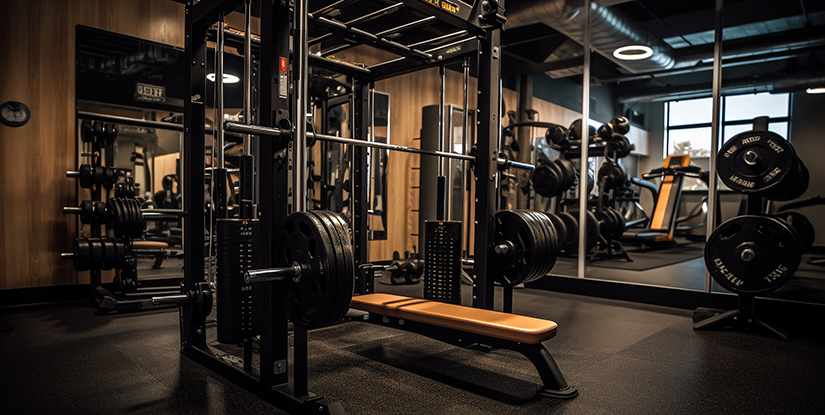
Beyond the thickness of the steel, the true test of long-term durability lies in the precision of the assembly and the quality of the connection points. For those sourcing home gym essentials or outfitting a commercial facility, inspecting the weld integrity is a non-negotiable step in quality control. A premium heavy duty squat rack is only as strong as its weakest joint; therefore, you should look for full-penetration welds rather than superficial surface beads. Inconsistent or porous welds can become points of failure under the rhythmic stress of heavy lifting, potentially compromising the entire structure over time.
Furthermore, the method of connection—whether through high-tensile bolts or reinforced welding—dictates how the rack handles lateral forces. When the best power rack for powerlifting is subjected to heavy barbell oscillations or dropped weights, the joints must remain rigid without any visible shifting or loosening. We recommend that distributors and procurement specialists demand rigorous testing reports regarding these connection points. Ensuring that every junction meets strict load-bearing standards is the most effective way to mitigate risk and guarantee a lifespan that justifies the initial investment in high-end strength training equipment.
Essential Features for Professional-Grade Power Racks
When sourcing high-end strength training equipment, the difference between a long-term asset and a liability lies in the structural integrity of the frame. A truly professional heavy duty squat rack must withstand extreme lateral forces and repetitive heavy loading without structural fatigue. From a procurement standpoint, the quality of the steel and the precision of the manufacturing process are the most critical variables in determining the lifespan of the unit.
We recommend prioritizing high-grade steel with a specific steel gauge—typically 11-gauge or thicker for commercial use—to ensure the frame remains rigid under maximum capacity. Furthermore, the finish is not merely aesthetic; a high-quality powder coating is essential to provide superior rust resistance and protect the metal from oxidation in high-humidity training environments. Investing in these specifications upfront significantly reduces long-term maintenance costs and replacement frequency.
| Feature Specification | Standard Commercial Grade | Premium Professional Grade |
|---|---|---|
| Steel Gauge | 14-gauge steel | 11-gauge heavy-duty steel |
| Surface Finish | Standard paint | Industrial powder coating |
| Durability Expectation | Moderate use/Home gym | High-frequency/Commercial use |
| Corrosion Protection | Basic rust resistance | Advanced anti-oxidation layer |
Optimizing Longevity Through Systematic Maintenance
Selecting the best power rack for powerlifting is only the first step; ensuring its operational safety requires a disciplined upkeep regimen. Even the most robust heavy duty squat rack can suffer from hardware loosening or mechanical friction if neglected. To protect your investment and ensure athlete safety, we suggest implementing a structured inspection checklist to monitor structural integrity regularly.
The maintenance frequency should be dictated by the intensity of use. For high-traffic commercial facilities, a monthly audit is standard, whereas a home gym setup might only require quarterly checks. Key tasks include bolt tightening to combat vibrations from heavy lifts and periodic lubrication of moving parts, such as barbell sleeves or adjustable pins, to prevent metal-on-metal grinding. Consistent oversight ensures your strength training equipment remains a reliable centerpiece for years to come.
| Maintenance Task | Frequency (Commercial) | Frequency (Home Gym) | Primary Objective |
|---|---|---|---|
| Bolt Tightening | Monthly | Quarterly | Structural Stability |
| Lubrication | Every 3 Months | Bi-Annually | Smooth Mechanical Motion |
| Visual Inspection | Weekly | Monthly | Detecting Wear or Rust |
| Hardware Check | Monthly | Every 6 Months | Ensuring Pin/J-Cup Fit |
Beyond routine lubrication, a rigorous safety inspection protocol is non-negotiable for maintaining long-term structural stability. During high-intensity training, the constant vibration from heavy barbell drops can gradually loosen fasteners or cause micro-shifts in the frame. We advise distributors and gym owners to look specifically for signs of wear and tear, such as hairline cracks in the welding points or slight deformations in the uprights. Identifying these issues early prevents catastrophic failure during a lift.
As one of the most critical home gym essentials, the rack must be treated as a precision instrument rather than a static piece of furniture. Always check the alignment of J-cups and safety spotting arms to ensure they seat perfectly without wobbling. By incorporating these detailed checks into your facility management, you mitigate the risks associated with heavy loading and extend the functional lifecycle of your strength training equipment.
Versatility and Expansion for Multi-User Training Environments
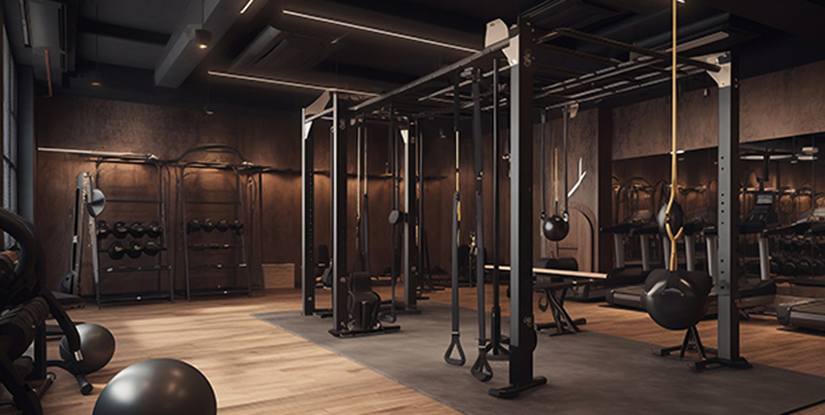
In high-traffic facilities or compact boutique studios, floor area is your most valuable asset. Rather than purchasing multiple specialized machines, savvy buyers prioritize a heavy duty squat rack that functions as a multi-purpose training hub. The best power rack for powerlifting should not just be a static steel frame; it must act as a dynamic foundation for diverse strength training equipment needs.
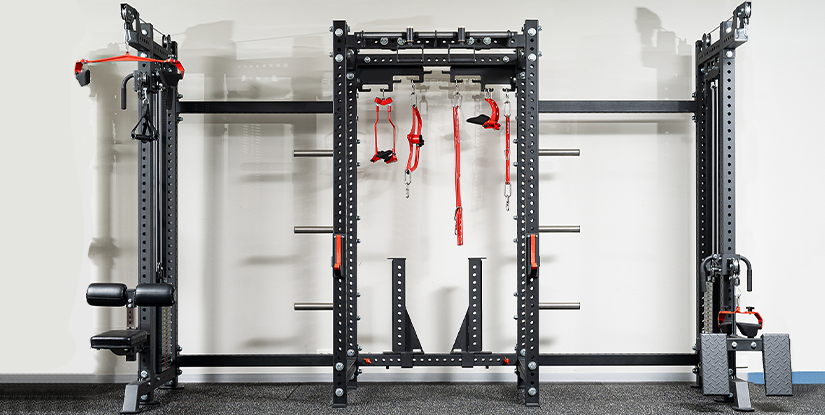
By investing in systems that feature modular attachments—such as dip stations, landmines, or cable pulley systems—you can transition from heavy compound lifts to accessory work in seconds. This space-saving design allows a single station to accommodate various athletes and training styles without the need for additional square footage. For distributors and facility managers, this modularity ensures that your inventory remains relevant to different client demographics while maximizing the utility of every square inch of the gym floor.
When planning your facility layout, you must decide between a permanent, fixed footprint or a flexible, expandable system. While a fixed rack offers maximum stability for a single discipline, a modular system provides the adaptability required for modern, multi-functional training environments. This decision directly impacts how effectively you utilize your square footage and how well you can scale your home gym essentials or commercial offerings.
To help you determine the right fit for your specific spatial constraints and training goals, we have compared the two most common configurations below:
| Feature | Fixed-Size Power Rack | Modular/Expandable System |
|---|---|---|
| Dimensions | Standard, static footprint | Adjustable or expandable width/depth |
| User Capacity | High (optimized for single use) | High (supports varied training styles) |
| Versatility | Limited to core lifting functions | Extensive (via various attachments) |
| Space Efficiency | Predictable; best for dedicated zones | Superior; adapts to evolving needs |
Choosing the best power rack for powerlifting often comes down to this balance of stability versus adaptability. For specialized strength centers, a rigid heavy duty squat rack is a staple, but for versatile studios, modularity is the key to long-term utility.
Beyond immediate utility, smart procurement focuses on future-proofing your facility. Many buyers overlook the cost of replacement when a business grows or a home gym evolves, only to realize their initial setup cannot support new training demands. Selecting a system with high accessory compatibility—such as integrated pull-up bars, weight storage, or cable attachments—transforms a single piece of strength training equipment into a scalable asset. This approach is a long-term investment that prevents the logistical headaches of frequent equipment turnover.
Whether you are managing a high-traffic multi-user environment or curating high-end home gym essentials, the ability to expand your station's functionality is vital. An expandable system allows you to add specialized components as your budget or client base increases, rather than replacing the entire structure. By prioritizing modularity during the initial sourcing phase, you ensure that your core infrastructure remains relevant and capable of handling advanced lifting protocols for years to come.
Long-Term Value and Equipment Lifecycle Management
When sourcing high-end strength training equipment, many buyers make the mistake of prioritizing the lowest initial invoice price. However, professional procurement requires a shift in perspective toward Total Cost of Ownership (TCO). Selecting the best power rack for powerlifting is not just about the immediate acquisition cost; it is about the durability of the asset over a decade of heavy use.
A low-cost alternative often utilizes thinner steel or inferior welding, which compromises structural stability under maximum loads. To ensure a high return on investment, look for a heavy duty squat rack constructed with high-grade steel gauge specifications. Investing in premium materials and rigorous quality control at the factory level prevents premature wear and frequent replacements. Ultimately, choosing a robust, high-spec unit serves as a long-term investment that stabilizes your operational costs and ensures athlete safety throughout the equipment's entire lifecycle.
To visualize the long-term economic impact, consider the difference between budget-grade units and professional-grade assets. While a generic rack may seem cost-effective today, its high replacement frequency often leads to higher cumulative expenses. In contrast, high-spec strength training equipment is engineered to withstand constant mechanical stress without losing structural integrity.
The following comparison illustrates how durability vs. cost affects your long-term budget:
| Metric | Budget-Grade Rack | Professional-Grade Rack |
|---|---|---|
| Maintenance | Frequent adjustments/repairs | Minimal upkeep required |
| Replacement Cycle | High (requires frequent upgrading) | Low (designed for long-term use) |
| Value-per-Year | Decreases as wear increases | Stays consistent over time |
| Primary Risk | Structural fatigue/Safety concerns | High initial capital outlay |
When selecting the best power rack for powerlifting, the goal is to maximize the value-per-year. A heavy duty squat rack with superior fabrication may require more upfront capital, but it eliminates the hidden costs of downtime, constant maintenance, and the logistical burden of frequent re-ordering.
Beyond simple durability, true value is found in scalability and future-proofing your facility. As athletes progress and training intensity reaches peak levels, your equipment must evolve alongside them. Selecting a modular system allows you to add specialized attachments or reinforcement without replacing the entire core structure. This approach ensures that your home gym essentials or commercial setups remain relevant and functional even as load requirements increase.
Prioritizing high-quality steel and precision engineering during the initial procurement phase is a strategic move for long-term ROI. By investing in a premium foundation now, you avoid the "buy-twice" trap—where mediocre equipment must be discarded once the user outgrows it. A high-spec, versatile rack serves as a permanent asset, providing a stable platform for years of heavy lifting while minimizing the need for future capital expenditure. In the long run, the most cost-effective choice is the one that stays in the gym rather than in the scrap heap.
Sourcing Considerations for Reliable Strength Training Equipment
When sourcing high-performance gear, many buyers make the mistake of focusing solely on the initial invoice price rather than the total cost of ownership. In the world of competitive lifting, the best power rack for powerlifting is rarely the cheapest option available. A low-cost unit might seem attractive for a budget-conscious facility, but prioritizing low entry prices often leads to premature replacement cycles and increased maintenance liabilities.
To ensure long-term durability, you must evaluate the structural integrity of the steel gauge and the precision of the welding. A high-quality, heavy duty squat rack is a capital investment vs. cost equation; you are paying for the ability to handle extreme eccentric loads safely over many years of high-frequency use. Investing in premium strength training equipment upfront reduces the risk of structural fatigue and ensures your facility remains a safe environment for heavy lifting. For distributors and gym owners, choosing quality over a low sticker price is the most effective way to protect your margins and your reputation.
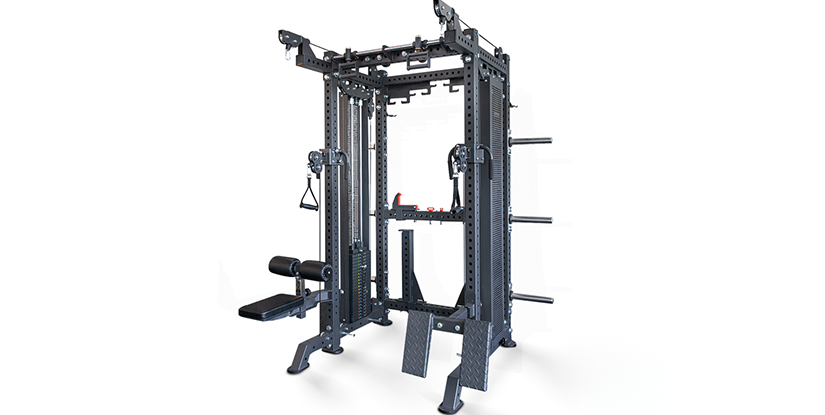
Navigating different budget tiers requires a clear understanding of how material specifications impact long-term utility. When selecting home gym essentials or outfitting a commercial facility, we recommend categorizing your procurement based on the intended intensity of use and accessory compatibility.
At the entry-level tier, you will often find lighter steel gauges and limited attachment options. While these may suffice for casual use, they lack the rigidity required for serious competition. The mid-range tier offers a superior value-for-money proposition, typically featuring thicker material thickness (such as 11-gauge steel) and standardized hole patterns that allow for a wide variety of J-cups, dip bars, and landmines. At the premium level, you are investing in a professional-grade heavy duty squat rack designed for maximum stability under extreme loads, often featuring specialized coatings and advanced structural reinforcements. Understanding these tiers allows you to allocate your capital effectively, ensuring that your strength training equipment serves as a reliable foundation rather than a recurring expense.
Understanding the Investment: Price Tier Comparison
To help you visualize where your capital is being allocated, we have categorized the standard market offerings. When searching for the best power rack for powerlifting, it is essential to recognize that higher price points generally correlate with increased steel density and expanded modularity. Use this guide to align your procurement strategy with your facility's specific demands.
| Price Tier | Typical Steel Gauge | Standard Dimensions | Included Accessories & Features |
|---|---|---|---|
| Entry-Level | 14-Gauge Steel | Standard 2x2" uprights | Basic J-cups, minimal attachment options, limited stability |
| Mid-Range | 11-Gauge Steel | Expanded 3x3" uprights | Dip bars, landmines, and versatile barbell storage |
| Professional Grade | High-Density 7-Gauge Steel | Oversized/Custom Footprints | Full modularity, specialized weight horns, and competition-grade safety pins |
Selecting the right tier ensures that your strength training equipment remains a functional asset rather than a liability. While entry-level home gym essentials serve a purpose, professional-grade heavy duty squat rack systems are engineered to withstand the relentless rigors of high-volume training environments.
Prioritizing Long-Term Value Over Initial Price
When sourcing equipment for a professional facility or a high-end training studio, the most common mistake is focusing solely on the upfront procurement cost. While budget-friendly options may seem attractive during the initial acquisition phase, they often fail to deliver when subjected to the extreme mechanical stress of high-level lifting. To secure the best power rack for powerlifting, you must shift your mindset from "lowest price" to a long-term investment strategy.
A premium heavy duty squat rack is defined by its structural integrity and high safety margins. In a commercial environment, equipment failure isn't just a maintenance issue; it is a significant liability. Choosing a rack with superior steel gauge thickness and reinforced welding ensures that the unit can withstand years of heavy loading without compromising stability. By prioritizing build quality and rigorous quality control during the sourcing process, you reduce the frequency of replacements and protect your facility's reputation. Investing in high-grade strength training equipment today prevents the much higher costs of premature equipment turnover and potential injury-related downtime tomorrow.
To help you navigate the balance between budget and durability, we have categorized typical market offerings into three distinct tiers. Understanding where your specific needs fall on this spectrum is essential for maximizing your return on investment and ensuring your facility remains a reliable destination for serious athletes.
The following table provides a practical comparison to assist in your procurement decision-making process:
| Tier | Ideal User | Key Feature | Longevity Expectation |
|---|---|---|---|
| Entry-Level | Casual enthusiasts & small home studios | Standard 11-gauge steel construction | 2–4 years of moderate use |
| Intermediate | Dedicated training centers & heavy users | Reinforced uprights & improved stability | 5–8 years of consistent training |
| Professional | Competitive powerlifting gyms & commercial facilities | High-gauge steel & advanced safety mechanisms | 10+ years of high-intensity loading |
When selecting between these categories, remember that while home gym essentials are often designed for versatility and space-saving, a commercial-grade heavy duty squat rack is an asset meant to endure decades of heavy impact. Investing in a higher tier of strength training equipment ensures that you are not just buying a product, but securing the best power rack for powerlifting performance and safety for your clients.
Final Verification: The Procurement Checklist
Before finalizing your purchase or placing a bulk order, a rigorous final review is necessary to ensure the equipment meets professional standards. Do not rely solely on product descriptions; instead, demand specific technical data to verify the quality of your strength training equipment. Use this checklist to mitigate risks during the sourcing phase.
- Steel Gauge Verification: Confirm the exact gauge of the steel. For a professional-grade heavy duty squat rack, you should expect 11-gauge or even 7-gauge steel for maximum structural rigidity.
- Accessory Compatibility: Ensure the uprights are compatible with high-end attachments like dip bars, landmines, or specialized spotter arms to maximize the utility of your home gym essentials.
- Quality Control Standards: Ask your supplier for evidence of consistent quality control, such as weld strength testing and powder coating durability reports.
- Logistics and Assembly: Evaluate shipping and assembly considerations. High-density steel is heavy; ensure the manufacturer provides detailed assembly manuals and that the shipping method prevents structural warping during transit.
Performing this final verification ensures that the best power rack for powerlifting you have selected is not just a purchase, but a durable, high-performance asset for your facility.