How to Choose the Best Power Rack with Lat Pull Down
Maximizing SKU Value Through Versatile Strength Solutions
For boutique studio owners or high-end hotel gym managers, every square foot of floor space represents a critical investment decision. When designing a compact training zone, the dilemma often arises between purchasing a massive, standalone cable machine or a more streamlined rack system. Opting for the best power rack with lat pull integration allows you to provide high-level versatility without the massive footprint of traditional machinery. Instead of occupying several square meters with a bulky unit, an integrated station provides essential vertical pulling movements within the existing footprint of your strength station.
This approach serves as one of the most effective functional trainer alternatives for facilities looking to optimize their layout. By selecting a single unit that handles both heavy compound lifts and cable-based accessory work, you achieve superior space-efficiency. From a procurement standpoint, this maximizes your ROI; you are essentially consolidating two high-demand equipment categories into one durable, high-quality chassis, reducing both initial capital expenditure and long-term maintenance complexity.
To help you visualize the long-term value proposition, we have compared the most common configurations used in modern commercial and premium home setups. Understanding these differences is crucial when evaluating home gym cable systems against more specialized or basic equipment.
| Configuration Type | Footprint | Versatility | Cost-Effectiveness | Maintenance Level |
|---|---|---|---|---|
| Integrated Power Rack + Lat Pull | Compact/Minimal | High (Hybrid) | Excellent (High ROI) | Low to Moderate |
| Standalone Functional Trainer | Large/Expansive | Maximum | Lower (Higher Initial CapEx) | Moderate |
| Basic Power Rack | Very Small | Limited | High (Low Entry Cost) | Minimal |
While a standalone unit offers a vast range of movement, the best power rack with lat pull setup provides a more balanced strength training equipment guide recommendation for those prioritizing durability and space. For distributors and facility managers, the integrated model often represents the smartest way to provide high-utility functional trainer alternatives without the logistical headache of managing multiple oversized machines.
Beyond initial procurement costs, the true measure of an investment lies in its lifecycle. When sourcing high-performance home gym cable systems, the mechanical components—such as pulleys, cables, and weight stacks—require more frequent attention than a static rack. To ensure long-term value, it is essential to prioritize units built with heavy-duty steel frames and high-grade, corrosion-resistant coatings. A robust frame prevents the structural fatigue often seen in lower-tier models during high-intensity training cycles, ensuring the unit remains a centerpiece of your facility for years.
Effective maintenance protocols are also a deciding factor in total cost of ownership. We recommend selecting integrated systems that feature easy-access points for lubrication and cable tension adjustments. A well-designed station minimizes downtime, allowing for seamless transitions between lifting and cable work. As any comprehensive strength training equipment guide should emphasize, prioritizing durability in the pulley systems and cable coatings will significantly reduce the frequency of part replacements. By investing in high-spec components now, you protect your facility against the hidden costs of frequent repairs and premature equipment turnover.
Evaluating Structural Integrity and Load Capacity
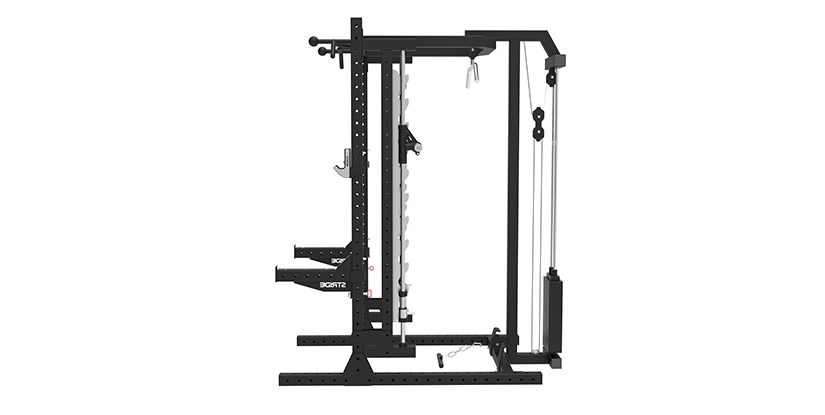
When sourcing high-end strength training equipment, many buyers overlook the critical relationship between the frame architecture and the integrated cable system. A high-quality best power rack with lat pull attachment is only as reliable as the steel supporting it. If the frame lacks sufficient rigidity, the lateral forces generated during heavy lat pulldowns or cable rows can cause micro-oscillations, leading to premature wear or even structural failure.
To ensure long-term ROI, prioritize heavy-duty construction characterized by high-grade steel gauge specifications. In the commercial and premium home gym sectors, we typically recommend 11-gauge steel for the main uprights. This thickness directly dictates the weight capacity and overall structural integrity of the unit. Investing in a thicker gauge prevents the frame from bowing under heavy loads, ensuring that your functional trainer alternatives remain a stable, safe, and durable centerpiece of your facility for years to come.
Deciding on the right configuration requires balancing your facility's footprint against your long-term functional needs. While standalone machines offer high versatility, integrated systems provide superior space efficiency for compact commercial layouts or premium home studios. To help you determine which home gym cable systems align with your business model, we have categorized the most common configurations based on their operational profile.
| Configuration Type | Primary Benefit | Space Impact | Budget vs. Durability | Maintenance Level |
|---|---|---|---|---|
| Integrated Lat Pull Attachment | Maximum space efficiency | Minimal footprint | Lower entry cost; high durability | Low (Standard lubrication) |
| Dual-Stack Functional Trainer Alternatives | High versatility/Full body | Large footprint required | Higher investment; premium build | Moderate (Cable/Pulley checks) |
| Modular Cable Add-ons | Scalable functionality | Flexible/Adjustable | Variable; depends on frame quality | Moderate (Regular tension tuning) |
When evaluating these home gym cable systems, consider that a more complex setup often requires a higher maintenance level to ensure smooth movement. For distributors and gym owners, selecting the best power rack with lat pull integration is a strategic decision between upfront budget vs. durability and the long-term ease of upkeep.
Beyond the initial purchase price, the true long-term value of your equipment is determined by the quality of its moving parts. In this strength training equipment guide, we emphasize that the most significant hidden cost is often the mechanical failure of low-grade pulley systems. While budget-friendly options may seem attractive, they frequently lack the cable pulley stability required for high-frequency commercial or enthusiast use.
A premium investment focuses heavily on the precision of the guide rods and the quality of the bearings. Inferior components often lead to friction-induced wear, necessitating frequent maintenance and costly replacements. By prioritizing a high-quality best power rack with lat pull setup, you ensure smooth, consistent resistance without the jittery motion common in cheaper models. Choosing a unit with reinforced pivot points and high-tensile cables minimizes downtime and maximizes your ROI, protecting your capital from the cycle of constant repairs and premature equipment turnover.
Comparing Functional Trainer Alternatives for Compact Layouts
When designing a high-performance training space, the primary challenge often involves balancing versatility vs. footprint. While high-end cable machines offer extensive movement patterns, they often demand significant floor area and a higher initial capital outlay. For distributors and gym owners looking to maximize square footage without sacrificing utility, exploring functional trainer alternatives is a strategic move to optimize ROI.
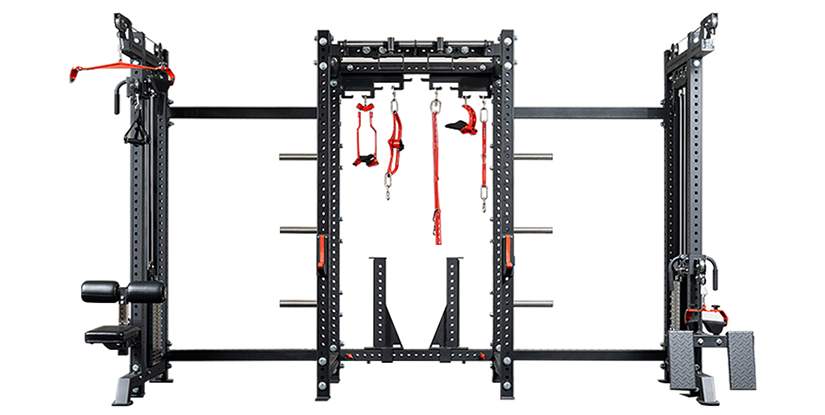
One of the most efficient solutions is investing in the best power rack with lat pull integration. This setup provides the heavy-duty structural integrity required for compound lifting while incorporating a functional cable system. This approach offers a space-saving advantage, consolidating multiple training modalities into a single, durable footprint that serves both strength and hypertrophy needs.
| Equipment Type | Space Requirement | Primary Use Case | Maintenance Level | Long-term ROI |
|---|---|---|---|---|
| Full Functional Trainer | High | Isolation & Mobility | Moderate | Variable |
| Best power rack with lat pull | Low to Moderate | Strength & Functional | Low | High |
| Basic Squat Rack | Minimal | Heavy Compound Lifts | Very Low | Stable |
Choosing between these options depends on your specific facility goals. If your objective is to provide a comprehensive strength training equipment guide compliant experience within a limited area, a multi-functional rack system often yields the best balance of durability and diverse utility.
When evaluating these options, procurement professionals must consider the total cost of ownership beyond the initial purchase price. Integrating home gym cable systems directly into a power rack reduces the number of independent moving parts, which generally leads to lower long-term maintenance requirements compared to standalone dual-stack machines. While a standalone trainer offers more expansive ranges of motion, the best power rack with lat pull configuration delivers a more robust, high-density training solution for facilities where floor space is at a premium.
The following comparison highlights how different configurations impact your facility's operational efficiency and cost-effectiveness:
| Configuration Style | Footprint | Durability Factor | Maintenance Needs | Utility Profile |
|---|---|---|---|---|
| Standalone Cable Machine | Large | Moderate | Regular Lubrication/Adjustments | High-Rep Isolation |
| Best power rack with lat pull | Compact | High (Steel Frame) | Minimal (Integrated System) | Compound & Functional |
| Standard Squat Rack | Smallest | Very High | Negligible | Pure Strength Focus |
For distributors seeking to provide high-value equipment, prioritizing a consolidated system ensures that the home gym cable systems remain functional and reliable under heavy commercial-grade use, providing a superior return on investment through longevity and versatile utility.
Ultimately, the decision to integrate a cable station into a primary lifting frame is a decision regarding investment value. When sourcing equipment, it is essential to look past the sticker price and evaluate the long-term durability of the assembly. A high-quality, integrated unit minimizes the risk of mechanical failure and reduces the logistical burden of managing multiple disparate machines. This consolidated approach ensures that the equipment remains a centerpiece of the facility for years, rather than an outdated or broken peripheral.
By following this strength training equipment guide, buyers can identify setups that offer maximum multi-functional utility without the overhead of extensive specialized machinery. Choosing the best power rack with lat pull configuration allows for a seamless transition between heavy compound movements and functional accessory work. This versatility not only optimizes the user experience but also secures a higher ROI by providing a comprehensive training solution that scales alongside the evolving needs of the end-user.
Smooth Motion: The Mechanics of High-End Home Gym Cable Systems
When evaluating the best power rack with lat pull integration, the primary differentiator between a budget setup and a professional-grade investment lies in the internal mechanics. Low-end home gym cable systems often suffer from high pulley friction, which creates a "jerky" resistance pattern. This inconsistency can disrupt a user's tempo and, more importantly, compromise long-term joint safety during heavy vertical pulls.
To ensure a high return on investment, look for systems engineered with high-grade bearings and precision-machined pulleys. A superior setup maintains constant weight stack stability, ensuring the resistance remains fluid throughout the entire range of motion. While these functional trainer alternatives may carry a higher initial cost, the durability of the high-tensile cables and the seamless smooth motion of the pulley tracks significantly reduce maintenance frequency. For distributors and high-end gym owners, sourcing equipment that prioritizes these mechanical tolerances is essential to avoid the high replacement costs associated with inferior mechanical components.
Selecting the right configuration requires balancing your available footprint against the desired level of training variety. While a basic setup offers simplicity, high-performance environments often demand more sophisticated home gym cable systems to satisfy diverse client needs. To help you determine which setup aligns with your space and budget, we have outlined the primary configurations below.
Comparison of Cable Configurations
| Configuration Type | Dimensions (Space) | Maintenance Level | Versatility | Value for Money |
|---|---|---|---|---|
| Integrated Lat Pull (Part of Power Rack) | Minimal (Compact footprint) | Low | Moderate | High (Best for space-saving) |
| Standalone Functional Trainer | Large (Requires dedicated area) | Moderate | Very High | Premium (High initial investment) |
| Basic Pulley Attachment | Very Low | Low | Limited | Budget-Friendly |
When searching for the best power rack with lat pull capabilities, consider that the integrated model offers the most efficient use of square footage. While functional trainer alternatives provide more complex movement patterns, the integrated system remains a top choice for those seeking a professional-grade strength training equipment guide recommendation that prioritizes both durability and ROI.
Beyond the initial purchase price, savvy buyers must consider the lifecycle costs of their investment. A high-quality, integrated system functions as a long-term asset rather than a depreciating liability. When following a professional strength training equipment guide, it is clear that the long-term durability of the steel frame and the resistance to wear in the cable tracks are the true indicators of value. Lower-cost functional trainer alternatives may appear attractive upfront, but they often lead to increased maintenance demands and premature part failure under heavy usage.
Achieving true cost-efficiency means selecting a unit where the mechanical components—such as the pulleys and cable housings—are built to withstand thousands of repetitions without losing tension or smoothness. For those sourcing equipment for high-traffic or premium home environments, investing in a premium best power rack with lat pull setup ensures that the system remains operational for years. By prioritizing high-grade materials and precision engineering, you mitigate the risk of frequent repairs, ensuring your equipment remains a reliable staple of your fitness regimen for the long haul.
Optimizing the Training Experience for Diverse User Demographics
Selecting the best power rack with lat pull integration depends heavily on the specific operational environment and the intended user base. For residential clients, the primary driver is often space-saving utility; an integrated unit eliminates the need for bulky, standalone functional trainer alternatives, allowing a high-performance setup in a limited footprint. This makes it a high-value long-term investment for home gym enthusiasts seeking professional-grade versatility without the clutter of multiple machines.
For boutique studio owners and small commercial facilities, the value proposition shifts toward ROI and equipment density. Instead of purchasing separate home gym cable systems and heavy-duty racks, a single, cohesive station maximizes floor space while providing a diverse range of movements. From a procurement standpoint, sourcing high-quality integrated racks ensures that the facility can offer a comprehensive strength training experience through a single, durable footprint, effectively increasing the revenue-per-square-foot potential of the gym layout.
To help you determine which configuration offers the highest utility for your specific use case, we have categorized common user profiles. While a best power rack with lat pull setup is highly versatile, the required build quality and footprint vary significantly based on whether the equipment is for personal use or high-traffic commercial environments.
| User Profile | Space Requirements | Maintenance Level | Durability Expectation |
|---|---|---|---|
| Solo Enthusiast | Compact/Residential | Low (Occasional cleaning) | Standard Home/Semi-Pro |
| Personal Trainer | Medium (Studio/Garage) | Moderate (Regular inspection) | High-Frequency/Commercial |
| Small Gym Owner | Large/Optimized Layout | High (Daily/Weekly upkeep) | Heavy-Duty/Full Commercial |
When reviewing this strength training equipment guide, remember that investing in a higher durability tier upfront often yields a better long-term ROI, especially in environments where equipment undergoes constant mechanical stress from multiple users.
Prioritizing Longevity through Build Quality and Maintenance
For distributors and facility managers, the true cost of ownership is dictated by the mechanical integrity of the integrated components. When sourcing the best power rack with lat pull, the build quality of the frame is only half the equation; the precision of the moving parts determines long-term satisfaction. High-grade steel provides the foundation, but the seamless operation of the cable mechanism is what prevents premature wear and user frustration.
A critical factor often overlooked in a standard strength training equipment guide is pulley smoothness. Inferior home gym cable systems often suffer from friction or "stuttering" due to low-quality bearings or poor cable routing. To ensure high uptime and minimal maintenance frequency, prioritize units that utilize high-tensile aircraft cables and precision-engineered pulleys. Robust hardware reduces the need for constant adjustments and prevents the cable fraying common in budget-tier products. By selecting equipment with high-spec mechanical parts, you ensure that the station remains a reliable asset, even under the heavy usage typical of commercial or high-traffic studio environments.
Long-Term Maintenance and Component Longevity
When sourcing high-end strength training equipment, the true cost of ownership is rarely found in the initial purchase price, but in the mechanical endurance of the unit. A premium best power rack with lat pull attachment must be viewed as a long-term capital investment rather than a simple piece of hardware. The primary concern for distributors and gym owners should be the mechanical integrity of the moving parts, as these are the first components to degrade under heavy usage.
A high-quality system prioritizes cable smoothness through the use of high-grade nylon-coated steel and precision-engineered pulleys. Low-tier functional trainer alternatives often suffer from premature pulley wear, leading to jerky movements that compromise user safety. Furthermore, ensuring weight stack stability is critical; a well-engineered guide rod system prevents lateral swaying, which significantly reduces the maintenance frequency required over several years. By investing in a rack with superior internal components, you minimize downtime and ensure the equipment remains a reliable asset in any professional or high-end home setting.
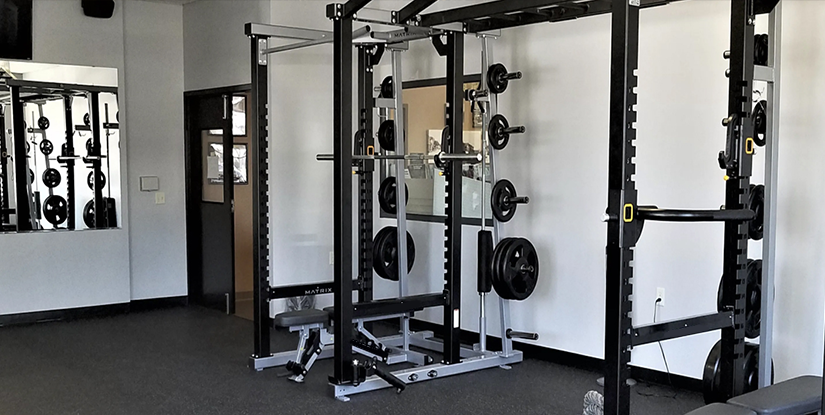
To maximize the ROI on your home gym cable systems, a proactive maintenance schedule is non-negotiable. Neglecting basic upkeep can transform a high-performance station into a liability. We recommend a routine centered on two critical pillars: regular lubrication of the guide rods to prevent friction-induced scoring and frequent cable inspection to identify fraying before a catastrophic failure occurs. While these units are more robust than standard functional trainer alternatives, the mechanical complexity of an integrated lat pull station requires disciplined oversight to ensure smooth, consistent resistance.
Maintenance Difficulty vs. Usage Frequency
The following table helps you categorize the required upkeep based on the expected intensity of the training environment:
| Usage Intensity | Typical Environment | Maintenance Priority | Primary Task |
|---|---|---|---|
| Low (1-2 sessions/week) | Residential/Home Gym | Minimal | Visual cable inspection every 3 months |
| Moderate (Daily use) | Boutique Studio | Moderate | Monthly lubrication of pulleys/rods |
| High (24/7 Operation) | Commercial Gym | High | Bi-weekly check of all moving components |
By implementing these checks, you ensure that your best power rack with lat pull setup remains a durable, high-performing centerpiece of your strength training facility.
Maximizing ROI through Space Efficiency and Longevity
When evaluating a strength training equipment guide, savvy buyers must look beyond the footprint and focus on the long-term value of integrated versus standalone units. Choosing the best power rack with lat pull configuration offers significant space efficiency, consolidating multiple training modalities into a single, streamlined footprint. For commercial distributors and high-end residential clients, this consolidation reduces the total square footage required for a complete workout station, effectively lowering the cost per square foot of your facility.
From a procurement standpoint, the true ROI is realized through the reduction of component replacement costs. While standalone machines may offer a lower entry price, the logistical burden of sourcing, shipping, and installing multiple independent pieces of equipment can be costly. An integrated system, engineered with high-grade steel and standardized parts, minimizes the need for diverse inventory. By opting for a high-quality integrated station, you mitigate the risk of mismatched parts and ensure that your investment remains a cohesive, durable asset that maintains its resale and utility value for years to come.
Vendor due diligence and specification guardrails
When sourcing equipment for high-traffic environments, the primary risk is not just aesthetic failure, but structural fatigue. A high-quality best power rack with lat pull integration must withstand the constant lateral tension generated by cable movements. If the frame lacks sufficient rigidity, the repetitive force from heavy pull-downs can cause micro-shifts in the uprights, compromising the entire unit's structural stability over time.
To ensure long-term durability, professional buyers must prioritize the steel gauge of the uprights. We generally recommend looking for 11-gauge or 7-gauge steel for commercial-grade applications. A thinner gauge may suffice for light residential use, but it will fail to meet the rigorous weight capacity requirements of a serious training facility. When evaluating your suppliers, verify that the integrated cable system is engineered to distribute load across the reinforced frame rather than stressing a single point of contact. This attention to metallurgical specification prevents the mechanical wear often seen in lower-tier functional trainer alternatives.
Evaluating Build Quality vs. Cost-Efficiency
Choosing between a heavy-duty integrated system and more affordable home gym cable systems often comes down to the expected usage frequency and long-term maintenance requirements. While budget-friendly options may serve light residential needs, professional facilities require hardware that maintains precision under heavy tension. To assist in your procurement decision, we have outlined the fundamental differences in build quality and structural intent below.
| Feature Category | High-End Integrated Systems | Standard Functional Trainer Alternatives |
|---|---|---|
| Primary Use Case | Commercial gyms & high-traffic studios | Home gyms & light personal training |
| Structural Rigidity | Reinforced heavy-gauge steel frames | Standard thin-wall steel construction |
| Maintenance Needs | Low; designed for constant heavy loading | Moderate; requires frequent cable checks |
| Mechanical Longevity | High; optimized for repetitive heavy pull-downs | Variable; susceptible to frame fatigue |
When sourcing the best power rack with lat pull functionality, remember that the cheapest upfront cost often leads to higher operational expenses due to premature wear. Investing in superior strength training equipment guide standards ensures your facility remains operational without frequent part replacements.
Beyond the frame, the true test of a premium unit lies in the mechanical assembly. During your procurement process, you must vet the manufacturer's quality control protocols specifically regarding the moving parts. A subpar assembly will lead to jerky, uneven resistance, which can jeopardize user safety and decrease the lifespan of the equipment. We advise scrutinizing the pulley smoothness by requesting technical specifications or video demonstrations of the system under load. High-quality pulleys should feature precision bearings that allow for fluid, uninterrupted movement.
Furthermore, the integrity of the cable itself is a critical variable. Look for high-tensile strength cables with a specialized cable coating, such as nylon or high-density polyethylene, to prevent fraying and internal wire fatigue. Lastly, ensure the weight stack stability is maintained through robust guide rods and high-grade bushings. Following this rigorous strength training equipment guide ensures that the integrated components function as a cohesive, durable system rather than a collection of loosely compatible parts.