Quality Control for Squat Rack and Bench Combo Imports
Deployment Scenarios for High-Traffic Strength Zones
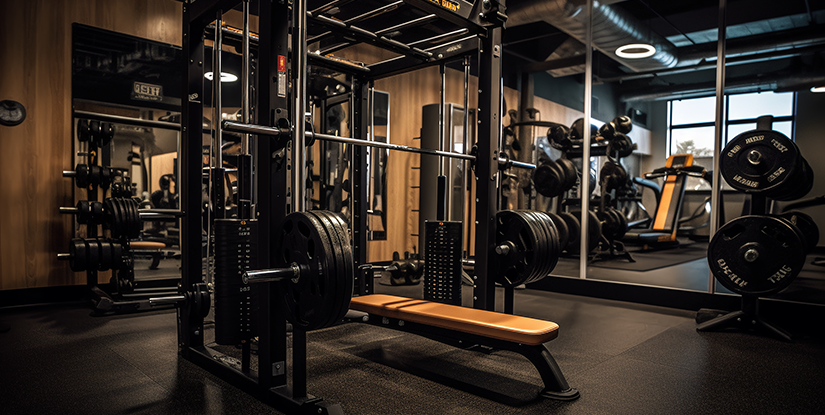
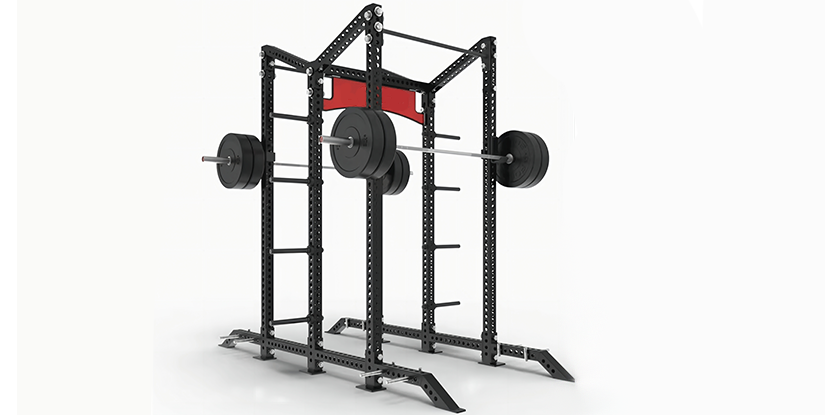
Distributors often fail by sourcing a single specification for all clients, neglecting the massive gap between boutique studio needs and heavy-duty commercial gym environments. A high-quality squat rack and bench combo must be evaluated based on its intended deployment to ensure the structural integrity matches the daily user volume and facility footprint.
Commercial Gyms vs. Boutique Studios
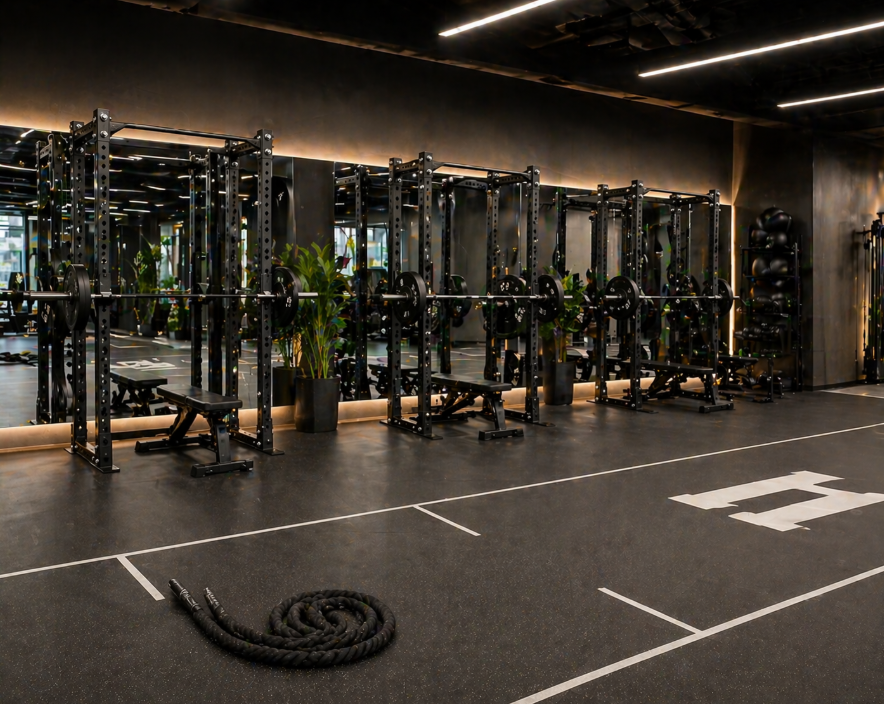
In large-scale commercial gym environments, equipment resides in high-traffic zones where the squat rack and bench combo undergoes constant, heavy-duty cycles. For these facilities, commercial gym equipment inspection must prioritize heavy-gauge steel and reinforced welding to withstand 24/7 usage. Conversely, boutique studios or hotel gyms often prioritize a smaller footprint and aesthetic finish. While durability requirements remain high, the procurement focus shifts toward space optimization and sleek coating, though any lack of rigorous strength training equipment QC can lead to premature wear in even these lighter-use settings.
Selecting the wrong hardware standard for a specific environment leads to high replacement costs and diminished ROI. A distributor must differentiate between heavy-duty structural requirements and aesthetic-driven specifications to match the client's operational model effectively.
| Deployment Environment | Typical Footprint | Maintenance Frequency | Wholesale Fitness Hardware Standards |
|---|---|---|---|
| Commercial Gyms | Large / Multi-Station | High (Weekly/Monthly) | Heavy-gauge steel; high-micron powder coating |
| Boutique Studios | Compact / Optimized | Moderate (Bi-weekly) | Aesthetic finish; ergonomic accessory integration |
| Hotel/Residential | Minimal / Small | Low (Quarterly) | Non-intrusive footprint; lightweight durability |
When sourcing for high-volume commercial hubs, prioritize deep-penetration welding and industrial-grade coating thickness to combat sweat-induced oxidation and mechanical impact. For residential or hospitality-focused orders, the emphasis shifts toward a compact footprint and ease of assembly, though rigorous quality control remains essential to prevent mechanical failure during light-duty use.
Balancing Space Efficiency with Structural Stability
The primary tension in procurement lies in the trade-off between maximizing floor area and ensuring long-term structural stability. While compact designs offer superior space efficiency for urban studios, they often utilize thinner steel profiles or lighter-duty uprights. This creates a significant risk if the unit is deployed in a high-load commercial setting. Effective procurement decision-making requires a strict adherence to strength training equipment QC protocols that verify the gauge of the steel against the intended weight capacity, regardless of the unit's physical footprint.
Buyers must avoid the trap of choosing a lightweight, space-saving model for a high-volume facility simply to lower shipping costs or increase SKU density. A robust squat rack and bench combo must maintain its rigid geometry under dynamic loads; a failure in structural integrity often stems from insufficient bracing or subpar welding in "compact" models. Always verify that space-saving features do not compromise the fundamental load-bearing capacity required for professional-grade strength training.
Structural Integrity and Welding Standards for Heavy-Duty Frames
The long-term viability of a squat rack and bench combo depends entirely on the precision of its primary junctions. For distributors and facility managers, structural integrity is not a luxury but a fundamental safety requirement that dictates the total cost of ownership and equipment lifespan.
Evaluating Welding Quality and Load-Bearing Capacity
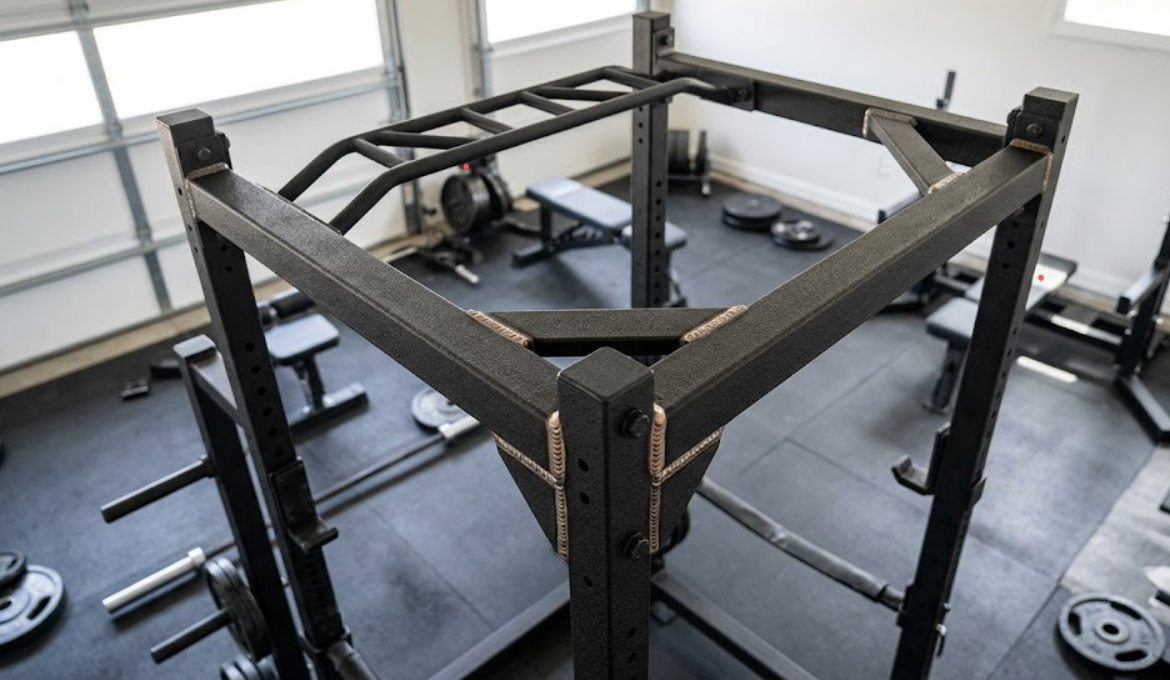
During a professional commercial gym equipment inspection, the focus must remain on the consistency of the weld beads at critical stress points. High-quality heavy-duty frames require full-penetration welds rather than superficial surface beads to ensure maximum load-bearing capacity under heavy barbell oscillations. Weak or porous welds often lead to micro-fractures over time, compromising the unit's stability during high-intensity training. When sourcing, verify that the manufacturer utilizes automated welding processes or rigorous manual oversight to prevent uneven heat distribution, which can weaken the steel's structural properties.
Distinguishing between high-performance hardware and budget-tier alternatives requires a granular understanding of fabrication techniques. While many suppliers offer competitive pricing, the difference in welding methodology and surface treatment directly impacts the unit's resistance to fatigue and environmental oxidation.
Technical Comparison: Welding and Coating Specifications
The following table outlines the typical differentiation between entry-level production and professional-grade manufacturing standards for asquat rack and bench combo. For distributors, these metrics are essential indicators of long-term durability and reliability.
| Feature/Standard | Standard/Budget Tier | Professional/Commercial Tier |
|---|---|---|
| Primary Welding Type | MIG (Metal Inert Gas) | TIG (Tungsten Inert Gas) or Precision MIG |
| Weld Appearance | Variable bead consistency; potential porosity | Uniform, smooth, and high-penetration beads |
| Powder Coating Thickness | 60–80 microns | 100–120+ microns |
| Rust Resistance | Standard surface protection | Enhanced multi-stage anti-corrosion treatment |
| Compliance Focus | Basic structural stability | Strict wholesale fitness hardware standards |
When auditing factory capability, request documentation regarding their powder coating application process. A thicker, more uniform coating not only improves the aesthetic finish but also provides a critical barrier against sweat-induced corrosion and mechanical abrasion in high-traffic commercial environments.
Visual and Physical Inspection Checklist for Container Arrival
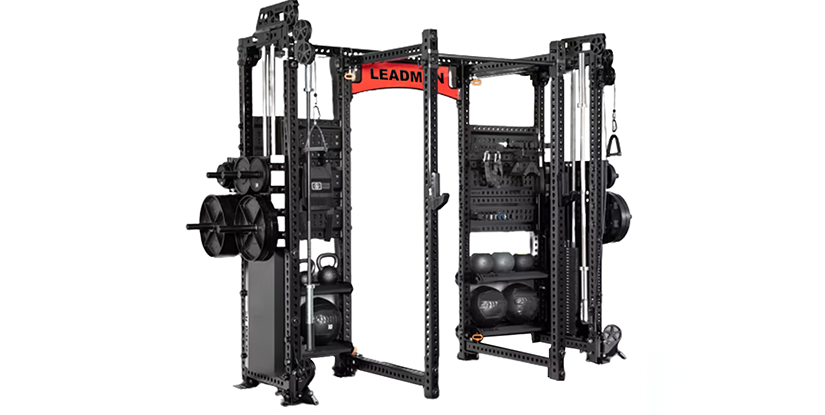
Upon the arrival of a shipment, B2B buyers must transition from theoretical standards to a rigorous visual inspection of the actual inventory. A successful durability audit begins by examining the weld bead consistency across all uprights and crossmembers; look for any signs of spatter, pitting, or unevenness that could indicate a failure in the fabrication process. Even a minor irregularity can become a point of structural failure under heavy load.
Beyond the steel itself, the coating adhesion is a primary indicator of manufacturing quality. Perform a tactile check by lightly scratching non-visible areas to ensure the powder coat is deeply bonded to the substrate and not merely a surface layer. A robust procurement checklist for a squat rack and bench combo should always include a verification of these surface properties, as poor adhesion leads to premature peeling and rust in high-humidity gym settings. By validating these physical attributes during the initial unboxing, distributors can mitigate the risk of costly returns and maintain high service standards for their end-users.
Evaluating Coating Thickness and Surface Resilience
The longevity of a squat rack and bench combo in high-traffic environments depends heavily on the quality of the exterior finish. High-grade powder coating is not merely an aesthetic choice; it serves as a critical barrier against mechanical wear and environmental moisture. For distributors and facility managers, ensuring high surface resilience is vital to preventing premature rust and maintaining a professional appearance.
During a commercial gym equipment inspection, procurement specialists should prioritize units that demonstrate high oxidation resistance. A thin or inconsistent coating will quickly chip under the friction of weight plates or barbell movement, leading to exposed steel and eventual structural degradation. Investing in superior surface treatments reduces the frequency of touch-ups and lowers the long-term Total Cost of Ownership (TCO) by extending the equipment's functional lifecycle.
When sourcing wholesale fitness hardware, the distinction between budget-tier and professional-grade finishes often comes down to the micron thickness and the method of application. While liquid paint may suffice for light-use home setups, commercial environments require specialized coatings that can withstand constant impact and abrasive friction from barbell sleeves.
Use the following comparison to evaluate whether a manufacturer’s coating standard meets the durability requirements for your specific distribution or facility needs:
| Coating Type | Typical Thickness (μm) | Scratch Resistance | Durability Profile |
|---|---|---|---|
| Powder Coating | 80 – 120+ μm | High | Superior; ideal for high-traffic commercial use |
| Liquid Paint | 40 – 60 μm | Moderate | Standard; prone to chipping in heavy-use gyms |
| Electroplating | Varies | Low/Moderate | Specialized; often used for specific component accents |
For a standard squat rack and bench combo, a high-micron powder coating provides the necessary armor to prevent oxidation. During factory audits, request technical data sheets to confirm that the coating thickness is consistent across all weld points and structural junctions, as these are the most common failure points in lower-quality shipments.
Field Testing for Coating Adhesion and Uniformity
Before signing off on a large-scale shipment, distributors should perform a rapid field test to validate the integrity of the finish. A simple scratch test on a non-visible area of the frame can reveal if the coating is brittle or poorly bonded. Use a blunt object or a specialized tool to apply controlled pressure; the coating should not flake or peel away from the steel substrate. If the finish chips easily, it indicates poor moisture resistance and a high risk of oxidation once the unit enters a humid gym environment.
Beyond adhesion, verify surface uniformity by inspecting the frame under bright, direct light. Look for "orange peel" textures, thin spots, or uneven thickness around weld seams. An effective inspection checklist for procurement specialists should include checking for smooth transitions at all structural junctions to ensure that no sharp edges or thin layers remain exposed. This quick assessment is a critical procurement decision point; if the surface lacks uniformity, the shipment may fail to meet the long-term durability standards required for professional strength training equipment.
Mechanical Precision in Bench and Rack Adjustments
The long-term viability of a squat rack and bench combo depends heavily on the tolerance of its moving parts. In high-traffic commercial settings, even slight deviations in mechanical precision can lead to premature failure or user dissatisfaction. Rigorous commercial gym equipment inspection must focus on how adjustment mechanisms respond under load to ensure consistent performance over thousands of cycles.
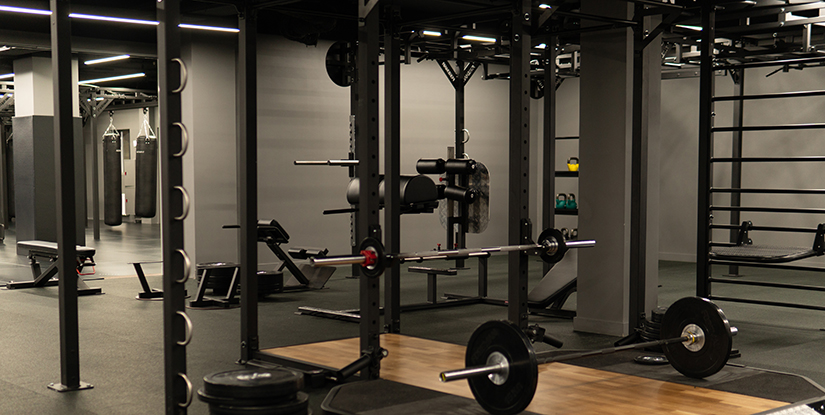
A primary concern for distributors is the adjustment smoothness of the bench incline and the stability of the rack uprights. If the tolerances are too loose, the equipment suffers from excessive vibration and rattling, which accelerates wear and tear prevention failures. High-quality strength training equipment QC protocols should verify that pins, bolts, and sliding tracks maintain tight, seamless contact points to prevent structural play.
| Adjustment Feature | Standard Commercial Grade | Budget/Residential Grade |
|---|---|---|
| Bench Incline Mechanism | Precision notched or hydraulic; high smoothness | Basic pin-drop; prone to "slop" or wobbling |
| Rack Height Increments | Uniform spacing; tight tolerance fit | Variable spacing; potential for uneven loading |
| Long-term Durability | High; minimal maintenance required | Moderate; requires frequent tightening |
When sourcing a squat rack and bench combo, prioritize manufacturers that utilize CNC-machined components for their adjustment hardware. Ensuring that the mechanical interfaces are precision-engineered reduces the total cost of ownership by extending the intervals between required maintenance and part replacements.
To better evaluate factory capability during the procurement process, it is essential to distinguish between different locking technologies. The following comparison outlines how various adjustment systems impact the overall durability and maintenance frequency of the unit.
| Mechanism Type | Technical Characteristic | Typical Maintenance Frequency | Durability Profile |
|---|---|---|---|
| Pop-Pin System | Spring-loaded steel pins | Moderate; requires pin lubrication | High risk of spring fatigue in high-volume gyms |
| Ladder Adjustment | Fixed hole-to-pin interface | Low; primarily bolt tightening | Extremely robust; preferred for heavy-duty loading |
| Telescopic/Slide | Smooth sliding rails | High; requires regular alignment checks | Sensitive to debris and lateral force |
For distributors managing large-scale rollouts, the choice between these systems dictates the long-term service requirements. While telescopic systems offer speed, ladder-style adjustments often provide the highest level of structural integrity for heavy lifting. During strength training equipment QC, inspectors should verify that these mechanisms do not exhibit lateral play or resistance when transitioning between settings, as this is a leading indicator of future component failure.
Structural Integrity: Welding and Coating Standards
Beyond mechanical movement, the foundational durability of a squat rack and bench combo is determined by its metallurgical and surface finishes. Procurement managers must look beyond aesthetic appeal to verify that the unit can withstand the lateral stresses and corrosive environments common in commercial facilities. High-quality wholesale fitness hardware standards dictate that structural points must undergo rigorous testing to ensure they do not become failure points under heavy load.
The first critical checkpoint is welding integrity. In a high-volume gym, the joints between the uprights and the base or bench supports are subject to intense vibration and torque. Inspectors should look for consistent, deep-penetration welds without signs of porosity, undercut, or excessive spatter. A lack of uniform welding often signals poor factory capability, which directly compromises load-bearing stability and increases the risk of catastrophic structural failure during heavy sets.
Secondly, the coating thickness must be evaluated to prevent premature oxidation and surface degradation. A high-grade powder coating serves as more than just a color finish; it is a protective barrier against sweat, moisture, and friction. During commercial gym equipment inspection, use a digital coating thickness gauge to ensure the layer is uniform across all surfaces, including hard-to-reach weld seams. A coating that is too thin will chip easily under barbell impact, while an uneven application can lead to localized rust, reducing the equipment's lifespan and increasing long-term maintenance costs.
B2B Sourcing Tip: When requesting samples or conducting a factory audit, ask for the micron specifications of the powder coating and the specific welding processes used (such as MIG or TIG). Reliable suppliers will provide standardized technical data sheets that confirm their adherence to international structural safety protocols, ensuring your shipment meets the durability expectations of North American distributors.
Export Packaging Protocols for International Shipments
Securing heavy-duty steel components during long-haul maritime transit requires more than standard boxing. For distributors and gym owners, the primary risk involves structural deformation or surface abrasions caused by shifting loads within containers. Implementing specialized protocols ensures that every squat rack and bench combo arrives in factory-fresh condition, ready for immediate installation.
Mitigating Transit Damage via Export-Grade Packaging
High-density steel frames and heavy-duty bench bases create significant kinetic energy during sea freight. To maintain structural integrity, suppliers must utilize export-grade packaging, such as reinforced corrugated cartons and custom-fit edge protectors. Neglecting these standards often leads to costly replacement claims and disrupted facility rollouts. Investing in high-quality palletization and moisture-resistant wrapping is a critical factor in long-term cost-efficiency, as it prevents both mechanical damage and oxidation during transit.
Choosing the right packaging tier involves a strategic trade-off between immediate freight expenditure and the long-term risk of product returns. While standard options may suffice for domestic or short-haul transit, international distributors sourcing a squat rack and bench combo must account for the harsh environments of maritime shipping, including humidity and heavy vibration.
Packaging Tier Comparison for Global Distribution
| Criteria | Standard Export Packaging | Reinforced Export Packaging |
|---|---|---|
| Protection Level | Basic corrugated box with foam inserts | Double-wall heavy-duty carton & custom foam molding |
| Cost Impact | Lower upfront freight/material cost | Higher initial investment per unit |
| Sea Freight Suitability | Moderate; higher risk of moisture/crushing | Optimal for long-distance maritime transit |
| Component Safety | Basic protection for powder coating | Maximum protection for welding & surface finish |
For high-volume wholesale orders, we recommend the reinforced option to mitigate the risk of surface scratches or bent uprights. While the per-unit cost is slightly higher, the reduction in damage-related claims and the ability to maintain strict strength training equipment QC standards often results in a much lower total cost of ownership for the end-user.
Optimizing Total Cost of Ownership Through Packaging Diligence
The true cost of a shipment is rarely found in the initial invoice, but rather in the hidden overhead of damaged goods. When importing a squat rack and bench combo, substandard protection can trigger a cascade of expenses, including secondary freight charges for replacements and labor costs for onsite troubleshooting. A rigorous commercial gym equipment inspection should always include a verification of the protective layers used during transit.
Effective wholesale fitness hardware standards must prioritize the preservation of the powder coating and structural alignment. Minor abrasions or moisture-induced oxidation during sea transit can compromise the aesthetic and functional longevity of the equipment. Furthermore, buyers should evaluate how MOQ considerations influence packaging density; optimized palletization not only protects the coating protection of the steel but also maximizes container utilization, effectively lowering the landed cost per unit. By investing in superior crating and moisture barriers, distributors minimize the risk of inspection failures and ensure a seamless deployment for their clients.
Optimizing Inventory and ROI via Quality Assurance
For distributors, the true cost of a shipment is measured far beyond the initial invoice price. A high-quality squat rack and bench combo serves as a reliable anchor for gym layouts, but any oversight in manufacturing can lead to significant financial leakage through logistics and service costs.
Protecting Margins Through Structural Integrity
Rigorous commercial gym equipment inspection is a direct investment in your bottom line. When a single unit fails due to poor weld penetration or substandard steel gauges, the resulting warranty claim reduction becomes impossible if the defect is systemic. Beyond the immediate cost of a replacement, you face the overhead of reverse logistics and the high cost of shipping heavy steel components back to the warehouse.
By prioritizing structural integrity during the factory QC stage, you optimize the total cost of ownership (TCO). High-standard strength training equipment QC ensures that your inventory remains saleable and durable, preventing the erosion of profit margins caused by frequent technical support interventions and costly field replacements.
When sourcing a squat rack and bench combo, buyers must decide between entry-level commercial grades and high-traffic professional specifications. Selecting the wrong tier can lead to premature wear or structural failure, directly impacting your long-term return on investment.
Tier Comparison: Standard Commercial vs. Premium Heavy-Duty
The following table outlines the technical trade-offs between common wholesale configurations to assist in procurement decision-making based on your specific facility needs or client requirements.
| Technical Specification | Standard Commercial Grade | Premium Heavy-Duty Grade |
|---|---|---|
| Welding Quality | Standard MIG welding; visible beads | Full-penetration CO2/TIG welding; smooth finish |
| Powder Coating Thickness | 60–80 microns; basic durability | 100–120+ microns; high scratch resistance |
| Load-Bearing Stability | Optimized for moderate lifting/boutique use | Reinforced junctions for high-volume training |
| Steel Gauge/Wall Thickness | Typically 11-gauge (approx. 3mm) | Heavy 7-gauge or 10-gauge (3.5mm+) |
| Long-Term ROI Profile | Lower upfront cost; higher maintenance risk | Higher initial investment; minimal downtime |
Choosing the premium tier is often a strategic move for distributors serving high-traffic strength facilities. While the initial unit cost is higher, the reduction in wholesale fitness hardware standards-related disputes and the extended product lifecycle significantly enhance the net profit per shipment.
Logistics Efficiency and Transit Protection
Maximizing ROI requires looking past the factory gate to the final mile of delivery. Even a perfectly manufactured squat rack and bench combo loses value if it arrives with cosmetic or structural defects caused by inadequate transit protection. High-quality packaging durability is a non-negotiable requirement for overseas procurement; reliance on thin cardboard or insufficient bracing often leads to dented uprights or scratched powder coatings during ocean freight.
Effective shipping damage prevention involves multi-layered protection, such as reinforced corner protectors, heavy-duty corrugated boxes, and customized foam inserts for weight-bearing components. For distributors managing high inventory turnover, these measures ensure that goods move from the warehouse to the client floor without costly delays. Furthermore, when calculating MOQ considerations, buyers should account for the volumetric weight of robust packaging. While superior protection might slightly increase shipping dimensions, it ultimately safeguards your margins by reducing the frequency of unsalable returns and the logistical headaches of shipping replacement hardware.