Professional Power Rack | Choosing Professional Power Racks
Aligning Equipment Selection with Facility Traffic and User Demographics
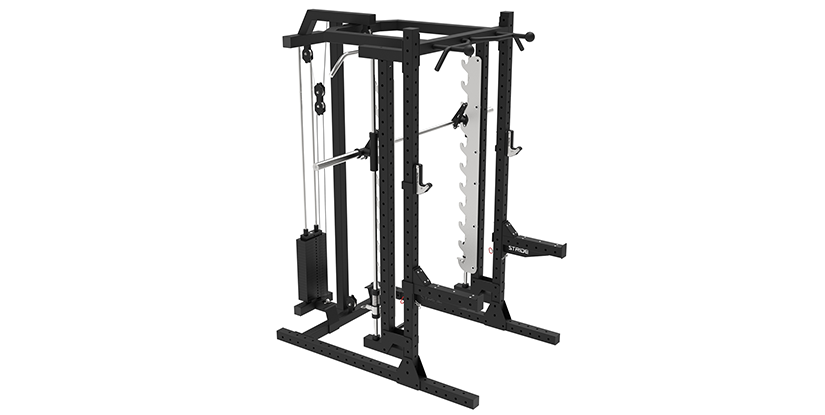
A professional power rack serves as a high-durability structural anchor designed to support heavy compound lifts and diverse training modalities. B2B buyers prioritize these units to ensure long-term ROI, as they must withstand high-frequency usage patterns while maintaining structural integrity under heavy barbell loads.
The procurement decision often hinges on the tension between specialized programming and general utility. For facilities catering to traditional bodybuilding, a rigid, heavy-duty rack optimized for static strength movements is essential. Conversely, boutique studios or high-intensity training centers require functional training setups that allow for multi-planar movement and rapid accessory transitions.
Selecting the right configuration depends heavily on gym programming compatibility. A rack designed solely for heavy squats may lack the attachment points required for dynamic HIIT or CrossFit-style metabolic conditioning. Distributors must evaluate whether their end-users demand a specialized strength station or a versatile rig capable of supporting diverse functional training setups.
| Facility Type | Primary Training Focus | Configuration Priority | Expected Wear Profile |
|---|---|---|---|
| Bodybuilding Gym | Heavy Compound Lifts | High Load Capacity & Stability | Static/Repetitive Loading |
| CrossFit/HIIT Studio | Dynamic/Multi-modal | Attachment Versatility | High Impact/Constant Movement |
| Hotel/Wellness Center | General Fitness | Footprint & Aesthetic Integration | Low to Moderate Frequency |
When calculating the long-term value of your order, space optimization and maintenance frequency are the two most critical variables. A high-density commercial gym requires a layout that maximizes user throughput without sacrificing the structural integrity of the commercial strength equipment. Buyers must weigh the upfront capital expenditure against the total cost of ownership, as a cheaper, less robust unit often leads to higher maintenance costs and premature replacement cycles.
The following framework assists distributors and facility managers in evaluating how different facility models impact the lifecycle and ROI of a professional power rack installation.
| Facility Profile | Space Strategy | Maintenance Frequency | ROI Drivers |
|---|---|---|---|
| Boutique Studios | Compact/Modular | Low (Scheduled) | High turnover/Premium service |
| Commercial Gyms | High-Density/Scalable | High (Daily/Weekly) | User volume/Equipment longevity |
| Training Centers | Specialized/Zoned | Moderate (Impact-based) | Program versatility/Niche utility |
For wholesale buyers, selecting a unit that balances these factors is key to minimizing downtime. While boutique settings may prioritize a smaller footprint, large-scale commercial gyms should focus on heavy-gauge steel and robust welding to ensure the rack remains a reliable asset despite constant heavy-duty use.
Calculating Total Cost of Ownership and Maintenance Cycles
True procurement expertise requires looking beyond the initial invoice to the total cost of ownership (TCO). For high-traffic facilities, the durability of a professional power rack is measured by its ability to resist mechanical fatigue and surface degradation over several years. Relying on low-spec hardware to reduce upfront CAPEX often backfires, as inferior powder coating and thin-gauge steel increase the frequency of repairs and eventual replacement.
To protect long-term ROI, buyers should evaluate the maintenance cycles inherent to different component types. While the structural steel frame typically requires minimal attention, moving parts such as adjustable pin systems, barbell sleeves, and attachment hooks demand periodic inspection and lubrication. In high-output environments, high-traffic durability is a function of both material thickness and the quality of the welding points. We recommend prioritizing high-density steel constructions that can withstand the high-impact nature of daily commercial use without requiring frequent specialized servicing.
Optimizing Functional Training Setups for Diverse Programming
A high-quality professional power rack acts as the structural anchor for modern facility layouts, bridging the gap between traditional heavy lifting and modern functional training setups. For distributors and gym owners, the primary procurement goal is maximizing gym programming compatibility to ensure the equipment serves multiple user demographics without requiring frequent hardware upgrades.
Versatility and Facility Layout Integration
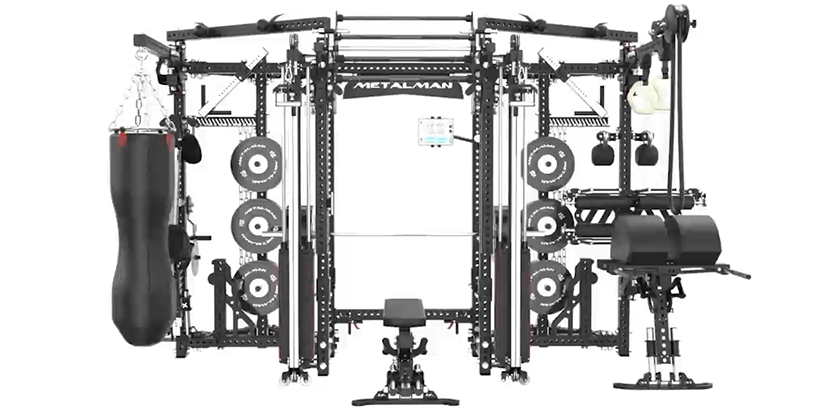
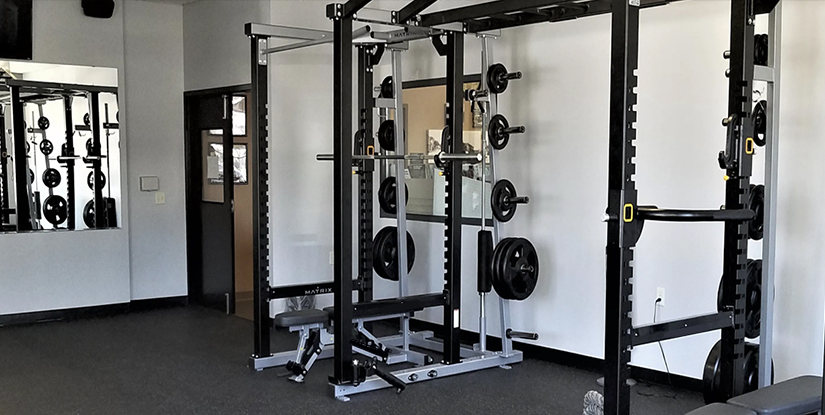
Selecting a versatile unit allows a single footprint to support bodybuilding, powerlifting, and high-intensity interval training (HIIT). When sourcing, consider how the rack accommodates various attachment types—such as dip stations, landmines, or cable pulleys—to increase the total utility of the square footage. A modular approach to equipment selection ensures that as your client's training needs evolve, the core structure remains a functional centerpiece rather than an obsolete obstacle.
| Configuration Type | Primary Programming Use | Attachment Potential | Space Efficiency |
|---|---|---|---|
| Standard Power Rack | Strength & Powerlifting | Low to Moderate | High footprint/High stability |
| Modular Functional Rack | Hybrid/Cross-Training | Very High | Optimized for multi-use |
| Wall-Mounted Rig System | High-Density Training | Moderate | Minimal floor space usage |
Evaluating the long-term ROI of your inventory requires a technical comparison of how different architectures impact operational costs. While a standard rack offers high durability for dedicated strength zones, a modular or integrated system often provides a higher yield in high-traffic commercial settings by serving a broader range of training modalities.
Technical Comparison: Space, Durability, and Maintenance
From a procurement perspective, the choice between a standalone unit and a modular system involves balancing initial capital expenditure against long-term maintenance and space optimization. High-density facilities often favor integrated systems to maximize revenue per square foot, whereas specialized strength centers may prioritize the absolute structural rigidity of traditional commercial strength equipment.
| Metric | Standard Configuration | Modular/Functional Setup | Integrated Rig Systems |
|---|---|---|---|
| Space Optimization | Fixed footprint | Expandable/Adaptive | Maximum density/Minimal floor use |
| Maintenance Frequency | Low (Single unit focus) | Moderate (Attachment checks) | Higher (System-wide calibration) |
| Expected ROI | Stable/Long-term | High (Multi-user appeal) | Rapid (Throughput efficiency) |
| Structural Rigidity | Maximum/Static | High/Variable | Consistent/Distributed |
When sourcing for a distributor or large-scale facility, prioritize steel gauge and welding quality to ensure durability. A more complex modular setup may require more rigorous periodic inspections to maintain safety standards, but the ability to swap components provides a significant advantage in keeping the facility's programming current without a full overhaul.
Accessory Ecosystem and Long-Term Lifecycle Management
A critical component of the procurement decision involves evaluating the accessory ecosystem. A professional power rack should not be viewed as a static piece of commercial strength equipment, but rather as a platform. Buyers must verify attachment compatibility—specifically ensuring that J-hooks, spotter arms, and pulley systems use standardized hole spacing and high-grade mounting hardware to prevent friction-induced wear or compatibility issues during rapid assembly.
To protect your initial investment, establish routine maintenance cycles that address both mechanical and structural integrity. While heavy-duty steel offers high long-term durability, high-traffic environments require periodic checks on bolt tension, lubrication of moving parts, and inspection of attachment points for metal fatigue. Selecting a manufacturer with high quality control standards ensures that replacement parts remain readily available, preventing a single faulty component from rendering an entire functional training station obsolete.
Structural Integrity and Load Capacity for High-Volume Commercial Strength Equipment
The durability of a professional power rack is fundamentally determined by its steel gauge and frame geometry. For facility managers and distributors, selecting the correct thickness is not merely a specification detail but a critical decision regarding the long-term total cost of ownership and safety compliance in high-traffic environments.
Steel Gauge and Structural Stability
In high-volume commercial settings, the distinction between 11-gauge and 7-gauge steel dictates the unit's lifespan and structural stability. While 11-gauge steel is a standard baseline for commercial strength equipment, upgrading to a thicker 7-gauge or 10-gauge frame significantly reduces lateral sway and structural fatigue during heavy compound lifts. For distributors sourcing heavy-duty inventory, prioritizing thicker steel ensures the rack can withstand the constant mechanical stress of multi-user programming without compromising the integrity of the uprights or the precision of the adjustment holes.
Selecting the appropriate configuration requires balancing floor area constraints against the specific training modalities of your facility. A mismatch between your equipment footprint and your programming needs can lead to suboptimal throughput or unnecessary maintenance costs. To maximize your return on investment, you must evaluate how different rack types serve your specific user base.
Configuration Comparison for Facility Planning
| Configuration Type | Typical Footprint | Load Capacity Profile | Programming Compatibility | Maintenance Focus |
|---|---|---|---|---|
| Full Power Rack | Large / Fixed | Maximum / Heavy Compound | Bodybuilding & Powerlifting | Bolt integrity & Rail alignment |
| Half Rack | Medium / Versatile | High / Intermediate-Heavy | Strength Training & General Gym | Upright stability & Hardware checks |
| Functional Rack | Variable / Open | Moderate / Dynamic Loads | CrossFit & Functional Training | Attachment wear & Cable tension |
For distributors and gym owners, the choice often depends on the intended turnover of the space. Full power racks offer the highest durability for specialized strength centers but demand more dedicated square footage. Conversely, functional training setups provide higher versatility for diverse classes but may require more frequent inspections of moving parts and attachment points to ensure long-term reliability.
Optimizing TCO Through Material Quality and Maintenance Cycles
Beyond structural steel, the secondary materials and surface treatments directly impact the total cost of ownership (TCO). High-quality powder coating is non-negotiable for long-term durability; inferior finishes often chip under heavy barbell impact, leading to oxidation and eventual structural compromise. When sourcing for wholesale distribution, verify that the coating is designed for high-impact resistance to minimize aesthetic and functional wear and tear.
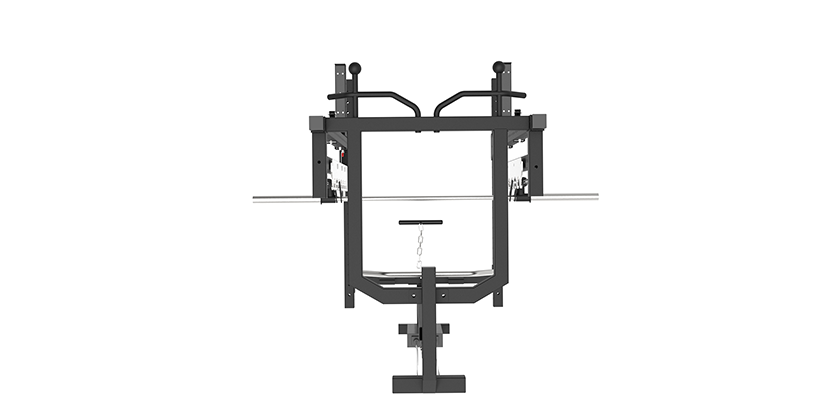
A strategic long-term investment focuses on minimizing maintenance cycles. While heavier-duty professional power racks may have a higher initial procurement cost, their ability to withstand constant mechanical stress reduces the frequency of hardware replacement and upright realignment. For facility managers, selecting equipment with high-grade industrial finishes and robust adjustment mechanisms ensures that the facility layout remains optimized and safe, even as the training intensity and user volume increase over several years of operation.
Maximizing Asset Value Through Modular Ecosystems
A high-quality professional power rack should function as a scalable foundation rather than a static piece of steel. For distributors and facility owners, the true value lies in modularity—the ability to upgrade a single unit to meet evolving consumer demands without replacing the entire chassis.
Investing in commercial strength equipment that supports a wide array of specialized attachments—such as dip stations, landmines, or cable pulley systems—ensures facility versatility. This compatibility allows a single footprint to transition seamlessly between bodybuilding and functional training setups. From a procurement standpoint, prioritizing an open-system design maximizes long-term ROI by extending the equipment's lifecycle and keeping the training environment modern through affordable, incremental upgrades.
Evaluating Attachment Standards and System Compatibility
When sourcing at scale, the technical distinction between standard hole patterns and proprietary accessory ecosystems becomes a critical decision for long-term maintenance and inventory management. A mismatch in compatibility can lead to dead stock or a frustrated end-user base unable to expand their functional training setups.
| Feature/Standard | Standard 2-inch (1-inch) Hole Systems | Proprietary/Specialized Ecosystems |
|---|---|---|
| Accessory Versatility | High; compatible with most universal attachments. | Specialized; requires brand-specific components. |
| Gym Programming | Excellent for traditional strength training. | Optimized for high-intensity functional fitness. |
| Procurement Risk | Low; easy to source third-party upgrades. | Medium; dependent on specific manufacturer supply. |
| Initial Unit Cost | Typically lower per unit. | Higher due to advanced engineering. |
| Weight Capacity | Highly reliable for heavy compound lifts. | Often integrates high-speed movement stability. |
Distributors must weigh the immediate cost benefits of universal hole patterns against the premium positioning of specialized systems. While standard setups offer lower entry costs and easier part replacement, specialized ecosystems can differentiate a facility by offering superior stability during dynamic movements. Consider the target end-user: bodybuilding-focused gyms prioritize heavy-duty J-hooks and spotter arms, whereas boutique studios require more complex, integrated cable and pulley compatibility.
Operational Logistics and Inventory Management
Managing a professional power rack ecosystem requires looking beyond the initial purchase to the long-term logistics of accessory-driven growth. For distributors, one of the primary challenges is balancing inventory depth with shipping costs. Bulky accessories like spotter arms or specialized weight storage racks often present high volumetric weight, complicating freight calculations and increasing the total landed cost. To optimize your supply chain, consider bundling these components with the primary frame to consolidate shipments and reduce individual freight overhead.
Furthermore, procurement strategies must account for inevitable accessory wear and maintenance cycles. High-use connection points, such as J-hooks and safety pins, undergo significant friction and mechanical stress. Maintaining a local stock of high-turnover parts is essential to minimize facility downtime. When seeking custom or branded attachments, be prepared to navigate specific Minimum Order Quantity (MOQ) requirements. While standard parts offer rapid replenishment, custom-engineered attachments often demand higher MOQs, which can tie up working capital. Successful facility managers prioritize equipment with high-durability connection points and a predictable replacement schedule to ensure long-term operational stability.
Sourcing Strategies for Distributors: MOQ and Quality Control Standards
Navigating the procurement landscape requires a strategic balance between inventory depth and capital efficiency. For a distributor, the primary challenge lies in sourcing a professional power rack that offers enough versatility to serve diverse clients—from boutique studios to large-scale fitness centers—without being constrained by prohibitive MOQ requirements or logistical bottlenecks.
Effective facility layout planning often dictates the type of commercial strength equipment a buyer requests. While high-end clubs demand specialized functional training setups with integrated pull-up bars and weight storage, smaller distributors may prioritize modularity to minimize dead stock. When evaluating factory capability, ensure the supplier can maintain rigorous quality control over steel gauge consistency and powder coating durability, as these factors directly impact long-term ROI and your reputation in the North American market.
Technical Specification Comparison for High-Volume Sourcing
To maximize Return on Investment (ROI) and minimize post-sale maintenance claims, procurement managers must look beyond the initial unit price. A lower upfront cost often conceals higher Total Cost of Ownership (TCO) due to premature wear or structural fatigue. Use the following technical benchmarks to differentiate between entry-level commercial models and high-performance professional-grade equipment during your vendor evaluation process.
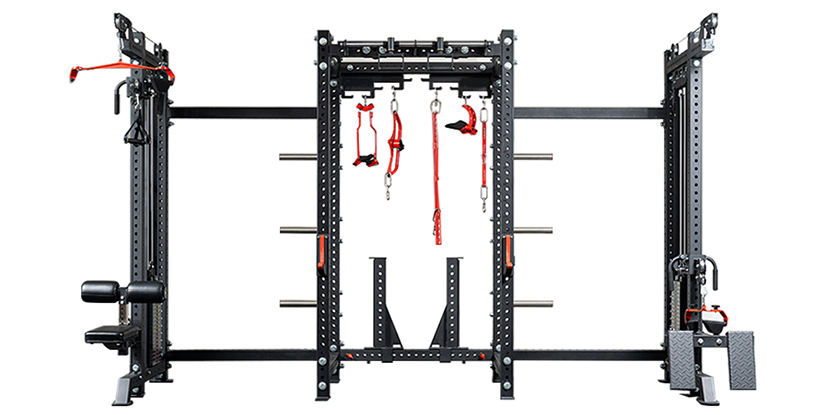
| Technical Metric | Standard Commercial Grade | High-Performance Professional Grade |
|---|---|---|
| Steel Gauge Thickness | 11-gauge (approx. 3mm) | 7-gauge to 11-gauge heavy-duty steel |
| Powder Coating Quality | Standard electrostatic paint | High-durability, scratch-resistant industrial finish |
| Gym Programming Compatibility | Basic lifting focus | Optimized for diverse functional training setups |
| Maintenance Requirements | Moderate (periodic bolt tightening) | Minimal (high-tolerance precision engineering) |
| Typical Use Case | Hotel gyms and local studios | Performance training centers and CrossFit boxes |
When negotiating with manufacturers, verify if the steel gauge is consistent across all uprights and crossmembers. Inconsistent thickness is a common red flag in low-quality batches that can compromise structural integrity during heavy dynamic loading. Selecting a professional power rack with superior coating and thicker steel ensures the equipment withstands high-traffic usage, reducing the frequency of replacement and protecting your distributor margins.
Mitigating Risk in International Logistics and Inspection
Once manufacturing standards are confirmed, the focus must shift to the complexities of international transit. For a bulk order of a professional power rack, the risk of transit-related defects can erode your profit margins through high return rates and client dissatisfaction. Rigorous inspection protocols are non-negotiable during the pre-shipment phase to ensure that structural integrity remains uncompromised from the factory floor to your warehouse.
To safeguard your shipment, implement a multi-stage quality control workflow. First, mandate a full batch inspection that includes checking bolt hole alignment and weld consistency under load-simulated conditions. Second, prioritize shipping damage prevention by requiring heavy-duty, reinforced packaging. For large-scale commercial strength equipment, this typically means using double-walled corrugated boxes, customized foam inserts for high-contact points, and moisture-resistant liners to prevent rust during sea freight. Finally, ensure the manufacturer provides detailed packing lists and high-resolution photos of the palletized goods before the container is sealed, allowing you to verify that every component is accounted for and properly protected.
Logistics and Deployment Planning for Large-Scale Facility Rollouts
Scaling a fitness facility requires more than just ordering high-quality commercial strength equipment; it demands rigorous spatial planning to ensure long-term operational efficiency. When procuring a professional power rack for large-scale deployments, the primary concern shifts from individual unit specs to how the equipment integrates into the total facility layout.
A critical oversight in procurement is failing to account for the total footprint, which includes more than just the static dimensions of the steel frame. To maintain safety standards and gym programming compatibility, buyers must factor in clearance requirements for barbell oscillation, plate loading, and user movement. For functional training setups, this involves leaving adequate buffer zones for accessory attachments and lateral weight plate movement. Failure to plan for these clearance zones can lead to bottlenecked traffic flows and increased maintenance needs due to equipment collisions in high-traffic zones.
When evaluating procurement models, decision-makers must weigh the immediate capital expenditure of single units against the long-term flexibility of modular systems. While a single, standalone unit may offer lower initial shipping costs and simpler assembly, modular configurations provide superior scalability for expanding facilities and evolving training environments.
| Evaluation Metric | Single Unit Deployment | Modular System Integration |
|---|---|---|
| Space Utilization | Fixed footprint; rigid layout | Highly adaptable; expandable footprint |
| Maintenance Frequency | Standard inspection cycles | Higher due to potential connection points |
| Gym Programming Compatibility | Specific to one function | High; supports diverse functional training |
| Long-term ROI | Lower initial cost; limited growth | Higher initial cost; better scalability |
For distributors and large-scale gym operators, modularity often yields a higher return on investment by allowing for incremental upgrades without replacing entire structures. Choosing a modular approach ensures that your facility can transition seamlessly between traditional bodybuilding and high-intensity functional training setups as market demands shift.
Optimizing Global Sourcing: MOQ, QC, and Distribution Logistics
Successful bulk procurement of a professional power rack depends heavily on the supplier's readiness to handle complex international shipping and strict quality control. For distributors, understanding the relationship between Minimum Order Quantity (MOQ) and shipping logistics is essential to maintaining healthy inventory turnover and minimizing landed costs.
When sourcing at scale, the complexity of assembly and the frequency of maintenance cycles directly impact your total cost of ownership. High-volume orders require a supplier with robust QC standards to ensure that every bolt, upright, and attachment meets commercial-grade durability requirements before leaving the factory. A well-coordinated deployment plan should account for assembly complexity; modular or heavy-duty steel structures often require specialized tools or professional onsite installation to prevent structural instability. By vetting a manufacturer’s ability to provide detailed assembly guides and ensuring their shipping crates are designed for long-haul stability, buyers can mitigate the risks of transit damage and reduce onsite downtime during facility rollouts.