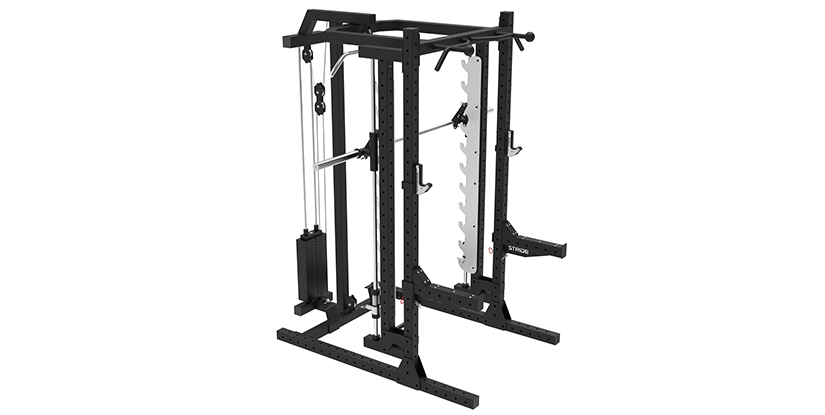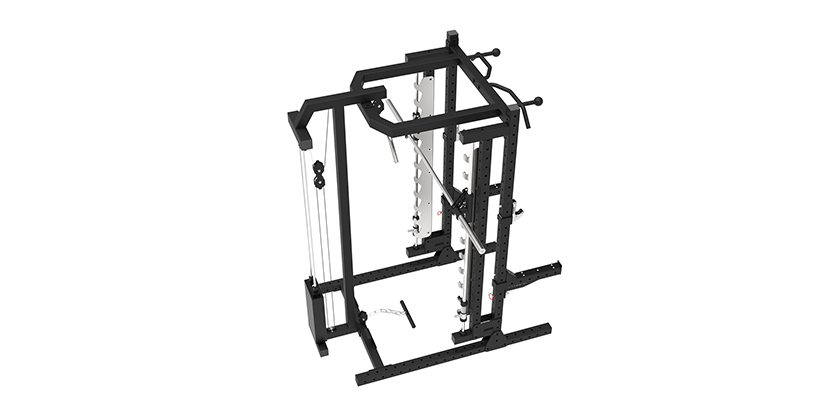
Jacked Up Fitness Power Rack: Program and Attachment Fit
Supplier Qualification and Quality Control for High-End Strength Racks
When sourcing a jacked up fitness power rack for professional distribution, procurement managers must evaluate three critical checkpoints: the structural risk of material fatigue, the precision of technical specifications against programming needs, and the logistical reliability of heavy-gauge steel shipments. A failure to verify these elements often results in high replacement costs and diminished facility trust.
Structural Integrity and Load-Bearing Capacity
Reliable commercial strength training equipment requires more than just heavy steel; it demands rigorous adherence to welding standards and high-grade metallurgy. In high-traffic gym settings, the jacked up fitness power rack undergoes constant mechanical stress from heavy barbell drops and repetitive accessory shifts. To ensure long-term structural integrity, distributors should prioritize manufacturers that utilize heavy-gauge steel and precision robotic welding to maintain a consistent load-bearing capacity. This level of quality control prevents frame warping and ensures the unit remains a safe, stable centerpiece for intensive strength programming over years of heavy use.
Evaluating the manufacturing depth of a supplier requires a shift from aesthetic inspection to technical verification. For distributors, the difference between a high-performing unit and a liability lies in the microscopic quality of the finish and the precision of the steel geometry. A lack of standardization in these areas directly impacts the long-term Total Cost of Ownership (TCO) by increasing maintenance frequency and reducing the lifespan of compatible attachments.
Technical Specifications and Manufacturing Benchmarks
A professional-grade setup must accommodate a wide range of gym programming equipment needs without compromising the frame's stability. When vetting factory capabilities, use the following benchmarks to differentiate between entry-level production and high-end commercial manufacturing.
| Quality Indicator | Standard Commercial Grade | High-End Professional Grade |
|---|---|---|
| Steel Gauge Thickness | 11-gauge (approx. 3mm) | 7-gauge to 11-gauge reinforced steel |
| Powder Coating Quality | Standard electrostatic paint | Multi-layer, anti-corrosion textured finish |
| Weld Precision | Manual MIG welding | Robotic precision welding for uniform joints |
| Accessory Compatibility | Limited standard holes | High-precision CNC-drilled patterns |
| Maintenance Cycle | Annual bolt tightening | Bi-annual structural inspection |
Optimizing for TCO involves selecting a rack with high power rack accessory compatibility. A precision-drilled frame ensures that specialized attachments—such as dip stations or landmines—fit securely without wobbling. For large-scale facility rollouts, prioritizing these technical nuances reduces the frequency of replacement parts and extends the operational lifecycle of the equipment.
Vetting Logistics and Manufacturing Consistency
To mitigate the risk of receiving defective batches, procurement teams must look beyond the product spec sheet and investigate the manufacturer's operational scale. A high-performing factory should demonstrate sophisticated facility layout optimization, ensuring that production lines for heavy steel frames do not compromise the precision required for power rack accessory compatibility. When negotiating MOQ, ask specifically about their batch consistency protocols; a manufacturer that relies on manual oversight rather than automated quality checkpoints is prone to dimensional variances that render attachments unusable.
Furthermore, professional supplier qualification must include a review of inspection protocols and shipping durability. Heavy-duty steel components are susceptible to transit-induced stress. Ensure your supplier utilizes reinforced packaging and provides documentation for load-testing. A robust inspection protocol—including pre-shipment checks for weld uniformity and hole alignment—is non-negotiable for maintaining a high standard of commercial strength training equipment across international borders.
Verifying Structural Integrity and Accessory Compatibility Standards
Ensuring the long-term viability of a jacked up fitness power rack requires more than just initial installation; it demands a rigorous approach to structural verification. For high-traffic commercial strength training equipment, maintaining the physical stability of the uprights and crossmembers is essential to prevent mechanical fatigue and ensure user safety.
Routine Inspection and Maintenance Cycles
Distributors and facility managers should implement standardized maintenance cycles to audit the structural integrity of their heavy-duty hardware. In high-volume environments, constant load shifts and accessory swaps can loosen connection points or degrade powder coatings. Regular checks of bolt torque, weld points, and upright alignment are necessary to comply with international facility safety standards and mitigate liability risks.
| Inspection Focus | Frequency (High-Traffic) | Primary Objective |
|---|---|---|
| Connection Hardware | Quarterly | Verify bolt torque and prevent vibration loosening |
| Upright & Base Alignment | Bi-Annually | Check for structural shifts or leveling issues |
| Accessory Attachment Points | Monthly | Ensure compatibility and wear-free mounting |
When sourcing for large-scale deployments, procurement specialists must prioritize units that allow for easy component replacement. A well-maintained rack system reduces the total cost of ownership by extending the lifecycle of the jacked up fitness power rack through predictable, scheduled upkeep rather than reactive, costly repairs.
Standardizing Hole Spacing and Beam Thickness
To optimize long-term utility, procurement teams must evaluate the technical specifications of the uprights before finalizing a bulk order. Discrepancies in hole spacing or beam dimensions can lead to a mismatch between the rack and high-demand attachments. For example, a 1-inch hole spacing is standard for many premium accessories, but failing to verify this against the specific gym programming equipment needs of your clients can result in unusable inventory. Furthermore, the gauge of the steel and the thickness of the beam dictate the rack's ability to handle lateral loads from heavy pull-up bars or dip stations.
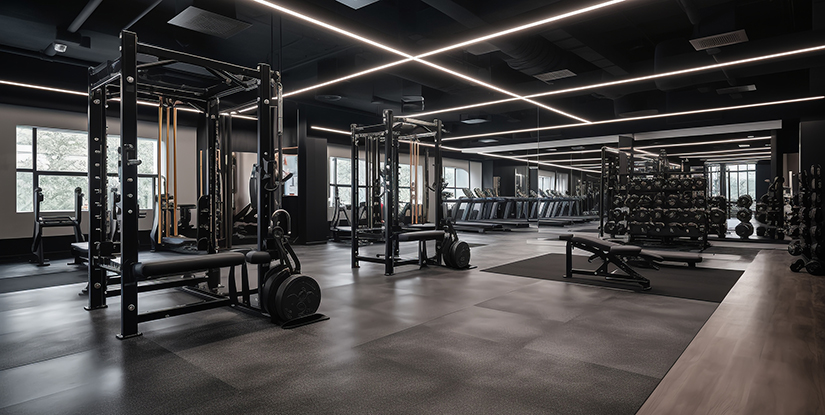
Understanding power rack accessory compatibility involves a technical comparison of these physical dimensions. A mismatch in beam thickness or hole patterns often leads to increased wear on the J-hooks and safety pins, eventually compromising the structural integrity of the entire setup. The following table provides a baseline for comparing common commercial configurations to ensure your stock meets diverse training requirements.
| Specification Feature | Standard Commercial Grade | High-Performance / Heavy Duty |
|---|---|---|
| Hole Spacing (Standard) | 1 inch (25.4 mm) | Variable (often 2-inch or 1-inch spacing) |
| Upright Beam Thickness | 3x3 inch (75x75 mm) | 4x4 inch (100x100 mm) |
| Accessory Compatibility | Standard J-Hooks & Spotter Arms | Specialized Dip Bars & Landmines |
| Steel Gauge (Typical) | 11-gauge (approx. 3mm) | 7-gauge to 10-gauge (heavy duty) |
When managing diverse gym programming equipment needs, selecting a versatile configuration ensures that your facility or distribution stock remains compatible with the latest strength training innovations. A standardized approach to these technical specs minimizes the risk of purchasing incompatible accessories that cannot be utilized by end-users.
Quality Control and Logistics Oversight
For distributors and international buyers, the risk profile of a jacked up fitness power rack extends beyond the gym floor to the shipping container. Logistics-related damage, such as micro-fractures in the steel or compromised welding due to improper palletizing, can undermine the structural integrity of the entire unit before it even reaches the facility. Rigorous quality control (QC) must begin at the factory level, ensuring that the coating integrity of the powder finish remains intact during long-haul transit to prevent premature oxidation or rust in humid commercial environments.
Beyond physical durability, procurement teams must account for the gradual effects of wear and tear in high-use settings. A common oversight in large-scale sourcing is neglecting the long-term stability of hardware under constant vibration. To maintain high standards, implement a strict inspection protocol that targets three specific areas of degradation:
- Surface and Coating: Inspect for scratches or chipping in the finish that could lead to corrosion or interference with accessory movement.
- Mechanical Fasteners: Periodically audit bolt tension to ensure that heavy lifting and accessory swaps have not compromised the tightness of the frame connections.
- Load-Bearing Points: Examine attachment holes and safety pin tracks for signs of metal fatigue or elongation caused by repetitive high-impact loading.
By prioritizing these technical oversight steps, distributors can offer a more reliable product that meets the strict durability expectations of professional strength training facilities.
Aligning Rack Specifications with Diverse Training Programs
Selecting a jacked up fitness power rack requires balancing immediate capital expenditure against long-term programming versatility. For distributors and facility owners, the goal is to secure commercial strength training equipment that accommodates shifting user demands without requiring frequent structural upgrades or hardware replacements.
The relationship between rack dimensions and facility layout dictates the long-term asset value of your procurement. A rack optimized solely for heavy powerlifting may lack the modularity needed for functional hypertrophy or accessory-driven training, potentially limiting your facility's revenue-generating capacity as programming trends evolve.
| Configuration Focus | Primary Programming Type | Accessory Compatibility | Long-Term ROI Profile |
|---|---|---|---|
| Standard Heavy-Duty | Powerlifting / Strength | Limited (Hooks/Safety Only) | High durability; low versatility |
| Modular Functional | Cross-Training / HIIT | High (Dip Bars/Cable/Lat Pulldown) | Moderate durability; high adaptability |
| Hybrid Multi-Purpose | Mixed Commercial Use | Extensive (Band Pegs/Dip/Pull-up) | Balanced maintenance and utility |
When evaluating jacked up fitness power rack options, consider the total cost of ownership. Investing in a platform with high power rack accessory compatibility ensures that your facility can introduce new training modules—such as cable attachments or specialized pull-up bars—without the cost of replacing the entire structural unit.
Procurement managers must differentiate between static structural rigidity and modular adaptability. While a heavy-duty frame is essential for high-load strength training, the true value of a premium unit lies in its ability to support diverse training modalities through compatible attachments. This prevents the equipment from becoming obsolete as gym programming shifts from traditional lifting to more functional, accessory-driven workflows.
| Programming Intent | Typical Dimensions | Accessory Compatibility | Typical Use Case |
|---|---|---|---|
| Powerlifting | Large Footprint | J-Cups, Safety Spotters | Competitive Strength Gyms |
| CrossFit / Functional | Compact to Medium | Rigging, Bands, Rings | Boutique Studios / HIIT |
| General Strength | Standardized | Dip Stations, Cable Attachments | Commercial Health Clubs |
From a sourcing perspective, verifying the hole spacing and gauge thickness is critical for ensuring long-term gym programming equipment needs are met. A unit designed for general strength might lack the specialized mounting points required for high-intensity functional training, which can lead to higher replacement costs or limited service offerings in the future.
Optimizing Inventory and Scaling Capacity
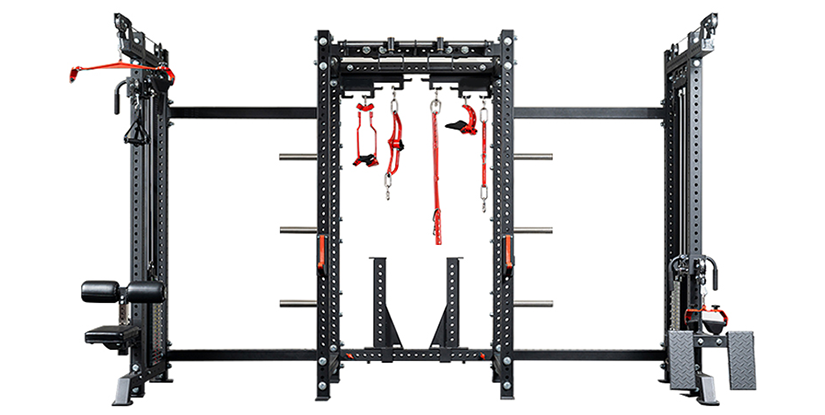
For distributors and wholesale buyers, the logistical complexity of managing power rack accessory compatibility directly affects long-term profitability. Relying on a rigid, non-modular system often leads to inefficient inventory management, as specialized parts for niche programming may require high MOQs or long lead times. By prioritizing modularity in your initial procurement, you can scale capacity by offering tiered accessory kits rather than entirely new structural units.
Furthermore, standardized hole spacing and universal attachment points significantly reduce long-term maintenance costs. In high-traffic commercial settings, the ability to swap or upgrade components without full unit replacement prevents operational downtime. Selecting a versatile platform ensures that your stock remains relevant across various market segments, allowing you to adapt to evolving gym programming equipment needs with minimal capital reinvestment.
Structural Integrity and Attachment Versatility
For facility owners and distributors, the value of a jacked up fitness power rack is measured by its ability to withstand relentless, high-frequency usage without compromising safety. In a high-traffic commercial strength training equipment environment, structural stability is the non-negotiable foundation that prevents frame deflection and ensures long-term facility longevity.
Beyond basic load capacity, the true utility of a professional rack lies in its compatibility with a diverse ecosystem of accessories. A robust frame must support various attachment points—such as dip stations, landmines, or cable pulleys—without losing rigidity. When sourcing for large-scale gym installations, prioritizing a design that accommodates multiple programming needs ensures the equipment remains a versatile asset rather than a static piece of steel. This adaptability reduces the total cost of ownership by allowing the gym to evolve with changing fitness trends without requiring full hardware replacements.
Evaluating Attachment Impact on Maintenance and ROI
Selecting a configuration requires a technical understanding of how different attachment types influence maintenance cycles and long-term durability. While versatile accessories increase the utility of the rack, they also introduce specific wear points that distributors and facility managers must account for during procurement and quality control inspections.
| Attachment Type | Primary Stress Factor | Maintenance Profile | Programming Utility |
|---|---|---|---|
| Dip Bars | Lateral Torque | Periodic bolt tightening | High-intensity calisthenics |
| Landmines | Rotational Friction | Lubrication of pivot points | Functional & dynamic loading |
| Pull-up Bars | Vertical Tension | Grip surface inspection | Bodyweight & mobility |
When calculating ROI, buyers should consider the power rack accessory compatibility against the intended gym programming equipment needs. For instance, high-torque attachments like landmines or heavy-duty dip stations require high-grade steel thickness to prevent frame warping over time. For distributors, sourcing racks with standardized hole spacing and reinforced mounting points ensures that end-users can upgrade their setups without encountering compatibility issues or premature structural fatigue.
Strategic B2B sourcing requires looking beyond the initial purchase price to evaluate the total cost of ownership (TCO) over a five-to-ten-year lifecycle. In demanding commercial gym settings, the most significant expense often stems from premature wear and tear at connection points or structural fatigue caused by non-standardized attachments. To mitigate these risks, procurement managers should prioritize equipment that utilizes high-grade steel gauges and precision-engineered mounting interfaces. Selecting a jacked up fitness power rack with standardized, reinforced hole patterns ensures that even as users swap out accessories for different training cycles, the integrity of the core frame remains intact, protecting both the client's investment and the facility's safety reputation.
Managing Warranty Claims and Post-Purchase Support Protocols
Distinguishing between structural integrity and consumable components is vital for long-term asset management. When sourcing a jacked up fitness power rack, buyers must differentiate between the structural warranty covering the steel frame and the expected wear and tear on moving parts or attachment interfaces.
Standard commercial strength training equipment protocols typically separate these categories to manage liability and maintenance cycles. While the primary uprights and crossmembers are built for decades of heavy use, accessory compatibility and high-friction points require different oversight.
| Component Type | Typical Coverage Scope | Maintenance Focus |
|---|---|---|
| Main Frame & Uprights | Structural Integrity/Weld Strength | Bolt tightness and alignment |
| Moving Attachments | Wear and Tear (Limited) | Lubrication and pin fitment |
| Finish & Coating | Surface Durability | Cleaning and oxidation prevention |
Establishing strict maintenance protocols ensures that hardware adjustments do not void manufacturer guarantees. For distributors and facility managers, understanding these boundaries prevents unnecessary warranty disputes and optimizes the total cost of ownership.
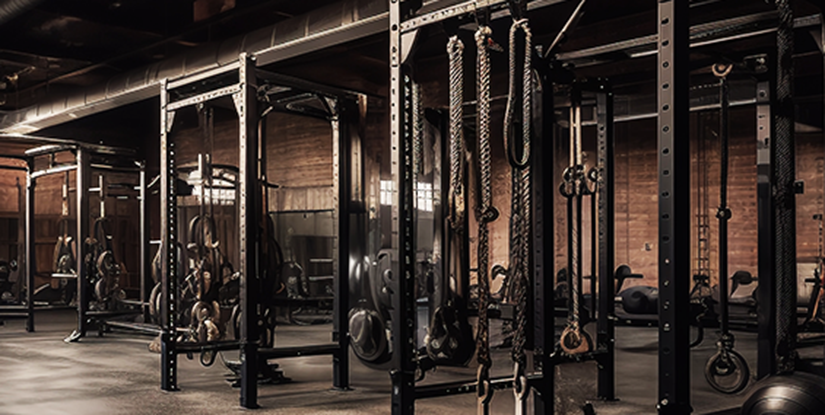
Detailed Component Lifecycle Comparison
For procurement managers, understanding the divergence in service life between the core structure and modular additions is essential for budgeting long-term capital expenditures. The following breakdown illustrates how different elements of a high-performance setup respond to continuous commercial use cycles.
| Component Category | Structural Elements | Modular Accessories | Upholstery & Pads |
|---|---|---|---|
| Primary Focus | Steel Uprights & Base | J-Hooks & Dip Stations | Bench Pads & Rollers |
| Expected Service Life | 15+ Years | 5–8 Years | 3–5 Years |
| Failure Mode | Structural Deflection | Mechanical Friction | Material Fatigue |
| Maintenance Need | Minimal (Annual Check) | Moderate (Regular Lubrication) | High (Surface Inspection) |
When evaluating power rack accessory compatibility, remember that while the frame remains a fixed asset, modular parts are subject to higher turnover. We recommend distributors maintain a buffer of replacement parts to ensure facility downtime remains minimal during peak programming shifts.
Proactive Maintenance for Long-Term Asset Protection
To maximize the lifespan of a jacked up fitness power rack, facility managers must implement a rigorous preventative maintenance schedule. In high-traffic commercial gym settings, the constant vibration from heavy lifting and frequent accessory swaps can lead to gradual loosening of hardware. We suggest a quarterly inspection frequency to perform thorough bolt tightening across all structural junctions and attachment points. This ensures the frame remains plumb and prevents uneven stress distribution that could lead to long-term structural fatigue.
Beyond structural stability, moving parts such as adjustable pins and sliding mechanisms require periodic lubrication to maintain smooth operation and prevent metal-on-metal grinding. Neglecting these small details can significantly increase the total cost of ownership (TCO) through premature component failure and increased replacement frequency. By prioritizing these routine checks, procurement teams protect their capital investment and ensure the equipment remains compliant with safety standards for years to come.
Logistics Optimization: Packaging and Landed Cost Realities
Managing the procurement of a jacked up fitness power rack requires a nuanced understanding of how physical dimensions translate into landed costs. Unlike smaller strength items, these heavy-duty structures present unique challenges in freight logistics, where the distinction between a single unit and a bulk distributor order significantly impacts your bottom line.
Shipping Volume vs. Dimensional Weight
When sourcing commercial strength training equipment, buyers must account for the high shipping volume inherent in heavy steel frames. Because these units are often shipped in oversized crates to prevent structural deformation, the dimensional weight frequently exceeds the actual weight. For distributors, optimizing container utilization through coordinated MOQ planning is essential. Shipping individual units via LTL (Less Than Truckload) can be cost-prohibitive due to these volumetric factors, whereas consolidated sea freight for full container loads provides a much more scalable solution for large-scale gym installations.
To maintain a competitive edge, procurement managers must balance speed against the total cost of ownership. Selecting the right transport mode depends on whether you are fulfilling a single boutique studio order or stocking a distribution center for a regional rollout.
Freight Mode Comparison and Cost Drivers
| Shipping Method | Speed & Lead Time | Cost Impact | Best Use Case |
|---|---|---|---|
| Air Freight | Rapid (Days) | Extremely High | Emergency replacement parts or urgent single-unit prototypes |
| LCL (Less than Container Load) | Moderate (Weeks) | Medium | Small boutique gym orders or testing new accessory lines |
| Sea Freight (FCL) | Slow (Months) | Lowest | Bulk distributor inventory and large-scale commercial facility builds |
Beyond basic freight, true landed cost optimization involves accounting for customs duties, specialized warehousing, and local drayage. For distributors, increasing the MOQ to achieve full container loads significantly lowers the per-unit cost, though it necessitates higher upfront capital and larger storage footprints. When calculating the budget for a jacked up fitness power rack installation, always include a buffer for port handling fees and local heavy-lift delivery requirements to avoid unexpected margin erosion.
Mitigating Risk Through Rigorous Quality Control
High-volume shipments of heavy steel components carry inherent risks of transit-induced damage. To protect your margins, verify that the manufacturer possesses the factory capability to execute a strict pre-shipment inspection. This process should confirm that every weld, coating finish, and hole alignment meets strict commercial gym programming equipment needs before leaving the floor.
Effective damage prevention relies heavily on packaging durability. For a jacked up fitness power rack, standard corrugated boxes are insufficient. Demand reinforced heavy-duty cartons or custom wooden crates designed to withstand the rigors of ocean freight and multiple handling points. High-quality structural components must be secured with industrial-grade foam padding and edge protectors to prevent metal-on-metal friction, ensuring that the equipment arrives ready for immediate professional installation without costly returns or replacement delays.