How to Source a Good Power Rack for Commercial Gyms
Optimizing Distributor Margins Through High-Demand SKU Selection
Successful procurement requires balancing upfront acquisition costs against long-term marketability and fulfillment reliability. To maintain healthy distributor margins, buyers must evaluate the interplay between shipping volumes, product specifications, and the actual replacement cycles of commercial strength training equipment. A high-quality selection strategy focuses on minimizing returns and technical support requests rather than simply chasing the lowest possible unit price.
For wholesalers, a good power rack is defined by its ability to serve as a high-demand SKU that builds brand trust. While budget-tier models may offer attractive entry points, they often lead to increased overhead through warranty claims and negative feedback. Instead, prioritizing structural integrity and standardizing attachment compatibility ensures your inventory remains relevant to both boutique studios and large-scale commercial facilities. Investing in reliable, high-spec inventory allows distributors to command premium pricing and maintain a consistent turnover rate in competitive North American markets.
A strategic cost-benefit analysis involves more than comparing unit costs; it requires understanding the target market's specific density and durability requirements. When conducting heavy duty squat rack sourcing, distributors must decide whether to stock high-volume, lower-margin units for the growing home-gym segment or high-spec, high-margin units for professional training facilities. The following comparison illustrates how different configurations impact both your initial procurement budget and the long-term ROI for your end users.
| Configuration Tier | Build Quality & Steel Gauge | Typical Load Capacity | Primary Target Market | Margin Potential |
|---|---|---|---|---|
| Standard (Entry-Level) | 14-gauge steel; lighter uprights | 300–500 lbs | Home gyms & Small Studios | High volume / Low margin |
| Semi-Commercial | 11-gauge steel; reinforced joints | 600–800 lbs | Boutique Fitness & Hotel Gyms | Moderate volume / Mid margin |
| Full Commercial | 7-gauge or 11-gauge heavy-duty steel | 1,000+ lbs | Professional Strength Clubs | Low volume / High margin |
Selecting the right tier depends on your distribution model. While standard racks offer faster turnover due to lower price points, full commercial units provide greater stability in your product portfolio. For distributors aiming for long-term contracts with large-scale gym chains, prioritizing high-spec equipment with rigorous gym equipment quality inspection standards is the most effective way to reduce the total cost of ownership and build a reputation for reliability.
Mitigating Procurement Risk and Controlling Total Cost of Ownership
To protect your bottom line, procurement strategies must move beyond the initial purchase order. A low unit price is often offset by hidden costs if the factory capability is insufficient or if logistics are poorly managed. Effective sourcing requires a deep dive into the manufacturer's operational scale and their ability to maintain strict quality control throughout the production cycle.
When negotiating orders, clarify the Minimum Order Quantity (MOQ) relative to your warehousing capacity and the manufacturer's production capacity. High-volume orders may lower the per-unit cost, but they also increase the risk of transit damage if the shipping efficiency and packaging standards are not optimized for international freight. To avoid costly returns and assembly issues, implement a rigorous gym equipment quality inspection protocol. This should include verifying steel gauge consistency, weld strength, and finish durability before the goods leave the factory floor. By prioritizing these oversight steps, you reduce the total cost of ownership (TCO), ensuring that the savings found during heavy duty squat rack sourcing are not lost to high freight claims or post-delivery technical failures.
Evaluating Structural Integrity and Load Capacity Standards
A good power rack must serve as the backbone of a high-performance training zone. Unlike residential models designed for light use, commercial strength training equipment is engineered to withstand constant mechanical stress and heavy weight shifts in high-traffic environments. For procurement managers, prioritizing structural stability is not just about safety; it is about protecting the long-term ROI of the facility.
The primary differentiator in durability lies in the steel gauge and the welding density of the frame. A professional-grade unit typically utilizes 11-gauge or 12-gauge steel to ensure the uprights do not deform under extreme loads. When sourcing, verifying these specifications is critical to prevent premature structural fatigue caused by daily heavy lifting cycles.
| Feature Specification | Residential/Home Standard | Commercial/Professional Standard |
|---|---|---|
| Steel Gauge Thickness | 14-gauge or thinner | 11-gauge or 12-gauge heavy-duty steel |
| Frame Construction | Standard bolt-on assembly | Reinforced welding and heavy-duty hardware |
| Structural Use Case | Low-frequency, light loads | High-frequency, heavy compound lifting |
| Longevity Expectancy | 2–4 years under regular use | 8–10+ years in commercial settings |
Technical Benchmarks for Heavy Duty Squat Rack Sourcing
When conducting gym equipment quality inspection, procurement professionals must look beyond aesthetics to verify the technical capacity of the frame. A high-quality rack is defined by its ability to maintain vertical alignment and structural rigidity under maximum load. In many professional settings, the difference between a 14-gauge and an 11-gauge frame is the difference between a unit that wobbles under a heavy barbell and one that remains perfectly static.
Effective heavy duty squat rack sourcing requires a deep dive into the welding quality of the joints. For high-traffic commercial gyms, full-penetration welds are the standard, as they prevent micro-fractures at the stress points where the uprights meet the base. A failure to verify these welding densities can lead to increased maintenance costs or, in extreme cases, catastrophic structural failure during heavy compound movements.
Beyond the steel thickness, evaluate the weight capacity ratings provided by the manufacturer. A true commercial-grade rack should be rated for a static load capacity exceeding 1,000 lbs (approx. 450 kg). If a factory cannot provide specific load-bearing data or if the specifications seem inconsistent with the steel gauge provided, it is a red flag for your quality control team. Always prioritize suppliers who offer transparent, verifiable specifications to ensure your facility meets safety and durability standards.
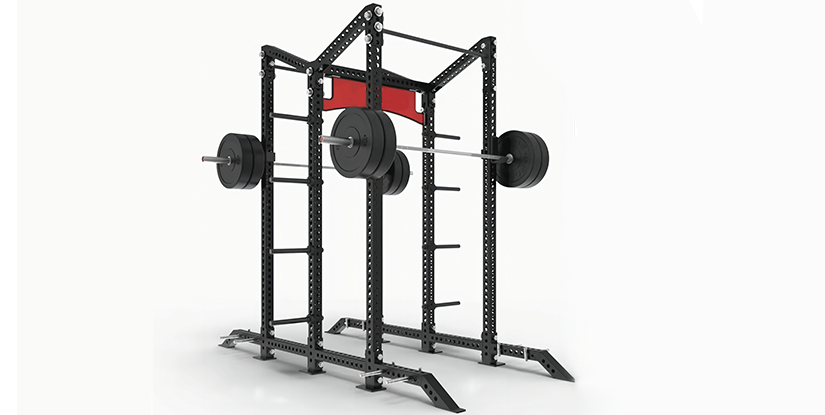
To minimize long-term Total Cost of Ownership (TCO), your gym equipment quality inspection must include specific protocols for verifying mechanical resilience. Relying solely on manufacturer brochures is insufficient for large-scale distribution or facility fit-outs; instead, implement a rigorous procurement checklist that focuses on physical stress indicators.
Implementing Rigorous Inspection Protocols
A critical step in your heavy duty squat rack sourcing workflow is verifying the resistance to structural deformation. During the inspection phase, check the alignment of the uprights and crossmembers. Any sign of bowing or unevenness in the steel profiles suggests poor manufacturing tolerances that will exacerbate wear under heavy use. Furthermore, a detailed visual audit of the welding seams is mandatory. Inspect for consistent bead thickness and the absence of porosity or "cold welds," which are common indicators of substandard heat application that can lead to structural failure under load.
For distributors and large-scale buyers, we recommend requesting data or video evidence of load testing performed at the factory level. A reliable supplier should be able to demonstrate how the rack handles dynamic loading and eccentric stress. Verifying that the unit maintains its integrity during weight shifts ensures that your inventory or facility equipment remains operational without frequent hardware adjustments or part replacements, effectively reducing your long-term maintenance overhead.
Mitigating Procurement Risks with Rigorous Quality Inspection
Sourcing a good power rack requires looking beyond initial price points to evaluate long-term operational stability. For distributors and facility managers, neglecting strict gym equipment quality inspection protocols often leads to significant procurement risks, including premature component failure and high replacement costs.
Ensuring a good power rack meets high manufacturing standards is essential for maintaining structural integrity under heavy use. In high-traffic commercial strength training equipment environments, even minor welding flaws or substandard steel gauges can lead to catastrophic instability. Implementing rigorous inspections during the sourcing phase helps mitigate the risk of operational downtime and prevents the liability of equipment failure during heavy lifts.
To avoid costly returns and shipment rejections, procurement teams should implement a standardized physical audit before finalizing bulk orders. A high-quality inspection focuses on the microscopic details of the manufacturing process that determine long-term durability in a commercial setting.
Pre-Shipment Inspection Checklist
When conducting heavy duty squat rack sourcing audits, do not rely solely on digital spec sheets. A physical walkthrough or a detailed video inspection from the factory must confirm the following technical tolerances:
- Weld Strength and Uniformity: Inspect all corner joints and load-bearing junctions. Welds should be smooth, continuous, and free of porosity or "slag" buildup, which indicates structural weak points.
- Powder Coating Consistency: Check the finish for even thickness. Any bubbling, peeling, or uneven texture can lead to premature oxidation, especially in humid gym environments.
- Tolerance Levels: Verify that uprights and crossmembers align perfectly. Loose tolerance levels in hole spacing or beam alignment can cause uneven weight distribution and increased wear on pins and hooks.
- Surface Smoothness: Ensure all contact points for barbell knurling and accessory attachments are free of sharp edges or burrs that could damage high-end equipment.
By prioritizing these specific technical benchmarks, distributors can ensure that the hardware arriving at the facility meets the rigorous demands of professional strength training.
To streamline your quality control process, use the following framework to prioritize inspection efforts. This table helps procurement managers distinguish between superficial aesthetic issues and critical structural flaws that directly impact the total cost of ownership (TCO) and safety compliance.
| Inspection Dimension | Critical Failure Point | Commercial Impact |
|---|---|---|
| Structural Geometry | Misaligned uprights or non-parallel crossmembers | Increased mechanical wear and potential structural instability during heavy lifts. |
| Load-Bearing Connections | Inconsistent weld penetration or hollow-core tubing | High liability risk and premature equipment replacement cycles. |
| Hardware & Pin Fitment | Loose tolerances in J-hook holes or pin sleeves | Increased vibration, noise, and accelerated wear on expensive barbell knurling. |
| Surface Integrity | Thin powder coating or exposed raw steel edges | Localized oxidation and aesthetic degradation, lowering the facility's perceived value. |
Focusing your audit on these high-impact areas ensures that your bulk shipments consist of reliable equipment. For large-scale distributors, catching a failure in the structural geometry or weld strength at the factory level is far more cost-effective than managing a post-delivery return or a liability claim in a commercial gym.
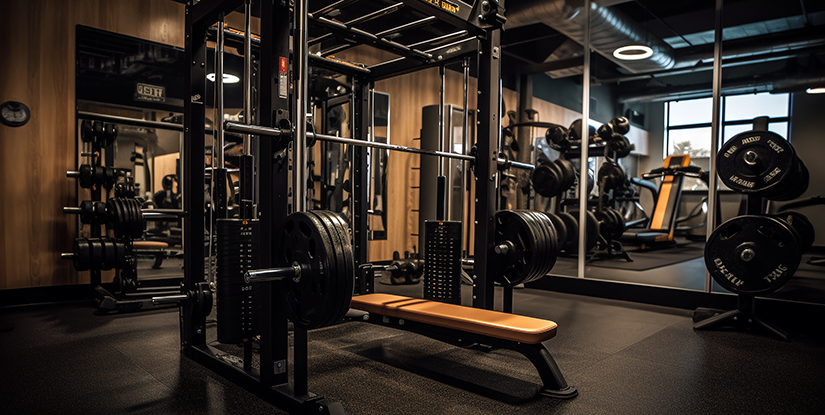
Balancing Footprint Efficiency with Commercial Strength Training Equipment
Procurement managers must navigate the constant tension between maximizing floor area and ensuring high-performance utility. A good power rack is not merely defined by its size, but by how effectively it utilizes its designated footprint to serve high-traffic training zones without compromising on safety or durability.
The Optimization Trade-Off: Capacity vs. Floor Space
In high-density facility layouts, such as boutique strength studios or hotel gyms, every square meter carries a high opportunity cost. Buyers often face a dilemma: selecting massive, multi-functional stations that offer high utility but consume significant space, or opting for streamlined units that risk lower structural integrity under heavy use. Achieving true footprint efficiency requires sourcing equipment that maintains a high load-to-size ratio. This ensures that even compact commercial strength training equipment can withstand the rigorous demands of professional athletes and heavy barbell loading without sacrificing the stability required for safe, high-intensity lifting.
Configuration Comparison for Facility Planning
When planning a gym layout, the choice between different rack architectures dictates both the long-term versatility of the space and the initial shipping volume. Distinguishing between these configurations allows distributors and facility managers to align their inventory or floor plan with specific user demographics—ranging from heavy lifters to functional fitness enthusiasts.
| Configuration Type | Typical Footprint | Load Capacity Profile | Key Space-Saving Feature |
|---|---|---|---|
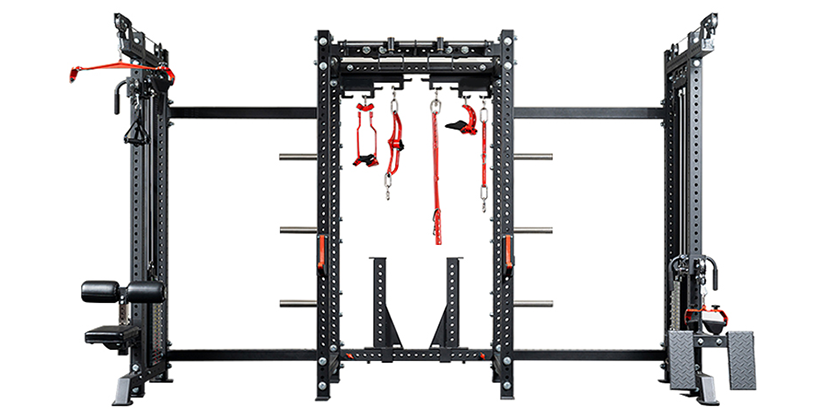
| Standard Full Rack | Large / Fixed | Highest (Heavy Duty) | Maximum structural stability for heavy barbell work |
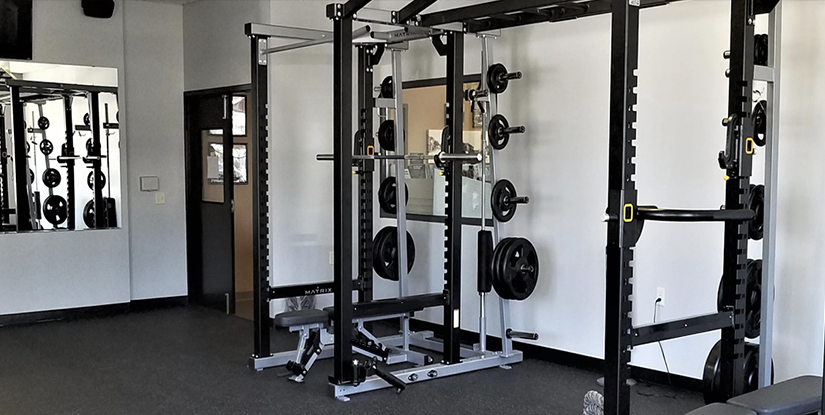
| Compact / Half Rack | Medium / Reduced | High (Commercial Grade) | Smaller depth requirements for front-facing utility |
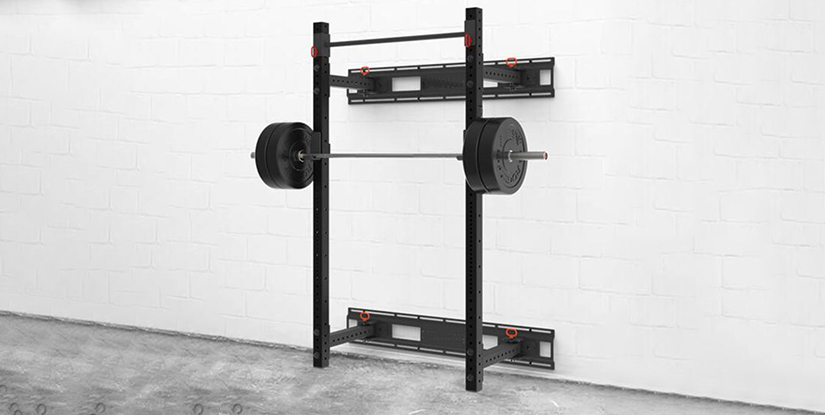
| Modular / Wall-Mounted | Minimal / Variable | Moderate to High | Eliminates floor footprint via vertical mounting |
Selecting the right configuration involves more than just measuring floor dimensions; it requires a strategic assessment of heavy duty squat rack sourcing requirements. For instance, while a modular setup offers the best footprint efficiency for small studios, a full rack remains the gold standard for high-performance strength zones where maximum load stability is non-negotiable. Always verify if the footprint includes the necessary clearance for barbell whip and user movement to avoid unexpected bottlenecks in high-traffic areas.
Beyond the physical dimensions, true utility is determined by the depth and compatibility of the unit. A common procurement oversight is failing to account for accessory compatibility during the initial ordering phase. If a rack is too compact to accommodate standard dip stations, landmines, or weight storage, its long-term versatility diminishes, effectively lowering the ROI of the installation. During a thorough gym equipment quality inspection, buyers should verify that the upright spacing and attachment points are robust enough to handle both the primary lifting movements and the secondary functional accessories that modern gym members demand.
Furthermore, the relationship between footprint and maintenance must be considered. Highly specialized or overly complex compact units may require more frequent adjustments or specialized parts, which can increase the total cost of ownership. For distributors and facility managers, the goal is to source a unit that balances a manageable footprint with a design that allows for easy cleaning and rapid component replacement. Prioritizing a design that integrates seamlessly with existing floor-based or wall-based training tools ensures the equipment remains a high-value asset rather than a spatial bottleneck.
Sourcing Strategies for Heavy Duty Squat Rack Components
Procurement specialists often face a dilemma between low unit costs and long-term operational viability. While a lower initial price may satisfy immediate budget constraints, it frequently leads to higher long-term expenses through premature wear or frequent component replacement.
Understanding Total Cost of Ownership (TCO)
When sourcing a good power rack for high-traffic facilities, the focus must shift from the invoice price to the Total Cost of Ownership. High-quality commercial strength training equipment is engineered to withstand rigorous daily use, whereas budget-tier alternatives often suffer from structural fatigue or finish degradation within a few years of service.
Evaluating the initial investment vs. long-term durability is critical for maintaining profitability. A cheaper unit might save capital during the setup phase, but it inevitably increases maintenance costs and downtime. For distributors and gym owners, investing in premium steel gauges and superior powder coating ensures the equipment remains a functional asset rather than a recurring liability.
Selecting the right supply tier depends on your specific procurement volume and required oversight. Whether you are ordering single units for a boutique studio or bulk shipments for a regional distributor, the following comparison highlights the trade-offs between direct manufacturing and local procurement.
| Feature | OEM / Direct Factory Sourcing | Local Commercial Distributor |
|---|---|---|
| Ideal For | Large-scale gym chains & wholesalers | Boutique studios & single-facility upgrades |
| MOQ (Minimum Order) | High (typically container or pallet loads) | Low (unit-based or small batch) |
| Shipping Costs | Lower per unit via ocean freight | Higher per unit via domestic ground/LTL |
| Lead Times | Long (weeks to months for production/transit) | Short (immediate or days) |
| Quality Control (QC) | Requires rigorous third-party or direct oversight | Managed by the distributor’s vetting process |
Effective heavy duty squat rack sourcing requires balancing these variables against your project timeline. While direct factory sourcing offers the best margins for high-volume orders, it necessitates a robust gym equipment quality inspection protocol to ensure the shipped goods match your structural specifications. Conversely, local distributors mitigate logistical risks and lead-time volatility, albeit at a premium price point.
Mitigating Procurement Risk Through Structural Verification
A significant procurement risk involves the discrepancy between advertised specifications and the actual physical product. To avoid the hidden costs of substandard materials, your gym equipment quality inspection must prioritize the foundational components of the rack. A common failure point in low-cost manufacturing is the use of thin-walled tubing that compromises structural stability under heavy loads.
During the inspection phase, verify the steel gauge by cross-referencing technical drawings with physical measurements; high-performance commercial racks typically utilize 11-gauge or 7-gauge steel. Furthermore, scrutinize the welding standards at critical stress points, such as the upright-to-base junctions. Inconsistent bead thickness or porosity in the welds can lead to catastrophic failure in a commercial setting. By enforcing these strict metallurgical and fabrication requirements, buyers can ensure that their investment provides the longevity required for professional-grade strength training environments.
Logistics and Packaging Requirements for International Freight
Sourcing a good power rack requires looking beyond the factory gate and focusing on the final delivery state. For B2B buyers, the true cost of commercial strength training equipment is determined by the landed price, which includes the impact of logistics efficiency and protection levels.
The Hidden Cost of Inadequate Protection
A common mistake in heavy duty squat rack sourcing is prioritizing low shipping quotes over robust packaging standards. If a manufacturer uses thin single-wall cartons or insufficient corner protectors, the risk of shipping damage increases significantly. Even minor abrasions to the powder coating or slight bends in the uprights can compromise the structural integrity of the unit. These issues lead to hidden costs such as expensive return freight, lengthy replacement lead times, and diminished client trust during gym installations.
To safeguard your investment, ensure your supplier utilizes heavy-duty, reinforced corrugated boxes and custom foam inserts designed for high-density steel components. High-quality packaging ensures that the product arriving at your warehouse is identical to the specimen inspected during the initial gym equipment quality inspection.
Packaging Configuration Comparison
Selecting the appropriate packaging method is a strategic trade-off between immediate freight savings and long-term risk mitigation. For distributors managing high-volume sea freight, the choice of protection directly impacts the total landed cost and the reliability of your inventory arrivals.
| Packaging Type | Protection Level | Cost Impact | Best Use Case |
|---|---|---|---|
| Standard Export | Moderate (Basic Carton/Bubble) | Lower | Domestic shipping or short-haul land transport |
| Reinforced Industrial | High (Double-wall Corrugated/Palletized) | Moderate | Standard long-distance sea freight |
| Premium Heavy-Duty | Maximum (Wooden Crates/Steel Reinforcement) | Higher | High-value customized or oversized rack systems |
When managing international orders, we typically recommend the Reinforced Industrial standard. While the initial unit cost may be slightly higher, the reduction in transit-related damage claims and the stability provided during multi-container sea voyages offer a much better ROI for commercial-scale procurement.
Optimizing Documentation and Freight Accuracy
Effective heavy duty squat rack sourcing extends into the precision of shipping documentation and weight management. Discrepancies between the packing list and the actual cargo can lead to costly delays during customs clearance or unexpected surcharges at the port. A professional supplier should provide detailed manifests that clearly distinguish between actual weight and volumetric weight, as high-volume steel components often trigger higher freight calculations even if the physical mass is relatively low.
To maintain strict cost control, we advise integrating a rigorous weight verification step into your gym equipment quality inspection protocol. This involves cross-referencing the net weight of individual steel uprights and crossmembers against the total gross weight of the pallet. Ensuring that the weight data is accurate before the container is sealed prevents the administrative bottlenecks and financial penalties often associated with inaccurate maritime or air freight declarations.