How to Choose the Best Small Space Squat Rack for Home
Defining Your Training Footprint: The Essential Selection Checklist
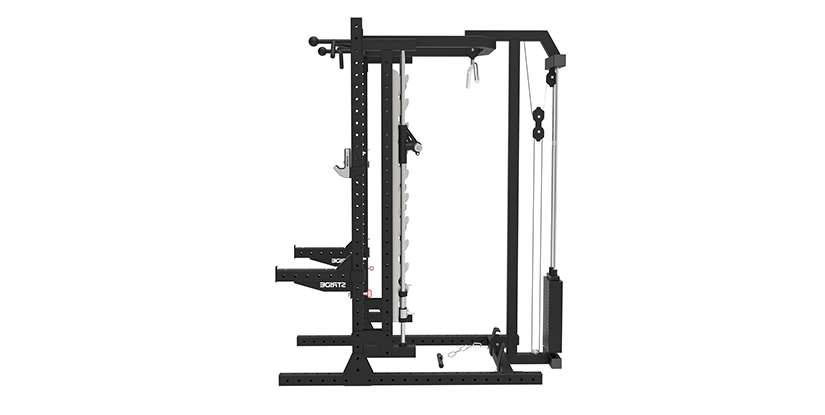
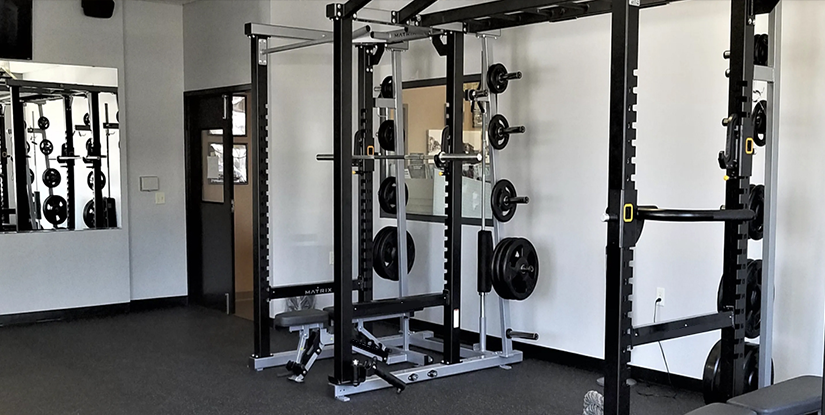
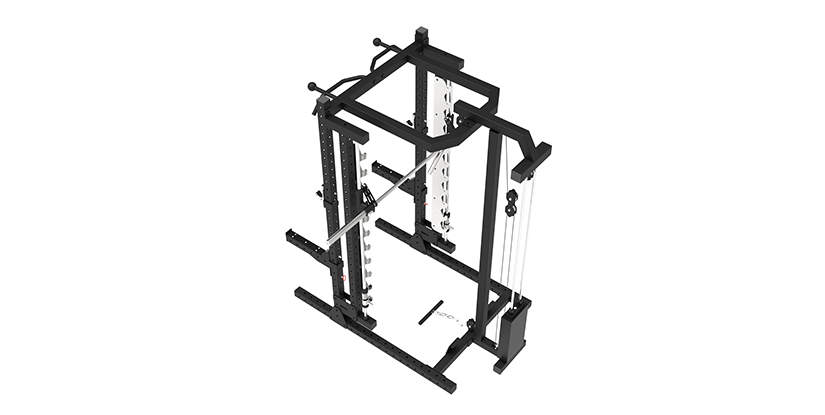
A training footprint refers to the total floor area required for safe, unobstructed movement during heavy lifting. For distributors and gym developers, selecting the best small space squat rack means identifying equipment that balances a minimal physical profile with the structural integrity required for high-intensity training.
When sourcing for residential clients or boutique studios, the primary challenge is the inherent trade-off between footprint vs. functionality. A larger, traditional power rack offers maximum stability but consumes significant square footage, whereas compact power racks or folding squat stands prioritize home gym space saving without sacrificing the core mechanics of the lift. As a buyer, you must evaluate whether the design allows for a full range of motion—such as lateral barbell movement—while maintaining a footprint that fits within constrained environments. Understanding this balance ensures your inventory meets the growing demand for high-quality, space-efficient strength solutions.
To effectively categorize your inventory or personal procurement, you must distinguish between different architectural approaches to weightlifting. The following framework outlines how various configurations address specific spatial constraints, helping you determine which model offers the optimal utility-to-size ratio.
| Type | Space Requirement | Best For | Mobility |
|---|---|---|---|
| Compact Power Racks | Moderate (Fixed footprint) | Dedicated home gyms and boutique studios | Low (Stationary) |
| Folding Squat Stands | Minimal (Wall-mounted) | Multi-purpose rooms or small apartments | High (Foldable) |
| Adjustable Squat Stands | Variable (Floor space) | Entry-level setups and seasonal training | Medium (Portable) |
When sourcing compact power racks, the focus remains on structural rigidity and a permanent, albeit smaller, footprint. Conversely, folding squat stands represent the ultimate in home gym space saving, as they can be retracted against a wall when not in use. Choosing the best small space squat rack depends entirely on whether the end-user prioritizes a permanent training station or a highly adaptable, versatile environment.
Beyond the Dimensions: Accounting for the Safety Buffer
A common mistake in procurement is selecting a unit based solely on its manufacturer-stated dimensions. To find the truly best small space squat rack for a client, you must calculate the "operational footprint," which is significantly larger than the steel frame itself. This involves accounting for critical clearance zones that prevent injury and equipment damage during heavy sets.
First, always factor in the full barbell length. A standard Olympic bar typically requires at least 7 feet of width; if the rack is placed too close to a wall, the bar will strike the surface during unracking. Second, consider the weight plate diameter. When a user loads heavy plates, the protruding width increases the total width of the barbell assembly, necessitating a wider safety buffer on both sides. We recommend leaving at least 12 to 18 inches of empty space around the entire station to accommodate lateral movement and plate clearance. Failing to respect these margins can lead to structural instability or unsafe training environments.
Evaluating Stability vs. Portability in Compact Power Racks
When sourcing equipment for limited environments, many buyers fall into the trap of prioritizing a tiny footprint at the expense of safety. The fundamental tension in high-quality compact power racks lies in the relationship between weight capacity vs. footprint. A rack that is too lightweight or lacks sufficient base width may offer excellent home gym space saving, but it often fails to maintain structural rigidity during heavy compound lifts or high-impact movements.
For distributors and professional importers, the goal is to find the best small space squat rack that balances mobility with industrial-grade stability. A truly durable unit utilizes high-gauge steel and reinforced junctions to ensure that a smaller physical profile does not result in a compromised training experience. We recommend evaluating the construction density and the footprint-to-load ratio before committing to large orders.
| Structural Type | Stability Profile | Durability Focus | Best Use Case |
|---|---|---|---|
| Folding Wall-Mount | High (Fixed) | Wall-anchored rigidity | Permanent residential installations |
| Compact Free-Standing | Moderate | Heavy-duty steel gauge | Flexible, multi-room setups |
| Folding Squat Stands | Variable | Portability/Lightweight | Occasional training/Low weight |
To select the best small space squat rack for your specific market needs, you must categorize equipment by its intended training intensity. While folding squat stands offer maximum portability and ease of storage, they are generally unsuitable for high-frequency, heavy-load commercial or professional home environments. In contrast, fixed-structure compact power racks provide the stability required for progressive overload but require a permanent footprint.
Understanding these trade-offs is essential for effective home gym space saving. A professional-grade solution should prioritize high-tensile steel and robust welding, even when the design is optimized for a smaller area. Use the framework below to match the equipment type to the end-user's training demands:
| Type | Stability Level | Best For | Space Impact |
|---|---|---|---|
| Wall-Mounted Folding | Maximum | Heavy Compound Lifts | Minimal (Zero Floor Footprint) |
| Compact Free-Standing | High | Daily Strength Training | Moderate (Fixed Area) |
| Folding Squat Stands | Moderate/Low | Light/Occasional Use | High (Easy to Move/Store) |
Prioritizing Build Integrity and Material Standards
Beyond footprint dimensions, the true value of the best small space squat rack is found in its metallurgical composition. When vetting suppliers, do not settle for generic descriptions; insist on specific data regarding steel gauge. A high-quality rack should ideally utilize 11-gauge (approx. 3mm) steel to ensure that the long-term durability remains uncompromised under heavy axial loads. Thin-walled tubing may appear cost-effective, but it lacks the structural integrity required for professional-grade training.
Furthermore, inspect the welding quality at critical stress points. Seamless, deep-penetration welds are essential to prevent fatigue over time, especially in compact power racks that undergo frequent vibration. For units designed for permanent installation, verify the availability of floor mounting options or reinforced wall-anchoring points. A robust anchoring system transforms a mobile unit into a rigid training station, ensuring that home gym space saving solutions do not sacrifice user safety during maximal effort lifts.
Maximizing Utility with Folding Squat Stands and Wall-Mounted Units
When designing a high-performance training area in a residential setting, the primary challenge is often the physical footprint. Unlike commercial facilities with unlimited square footage, home users must prioritize home gym space saving without compromising on structural integrity. To achieve this, we categorize high-efficiency equipment into two distinct geometric profiles: vertical integration and lateral retraction.
For those with permanent dedicated corners, wall-mounted systems offer a fixed, ultra-stable solution that utilizes vertical height rather than floor area. However, if your training zone serves multiple purposes, folding squat stands provide superior versatility. These units allow you to retract the primary structure against a wall or into a corner when not in use, effectively reclaiming your living space. While compact power racks typically offer a more robust build for heavy compound lifts, the decision between a fixed or folding model ultimately depends on how much floor real estate you are willing to surrender during a session. Selecting the right geometry ensures your equipment remains a functional asset rather than a spatial obstacle.
To help you determine which configuration aligns with your specific living environment, we have outlined the fundamental differences between these two popular design philosophies. Choosing the best small space squat rack depends heavily on whether you prioritize permanent stability or temporary versatility.
| Feature | Folding Squat Stands | Wall-Mounted Units |
|---|---|---|
| Space Requirements | Moderate; requires floor clearance for footprint | Minimal; utilizes vertical wall space |
| Installation Complexity | Low; freestanding and easy to reposition | High; requires professional drilling into studs |
| Mobility | High; can be moved or stored in a corner | Zero; fixed position once installed |
| Budget Range | Mid-range; highly accessible for home users | Variable; depends on wall reinforcement needs |
If your goal is home gym space saving through extreme portability, a folding model is often the most practical investment. Conversely, if you have a dedicated room with structural support, a wall-mounted unit offers the most seamless integration into a compact layout.
Beyond mere dimensions, true long-term utility is defined by the relationship between a rack's footprint and its load-bearing capacity. When sourcing the best small space squat rack, many buyers mistakenly prioritize a smaller footprint at the expense of stability. A lightweight, compact frame may save space, but it often lacks the necessary weight capacity required for progressive overload and heavy compound movements. For high-intensity training, ensure the frame thickness and steel gauge are sufficient to prevent wobbling during a lift.
A high-quality unit must maintain functional strength even when the design is optimized for portability. We recommend looking for reinforced steel junctions and wide-base designs that prevent tipping. Whether you opt for a collapsible model or a specialized compact station, the goal is to find a balance where the equipment remains a reliable strength tool rather than a fragile, space-saving compromise. Investing in a robust, well-engineered frame ensures your training evolves alongside your strength gains.
Structural Integrity: Critical Specs for High-Load Small Space Equipment
When space is at a premium, many buyers mistakenly assume that a smaller footprint necessitates a lighter build. However, when sourcing the best small space squat rack, the most critical factor isn't just the dimensions—it is the uncompromising quality of the construction. In compact designs, the density of the material must compensate for the reduced base area to ensure structural stability during heavy eccentric movements.
For professional-grade performance, you must prioritize the steel gauge of the uprights. We generally recommend looking for a heavy-duty frame constructed from 11-gauge or even 7-gauge steel. While compact power racks are designed to save room, they should never sacrifice the ability to handle high-volume loading. A thinner steel profile may lower shipping costs or initial unit prices, but it significantly increases the risk of frame deflection or catastrophic failure under load. Ensuring a high-quality steel specification is the only way to guarantee that your equipment remains a reliable asset rather than a liability.
To help you evaluate different configurations, we have compiled a comparison of common models. When prioritizing home gym space saving, you must weigh the trade-off between the physical footprint size and the maximum load capacity the unit can safely support. While folding squat stands offer unparalleled portability and minimal storage requirements, they often feature a different stability rating compared to fixed-base models due to their mounting points.
Use the table below to assess which configuration aligns with your specific strength requirements and available square footage:
| Equipment Type | Typical Footprint Size | Load Capacity | Stability Rating |
|---|---|---|---|
| Folding Squat Stands | Minimal / Wall-Mounted | Moderate | Good (Dependent on wall anchor) |
| Compact Power Racks | Small / Fixed Base | High | Excellent |
| Standard Full-Size Rack | Large / Fixed Base | Very High | Superior |
When sourcing, always verify that the load capacity is rated for dynamic movement, not just static weight, to ensure long-term durability in any high-intensity environment.
Beyond the steel gauge, the true indicator of longevity lies in the precision of the assembly. When sourcing the best small space squat rack, you must look closely at the welding quality of the joints. In compact power racks, where the center of gravity is often more concentrated, even a minor flaw in a weld can lead to structural fatigue over time. High-quality, full-penetration welds are essential to maintain structural integrity, especially when the unit is subjected to the repetitive, high-impact stresses of heavy lifting.
For those investing in high-load equipment, durability is a matter of meeting strict safety standards. A premium manufacturer will ensure that every connection point—from the uprights to the base—is reinforced to handle dynamic weight shifts. When evaluating a potential supplier, do not settle for superficial finishes that hide poor craftsmanship; instead, prioritize units that demonstrate consistent, clean welding throughout the frame. This attention to detail ensures that your home gym space saving solution remains a safe, steadfast foundation for years of rigorous training.
Optimizing Your Home Gym Layout for Long-Term Versatility
When investing in high-quality strength equipment, many buyers focus solely on the immediate footprint. However, true value lies in future-proofing your setup. A common mistake is selecting a rigid structure that leaves no room for expansion or secondary accessories. To avoid the frustration of outgrowing your training area, we recommend prioritizing compact power racks that offer modularity. By selecting a base that allows for future attachments—such as dip stations or pull-up bars—you ensure your investment remains relevant as your training evolves.
Effective home gym space saving is not just about shrinking the current footprint; it is about strategic planning. When sourcing the best small space squat rack, consider how the unit interacts with your ceiling height and surrounding walls. Choosing versatile, high-grade equipment ensures that even as you add more specialized gear, your primary lifting station remains functional and safe. This long-term perspective prevents the need for costly replacements and ensures your dedicated training zone remains efficient for years to come.
To maintain peak performance, you must also consider the long-term maintenance of your layout. The relationship between footprint vs. functionality often dictates how much upkeep your equipment requires. For instance, folding squat stands are excellent for maximizing floor area, but they require regular inspection of the folding mechanisms and pivot points to ensure they remain secure. A high-quality, space-saving design should never compromise on stability; a unit that wobbles due to a loose hinge or uneven base is a liability, regardless of how much space it saves.
When evaluating space-saving dimensions, we suggest comparing three common configurations to visualize your long-term setup:
| Equipment Type | Typical Footprint | Maintenance Focus | Ideal Use Case |
|---|---|---|---|
| Wall-Mounted Folding Rack | Minimal (Folded) | Wall anchors & hinge tension | Extreme space constraints |
| Compact Power Rack | Moderate | Bolt tightness & upright alignment | Dedicated training zones |
| Adjustable Squat Stands | Variable | Base stability & floor contact | Multi-purpose rooms |
Choosing the best small space squat rack means balancing these practicalities. Whether you opt for the extreme portability of folding squat stands or the robust structure of a modular rack, ensure your chosen layout allows for easy cleaning and routine hardware checks to preserve the longevity of your equipment.
Beyond structural integrity, long-term usability depends heavily on consistent maintenance and disciplined organization. In a limited training zone, even minor clutter can quickly escalate into a safety hazard. To keep your home gym space saving setup efficient, we recommend implementing a dedicated weight plate storage system immediately. Utilizing integrated storage pegs on your rack or vertical plate trees prevents heavy iron from cluttering the floor, which is essential for keeping the training area clear and maintaining a professional standard of safety.
Effective upkeep also involves more than just tidying up. Periodically check that your compact power racks or folding squat stands are free from dust and moisture, which can affect metal surfaces over time. A routine habit of wiping down bars and inspecting fasteners ensures that your best small space squat rack remains as reliable as the day it arrived. By prioritizing a "place for everything" philosophy, you ensure your specialized lifting area remains a high-performance zone rather than a disorganized storage corner.
Common Pitfalls to Avoid When Sourcing Space-Saving Strength Gear
When sourcing equipment, the temptation to prioritize the lowest unit price can lead to significant setbacks. In the pursuit of the best small space squat rack, many buyers fall into the trap of purchasing ultra-low-cost compact power racks that sacrifice structural integrity for a smaller footprint. While a lower initial invoice might look attractive on a balance sheet, the hidden costs of instability and premature wear can be devastating.
Low-quality builds often struggle with the stability vs. price dilemma. A rack that lacks sufficient gauge steel or robust welding will wobble under heavy loads, creating a safety hazard that no amount of home gym space saving can justify. Instead of viewing these units as a quick fix, professional buyers should treat a high-quality rack as a long-term investment. Choosing a reliable, well-engineered piece of equipment ensures that your training remains safe and consistent, preventing the need for frequent, costly replacements caused by structural failure.
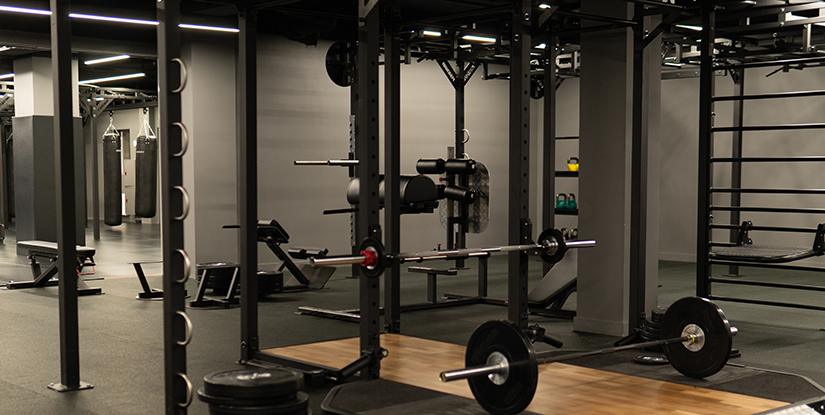
To help you navigate these investment tiers, we have outlined the typical specifications you will encounter in the global market. Understanding these benchmarks allows you to better evaluate whether a specific model truly offers the best small space squat rack performance for your intended environment or if it is simply a low-cost compromise.
The following comparison highlights how budget, mid-range, and premium tiers generally differ in terms of build quality and functional longevity:
| Tier Level | Typical Dimensions | Weight Capacity | Durability & Build | Typical Use Case |
|---|---|---|---|---|
| Budget | Minimal Footprint | Low to Moderate | Lightweight Steel / Basic Finish | Occasional Home Use |
| Mid-Range | Optimized Space | Moderate to High | Standard Gauge Steel / Improved Welding | Serious Enthusiasts |
| Premium | Versatile/Folding Squat Stands | Very High | Heavy-Duty Steel / Professional Grade | High-Frequency Training |
When evaluating compact power racks, remember that the most economical option is rarely the most cost-effective over time. A higher upfront investment in a premium unit often yields better returns through increased lifespan and reduced maintenance requirements.
Beyond the initial purchase price, savvy buyers must account for the true total cost of ownership. One of the most frequent oversights when sourcing compact power racks is neglecting shipping logistics. Because strength equipment is inherently heavy and high-density, freight costs can sometimes rival the actual product value. If you are not careful, a "deal" on a best small space squat rack can quickly become an expensive mistake once oversized item surcharges and heavy-duty shipping fees are applied at checkout.
Furthermore, we often see buyers compromise on modularity to save a few dollars upfront. Choosing low-end folding squat stands that lack expandable components may offer immediate home gym space saving benefits, but it limits your future-proofing capabilities. A non-modular system prevents you from adding attachments or increasing the rack's scale as your strength training evolves. To ensure long-term value, prioritize equipment that allows for incremental upgrades, ensuring your setup grows alongside your fitness goals rather than becoming obsolete.
Maximizing Value Through Strategic Selection
When sourcing equipment for residential or boutique settings, the true value lies in the intersection of durability and footprint. Investing in the best small space squat rack is not merely a purchase of steel and bolts; it is a long-term investment in consistent training habits. High-quality, compact power racks prevent the common pitfall of "equipment clutter," where bulky, low-grade machinery eventually becomes an obstacle rather than an asset.
From a procurement standpoint, prioritizing home gym space saving solutions that do not compromise on structural integrity ensures that the setup remains relevant as the user's strength evolves. A premium setup facilitates the development of functional strength by providing a stable, reliable platform for heavy compound movements, even within tight quarters. By selecting professional-grade folding squat stands or streamlined racks, buyers ensure that their facility or home studio maintains a high standard of utility without the diminishing returns often seen with substandard, space-inefficient alternatives.
To help you finalize your decision, we have categorized the most common configurations based on their utility and return on investment. Choosing the right model depends on balancing the trade-off between stability vs. footprint and your intended frequency of use.
| Configuration Type | Ideal User Profile | Primary Benefit | Maintenance Level |
|---|---|---|---|
| Compact Power Racks | Serious strength athletes & boutique studio owners | Maximum stability vs. footprint ratio for heavy lifting | Low; standard bolt inspection |
| Folding Squat Stands | Residential users with limited square footage | Extreme home gym space saving; easy to stow | Moderate; check hinge tension regularly |
For those prioritizing long-term durability, compact power racks offer the highest ROI due to their robust construction and ability to handle progressive overload. However, if your priority is versatility in a multi-purpose room, folding squat stands provide a highly efficient solution. Regardless of your choice, always ensure the steel gauge meets professional standards to avoid the rapid depreciation often found in entry-level consumer models.
Ultimately, the distinction between a temporary fitness fad and a professional-grade training station lies in the quality of the build. Opting for budget-tier alternatives often leads to a cycle of premature replacement, as lightweight steel and inferior coatings fail under the stress of heavy compound lifts. To achieve true training efficiency, your equipment must be a reliable constant, not a variable that requires constant adjustment or repair. A high-caliber setup ensures seamless integration into your daily routine, allowing you to focus entirely on your performance rather than the stability of your rack.
When selecting the best small space squat rack, view the acquisition through the lens of durability and long-term utility. A premium, heavy-duty frame provides the psychological and physical confidence necessary for progressive overload, ensuring the unit remains a permanent fixture in your training environment. By prioritizing professional-grade specifications over low-cost, consumer-grade substitutes, you secure a setup that maintains its structural integrity and functional value for years to come, maximizing the total utility of your square footage.