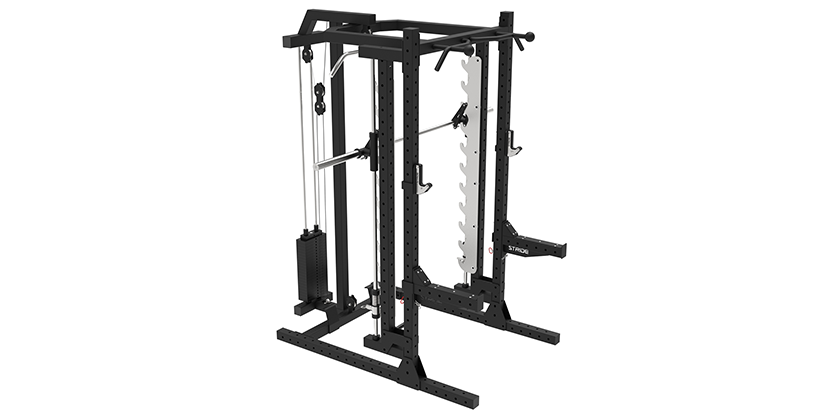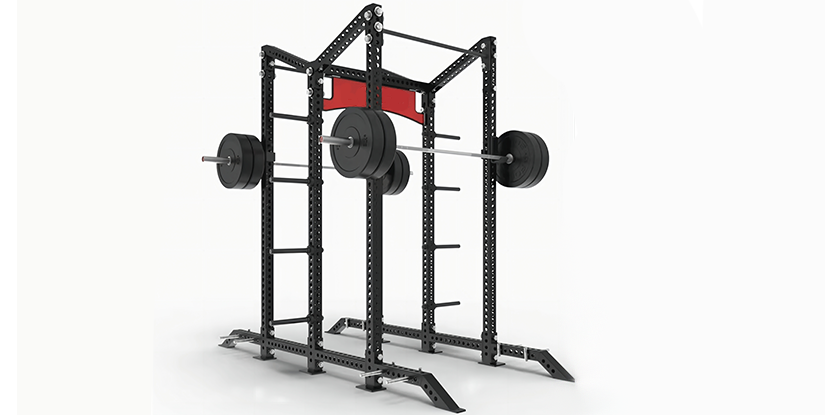
Squat Rack and Platform Wholesale Sourcing Guide
Defining High-Performance Standards for Bulk Procurement
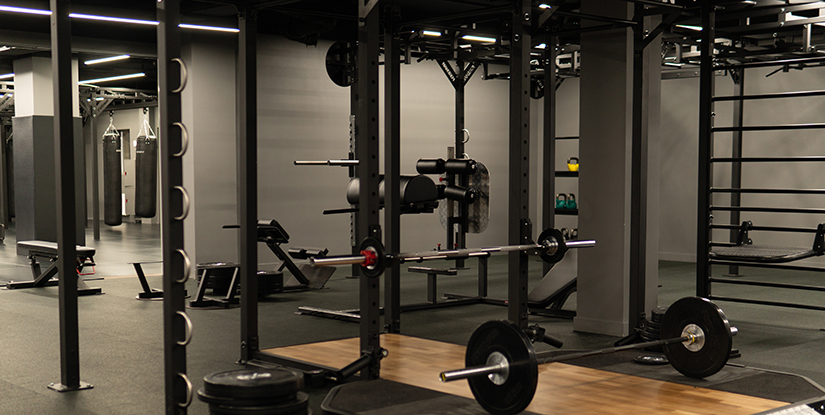
When outfitting a high-traffic strength training facility or a regional gym franchise, the durability of the core lifting station determines your long-term maintenance overhead. A standard squat rack and platform must withstand thousands of loading cycles and heavy impact without structural fatigue or surface degradation.
Structural Integrity and Material Specifications
For commercial-grade reliability, procurement managers should prioritize heavy-gauge steel construction. While residential models often utilize thinner tubing, professional-grade units require thick-walled steel to prevent bowing under maximum load. Similarly, the lifting surface must be engineered for longevity; high-density rubber or multi-layered platform materials are essential to prevent permanent deformation and ensure even weight distribution during heavy lifts.
Distinguishing between entry-level equipment and professional-grade strength training equipment wholesale options requires a deep dive into technical tolerances. High-performance commercial weightlifting platforms demand a synergy between rigid steel framing and impact-absorbing surfaces to ensure structural stability over years of heavy use.
Technical Specification Comparison
| Feature | Entry-Level / Light Commercial | Professional / Heavy-Duty Commercial |
|---|---|---|
| Steel Gauge Thickness | 11-gauge (approx. 3mm) | 7-gauge or 11-gauge heavy-wall (3mm+) |
| Surface Coating | Basic Powder Coating | Industrial Electroplating or Premium UV-Resistant Powder |
| Platform Surface | Single-layer EVA or thin rubber | Multi-layered high-density rubber and wood/composite |
| Load Tolerance | Standard lifting loads | Maximum capacity/Olympic weight standards |
When sourcing a squat rack and platform, the choice between standard powder coating and advanced industrial finishes directly impacts the unit's resistance to scratches and oxidation. For distributors, investing in higher-spec materials reduces the frequency of warranty claims and increases the long-term value proposition for end-users.
Precision Engineering and Quality Control Protocols
Reliability in a commercial setting is often decided by the smallest tolerances. During the procurement of a squat rack and platform, distributors must demand strict verification of weld strength and bolt-hole precision. Inconsistent welding can lead to structural micro-fractures under heavy load, while poorly aligned holes cause uneven tension during assembly, compromising the entire unit's stability. For large-scale rollouts, even minor deviations in component compatibility can escalate into significant labor costs and high return rates.
To mitigate these risks, implement a rigorous quality control checklist that verifies load-bearing capacity and component interchangeability before shipping. Ensuring that every upright and crossmember meets exact dimensional standards protects your margins by minimizing onsite assembly failures and long-term maintenance-related service calls. High-quality manufacturing capability is not just about the thickness of the steel, but the precision with which every moving part and connection point is engineered to function in unison.
Structural Integrity and Load-Bearing Specifications
When sourcing a squat rack and platform for high-traffic gym environments, the primary concern for distributors is the long-term stability of the unit. Unlike residential models, commercial-grade equipment must withstand constant lateral forces and heavy impact without structural fatigue or frame deformation.
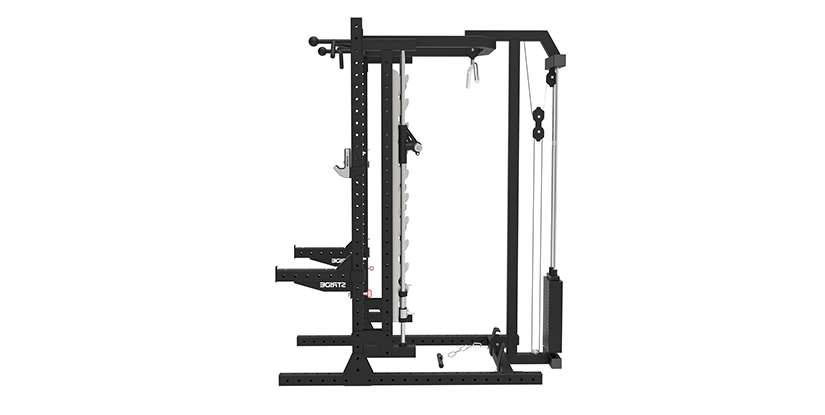
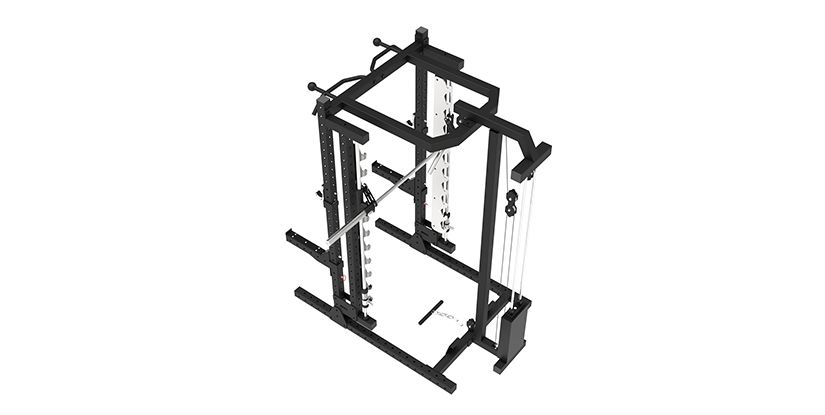
The baseline for quality assessment begins with the steel gauge and the welding precision of the uprights. A robust squat rack and platform assembly relies on heavy-duty steel construction to maintain structural stability under maximum load. For professional distributors, verifying these specifications is essential to avoid high return rates and liability issues in commercial settings.
| Specification Factor | Standard Commercial Grade | Premium Strength Training Grade |
|---|---|---|
| Steel Gauge Thickness | 11-gauge (approx. 3mm) | 7-gauge or 11-gauge reinforced |
| Load-Bearing Capacity | High (Static weight focus) | Extreme (Dynamic/Impact focus) |
| Welding Type | Standard MIG welding | Full-penetration heavy-duty welding |
| Platform Surface | Standard high-density rubber | Multi-layer impact-absorbing composite |
When evaluating commercial weightlifting platforms, ensure the base frame is engineered to distribute weight evenly. This prevents uneven settling and ensures the load-bearing capacity remains consistent even during heavy Olympic lifting or high-intensity interval training sessions.
Material Selection for Surface Durability
Beyond the steel frame, the platform surface dictates the maintenance cycle and the longevity of the floor layout. Buyers must differentiate between standard rubberized surfaces and multi-layered composite materials to ensure the product meets the specific intensity of the target facility. A mismatch between surface type and usage can lead to premature delamination or uneven wear, increasing the total cost of ownership for the end-user.
| Surface Material | Durability Profile | Primary Benefit | Ideal Use Case |
|---|---|---|---|
| High-Density Rubber | Moderate / High | Sound dampening and shock absorption | General strength training and bodybuilding gyms |
| Wood & Rubber Composite | High / Extreme | Precision footing and lateral stability | Olympic weightlifting and competitive training |
| Vulcanized Rubber | Maximum | High abrasion resistance and impact protection | High-traffic commercial training facilities |
For distributors specializing in strength training equipment wholesale, recommending the correct surface-to-steel ratio is a key value-add. While 14-gauge steel may suffice for light-duty studios, premium commercial clients will expect 11-gauge or thicker specifications paired with high-impact composite platforms to ensure the unit remains a long-term asset rather than a maintenance liability.
Quality Control Benchmarks for Assembly and Finish
Reliable gym equipment distributor sourcing requires moving beyond basic visual inspections to technical verification of structural junctions. High-quality strength training equipment wholesale orders must undergo rigorous QC regarding weld integrity; look for consistent, full-penetration welds rather than superficial beads to prevent catastrophic failure under dynamic loads. Additionally, verify assembly tolerances across all adjustable components to ensure smooth, non-binding movement of pins and hooks.
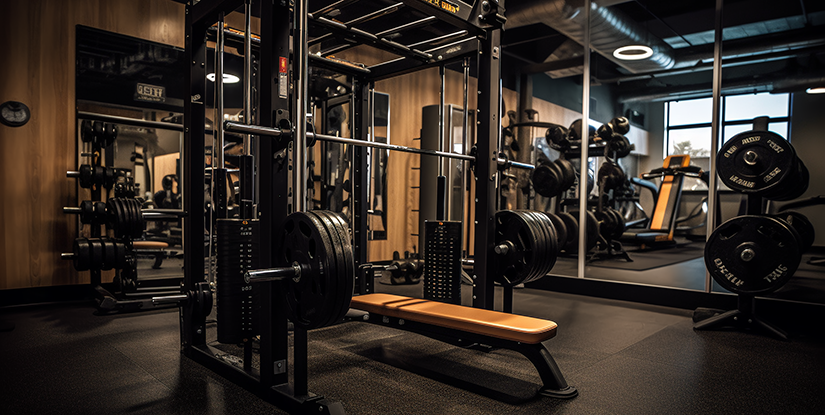
The final layer of durability lies in the coating. Demand a minimum powder coating thickness specification to ensure the finish resists chipping from barbell contact and chemical cleaners. When negotiating MOQ considerations, ensure the factory maintains strict tolerance standards for both the steel uprights and the platform edges. These technical checkpoints significantly reduce the risk of structural fatigue and subsequent return rates in the North American market.
Optimizing Platform Dimensions for Commercial Footprints
Efficient facility layout design relies on the precise integration of the squat rack and platform unit within the available floor area. For distributors and gym owners, maximizing the space-to-utility ratio is critical to ensuring high-traffic zones remain functional without compromising safety or movement clearance.
Effective footprint optimization involves more than just measuring the base; it requires accounting for the total operational envelope of commercial weightlifting platforms. Buyers must evaluate how the depth of the platform interacts with surrounding equipment to prevent bottlenecking during peak hours.
When sourcing equipment for high-density training environments, the distinction between standard and oversized dimensions dictates both the user experience and the long-term throughput of the facility. Selecting the wrong scale can lead to insufficient safety buffers or wasted square footage in boutique settings.
| Platform Configuration | Typical Dimensions | Primary Commercial Use Case | Space Impact |
|---|---|---|---|
| Standard Compact | ~7' x 7' (2.1m x 2.1m) | Boutique studios, hotel gyms, home-office setups | Low footprint; ideal for high-density layouts |
| Professional Standard | ~8' x 8' (2.4m x 2.4m) | General commercial gyms, CrossFit boxes | Balanced; provides optimal bar path clearance |
| Oversized/Competition | ~9' x 9' (2.7m x 2.7m)+ | Strength & Conditioning facilities, lifting meets | High footprint; requires significant buffer zones |
Distributors should advise clients that an oversizedSPconfiguration offers superior stability for heavy compound movements but requires a higher shipping volume and larger storage footprints. For rapid rollouts in urban fitness centers, standardizing on an 8-foot depth often provides the best margin potential by balancing premium durability with efficient floor utilization.
Navigating Spatial Constraints and Scalability
When executing gym equipment distributor sourcing for urban markets, the trade-off between equipment density and user safety becomes a primary concern. High-density layouts often face severe spatial constraints, where every inch of floor space directly impacts the facility's total capacity and revenue potential. While oversized platforms offer a premium feel, they can inadvertently create bottlenecks in high-traffic zones if not strategically placed.
For large-scale rollouts, prioritizing scalability means selecting modular components that can be reconfigured as the facility grows. Professional buyers should prioritize strength training equipment wholesale options that offer standardized dimensions; this allows for predictable floor planning and easier logistics when scaling from a single training area to a full-scale strength department. A well-planned footprint ensures that even in compact environments, athletes have sufficient clearance for lateral movement and barbell rotation.
Optimizing Unit Cost Through Volume and MOQ
For distributors and facility managers, the relationship between MOQ (Minimum Order Quantity) and the landed cost of a squat rack and platform is a critical lever for margin protection. High-density steel components and heavy rubber flooring create significant shipping weight, meaning procurement decisions must balance inventory carrying costs against the unit cost reduction achieved through economies of scale.
When sourcing commercial weightlifting platforms, increasing your order volume typically shifts the pricing structure from retail-adjacent wholesale to true factory-direct tiering. This transition is essential for maintaining competitive pricing in high-traffic strength training environments.
| Procurement Model | Typical MOQ Level | Margin Potential | Inventory Risk |
|---|---|---|---|
| LCL (Less than Container Load) | Low (1–5 units) | Lower | Minimal |
| FCL (Full Container Load) | High (Full 40ft/40HQ) | Maximum | Moderate |
| Consolidated Sourcing | Medium (Mixed SKU) | Optimized | Low |
Sourcing Model Comparison: Direct Factory vs. Local Distributor
Deciding between direct factory procurement and using a local distributor involves weighing immediate liquidity against long-term unit price stability. While a local distributor offers speed, sourcing strength training equipment wholesale directly from a manufacturer allows for better control over customization and bulk shipping efficiency.
| Metric | Direct Factory Sourcing | Local Gym Equipment Distributor |
|---|---|---|
| Unit Price | Lowest (Tiered by volume) | Higher (Includes markup) |
| Shipping Volume | High (FCL/LCL optimized) | Low (Small batch/Parcel) |
| Lead Time | Long (Production + Sea Freight) | Short (In-stock availability) |
| Customization | High (Full spec control) | Limited (Standard SKUs) |
For distributors looking to scale, the direct factory model is often the most viable path to maximizing the ROI on heavy-duty assets like the squat rack and platform. However, buyers must account for the extended lead times and the logistical complexity of managing large-scale freight arrivals.
Logistics Optimization and Freight Efficiency
Managing the landed cost of a squat rack and platform requires a deep understanding of shipping density and volumetric weight. Because these units utilize heavy-duty steel components, the freight cost is often driven by actual weight rather than just dimensions. To protect your margins during gym equipment distributor sourcing, prioritize manufacturers that offer high-efficiency container optimization strategies.
Effective strength training equipment wholesale procurement involves coordinating the assembly of nested components. For example, nesting uprights within the base frames of a platform can significantly reduce the cubic volume per unit. By optimizing the shipping volumes through modular designs and optimized palletization, distributors can fit more high-value SKUs into a single 40HQ container, effectively lowering the per-unit freight expense and increasing overall profitability.
Logistics and Volumetric Weight Management
Managing the landed cost of a squat rack and platform requires a deep understanding of how dimensions impact freight. Unlike smaller accessories, these heavy-duty units often trigger high shipping costs due to the interplay between actual weight and dimensional weight.
The Density vs. Freight Expense Trade-Off
When sourcing commercial weightlifting platforms, buyers must account for the fact that high-volume, low-density packaging can drastically increase volumetric weight. A modular squat rack and platform setup might be heavy, but if the components are bulky and non-stackable, carriers will bill based on the space occupied rather than the actual mass. To achieve freight optimization, work with manufacturers who utilize nested packaging or optimized crate dimensions to reduce the footprint of each SKU, ensuring your strength training equipment wholesale margins remain protected during international transit.
Packaging Configuration Comparison
Distributors should evaluate whether to source fully assembled units or knockdown (KD) configurations based on their specific storage and assembly capacity. While full units offer faster turnaround for local gym rollouts, KD models significantly improve shipping efficiency and reduce the risk of transit damage by minimizing the volume of oversized boxes.
| Packaging Type | Dimensional Impact | Shipping Efficiency | Best Use Case |
|---|---|---|---|
| Full Unit (Assembled) | High (Large footprint) | Low (High volumetric weight) | Boutique studios with high service needs |
| Knock-Down (KD) | Low (Compact/Nested) | High (Optimized for sea freight) | Large-scale distributor stocking |
| Modular Components | Medium (Variable) | Medium (Standardized sizing) | Customized facility fit-outs |
For high-volume gym equipment distributor sourcing, the KD model is typically the most profitable. It allows for higher container utilization and lowers the per-unit landed cost, provided your facility has the technical staff to manage on-site assembly and quality control checks upon arrival.
Optimizing Container Utilization and MOQ Strategy
To maximize profitability in strength training equipment wholesale, buyers must look beyond the unit price and focus on container load optimization. High-density items like steel uprights and heavy platform bases are ideal for maximizing weight limits, but unoptimized packaging for lighter components can lead to "empty air" costs.
When negotiating MOQ, prioritize suppliers that offer nested designs—such as stackable platform sections or interlocking rack components—to increase the number of units per shipment. Furthermore, insist on standardized palletization protocols that align with standard 20ft or 40ft container dimensions. Effective palletizing not only prevents product shifting during sea transit but also ensures a predictable landed cost reduction by minimizing the volumetric footprint, allowing you to scale your inventory without exponentially increasing your logistics overhead.
Evaluating Long-Term Maintenance and TCO
For distributors and facility managers, the initial purchase price of a squat rack and platform is only one component of the total cost of ownership. True profitability depends on how long the unit remains in service before structural or aesthetic degradation necessitates replacement.
Assessing Durability and Maintenance Cycles
High-traffic commercial environments subject commercial weightlifting platforms to constant impact and heavy mechanical stress. When sourcing, evaluate the gauge of the steel and the thickness of the platform's rubber components to mitigate the effects of daily wear and tear. A high-quality build ensures long-term structural integrity, reducing the frequency of maintenance cycles. Neglecting these specifications often leads to premature replacement costs, higher long-term overhead, and diminished ROI for the end-user.
Material Quality and Lifecycle Comparison
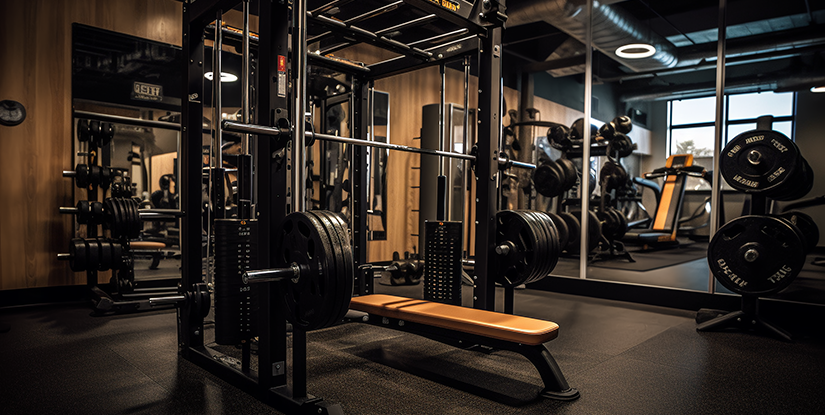
Selecting the right finishes and surface materials directly dictates the replacement frequency and long-term upkeep requirements. Buyers should weigh the initial cost savings of basic materials against the durability of premium options to optimize their inventory value.
| Component Type | Material Option | Maintenance Profile | Expected Lifespan |
|---|---|---|---|
| Frame Coating | Powder Coating | Low; resistant to scratches and oxidation | High (7-10+ years) |
| Frame Coating | Chrome Plating | Moderate; prone to chipping under heavy use | Medium (3-5 years) |
| Platform Surface | High-Density Rubber | Low; requires periodic cleaning/vacuuming | High (5-8 years) |
| Platform Surface | Wood/Plywood Core | Moderate; sensitive to moisture and impact | Medium (3-5 years) |
When sourcing strength training equipment wholesale, prioritize powder-coated steel and high-density rubber. These combinations offer the most predictable maintenance schedules, protecting your margins by reducing the need for rapid stock turnover or warranty claims due to surface degradation.
Minimizing After-Sales Support via Quality Assurance
To protect margins during gym equipment distributor sourcing, focus on minimizing the logistical burden of technical support. Relying on a manufacturer with rigorous QC protocols prevents the high costs associated with shipping defective components or managing frequent returns. When negotiating, verify that the factory performs weight-bearing stress tests and tolerance checks on all adjustment pins and bolt holes.
Furthermore, ensure that your supplier maintains a robust inventory of replacement parts availability. Sourcing a squat rack and platform from a manufacturer that can quickly supply individual bushings, bolts, or specialized upholstery components is critical. High MOQ considerations should be balanced against the necessity of having a local or direct-from-factory "spare parts kit" to resolve minor wear-and-tear issues without requiring full unit replacements.
Quality Control Protocols for International Shipments
Sourcing high-load equipment requires a rigorous focus on structural integrity to mitigate the risks of transit damage and long-term mechanical failure. For distributors, a single defective unit can compromise both brand reputation and long-term liability profiles in high-traffic commercial environments.
Verifying Material Specifications and Load Capacity
When auditing factory capabilities, procurement managers must move beyond superficial aesthetics to verify the steel gauge and welding quality of every component. High-grade commercial weightlifting platforms and heavy-duty racks rely on consistent wall thickness to maintain their rated load-bearing capacity under repetitive stress. Inspecting the penetration of welds at critical joints is essential; substandard joinery often fails under lateral force, leading to catastrophic structural instability. Ensuring these specifications meet international strength standards protects your margin by reducing costly returns and replacement claims caused by structural fatigue.
Before authorizing container loading or final payment, implement a technical checklist to validate the build quality of the squat rack and platform components. Relying on factory-provided spec sheets is insufficient; physical inspection of surface treatments and material density is required to ensure long-term durability in commercial settings.
Technical Inspection Checklist for Final Audit
A thorough pre-shipment inspection should focus on the following three critical dimensions of construction quality:
- Steel and Coating Integrity: Verify the actual steel thickness against the purchase order to ensure it meets the required gauge. Additionally, check the powder coating thickness; a consistent, high-micron application prevents chipping and oxidation during transit and heavy usage.
- Platform Component Density: For commercial weightlifting platforms, test the rubber density. The impact zones must be sufficiently dense to absorb high-velocity drops without permanent compression or cracking.
- Critical Stress Points: Inspect all adjustment holes and bolt-down points for precision. Any misalignment in the tubing or unevenness in the platform surface can lead to uneven weight distribution and premature wear.
Establishing these strict inspection points during the sourcing process minimizes the risk of receiving substandard strength training equipment wholesale, protecting your ROI and reducing the frequency of field maintenance.
Evaluating Inspection Modalities for Bulk Orders
Distributors must decide between cost-efficient remote verification and high-fidelity on-site audits. While remote methods suffice for low-volume SKU updates, large-scale shipments of heavy-duty strength training equipment demand more granular oversight to prevent shipping volume discrepancies or structural defects.
| Inspection Type | Focus Area | Suitability for B2B Sourcing |
|---|---|---|
| Remote Video Audit | Visual finish, basic assembly, and packaging volume. | Small MOQs or minor accessory additions. |
| Third-Party Inspection | Steel gauge, weld penetration, and dimensional accuracy. | Standard bulk orders for gym equipment distribution. |
| On-Site Factory Audit | Production line consistency, raw material origin, and QC workflow. | New supplier onboarding or high-value contract manufacturing. |
Choosing the correct protocol depends on your risk tolerance and the complexity of the squat rack and platform configuration. For high-margin, heavy-duty shipments, a third-party inspector provides the necessary technical validation to ensure the goods meet strict commercial durability standards before they leave the port.