Squat Rack Bench Press Combo | Installing and Maintaining
Procurement Framework for Integrated Strength Stations
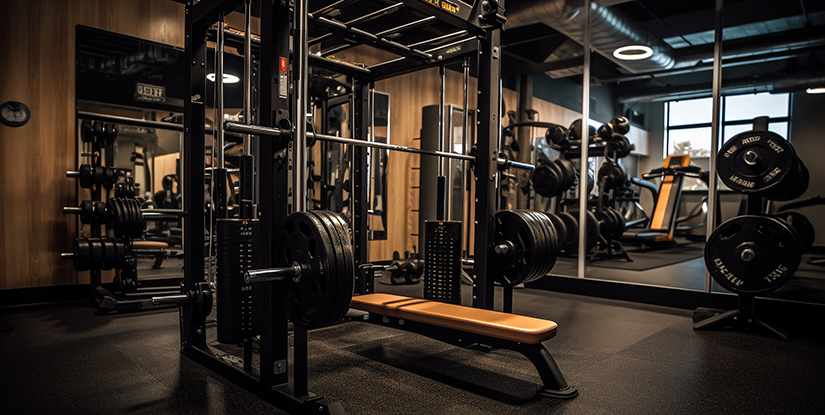
When a boutique strength studio scales its floor space, the decision to invest in a squat rack bench press combo often centers on balancing initial capital expenditure (CAPEX) against long-term versatility. Unlike single-piece benches, these integrated units offer superior footprint efficiency, allowing distributors and facility managers to maximize high-density training zones without sacrificing structural integrity.
Evaluating Configuration Models
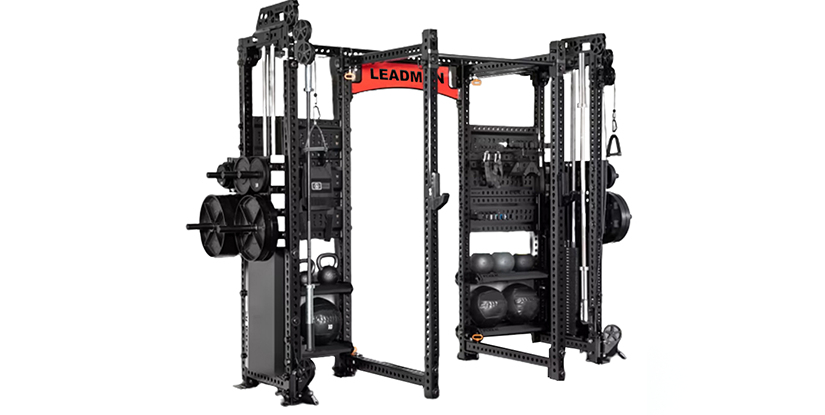
B2B buyers must weigh the benefits of fixed integrated units against modular systems. While a fixed squat rack bench press combo typically offers higher stability and lower assembly complexity, modular configurations provide greater adaptability for changing gym layouts. Choosing the right model depends on whether your priority is immediate stability or future-proof scalability.
| Configuration Type | Primary Advantage | Best For | Complexity Level |
|---|---|---|---|
| Fixed Integrated Unit | Maximum structural stability | Standard commercial gyms | Low (Simple assembly) |
| Modular Strength Station | High footprint efficiency | Boutique studios & Multi-purpose gyms | Moderate (Requires customization) |
| Customized Combo Station | Optimized for specific workflows | High-end performance centers | High (Advanced engineering) |
For distributors managing commercial gym equipment assembly projects, understanding these cost drivers is essential. A modular approach may increase upfront costs due to varied component SKUs, but it reduces long-term reinvestment needs as the facility evolves.
Tiered Investment and Specification Comparison
Procurement managers must align equipment specifications with the intended user density and facility lifecycle. A low-cost model may satisfy immediate needs for a studio, but failure to account for steel gauge or weight bench stability can lead to premature replacement costs and increased maintenance cycles in high-traffic environments.
| Tier Level | Typical Application | Steel Gauge / Frame | Upholstery Quality | Cost Profile |
|---|---|---|---|---|
| Tier 1 (Entry-level/Studio) | Personal training studios | 11-gauge (Standard) | Basic PU Leather | Low CAPEX |
| Tier 2 (Mid-range/Boutique) | Boutique fitness centers | 7-gauge to 11-gauge | High-density Foam / Reinforced PU | Moderate |
| Tier 3 (Heavy-duty/Commercial) | Large-scale commercial gyms | 3mm to 7-gauge High-tensile | Medical-grade Vinyl / Multi-layer Foam | Premium Investment |
When evaluating these tiers, prioritize the structural thickness of the uprights. In heavy-duty settings, the weight bench stability becomes a critical safety metric; thinner steel or inferior upholstery can compromise the user's center of gravity during heavy compound lifts. Selecting a higher tier often results in a lower total cost of ownership (TCO) due to reduced frequency of strength training station upkeep and longer replacement intervals.
Optimizing Total Cost of Ownership (TCO)
For large-scale distributors and gym operators, the true cost of a squat rack bench press combo extends far beyond the initial invoice. A procurement strategy focused solely on the lowest unit price often ignores the hidden expenses of frequent maintenance cycles and premature component failure. High-quality steel gauges and premium upholstery are not just luxury features; they are essential for ensuring a favorable long-term ROI in high-traffic commercial environments.
When calculating your budget, account for the following variables to ensure operational efficiency:
- Component Replacement Costs: Inferior bushings, pins, or upholstery can necessitate frequent part orders, increasing downtime and logistics overhead.
- Logistics and Shipping Considerations: Heavier, high-gauge steel units may increase initial freight costs but offer superior weight bench stability, reducing the risk of structural fatigue.
- Routine Maintenance Requirements: Establishing a consistent strength training station upkeep schedule prevents minor wear from escalating into expensive structural repairs.
Ultimately, sourcing equipment with higher build tolerances minimizes the frequency of commercial gym equipment assembly for repairs, allowing facility managers to focus on growth rather than constant hardware replacement.
Structural Integrity and Weight Bench Stability Standards
High-traffic facility requirements dictate that a professional-grade squat rack bench press combo must withstand constant mechanical stress and heavy loading cycles. For distributors and gym owners, ensuring the structural integrity of these units is a prerequisite for long-term ROI and user safety in demanding commercial environments.
Durability Specifications by Configuration
When evaluating commercial gym equipment assembly, the difference in weight bench stability often comes down to the frame gauge and the footprint of the base. A robust design prevents lateral swaying during heavy lifts, which is critical for maintaining the unit's lifespan under heavy use.
| Configuration Type | Primary Load-Bearing Focus | Typical Durability Profile | Procurement Consideration |
|---|---|---|---|
| Standard Combo Unit | Vertical compression | Moderate; suitable for boutique studios | Lower shipping volume/cost |
| Heavy-Duty Integrated Rack | Multi-directional stability | High; optimized for high-traffic gyms | Requires more floor space |
| Modular Strength Station | Adjustable load distribution | Premium; high structural rigidity | Higher MOQ/Initial investment |
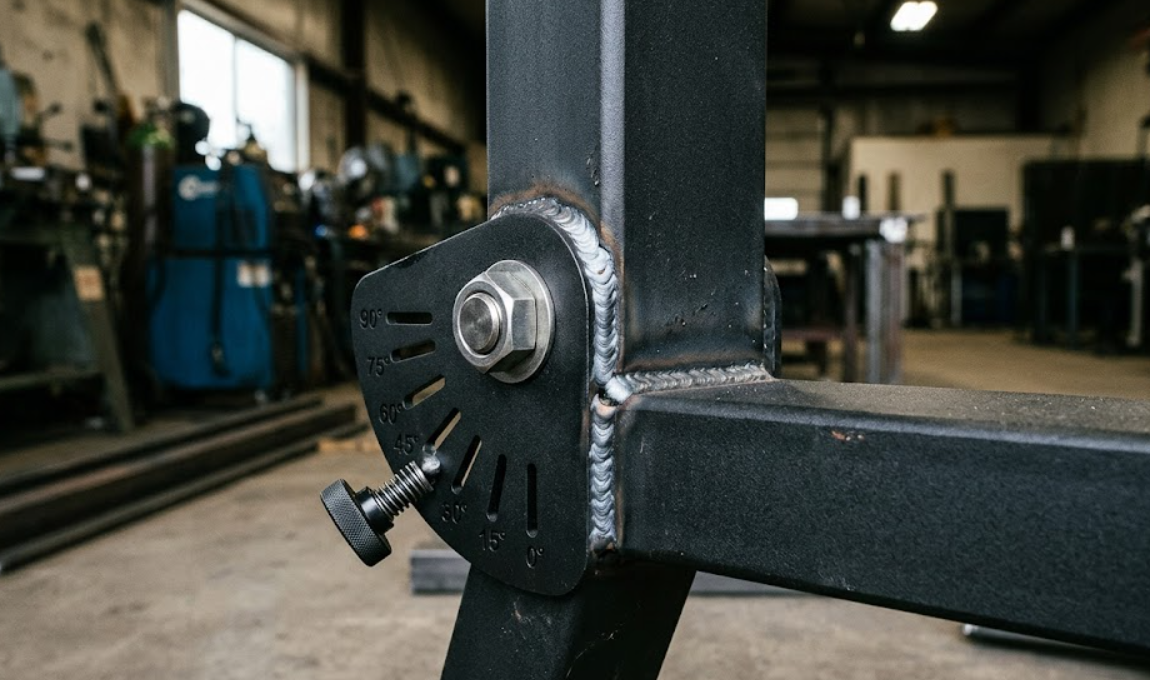
Selecting a unit with a high load-bearing capacity ensures the station remains functional despite the rigorous demands of daily strength training. Buyers should prioritize reinforced steel junctions to mitigate the risks of frame fatigue over time.
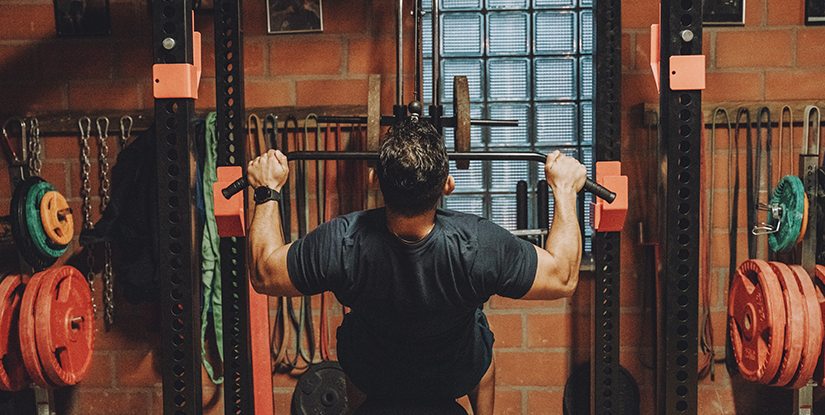
Beyond the basic footprint, the technical specifications of the steel itself determine the total cost of ownership. For wholesale buyers and facility managers, understanding the nuance between metal thickness and upholstery resilience is essential to avoid premature replacement cycles.
Technical Comparison: Steel Gauge and Material Longevity
The distinction between 11-gauge and 14-gauge steel is often the deciding factor in how asquat rack bench press comboperforms under extreme load. While 14-gauge steel is common in light commercial settings, 11-gauge steel provides the structural rigidity required for high-intensity training environments where heavy barbell drops and lateral movement are frequent.
| Technical Metric | 14-Gauge Steel (Light Commercial) | 11-Gauge Steel (Professional/Heavy) |
|---|---|---|
| Structural Rigidity | Moderate; suitable for controlled environments | Superior; minimizes vibration and sway |
| Upholstery Grade | Standard PU/Vinyl | High-density, tear-resistant commercial PU |
| Maintenance Frequency | Quarterly bolt/joint inspections | Bi-annual structural integrity checks |
| Lifespan Expectation | 3–5 years in high-traffic settings | 7–10+ years in high-traffic settings |
When negotiating with manufacturers, specify the requirement for high-density foam and reinforced stitching in the bench component. This focus on strength training station upkeep and material quality ensures that the upholstery does not crack or lose shape, protecting the buyer's long-term investment and reducing frequent replacement orders.
Logistics and Installation Precision
Successful deployment of asquat rack bench press combodepends heavily on the precision of the initial setup. Procurement managers must account for significant shipping weight considerations when planning logistics, as heavy-gauge steel units require specialized handling and robust flooring to prevent uneven load distribution.
To maintain long-term structural integrity, technicians must prioritize floor leveling during the assembly phase. Even a minor tilt can compromise the unit's center of gravity, leading to premature wear on joints. Furthermore, strict adherence to bolt torque consistency is non-negotiable; over-tightening can strip threads, while under-tightening leads to vibration-induced loosening during heavy sets.
From a sourcing perspective, we recommend implementing rigorous distributor quality control (QC) check-points before the equipment leaves the factory. Verifying that all components are present and that the frame geometry is perfectly square reduces the likelihood of costly on-site adjustments and ensures that strength training station upkeep remains a predictable, low-frequency task for facility staff.
Spatial Requirements and Facility Layout
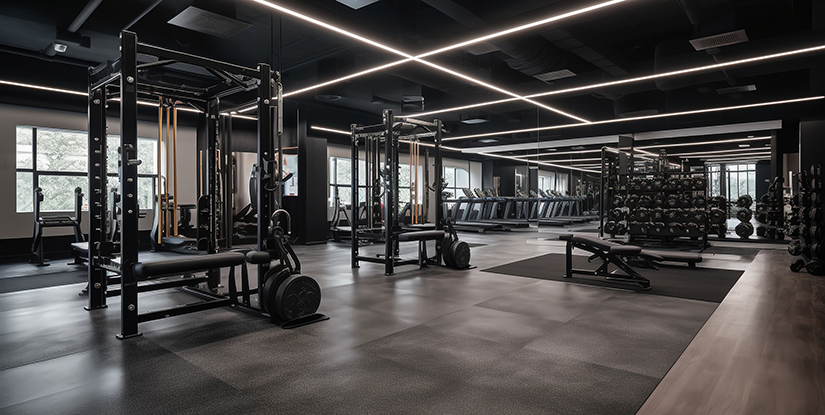
When planning a facility layout, procurement managers must distinguish between the static footprint of a squat rack bench press combo and its necessary operational footprint. The static footprint refers strictly to the floor space occupied by the steel frame, whereas the operational footprint accounts for the movement of the barbell, the bench adjustment arc, and the range of motion for the lifter.
Effective commercial gym equipment assembly requires calculating a safety clearance zone that extends at least 3 to 4 feet beyond the physical dimensions of the unit in all directions. This buffer prevents collisions with adjacent strength stations and ensures that weight plates do not strike walls or other machinery during heavy sets. For distributors and gym owners, failing to account for this clearance during the initial sourcing phase can lead to inefficient floor utilization and increased liability risks in high-traffic training environments.
Configuration Comparison: Wall-Mounted vs. Free-Standing
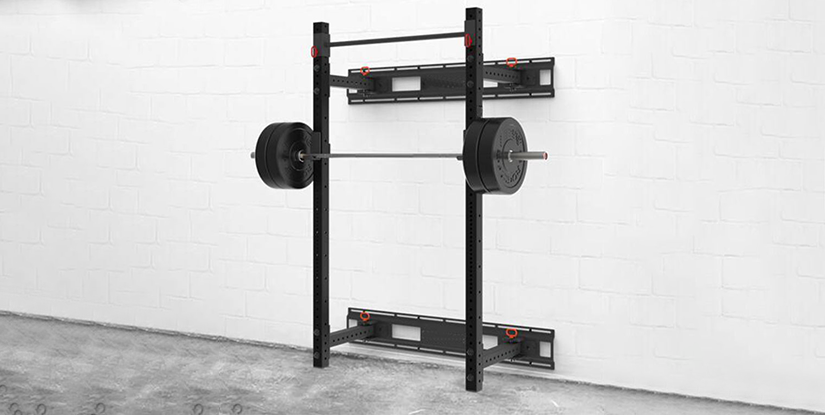
Selecting the appropriate mounting configuration is critical for optimizing floor area and ensuring long-term structural integrity. While free-standing units offer maximum versatility for layout adjustments, wall-mounted systems are often preferred in boutique or high-density settings where floor space is at a premium. Procurement teams should evaluate these options based on the structural capacity of the facility's walls and the required weight bench stability during heavy eccentric loading.
| Feature | Wall-Mounted Configuration | Free-Standing Configuration |
|---|---|---|
| Space Efficiency | High; minimizes floor footprint | Moderate; requires full clearance |
| Installation Complexity | High; requires structural wall anchors | Low; standard assembly |
| Stability Profile | Rigid; depends on wall integrity | Independent; relies on base weight |
| Mobility/Relocation | Permanent or semi-permanent | Highly mobile for layout changes |
For distributors managing large-scale shipments, free-standing models generally offer lower installation barriers and fewer site-specific technical requirements. However, in urban commercial gyms where square footage dictates profitability, a wall-mounted squat rack bench press combo can significantly increase the total number of usable training stations per square meter.
Logistics and On-Site Assembly Logistics
Managing the arrival of heavy-duty strength stations requires advanced coordination between the distributor and the local facility manager. Because these units are shipped in multiple heavy crates to protect the structural integrity of the steel, the total shipping volume often exceeds the physical footprint of the finished product. Procurement teams should ensure the delivery zone is not only accessible for heavy freight but also capable of accommodating the unboxing process without obstructing vital pathways.
A dedicated assembly area is essential for a clean commercial gym equipment assembly. We recommend designating a staging zone that is at least 1.5 times the size of the final unit to account for discarded packaging, crate components, and the distribution of fasteners. This prevents disorganized work environments that can lead to lost hardware or damage to the powder coating. For large-scale orders, verify that your loading dock or delivery point can handle the specific weight distribution of the pallets to avoid delays in the installation timeline.
Technical Requirements for Precision Installation
Establishing a reliable foundation is the first step in high-standard commercial gym equipment assembly. A properly installed squat rack bench press combo must meet specific structural rigidity benchmarks to ensure operator safety and long-term durability in high-traffic strength training zones.
Structural Integrity and Floor Alignment
Before unboxing, procurement managers must verify that the installation site supports the total static load of the unit. Precision floor leveling is non-negotiable; even a slight incline can compromise weight bench stability and lead to uneven wear on the frame. For professional-grade facilities, we recommend anchoring the uprights directly to the subfloor to eliminate micro-vibrations during heavy lifts. This level of structural rigidity prevents the gradual loosening of bolts, which is a common failure point in lower-quality modular setups.
| Installation Metric | Requirement for Commercial Use | Impact on Equipment Lifespan |
|---|---|---|
| Surface Leveling | < 1° deviation across base | Prevents uneven frame stress |
| Fastener Torque | Standardized per manufacturer spec | Maintains structural rigidity |
| Anchor Depth | Minimum 2-inch concrete penetration | Ensures maximum weight bench stability |
Optimizing TCO Through Strength Training Station Upkeep
For distributors and facility managers, the Total Cost of Ownership (TCO) is heavily dictated by the rigor of the maintenance schedule. Neglecting routine inspections leads to accelerated wear and tear on moving parts, such as J-cups and adjustable bench rails. To maintain peak functionality, implement a tiered inspection protocol that addresses both structural hardware and mechanical friction points.
Regular lubrication of sliding mechanisms is essential to prevent metal-on-metal grinding, which can degrade the aesthetic and functional quality of the unit. Furthermore, periodic verification of bolt torque ensures that the vibrations from heavy barbell drops do not compromise the assembly over time. A proactive approach to strength training station upkeep minimizes emergency repair costs and prevents premature equipment replacement.
| Maintenance Task | Frequency | Technical Focus |
|---|---|---|
| Bolt Torque Check | Quarterly | Verify fastener tightness at all load-bearing joints |
| Lubrication | Bi-Annually | Apply silicone-based lubricant to rails and adjustment pins |
| Visual Inspection | Monthly | Identify surface coating chips or upholstery wear and tear |
| Stability Audit | Annually | Re-check floor anchors and leveling accuracy |
Sourcing Standards for Long-Term Reliability
From a procurement standpoint, the long-term durability of a squat rack bench press combo depends heavily on the quality of the underlying hardware. B2B buyers should prioritize suppliers that implement rigorous quality control (QC) protocols during the manufacturing phase. High-grade, heavy-duty hardware—such as zinc-plated bolts and high-tensile steel pins—is critical to preventing structural fatigue in high-volume commercial environments.
Effective distributor oversight also involves auditing the availability of component replacement parts. A reliable manufacturing partner will offer standardized, replaceable parts for high-wear elements like bench padding, adjustment pins, and J-cup sleeves. Ensuring that these essential components are readily available in the supply chain prevents minor wear from escalating into total unit obsolescence, thereby protecting your initial capital investment and ensuring a higher return on equipment longevity.
Preventative Maintenance and Strength Training Station Upkeep
Implementing a rigorous preventative maintenance protocol is essential for protecting the long-term ROI of your facility. For distributors and gym owners, neglecting routine inspection schedules can lead to compromised structural integrity, increasing both liability risks and replacement costs. High-traffic environments demand a systematic approach to ensure every squat rack bench press combo remains a reliable asset.
Technical Maintenance Checklist for Facility Managers
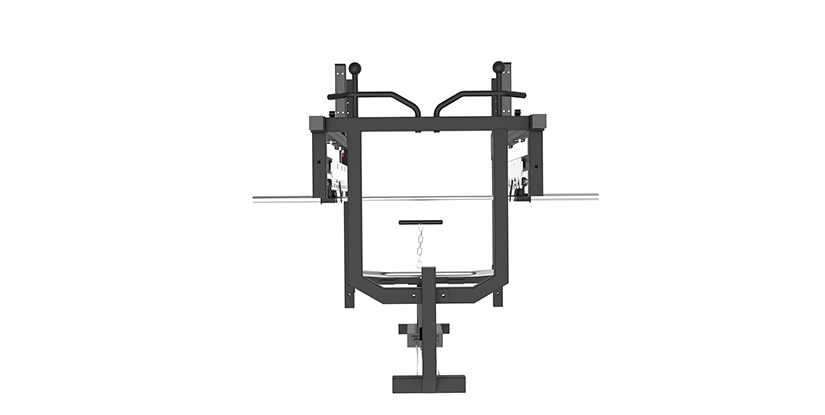
To maintain peak performance and safety standards, technical staff should utilize a granular inspection checklist. This level of detail prevents minor wear from escalating into costly structural failures. Below is a standardized technical tracking guide for monitoring the specific components of a high-performance strength training station.
| Component | Maintenance Task | Frequency | Inspection Focus |
|---|---|---|---|
| Frame Fasteners | Bolt tightening | Quarterly | Structural torque and vibration loosening |
| Guide Rails & J-Cups | Lubrication | Monthly | Barbell smoothness and friction reduction |
| Bench Padding | Upholstery check | Monthly | Surface tears, seam integrity, and foam density |
| Barbell Knurling | Visual inspection | Bi-Annually | Abrasive quality and oxidation/rust presence |
Maintaining these specific touchpoints ensures that the weight bench stability remains within manufacturer tolerances. For procurement managers, documenting these cycles provides a verifiable paper trail for liability compliance and helps justify the long-term value of high-grade commercial gym equipment assembly.
Mitigating Risk Through Distributor Support and Parts Availability
Long-term facility longevity depends heavily on the reliability of the supply chain following the initial purchase. When managing high-volume commercial gym equipment assembly, the risk of downtime due to a single broken component can negatively impact gym throughput and user satisfaction. It is critical for procurement officers to vet suppliers based on their replacement parts availability and the robustness of their distributor support systems.
Relying on a manufacturer that offers easy access to individual hardware, upholstery panels, or adjustment pins ensures that standard wear and tear does not necessitate a full unit replacement. High-quality commercial durability is not just about the initial steel gauge, but about the ability to maintain the equipment throughout its lifecycle. We recommend verifying that your supplier maintains a dedicated inventory for common wear items, allowing for rapid repairs that protect your total cost of ownership and prevent premature equipment obsolescence.
Optimizing Procurement ROI and Total Cost of Ownership
When sourcing a squat rack bench press combo for large-scale facility deployments, procurement managers must look beyond the initial invoice price. True cost-efficiency is found by balancing the upfront unit cost against the total cost of ownership (TCO), which includes long-term durability and the frequency of required upkeep.
Investing in high-gauge steel and precision-engineered components may increase initial capital expenditure, but it significantly reduces the long-term expenses associated with commercial gym equipment assembly adjustments and premature part replacement. Lower-tier alternatives often lead to higher operational costs due to frequent structural instability and increased labor requirements for repairs.
| Procurement Metric | Entry-Level Wholesale Units | Premium Commercial Grade |
|---|---|---|
| Initial Unit Cost | Lower | Moderate to High |
| Structural Longevity | Limited (High Wear) | Extended (High Durability) |
| Maintenance Frequency | Frequent Adjustments | Minimal Scheduled Care |
| TCO Impact | High (Replacement Costs) | Low (Long-term Stability) |
Evaluating Sourcing Tiers: OEM vs. Standard Wholesale
Distributors and facility owners often face a strategic choice between standard wholesale stock and customized OEM production. This decision directly impacts weight bench stability and the overall reliability of the strength training station. While standard wholesale models offer faster lead times and lower MOQs, they may lack the specific tolerances required for high-traffic commercial environments.
For high-volume distributors, opting for OEM specifications allows for tighter control over steel gauge consistency and powder coating thickness. This level of customization is vital for strength training station upkeep, as it ensures that moving parts and adjustment pins remain within strict tolerances, preventing the structural wobbles common in generic mass-market builds.
| Tier Type | Material/Build | QC Focus | Price Level |
|---|---|---|---|
| Standard Wholesale | Standard 11-gauge steel | Basic functional testing | Budget-friendly |
| Custom OEM | Premium 12-gauge+ steel | Precision tolerance & finish | Premium/Variable |
Selecting the correct tier requires a balance between immediate shipping needs and the long-term reputation of your equipment brand. High-spec OEM builds typically offer a better return on investment for premium fitness clubs where equipment downtime is not an option.
Logistics and Inventory Management Strategy
Navigating the complexities of international logistics requires a disciplined approach to volume optimization and order sizing. To minimize the impact of freight costs on your margin, aim to align your order volume with full container load (FCL) or high-density pallet configurations. Because a squat rack bench press combo involves both heavy steel frames and high-volume, lighter-weight accessories, smart packaging can significantly reduce the volumetric weight penalties often applied by ocean carriers.
When negotiating with manufacturers, leverage factory-direct benefits by understanding their specific MOQ thresholds. Ordering closer to the minimum requirement for customized components can lower your per-unit cost, but larger, consolidated orders often yield better shipping efficiencies. Finally, to avoid the hidden costs of damaged inventory, insist on rigorous quality inspection protocols. A third-party or factory-led inspection should verify weld integrity and component compatibility before the shipment leaves the port, ensuring that your arrival-ready stock meets commercial standards without the need for costly returns or localized repairs.