Gym Power Rack | Evaluating Long Term Value of Commercial
Analyzing Total Cost of Ownership for Heavy-Duty Strength Racks
Calculating the true value of a gym power rack requires looking beyond the initial purchase order to account for long-term operational risks, technical specifications, and eventual shipping or replacement logistics. Procurement professionals must evaluate how structural durability influences the total cost of ownership, ensuring that a lower upfront price does not lead to premature failure or excessive maintenance cycles in high-traffic environments.
Initial Investment vs. Maintenance
The distinction between initial investment and long-term operational expense is critical when sourcing commercial strength training equipment. While a budget-friendly unit might lower immediate capital expenditure, it often lacks the gauge thickness required for heavy-duty use, leading to increased repair costs or early decommissioning. High-grade steel construction and superior powder coating quality are not merely aesthetic choices; they are essential investments that prevent oxidation and structural fatigue, effectively extending the equipment lifecycle and reducing the frequency of replacement cycles for distributors and facility owners.
Tiered Comparison: Performance and Longevity
Distinguishing between equipment tiers is essential for accurate budgeting and inventory planning. Selecting the wrong tier can lead to high replacement frequency in high-traffic facilities, where the cost of labor and downtime often exceeds the original savings of a lighter-duty unit. The following table illustrates how steel gauge and structural integrity impact the expected service life across different market segments.
| Equipment Tier | Typical Steel Gauge | Weight Capacity | Expected Service Life |
|---|---|---|---|
| Entry-Level / Residential | 11–14 Gauge | Low to Moderate | 1–3 Years |
| Mid-Range / Semi-Commercial | 7–11 Gauge | Moderate to High | 4–7 Years |
| Heavy-Duty Commercial | 3mm+ (High-Grade) | Extreme / High-Volume | 10+ Years |
When evaluating power rack durability standards, procurement managers should prioritize the thickness of the steel and the quality of the welding. A heavier gauge provides the necessary stability for heavy compound movements, significantly lowering the long-term gym equipment lifecycle cost by mitigating the need for frequent hardware adjustments or frame replacements.
Mitigating Hidden Costs Through Quality Control and Logistics
Beyond material thickness, procurement managers must address the invisible expenses associated with assembly and transit. A high-quality gym power rack can become a liability if shipping volumes are poorly optimized or if the components lack precision during the manufacturing stage. To ensure a high long-term ROI, sourcing strategies should prioritize manufacturers with rigorous QC inspection protocols that verify hole alignment and weld integrity before the unit leaves the factory.
Inconsistent manufacturing leads to poor assembly stability, forcing onsite technicians to spend excessive hours troubleshooting misaligned uprights or loose bolts. Furthermore, effective logistics optimization—such as standardized packaging and efficient volumetric weight management—can significantly reduce the landed cost per unit. By selecting suppliers who emphasize precision engineering and streamlined shipping configurations, distributors can avoid the high costs of returns, onsite repairs, and delayed facility openings.
Structural Integrity and Long-Term Durability Standards
The foundational value of a professional gym power rack rests on its ability to withstand high-frequency, high-impact use without structural deformation. For distributors and facility managers, assessing the structural integrity of commercial strength training equipment is the primary defense against premature replacement costs and liability issues.
High-quality manufacturing must prioritize heavy-duty steel gauge thickness and consistent weld strength to meet rigorous facility safety standards. A rack that lacks these specifications may suffer from frame oscillation or joint fatigue under heavy barbell loads, significantly shortening the equipment lifecycle.
| Specification Metric | Standard Commercial Grade | Premium High-Traffic Grade |
|---|---|---|
| Steel Gauge Thickness | 11-gauge steel | 7-gauge or heavy-wall steel |
| Weld Type | Standard MIG welding | Reinforced/Full-penetration welding |
| Frame Stability | Standard uprights | Oversized, heavy-duty uprights |
| Expected Lifecycle | Moderate usage/Boutique studios | High-volume/Full-scale commercial gyms |
Beyond the steel gauge, the longevity of your investment depends heavily on the surface finish and the structural load capacity. A sub-par powder coating may chip or peel under the constant friction of barbell movement, leading to oxidation and frame degradation. When sourcing for large-scale distribution or high-traffic facilities, understanding these technical distinctions helps mitigate the long-term gym equipment lifecycle cost.
Material Specifications and Durability Comparison
Procurement managers should differentiate between light-duty models and professional-grade equipment by analyzing the tolerance for heavy load cycles. While thinner gauge steel might suffice for residential or boutique settings, professional environments require specific coatings and structural densities to maintain a high ROI.
| Feature Metric | Light-Duty / Studio Grade | Professional Commercial Grade |
|---|---|---|
| Steel Gauge | 14-gauge steel | 11-gauge or thicker steel |
| Powder Coating | Standard electrostatic paint | High-impact, scratch-resistant finish |
| Weight Capacity | 300–500 lbs (typical) | 800–1,000+ lbs (typical) |
| Primary Use Case | Home gyms / Small studios | Commercial strength training facilities |
Choosing the higher specification ensures that the gym power rack remains structurally sound even under extreme eccentric loading. For wholesalers, prioritizing these high-grade materials reduces the frequency of warranty claims and enhances brand reliability in competitive markets.
Maintenance Cycles and Total Cost of Ownership
Evaluating the long-term ROI of a gym power rack requires looking beyond the initial purchase price to the total cost of ownership (TCO). A significant portion of the gym equipment lifecycle cost is driven by the frequency of maintenance cycles and the eventual replacement of worn components. In high-traffic commercial settings, the most common points of failure are not the primary uprights, but the adjustment points, such as J-cups, spotter arms, and pin-loaded mechanisms.
Constant wear and tear on adjustment points can lead to loose tolerances or even structural failure if the parts are not manufactured to high precision. For distributors and facility owners, sourcing equipment with high-grade bushings and reinforced attachment points reduces the need for frequent technical interventions. When a rack maintains its structural stability over time, it minimizes downtime and labor costs associated with repairs. Investing in a higher-spec model may require more upfront capital, but it ultimately yields a superior long-term ROI by extending the interval between full-scale equipment replacements and reducing the operational overhead of routine maintenance.
Comparing Full Power Racks Against Modular Alternatives
When calculating the total cost of ownership for commercial strength training equipment, buyers must distinguish between the low initial CAPEX of fixed structures and the long-term value of modular systems. While a standard fixed gym power rack offers a predictable upfront price, it often lacks the flexibility required for evolving facility layouts.
Investment Profiles: Fixed vs. Modular Systems
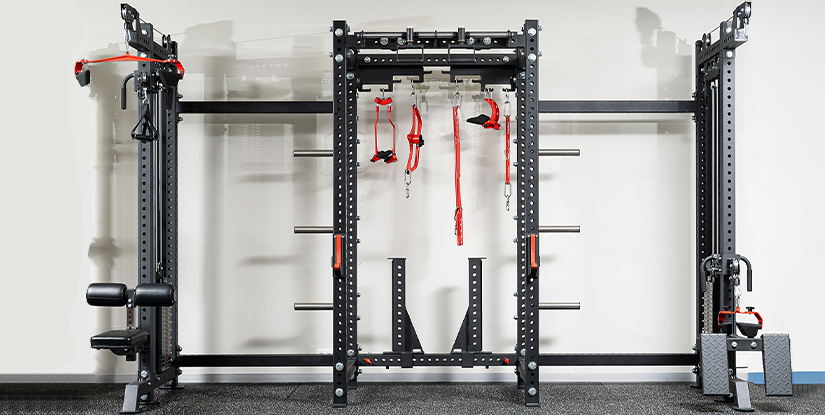
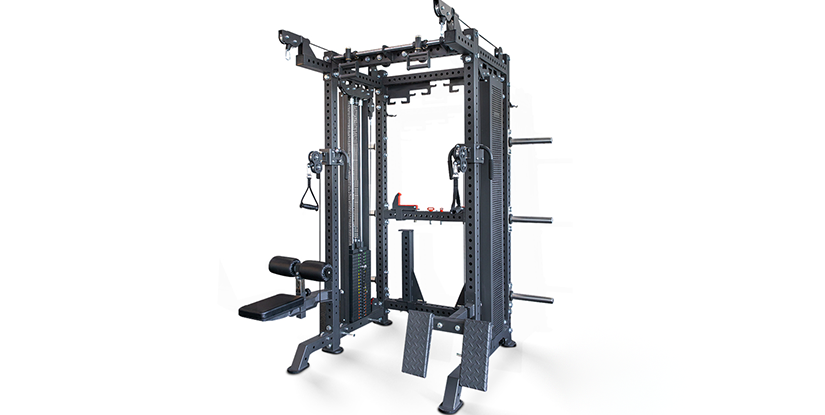
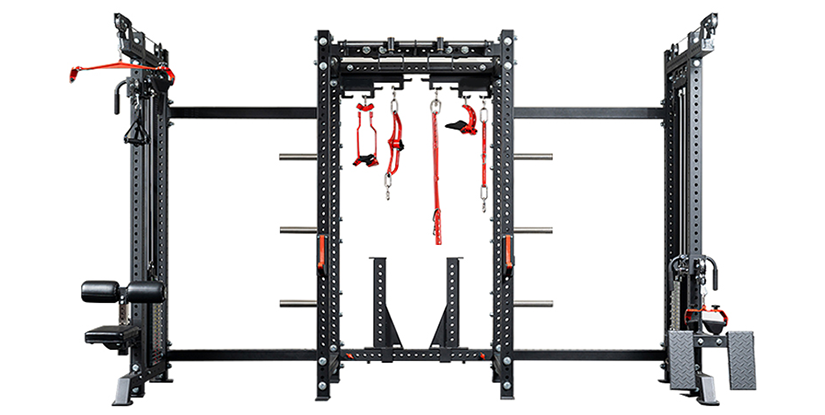
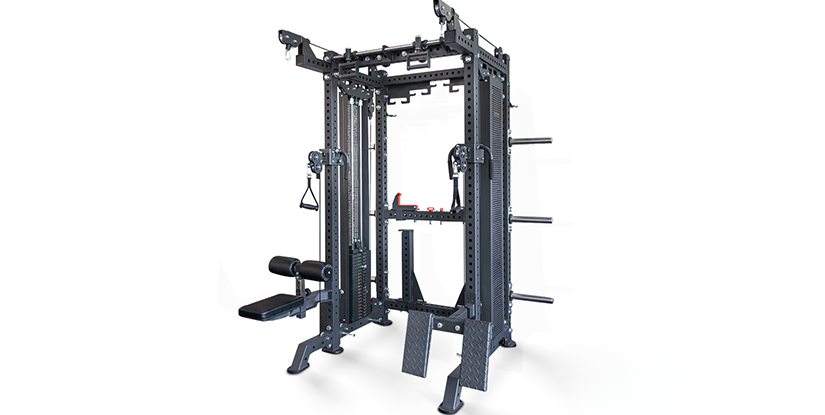
Fixed-frame racks are generally more cost-effective for single-purpose setups where the footprint is permanent. However, as a facility grows, these units become static assets that cannot easily integrate new functions. In contrast, modularity provides a strategic advantage for distributors and gym owners. Although modular systems may require a higher initial investment, they offer superior scalability, allowing you to add cable attachments, pull-up bars, or specialized plates without replacing the entire unit.
| Feature | Fixed Frame Racks | Modular Strength Systems |
|---|---|---|
| Initial CAPEX | Lower/Predictable | Higher/Variable |
| Scalability | Limited | High (Add-on Compatible) |
| Facility Layout | Rigid Footprint | Adaptable/Expandable |
| Long-term ROI | Standard Replacement Cycle | Extended via Upgrades |
Evaluating the durability and maintenance requirements of these two configurations is essential for accurate gym equipment lifecycle cost projections. A fixed structure typically demands less frequent mechanical upkeep, but a modular setup allows for targeted component replacement rather than full-unit disposal.
Operational Efficiency and Lifecycle Comparison
From a procurement standpoint, the decision hinges on whether the facility prioritizes immediate budget savings or long-term operational agility. For high-traffic commercial environments, the ability to swap out or upgrade specific parts of a modular system can significantly lower the frequency of total equipment replacement cycles.
| Evaluation Metric | Full Power Racks (Fixed) | Modular Strength Systems |
|---|---|---|
| Maintenance Complexity | Low (Structural focus) | Moderate (Moving parts/attachments) |
| Replacement Cycle | Full unit replacement required | Component-based upgrades |
| Footprint Optimization | Static/Permanent | Dynamic/Reconfigurable |
| Cost-Efficiency Profile | High Short-term ROI | High Long-term TCO Value |
Distributors should note that while modular systems present more complex shipping and assembly logistics, they provide a more resilient inventory solution for clients managing multi-site rollouts or evolving boutique studio layouts.
Strategic Procurement: MOQ and Volume-Based Logistics
For large-scale distributors and facility operators, the procurement strategy must extend beyond the unit price to include the logistical implications of volume. High-quality gym power rack manufacturing often requires a specific MOQ to secure the most competitive wholesale rates, especially when customized coatings or reinforced steel specifications are requested. While smaller orders may offer lower upfront risk, they often result in a higher gym equipment lifecycle cost due to increased per-unit shipping fees and fragmented inventory management.
When planning multi-site rollouts, evaluating the relationship between order volume and maintenance frequency is vital. Bulk purchasing allows for the inclusion of a "spare parts kit"—such as replacement J-cups or bolts—within the initial shipment. This proactive approach optimizes long-term ROI by ensuring that minor wear does not lead to extended equipment downtime. Furthermore, aligning your procurement with rigorous power rack durability standards during the initial bulk order ensures that the structural integrity remains consistent across all locations, reducing the need for varied maintenance protocols across different facilities.
Maintenance Requirements and Lifecycle Management
Effective facility management relies on a proactive approach to equipment upkeep to prevent premature depreciation. For a high-use gym power rack, maintenance extends beyond simple cleaning; it requires a systematic verification of structural integrity to ensure long-term safety and operational continuity.
Standard protocols for commercial strength training equipment typically involve a routine inspection of load-bearing connections and moving parts. Buyers should evaluate how easily components like J-cups, safety spotters, and adjustment pins can be serviced or replaced. Neglecting these minor touchpoints can lead to significant downtime or costly structural failures, directly impacting the total lifecycle cost of the installation.
When sourcing at scale, procurement managers must differentiate between frame construction types to predict long-term labor costs. The choice between bolt-together and fully welded configurations significantly alters the frequency of routine inspections and the technical skill required for upkeep.
| Configuration Type | Maintenance Frequency | Primary Maintenance Tasks | Wear and Tear Profile |
|---|---|---|---|
| Bolt-Together Frames | Quarterly or Bi-Annually | Hardware tightening and bolt torque checks | Loose connections or slight structural shifting |
| Fully Welded Frames | Annually | Surface inspection and pin/guide lubrication | Minimal; primarily focused on moving parts |
While welded frames offer a more rigid structure with lower long-term maintenance needs, bolt-together models provide greater flexibility for distributors regarding shipping volumes and ease of on-site assembly. However, the latter requires a more disciplined schedule for hardware tightening to prevent vibration-induced loosening in high-traffic commercial environments.
Optimizing TCO Through Preventative Care
To minimize the total gym equipment lifecycle cost, facilities must prioritize the preservation of both mechanical and aesthetic components. A neglected rack often suffers from more than just mechanical wear; environmental degradation can compromise the long-term value of the investment. For instance, ensuring high coating durability through premium powder coating or specialized finishes prevents oxidation and chipping, which are common in high-humidity or high-traffic commercial settings.
A disciplined preventative maintenance program should include a scheduled professional inspection of all load-bearing interfaces. Beyond checking for structural fatigue, procurement teams must account for regular hardware replacement cycles. High-use components such as nylon bushings, pins, and specialized adjustment mechanisms are subject to friction-based wear and should be stocked as readily available replacement parts. By integrating these minor costs into an annual budget rather than reacting to failures, distributors and facility managers can extend the operational lifespan of the rack and avoid the high overhead of emergency replacements.
Sourcing Strategies for High-Volume Commercial Orders
Scaling a fitness facility requires a fundamental shift from retail-based purchasing to strategic procurement. While single-unit acquisitions work for boutique studios, large-scale gym rollouts demand a transition toward factory-direct sourcing to optimize the total cost of ownership for every gym power rack in the inventory.
Optimizing Procurement Scale and Margins
Moving from consumer-grade retail to professional commercial strength training equipment involves navigating the complexities of volume-based logistics. When procurement moves beyond individual orders, the focus shifts toward managing distributor margins and understanding MOQ (Minimum Order Quantity) requirements. By bypassing local retail markups and working directly with manufacturers, buyers can secure higher-spec steel gauges and more robust structural designs at a lower price point per unit.
| Sourcing Model | Primary Cost Driver | Ideal For | Logistical Complexity |
|---|---|---|---|
| Retail/Single-Unit | High Markup/Shipping | Boutique Studios | Low |
| Distributor/Wholesale | Inventory Buffering | Regional Gym Chains | Medium |
| Factory-Direct | MOQ/Freight Management | Large-Scale Rollouts | High |
Deciding between a local distributor and direct factory procurement involves a strategic trade-off between immediate availability and long-term margin optimization. While distributors offer speed, direct sourcing provides the control necessary to manage the gym equipment lifecycle cost across multiple facilities.
| Metric | Local Distributor | Direct Factory Import |
|---|---|---|
| Lead Time | Short (In-stock) | Extended (Production + Transit) |
| Shipping Costs | Lower (Domestic Freight) | Higher (Ocean/Container Logistics) |
| QC Oversight | Limited to Brand Standards | Direct Inspection Capability |
| Customization | Standard SKUs Only | High (Spec-driven builds) |
| Total TCO | Higher per unit | Optimized for high volume |
For procurement managers, the choice often depends on the rollout timeline. If the priority is rapid deployment of a single gym power rack or a small studio set, the distributor model minimizes logistical friction. However, for multi-site expansions where structural uniformity and cost-efficiency are paramount, direct factory sourcing allows for rigorous control over steel gauge, powder coating quality, and specialized attachment compatibility.
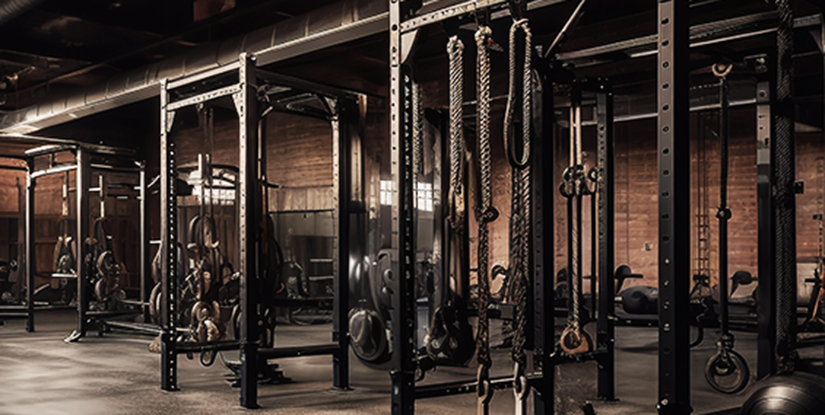
Mitigating Risk in Heavy Equipment Logistics
High-volume procurement of heavy steel equipment introduces specific risks regarding structural integrity and transit damage. To protect your investment, logistics optimization must go beyond simple freight booking. Efficient container loading strategies are essential to prevent frame deformation or paint chipping caused by shifting weight during ocean transit.
Professional buyers should mandate strict inspection protocols before any shipment leaves the factory floor. This includes verifying the structural integrity of weld points and ensuring all uprights meet specified tolerances. Implementing a pre-shipment verification process helps mitigate long-term maintenance costs by ensuring that no compromised components reach your facility. By prioritizing these rigorous quality control standards, you ensure that every unit arrives ready for immediate, high-traffic commercial use without the need for costly on-site repairs or premature replacement.
Optimizing Procurement for Global Distribution and Logistics
Efficient logistics management and rigorous manufacturing standards directly dictate the long-term operational costs of any facility. For distributors, the relationship between initial shipping weight and subsequent maintenance cycles is a critical variable in calculating the total cost of ownership for commercial strength training equipment.
Structural Integrity and Operational Downtime
When sourcing a gym power rack at scale, the focus must extend beyond freight costs to the long-term impact of structural stability. High-quality manufacturing reduces operational downtime by ensuring that the frame remains rigid under heavy load cycles. Substandard welding or thin-gauge steel often leads to premature wear in adjustment points, forcing facilities into unplanned maintenance cycles. By prioritizing equipment with superior structural integrity, procurement managers can minimize the frequency of part replacements and avoid the labor costs associated with frequent equipment inspections.
Technical Maintenance and Coating Standards
The longevity of a gym power rack is often determined by the quality of its surface treatment and the precision of its mechanical interfaces. While lower-cost alternatives may appear cost-effective during the initial procurement phase, they frequently fail to meet professional power rack durability standards in high-traffic environments. Poorly applied powder coatings are prone to chipping and oxidation, which can eventually compromise the steel frame's integrity. Similarly, imprecise tolerances in bolt housings lead to increased vibration and hardware loosening, necessitating more frequent technical interventions.
To effectively calculate the gym equipment lifecycle cost, buyers should evaluate the following technical specifications regarding coating quality and mechanical upkeep:
| Feature / Standard | Standard Industrial Grade | Premium Commercial Grade |
|---|---|---|
| Powder Coating Durability | Basic electrostatic spray | High-micron, impact-resistant finish |
| Bolt Tensioning Frequency | Monthly inspection required | Quarterly or semi-annual check |
| Lubrication Needs | Regular application for all moving parts | Minimal; optimized for high-use components |
| Expected Service Life | 3–5 years in high-traffic settings | 8–10+ years in commercial environments |
For distributors and large-scale facility managers, selecting equipment with higher-tier coating and tighter mechanical tolerances significantly reduces the long-term labor overhead required for routine upkeep.
QC Protocols and Logistics-Ready Packaging
Mitigating damage during transit is a vital component of wholesale procurement. To ensure a gym power rack arrives ready for immediate use, distributors must verify that the manufacturer implements a rigorous QC inspection and strict packaging standards. A failure in these areas leads to bent uprights or scratched finishes, which complicates assembly precision and increases the total gym equipment lifecycle cost through returns and replacement logistics.
Effective procurement strategies should prioritize suppliers who utilize reinforced heavy-duty corrugated boxing and edge protectors. When managing high-volume orders, ensure the factory provides a detailed pre-shipment inspection report. This protocol confirms that every component—from J-hooks to uprights—meets dimensional tolerances before leaving the warehouse, preventing the common issue of misaligned bolt holes during on-site installation. By enforcing these standards, buyers protect their margins and ensure a seamless rollout for their end-use clients.