Folding Squat Rack for Home Gym | Quality Control Standards
Optimizing SKU Breadth and Inventory Velocity for Compact Strength Solutions
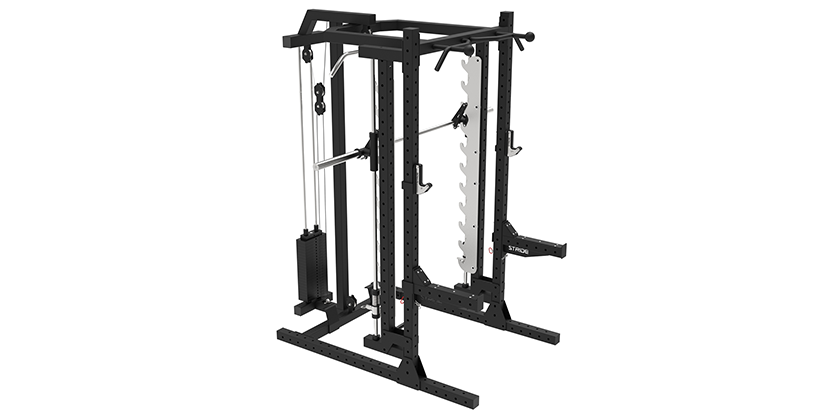
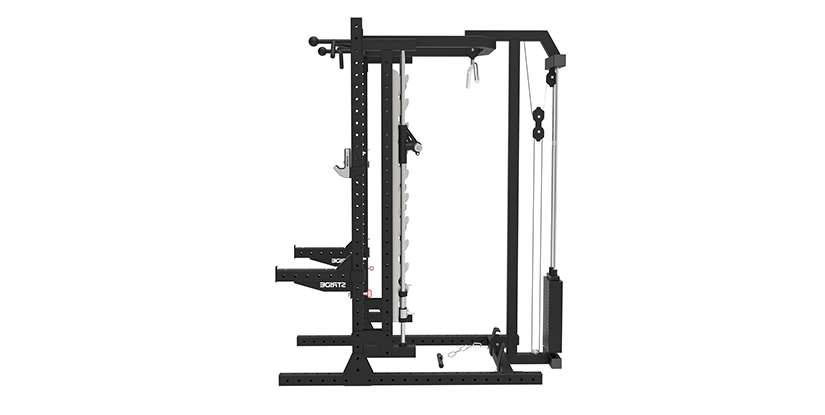
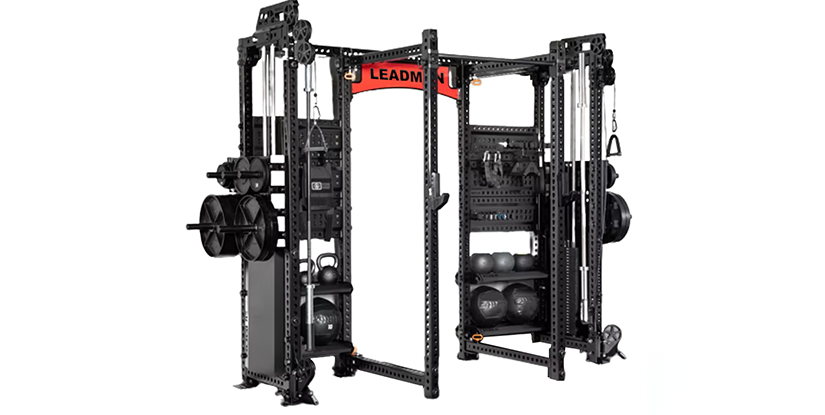
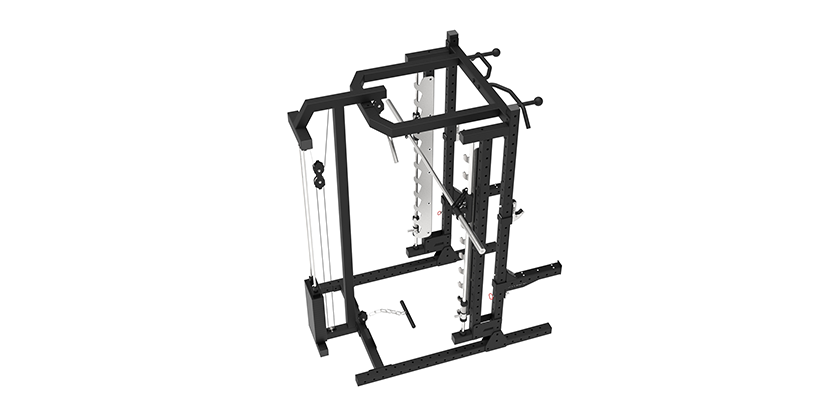
A folding squat rack for home gym applications is a specialized, space-saving strength training unit designed to retract against a wall when not in use. B2B buyers and distributors favor these units to meet the growing demand for high-density, residential-grade fitness solutions that maximize footprint efficiency.
For distributors, managing the variety of a folding squat rack for home gym catalog requires a delicate balance between market appeal and capital tie-up. While offering multiple colors or accessory configurations increases your product depth, it can simultaneously lower inventory velocity if specialized models sit in the warehouse too long. Over-extending your SKU count without strict SKU optimization often leads to fragmented logistics and higher holding costs.
When sourcing commercial folding gym equipment, we recommend focusing on a core set of high-demand specifications. By standardizing heavy-duty steel gauges and common attachment points, you can offer a sense of variety through modular accessories rather than maintaining dozens of unique, heavy-metal chassis. This strategy maintains high turnover rates and ensures your capital remains liquid rather than locked in slow-moving, niche inventory.
To maximize ROI, procurement managers must decide between standardized high-volume models and high-margin customized units. Choosing the right tier depends heavily on your target market—whether you are supplying residential boutique studios or high-end home gym distributors—and how much control you require over the specific strength training rack quality testing protocols used during production.
| Procurement Tier | Cost-Efficiency | Typical MOQ | Lead Time | Primary Use Case |
|---|---|---|---|---|
| Standard/Stock | Highest (Unit Scale) | Low (LCL/Small Batch) | Short (14–30 Days) | Rapid retail replenishment |
| Premium/Semi-Custom | Moderate | Medium (Container Load) | Medium (45–60 Days) | Boutique studio branding |
| Full Custom/OEM | Lower (High Initial CapEx) | High (Full Container) | Long (90+ Days) | Proprietary product lines |
While the Standard tier offers the fastest way to enter the market, the Premium tier often provides a better balance for distributors who want to differentiate their brand through unique finishes or specialized folding mechanisms. When negotiating these tiers, always verify if the vendor includes rigorous folding power rack inspection as part of their standard QC or if it requires an additional surcharge for customized testing protocols.
The Financial Impact of Rigorous Quality Control
Optimizing the total cost of ownership (TCO) extends far beyond the initial unit price. For distributors and large-scale importers, the true cost of a folding squat rack for home gym orders is often hidden in the aftermath of shipping: high return rates, costly reverse logistics, and damaged brand reputations. Implementing a strict folding power rack inspection protocol at the factory level is a proactive hedge against these invisible expenses.
Neglecting strength training rack quality testing during the production phase often results in mechanical failures—such as hinge misalignment or structural instability—that only become apparent during end-user assembly. When these defects reach the consumer, the resulting logistics reliability issues can erode profit margins through expensive replacement shipments and intensive customer support labor. By prioritizing suppliers who demonstrate high-level capability in quality testing, buyers can ensure higher product turnover and minimize the capital drain associated with defective inventory. Ultimately, investing in high-standard commercial folding gym equipment reduces long-term operational friction and protects your bottom line.
The Role of Hinge Integrity in Long-Term Durability
For distributors supplying a folding squat rack for home gym use, the mechanical pivot point represents the highest risk for long-term failure. Unlike static racks, these units rely on moving parts that must maintain precise alignment under heavy loads. If the hinge mechanism lacks sufficient pivot point stability, even minor mechanical wear can lead to structural misalignment, compromising the entire unit's safety during high-intensity sessions.
In the context of commercial folding gym equipment, the load-bearing capacity is not just determined by the steel gauge, but by the strength of the locking pins and hinge bushings. For wholesale buyers, verifying the durability of these contact points is essential to prevent high return rates. Common failure points often include insufficient metal thickness at the pivot or low-grade hardware that cannot withstand the shear forces generated during heavy lifts.
Mechanical Comparison of Hinge Architectures
When vetting manufacturers for high-volume orders, procurement managers must distinguish between basic folding mechanisms and heavy-duty industrial pivots. The choice of hinge architecture directly impacts the total cost of ownership (TCO) and the long-term reliability of the equipment in a commercial or premium residential setting. While lighter pin-based systems may lower the initial unit cost, they often require more frequent maintenance and have a higher risk of mechanical play over time.
| Hinge Mechanism Type | Typical Material Thickness | Friction Resistance | Maintenance Frequency | Cost-to-Durability Ratio |
|---|---|---|---|---|
| Pin-and-Socket | 2.0mm - 2.5mm | Moderate | High (Annual Lubrication) | Excellent (Entry-Level) |
| Integrated Pivot | 3.0mm + | High (Self-Lubricating) | Low (Bi-Annual Check) | Superior (Premium/Commercial) |
| Heavy-Duty Cam Lever | 3.5mm + | Very High | Minimal | High Initial Investment |
For distributors prioritizing longevity, the integrated pivot system typically offers the best return on investment. These systems often utilize precision-engineered bushings that mitigate metal-on-metal friction, reducing the likelihood of structural deformation. When evaluating strength training rack quality testing reports, ensure that the manufacturer specifies the load capacity specifically for the folded versus unfolded states to confirm the hinge can sustain shear forces without losing alignment.
Actionable Inspection Protocols for Pivot Points
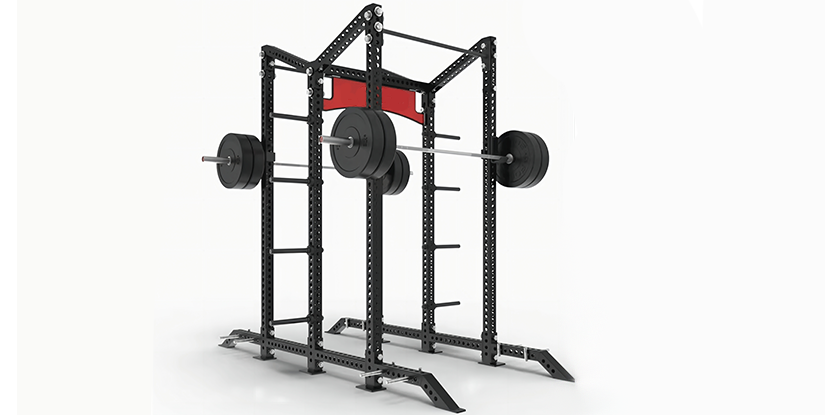
A successful factory audit must move beyond superficial looks to include rigorous strength training rack quality testing of the moving components. During receiving inspections, procurement teams should prioritize a mechanical audit of the pivot points to ensure they meet strict tolerance levels. A high-quality unit should exhibit zero lateral play when the rack is in the fully locked position. If there is any perceptible "wobble" or deviation from the center axis, the unit likely lacks the precision engineering required for long-term commercial use.
The visual inspection of weld points around the hinge housing is equally vital. Inspect for consistent bead thickness and ensure there are no micro-cracks or porosity near the stress points where the folding arm meets the upright. Furthermore, verify that the factory provides specific lubrication requirements for the hardware; high-end commercial folding gym equipment often utilizes specialized grease or nylon bushings to prevent seizing. For a thorough distributor checklist, always demand a sample test where the folding mechanism is cycled 50 times to ensure the movement remains smooth and the resistance stays uniform.
Load-Bearing Stability and Structural Integrity Benchmarks
For distributors and facility managers, the primary risk with any folding squat rack for home gym procurement is the compromise of structural integrity during the folding process. Unlike static racks, a folding design introduces moving parts that must maintain extreme load-bearing stability under heavy compound lifts.
Reliable commercial-grade steel is the baseline requirement, but the true differentiator lies in how the frame manages weight distribution when transitioned from a collapsed to an upright position. Buyers must scrutinize the hinge mechanism and the locking pins to ensure they can withstand lateral forces and high-impact loading without deformation.
| Component Focus | Standard Residential Grade | Commercial-Grade Requirement |
|---|---|---|
| Steel Gauge | 12–14 gauge thin-wall | Heavy-duty 11-gauge or 7-gauge |
| Hinge Durability | Single-point pivot | Reinforced dual-locking hinge |
| Weight Distribution | Centralized load risk | Balanced structural geometry |
| Stability Profile | Occasional wobble | Zero-play rigid connection |
When auditing factory samples or inspecting incoming containers, prioritize the rigidity of the connection points. A high-quality folding squat rack for home gym applications should exhibit no perceptible "play" or vibration in the frame when subjected to moderate rhythmic loading, ensuring long-term ROI for your clients.
Structural Configuration Comparison
Selecting the right configuration depends heavily on your target market's space constraints and intended use intensity. Distributors should differentiate between fixed installations and mobile solutions when building inventory, as the mechanical complexity directly affects both the unit's lifespan and the total cost of ownership (TCO) for the end-user.
Wall-mounted systems offer superior stability for dedicated training zones but require permanent installation, whereas freestanding versions provide versatility for multi-purpose studio layouts. The following table outlines the technical trade-offs between these two primary categories of commercial folding gym equipment.
| Feature/Metric | Wall-Mounted Folding Systems | Freestanding Folding Racks |
|---|---|---|
| Stability Rating | High (Structural Integration) | Moderate (Base-Dependent) |
| Max Load Capacity | Highest (Load-bearing Wall Support) | Standard (Gravity-based Stability) |
| Footprint | Minimal (Zero Floor Projection) | Moderate (Base Frame Required) |
| Maintenance Needs | Low (Fixed Pivot Points) | Moderate (Base/Joint Inspections) |
| Primary Use Case | High-End Home Gyms/Studios | Residential/Small Scale Commercial |
From a procurement standpoint, wall-mounted options typically command a higher price point due to the specialized mounting hardware and reinforced hinge assemblies required. However, they often present a lower long-term maintenance burden for facility managers compared to freestanding models, which may require periodic tightening of base bolts to prevent lateral sway.
Hinge Precision and Joint Durability Protocols
The longevity of a folding power rack inspection hinges on the mechanical integrity of the pivot points. In many commercial settings, the failure of a single hinge or a loose bolt can compromise the entire unit. For B2B buyers, verifying welding quality is critical; look for smooth, continuous beads around the hinge housing rather than spot welds, as these are prone to cracking under repetitive stress.
To ensure long-term reliability, premium manufacturers employ rigorous strength training rack quality testing, specifically focusing on fatigue testing. This involves cycling the folding mechanism hundreds of times under varying resistance to simulate years of use. During your QC process, verify that bolt tension remains consistent and that no lateral play develops in the joints. High-grade commercial folding gym equipment should utilize hardened steel pins and precision-machined bushings to prevent the friction-induced wear that typically plagues lower-tier residential models.
Mitigating Mechanical Failure in Commercial Folding Gym Equipment
Maintaining the mechanical integrity of a folding squat rack for home gym use or high-traffic studio environments requires a strict preventive maintenance schedule. Unlike static racks, folding models rely on dynamic components that are subject to friction and repetitive stress, making routine inspections vital for long-term structural stability.
Prioritizing Hinge Integrity and Lubrication
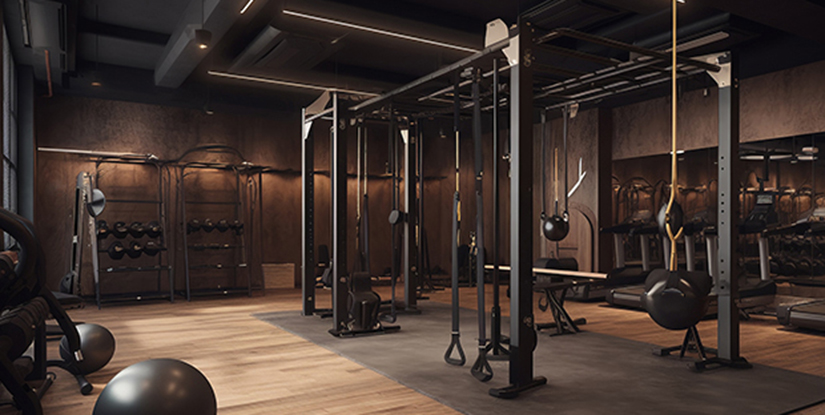
The most critical point of failure in commercial folding gym equipment is the pivot mechanism. Over time, dust and metal shavings can accumulate within the joints, leading to friction that compromises hinge integrity. Distributers and facility managers should implement a quarterly inspection to ensure all bolts remain torqued to specification and that moving parts are treated with a high-grade industrial lubrication. Without consistent oversight, these mechanical joints can become stiff or develop play, which directly threatens the structural stability of the entire unit during heavy lifts.
Calculating the Total Cost of Ownership (TCO) requires more than just the initial freight and unit price. Procurement managers must account for the variable maintenance frequency dictated by the specific hardware used in the design. A rigorous folding power rack inspection protocol should differentiate between standard pivot points and heavy-duty load-bearing hinges to prevent unexpected downtime.
Hinge Type and Maintenance Comparison
Depending on the manufacturing specs and the intended usage intensity, different hinge mechanisms will require varying levels of care to mitigate component wear. The following table outlines the technical differences for procurement evaluation:
| Hinge Mechanism Type | Typical Use Case | Lubrication Requirement | Maintenance Frequency |
|---|---|---|---|
| Standard Pin & Bushing | Light commercial/Residential | Dry Silicone Spray | Bi-annually |
| Heavy-Duty Bearing Hinge | High-traffic Strength Studios | Lithium-based Grease | Quarterly |
| Tension-Controlled Pivot | Premium Boutique Gyms | Minimal / Specialized Oil | Annually |
When sourcing for large-scale distribution, prioritizing units with bearing-based hinges may slightly increase the upfront MOQ cost but significantly lowers the long-term liability regarding mechanical failure and consumer safety complaints.
Operational Checklist for Facility Managers
To uphold strict strength training rack quality testing standards in the field, distributors should implement a routine inspection checklist focused on structural alignment. The primary objective is to monitor the connection between the folding arms and the uprights, as any misalignment can compromise load-bearing stability during high-intensity sessions.
A reliable maintenance protocol must include a monthly check of bolt torque across all primary fasteners. Vibrations from repetitive heavy lifting can cause fasteners to loosen, which is particularly dangerous in collapsible designs. Managers should utilize a torque wrench to verify that every structural bolt meets the manufacturer's specific Newton-meter (Nm) requirements. Furthermore, staff should regularly inspect all pivot points for signs of metal fatigue or uneven wear. By addressing these minor mechanical shifts early, you protect the long-term reliability of your inventory and reduce the risk of catastrophic failure in a commercial setting.
Export-Grade Packaging and Logistics for High-Precision Folding Racks
Maintaining the long-term functionality of a folding squat rack for home gym environments depends heavily on how the unit is protected during international transit. Unlike static heavy-duty racks, folding models rely on calibrated pivot points and precision-engineered joints that are highly sensitive to mechanical shock and environmental stress.
Securing High-Precision Hinge Protection
Distributors and bulk buyers must prioritize suppliers who implement specialized packaging protocols for moving mechanical components. High-precision hinge protection is essential to prevent even microscopic misalignment caused by heavy handling. We recommend ensuring that all folding mechanisms are encased in custom-fit high-density foam or protective sleeves before being boxed. This prevents the metal-on-metal contact that can lead to premature wear or stiffness once the equipment is assembled on-site.
Transit Vibration Resistance and Structural Integrity
To guarantee structural integrity during shipping, the outer carton must be engineered for high transit vibration resistance. Long-distance maritime or cross-continental trucking can subject a folding squat rack for home gym to constant micro-vibrations. Without reinforced double-walled corrugated fiberboard and internal bracing, the structural components may shift, potentially loosening the hardware or damaging the finish. For large-scale wholesale orders, verifying that the manufacturer uses palletized, shrink-wrapped configurations will significantly reduce the risk of arrival-site defects and subsequent return costs.
Packaging Tier Comparison for Global Distribution
Selecting the appropriate packaging method is a strategic decision for distributors balancing freight costs against the risk of product returns. While standard options work for localized shipping, large-scale international wholesale orders often require more robust solutions to protect the sensitive pivot mechanisms and heavy steel profiles inherent in high-quality strength training equipment.
| Feature | Standard Export Packaging | Reinforced Heavy-Duty Crating |
|---|---|---|
| Primary Protection | Double-walled corrugated cardboard | Solid wood or heat-treated plywood |
| Mechanical Security | Standard foam inserts for edges | Custom internal bracing for hinges/joints |
| Best Use Case | LCL shipments or domestic transport | FCL maritime freight & long-haul logistics |
| Risk Mitigation | Moderate protection against surface scratches | Maximum protection against heavy impact/crushing |
| Cost Efficiency | Higher volume-to-weight ratio | Higher upfront shipping/material costs |
For B2B buyers managing high-volume inventory, the reinforced option is often the more economical choice over time. By investing in more stable logistics configurations, you reduce the likelihood of receiving damaged folding components, which preserves your profit margins and maintains your reputation for reliability among end-users.
Optimizing Warehouse Storage and Moisture Control
When managing inventory for commercial folding gym equipment, distributors must account for environmental variables during long-term warehouse storage. High-density steel components are susceptible to oxidation if stored in non-climate-controlled environments. To mitigate this, ensure all shipments utilize moisture-proof protection, such as VCI (Volatile Corrosion Inhibitor) bags or desiccants within the secondary packaging. This is especially critical for sea freight, where salt-heavy air and fluctuating humidity levels can degrade powder coatings or compromise hinge surfaces before the product even reaches the final retailer.
Furthermore, procurement professionals should evaluate MOQ considerations for sea freight to optimize container utilization. Because folding racks are designed for space-saving, their packed dimensions are often more efficient than traditional static racks, allowing for higher density per SKU in a standard 40HQ container. We suggest coordinating with your factory to align production cycles with shipping windows, ensuring that high-volume orders maintain warehouse storage stability through palletized, stackable configurations that prevent crushing and minimize the footprint in your distribution center.
Evaluating Long-Term ROI via Component Quality Testing
Distributors and facility managers must recognize that the initial purchase price of a folding squat rack for home gym applications often masks the true cost of ownership. High-quality commercial folding gym equipment is defined by its ability to maintain structural integrity through repetitive folding cycles and heavy load fluctuations without requiring frequent parts replacement.
Durability vs. Initial Price: the TCO Perspective
Focusing solely on the lowest MOQ or unit price can lead to increased TCO (Total Cost of Ownership) due to accelerated maintenance cycles and premature hardware failure. A premium folding mechanism with reinforced steel hinges may cost more upfront, but it significantly reduces long-term operational expenses by preventing downtime and replacement costs.
| Investment Metric | Standard Grade Units | High-Performance Commercial Grade |
|---|---|---|
| Primary Cost Factor | Low initial capital outlay | Higher upfront procurement cost |
| Maintenance Frequency | Frequent hinge and bolt tightening | Minimal, predictable intervals |
| Lifecycle Longevity | High wear in high-traffic settings | Extended service life under heavy use |
| Long-term ROI | Diminished by replacement cycles | Optimized through durability |
When sourcing, prioritize suppliers who demonstrate rigorous strength training rack quality testing. Investing in superior component specifications ensures that the folding mechanism remains stable and the frame stays rigid, protecting both the client's investment and the long-term profitability of your inventory.
Technical Breakdown of Mechanical Failure Points
A critical component of any folding power rack inspection involves analyzing the specific hardware that manages mechanical stress. For procurement managers, the distinction between a standard hinge and a heavy-duty pivot system is the primary driver of long-term reliability. Failure in these high-stress zones typically stems from poor material density or inadequate load-bearing stability under lateral tension. Evaluating these specific failure points allows for a more accurate projection of equipment lifespans in commercial-grade environments.
| Hinge Type | Material Grade | Expected Lifespan | Maintenance Level |
|---|---|---|---|
| Standard Pivot | Mild Steel | Low (High wear) | High (Frequent lubrication) |
| Reinforced Bushing | Alloy Steel | Medium | Moderate (Annual check) |
| Industrial Bearing | Hardened Steel | High (Extended) | Low (Minimal oversight) |
Beyond simple hinge durability, professional buyers should demand data on how the rack handles weight shifts during the folding process. High-quality manufacturers utilize specialized strength training rack quality testing to ensure that even when the rack is in a semi-folded or transitioning state, the structural geometry remains fixed. This prevents the common "wobble" effect that often plagues lower-tier equipment, ensuring the product remains a reliable asset for the end-user rather than a liability.
Optimizing Procurement Strategy and Logistics Stability
A successful procurement decision extends beyond the technical specifications of a single unit; it requires a holistic view of the supply chain. For distributors, the relationship between MOQ (Minimum Order Quantity) and logistics stability is paramount. While lower MOQs may seem attractive for testing market demand, they often lack the economies of scale required to secure high-tier factory QC protocols and optimized shipping consolidations. Reliable manufacturers provide predictable lead times and standardized packaging that minimizes transit-related damage, ensuring that the folding squat rack for home gym reaches the end-user in factory-perfect condition.
To maximize ROI, procurement managers should evaluate suppliers based on their ability to maintain consistent component quality across large-scale orders. A supplier with robust commercial folding gym equipment manufacturing capabilities will offer standardized parts, which simplifies the replacement frequency for any single component and reduces the need for complex, custom-order logistics. Prioritize partners who integrate rigorous testing into their standard production runs to ensure that every shipment adheres to the same high-performance benchmarks, thereby protecting your brand reputation and long-term margins.