Small Weight Rack for Home Gym: Program and Fit Guide
Procurement Criteria for Compact Strength Training Equipment
Many buyers mistake a lower initial invoice price for a cost-saving win, only to face premature structural fatigue or frequent replacement needs. A superior sourcing strategy focuses on the total cost of ownership (TCO), prioritizing build quality and material durability to ensure the equipment survives high-frequency use cycles without constant reinvestment.
Commercial-Grade vs. Residential-Grade Durability
When sourcing a small weight rack for home gym setups intended for boutique studios or professional resale, the distinction between residential and commercial builds is critical. Residential models often utilize thinner gauge steel and lighter powder coatings, which may fail under the rigorous maintenance cycles of a commercial environment. In contrast, commercial-grade units offer higher structural integrity and better resistance to oxidation, significantly extending the asset's lifespan.
| Feature | Residential-Grade Setup | Commercial-Grade Setup |
|---|---|---|
| Steel Gauge | Thinner, lighter weight | Heavy-duty, high-density |
| Maintenance Cycle | High (frequent inspections) | Low (optimized for durability) |
| Long-term ROI | Lower initial cost; high replacement risk | Higher initial cost; sustained asset value |
| Usage Intensity | Light/Occasional | High-frequency/Continuous |
For distributors, investing in high-spec components ensures better gym accessory compatibility and reduces the volume of warranty claims. Selecting equipment with robust welding and premium finishes minimizes the long-term overhead associated with repairs and part replacements, ultimately protecting your profit margins.
Evaluating Price Tiers and Sourcing Tiers
Budget allocation should align with the intended usage intensity of the facility. Whether you are supplying a boutique studio weight storage solution or high-end residential kits, understanding the correlation between material specifications and price points is essential for accurate forecasting and procurement. Higher-tier pricing typically reflects advanced metallurgical standards and enhanced compatibility with professional-grade attachments.
For distributors, selecting the right tier involves balancing the initial unit cost against the expected lifecycle of the compact strength training equipment. Low-tier options may suffice for light-use retail, but professional environments demand mid-to-high tier builds to maintain operational uptime and user safety.
| Tier Level | Primary Use Case | Typical Material Specs | Procurement Focus |
|---|---|---|---|
| Entry-Level | Residential/Home Use | Standard gauge steel; basic powder coat | Low MOQ; low initial shipping volume |
| Mid-Tier | Boutique Studios/Personal Training | Enhanced gauge steel; scratch-resistant finish | Durability-to-price ratio; accessory fit |
| Premium Tier | High-Traffic Commercial/Semi-Pro | Heavy-duty structural steel; high-load capacity | Maximum TCO; long-term asset stability |
When negotiating with factories, request specific data regarding the steel density and coating thickness. High-quality boutique studio weight storage requires more than just a visual finish; it requires a structure that maintains its integrity despite constant accessory swaps and heavy weight loading. Ensuring high gym accessory compatibility at the procurement stage prevents the need for costly, specialized hardware later.
Logistics, Scaling, and Bulk Order Optimization
Efficient procurement of a small weight rack for home gym distribution requires looking beyond the unit price to the total landed cost. For distributors and facility managers, shipping volume optimization is often the deciding factor in profitability. Because these racks are often high-density steel components, maximizing container loadability through nested designs or optimized packaging can significantly reduce the per-unit freight cost.
When negotiating with manufacturers, clarify the Minimum Order Quantity (MOQ) and the assembly requirements. Some compact designs are shipped fully assembled, which increases shipping volume and costs, while others are shipped "knock-down" (KD) to save space. While KD models reduce freight expenses, they increase on-site labor for assembly. For wholesale scaling, prioritize suppliers who offer modular components that can be easily integrated into standard shipping containers without sacrificing structural integrity or increasing the risk of transit damage.
Matching Footprint to Training Programming and User Demographics
Selecting the appropriate footprint depends heavily on the primary movement patterns of your clients. A small weight rack for home gym applications or boutique settings must balance accessibility with floor area optimization to ensure safety during high-intensity transitions.
For facilities focusing on HIIT or functional movement, verticality is your best asset. In these environments, floor space is often shared between dynamic cardio zones and strength stations. Conversely, dedicated strength programming requires a wider "buffer zone" around the rack to accommodate plate loading and barbell clearance. When sourcing boutique studio weight storage, consider whether your users require rapid access to dumbbells or specialized kettlebells, as this dictates the rack's depth and orientation within the room.
| Facility Model | Primary Programming | Footprint Priority | Storage Configuration |
|---|---|---|---|
| Boutique Studio | HIIT / Circuit | Minimal Depth | Wall-mounted or Vertical |
| Residential Pro | Strength / Hypertrophy | Stability/Width | Floor-standing A-frame |
| Small Commercial | Mixed Modality | Multi-functional | Integrated Accessory Racks |
Distributors should advise clients that compact strength training equipment with high vertical density offers the best ROI for limited square footage. Prioritize models that offer gym accessory compatibility, allowing for modular attachments that expand functionality without increasing the base footprint.
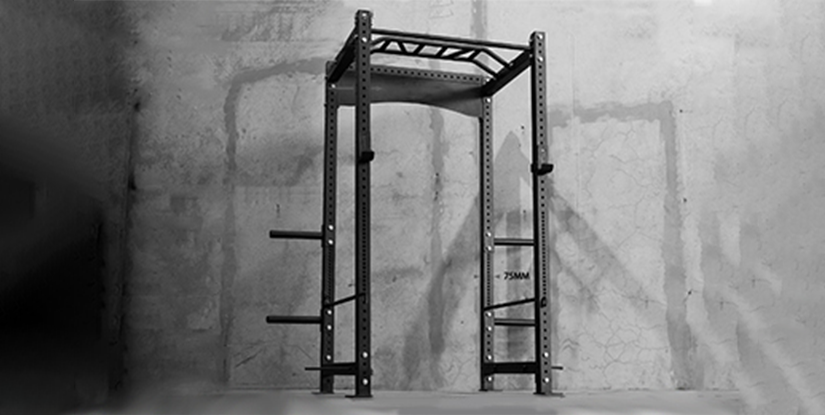
Effective facility layout planning requires a precise understanding of how equipment density impacts user flow. A common oversight in procurement is failing to account for the "working radius"—the space required not just for the rack itself, but for the user to safely load plates and execute movements. Depending on the intended use case, the required footprint and load-bearing capacity will shift significantly.
Footprint and Load Capacity Comparison
| Setting Type | Typical Footprint | Expected Load Profile | Accessory Compatibility |
|---|---|---|---|
| Residential / Home Gym | Low (Compact/Wall-mount) | Light to Moderate (Personal use) | Limited (Standard barbell/dumbbell) |
| Boutique Studio | Minimal (High Verticality) | Moderate (High turnover/Class-based) | High (Kettlebells, TRX, Bands) |
| Small Commercial Gym | Medium (Standard/Modular) | High (Heavy lifting/Continuous use) | Maximum (Plate trees, Barbell trees) |
When evaluating bulk orders, procurement managers should differentiate between these tiers to avoid over-specifying or under-delivering on durability. For instance, while a boutique setting may prioritize aesthetic and space-saving profiles, a small commercial gym requires structural integrity capable of handling high-frequency plate loading and diverse accessory attachments without compromising stability.
Optimizing Accessory Compatibility and Logistics Efficiency
For distributors and facility managers, the utility of a small weight rack is defined by its versatility in handling diverse equipment types. High-density storage solutions must account for the specific geometry of different implements. For example, vertical storage is ideal for maximizing floor space in boutique settings, but the rack must be engineered with sufficient structural rigidity to support the uneven weight distribution of kettlebells compared to the centered load of dumbbells.
When evaluating procurement scalability, consider the distinction between vertical and horizontal storage architectures. Vertical configurations minimize the physical footprint but require more rigorous quality control regarding center-of-gravity stability. Horizontal racks, while taking up more floor area, often provide easier access for high-traffic class environments. Buyers should verify the specific accessory compatibility of any modular system—ensuring that specialized attachments for barbells, resistance bands, or weight plates are readily available and compatible with the base unit to prevent SKU fragmentation in long-term inventory management.
Material Integrity and High-Frequency Use
For distributors and facility managers, the longevity of a small weight rack for home gym use depends heavily on the structural grade of the metal. In boutique studio settings, where equipment is frequently moved and weight plates are loaded with high velocity, lightweight aluminum or thin-gauge steel is insufficient. We recommend prioritizing high-density steel construction to prevent frame warping over time.
Beyond structural strength, the surface finish is a critical factor in total cost of ownership. A premium powder coating is essential to resist scratches from metal-on-metal contact and to prevent oxidation in humid environments. This level of commercial-grade durability ensures that boutique studio weight storage remains aesthetically pleasing and functional, reducing the need for frequent replacements or maintenance in high-traffic client zones.
Technical Specifications and Material Comparison
When sourcing compact strength training equipment, buyers must evaluate the trade-off between initial procurement costs and long-term operational expenses. A lower-spec rack may offer a better upfront price point, but insufficient steel gauge or inferior coatings often lead to premature degradation in commercial-grade environments.
| Specification Factor | Standard Retail Grade | Commercial/Boutique Grade |
|---|---|---|
| Steel Gauge | 14 - 16 Gauge | 11 - 12 Gauge (Heavy Duty) |
| Coating Type | Liquid Paint | Electrostatic Powder Coating |
| Weight Capacity Stability | Moderate (prone to bowing) | High (structural rigidity) |
| Gym Accessory Compatibility | Limited/Fixed | High (Modular/Multi-attachment) |
| Maintenance Frequency | High (Rust/Scratch prone) | Low (Resilient finish) |
For distributors managing high-turnover inventory, selecting a model with 11-gauge steel and electrostatic powder coating provides a significant ROI advantage. This configuration ensures the rack maintains its structural integrity even when subjected to heavy dumbbell loading or frequent accessory changes, maintaining the premium aesthetic required for boutique studio environments.
Structural Stability and Logistics Management
Procurement managers must look beyond basic dimensions to verify the welding quality and load-bearing capacity of compact strength training equipment. In high-density training environments, even small weight discrepancies can lead to structural fatigue if the joints are not fully welded or reinforced. Ensure that your supplier provides high-grade welding specifications to prevent loosening during repetitive loading cycles.
From a global supply chain perspective, shipping reinforcement is just as vital as the rack's physical strength. High-quality manufacturers utilize reinforced corrugated packaging and edge protectors to mitigate the risk of denting or frame misalignment during long-distance transit. For distributors, understanding these packaging standards and the associated MOQ considerations is essential to balancing inventory turnover with the need for zero-defect arrivals. A robust shipping protocol reduces the overhead costs associated with returns and damaged goods, ensuring your boutique studio or retail stock arrives ready for immediate deployment.
Evaluating Gym Accessory Compatibility and Attachment Versatility
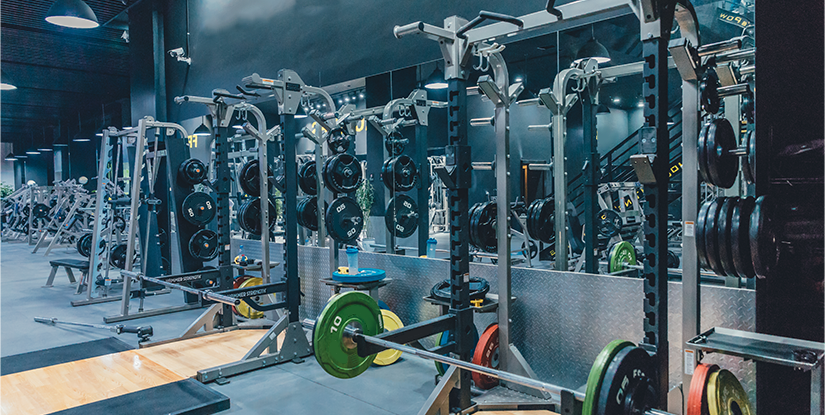
Optimizing a boutique studio weight storage system requires more than just footprint management; it demands strict attention to accessory compatibility. For professional distributors and facility managers, ensuring that a small weight rack for home gym settings can integrate seamlessly with various plate types, specialized bars, and modular attachments is critical to minimizing long-term operational friction.
Effective maintenance of these compact setups begins with selecting hardware that resists wear during frequent accessory swaps. Whether managing a high-turnover boutique studio or a premium residential installation, the ability to upgrade or switch components without replacing the entire structural unit significantly lowers the total cost of ownership and extends the product lifecycle.
When sourcing equipment for high-density training environments, buyers must weigh the trade-offs between fixed stability and modular versatility. A rigid configuration may offer lower initial costs, but adjustable systems often provide higher long-term ROI by allowing the facility to adapt to diverse programming needs without purchasing new structural frames.
| Attachment Type | Maintenance Frequency | Durability Profile | Compact Equipment Compatibility |
|---|---|---|---|
| Fixed/Permanent | Low (Annual inspection) | High (Static load focus) | Limited to specific bar/plate sets |
| Adjustable/Modular | Moderate (Monthly lubrication) | Medium (Moving parts wear) | High (Universal accessory support) |
| Quick-Release | High (Frequent check-ups) | Variable (Dependent on pins/latches) | Optimized for rapid studio transitions |
For distributors managing diverse inventory, prioritizing modularity ensures that the small weight rack for home gym applications remains relevant as client preferences shift. While adjustable components require more disciplined preventative maintenance, the ability to swap out J-hooks or weight pegs prevents the entire unit from becoming obsolete when upgrading to different compact strength training equipment.
Quality Control and Logistics for Long-Term Durability
Reliable procurement extends beyond initial dimensions to the chemical and structural integrity of the unit. For boutique studios and high-end residential distributors, a primary concern is the durability of surface finishes. We recommend specifying high-grade powder coating or electroplating standards during the QC process to prevent rust and chipping, particularly in humid environments or high-traffic boutique studio settings. A failure in coating quality often leads to premature oxidation, which can compromise both the aesthetic appeal and the structural safety of the weight storage system.
Logistical planning for small weight racks must also account for the weight-to-volume ratio of bundled accessories. While the rack itself may be compact, shipping heavy weight pegs or specialized bar attachments can significantly impact freight costs and dimensional weight calculations. Procurement managers should coordinate with manufacturers to ensure that accessories are either integrated into the primary SKU or packaged in a way that optimizes container utilization. Establishing a strict maintenance cycle—typically involving quarterly inspections of bolt tension and coating integrity—will ensure that these compact strength training equipment investments remain functional for years without requiring full unit replacements.
Logistics and Sourcing Standards for Small-Scale Strength Solutions
When sourcing a small weight rack for home gym use or boutique studio applications, durability is not merely a preference but a critical procurement metric. Unlike large-scale commercial facilities, compact setups often face higher frequency of movement and varying user types, making structural stability a non-negotiable requirement for long-term ROI.
Material Integrity and Load-Bearing Capacity
Reliable manufacturers prioritize high-grade steel construction to prevent frame warping over time. For distributors and studio owners, verifying the load-bearing capacity is essential to ensure the unit can handle progressive overload sessions without compromising safety. A robust frame provides the necessary structural stability for both static storage and active strength training. Furthermore, a professional-grade commercial-grade coating is vital; this finish protects the steel from oxidation and daily wear, significantly extending the product's lifecycle in residential or high-traffic boutique environments.
Evaluating Surface Finishes for Long-Term ROI
Selecting the right finish for a small weight rack involves balancing upfront procurement costs against the total cost of ownership (TCO). In boutique studio settings where humidity or frequent cleaning is common, the surface treatment determines how long the equipment remains aesthetically and structurally sound. For distributors, choosing the correct specification can reduce the frequency of after-sales maintenance requests and replacement claims.
| Finish Type | Durability Rating | Corrosion Resistance | Maintenance Frequency | Cost-Effectiveness |
|---|---|---|---|---|
| Powder Coating | High | Excellent | Low | High (Best for most B2B) |
| Chrome Plating | Moderate | Good | Medium | Medium (Higher initial cost) |
| Raw Steel | Low | Poor | High | Low (High replacement risk) |
Powder coating is the industry standard for compact strength training equipment because it provides a thick, resilient barrier against scratches and oxidation. While chrome plating offers a premium aesthetic, it can be more susceptible to micro-cracks under heavy impact. Raw steel should be avoided for any commercial or semi-commercial deployment, as it requires constant monitoring to prevent rust, which can quickly degrade the unit's value and safety.
Quality Control and Export Logistics
For B2B buyers and distributors, the procurement process for compact strength training equipment extends far beyond the initial order. Ensuring long-term reliability requires rigorous oversight of the entire supply chain, specifically regarding weight distribution and shipping stability. High-quality manufacturers implement strict QC inspection protocols to verify that every component—from the uprights to the accessory attachments—meets structural tolerances before leaving the factory.
When managing international shipments, packaging standards are a critical variable. Compact equipment is often subject to significant vibration and shifting during transit. To mitigate the risk of bent frames or damaged finishes, ensure your supplier utilizes reinforced corrugated boxes and specialized internal bracing. Additionally, clarify MOQ considerations early in the negotiation phase; while smaller volumes may offer flexibility for boutique studios, larger bulk orders often allow for more customized, high-density packaging solutions that enhance shipping stability and reduce the likelihood of transit-related damage.
Scalability and Long-Term ROI for Boutique Fitness Distributors
Distributors and studio owners must evaluate a small weight rack for home gym setups through the lens of commercial scalability. While residential-grade products offer low entry prices, they fail to meet the rigorous turnover demands of professional environments, leading to higher replacement frequencies and diminished margins.
Evaluating Total Cost of Ownership (TCO)
Selecting high-quality boutique studio weight storage requires looking beyond the initial invoice to the total cost of ownership (TCO). In a high-traffic setting, a professional-grade finish and reinforced steel construction prevent the cosmetic degradation and structural fatigue common in consumer-grade alternatives. Investing in premium builds reduces long-term maintenance costs and ensures the equipment remains a reliable asset rather than a recurring liability.
| Feature Metric | Residential-Grade Tier | Boutique Commercial Tier |
|---|---|---|
| Surface Durability | Basic powder coating | Industrial-grade, scratch-resistant finish |
| Structural Integrity | Lightweight, thin-wall steel | High-gauge steel for heavy usage |
| Lifecycle Expectancy | Short-term (1–2 years) | Long-term (5+ years) |
| ROI Profile | Low initial cost; high replacement rate | Higher upfront cost; optimized TCO |
For distributors, sourcing equipment that balances gym accessory compatibility with structural longevity is essential. Providing clients with hardware that withstands daily professional use builds brand trust and ensures that the transition from a home-based model to a commercial studio remains seamless and profitable.
Configuration Comparison: Footprint vs. Utility
When sourcing compact strength training equipment, the decision between vertical and horizontal configurations dictates the long-term utility of the space. Buyers must weigh the immediate footprint against the versatility of the unit to ensure it accommodates various training programs and evolving inventory.
| Configuration Type | Footprint Profile | Weight Capacity Profile | Accessory Compatibility |
|---|---|---|---|
| Vertical A-Frame / Tiered | Minimal (High verticality) | Optimized for lighter dumbbells/kettlebells | High; ideal for specialized boutique sets |
| Horizontal Low-Profile | Extended (Linear length) | Superior for heavy, high-volume loads | Standard; limited to weight-specific rails |
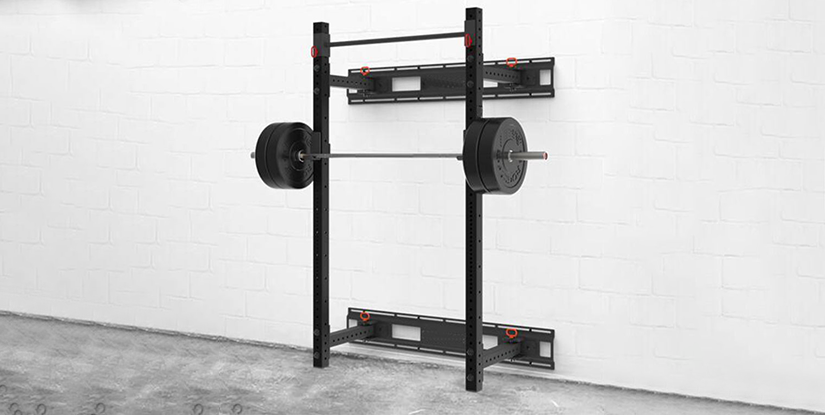
| Modular Wall-Mounted | Zero Floor Space | Variable based on wall reinforcement | Highest; allows for custom attachment integration |
Selecting the correct configuration depends heavily on the target user profile. For boutique studios with high-density class schedules, vertical storage often provides the best ROI by maximizing usable floor area. However, for distributors catering to heavy strength-training niches, horizontal or heavy-duty modular systems offer better long-term stability and broader gym accessory compatibility for a wider range of equipment types.
Optimizing Logistics and Sourcing Efficiency
For B2B buyers, the profitability of a small weight rack for home gym product lines depends as much on the supply chain as it does on the product itself. Efficient procurement requires a focus on shipping volume optimization and packaging durability to prevent transit damage and minimize landed costs. High-density packaging that protects steel components without excessive dimensional weight ensures that distributors can maintain healthy margins even during international freight fluctuations.
Scalability is further driven by a manufacturer's ability to handle varying order volumes. When negotiating with suppliers, prioritize those who offer clear MOQ (Minimum Order Quantity) structures and proven wholesale scalability. A reliable partner should demonstrate rigorous QC standards, ensuring that every unit—regardless of batch size—meets uniform structural tolerances and finish quality. Additionally, selecting units designed for assembly ease reduces the burden on end-users and lowers the return rate caused by installation errors. For distributors, a product that arrives intact, easy to assemble, and optimized for container loading is the most effective way to ensure long-term operational success.