How to Choose the Best Power Rack for Pull Ups at Home
Optimizing Inventory Margins with High-Demand Pull Up Stations
Many distributors fail by either overstocking low-margin, flimsy units that lead to high return rates or neglecting the inventory of versatile stations that drive consistent sales. A more sophisticated procurement strategy focuses on sourcing the best power rack for pull ups that balances structural integrity with marketability. Instead of chasing the lowest possible unit cost, successful importers prioritize high-quality steel and ergonomic grip designs that justify a premium price point while reducing long-term liability.
From a wholesale perspective, the goal is to master the delicate balance between durability vs. turnover. A home gym pull up bar that lacks rigidity will quickly damage your brand reputation through frequent warranty claims. Conversely, stocking high-demand strength training equipment that offers multi-functional utility—such as integrated pull-up stations within a larger rack system—ensures higher inventory turnover. By selecting products with proven structural stability, you optimize your ROI through reduced maintenance costs and a more reliable supply chain, positioning your catalog as a go-to source for professional-grade home fitness solutions.
To maximize your profit margins and minimize logistical headaches, you must categorize your inventory based on the specific needs of your target market. Whether your clients are looking for a compact home gym pull up bar for limited residential spaces or a professional-grade heavy duty squat rack for high-traffic garage gyms, understanding these tiers is essential for effective procurement.
The following comparison helps you align your purchasing decisions with market demand, ensuring you stock the right level of equipment for the intended environment.
| Product Tier | Space Requirements | Target User Segment | Maintenance Level | Investment ROI |
|---|---|---|---|---|
| Compact/Entry-Level | Minimal (Small footprint) | Casual Home Users | Low (Periodic tightening) | High Turnover/Low Margin |
| Mid-Range Modular | Moderate (Standard garage) | Fitness Enthusiasts | Medium (Standard inspection) | Steady Growth/Reliable |
| Heavy Duty Squat Rack | Large (Dedicated space) | Serious Strength Athletes | Low (High structural stability) | High Value/Premium Margin |
When selecting the best power rack for pull ups for your catalog, consider that higher-tier models often require less frequent returns due to superior build quality, ultimately protecting your long-term strength training equipment guide reputation and profitability.
Ultimately, the distinction between a one-time sale and a long-term partnership lies in the precision of your sourcing. Relying on a comprehensive strength training equipment guide allows you to identify manufacturers that implement rigorous quality control protocols, ensuring that every unit shipped meets international safety standards. This level of scrutiny is vital when navigating volatile market trends, where consumer demand for professional-grade home equipment is rapidly increasing.
By prioritizing products that offer high structural integrity and consistent finish quality, you secure long-term value for your entire distribution network. Investing in a superior heavy duty squat rack or a high-performance pull-up station may involve higher initial procurement costs, but the reduction in defective returns and the increase in customer lifetime value far outweigh the savings of low-quality alternatives. This strategic approach builds a reputation for reliability, ensuring your brand remains a trusted name in the competitive fitness export market.
Structural Integrity and Load-Bearing Standards for Heavy Duty Racks
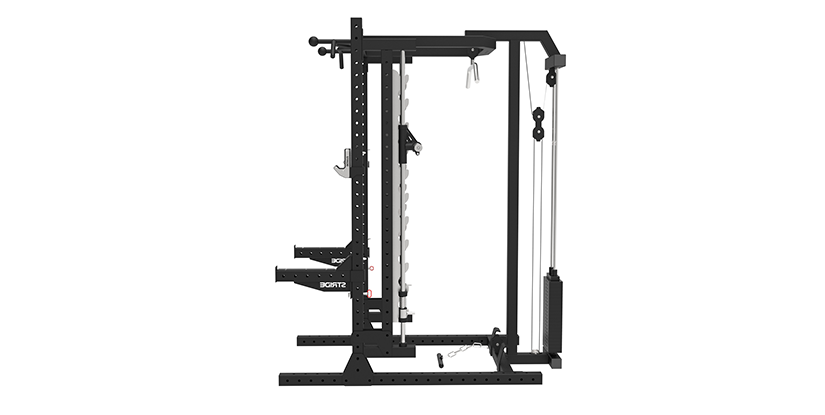
When sourcing equipment for a high-performance home environment, the most critical factor is the structural foundation. A subpar build can lead to dangerous oscillations during high-intensity movements. To identify the best power rack for pull ups, you must look beyond the aesthetic and focus on the metallurgical specifications. A truly heavy duty squat rack is defined by its steel gauge; we generally recommend a minimum of 11-gauge steel for professional-grade stability. Thinner materials may suffice for light resistance, but they fail to provide the necessary frame stability required for explosive kipping or weighted pull-ups.
For distributors and premium home gym builders, ensuring a high weight capacity is non-negotiable. The thickness of the steel tubing directly impacts the rack's ability to absorb kinetic energy without bending or vibrating. When evaluating manufacturing quality, always verify that the frame construction can handle both static loads and the dynamic tension inherent in advanced strength training. Investing in high-gauge steel ensures the longevity of the unit and provides the peace of mind that the structure will remain rigid under any training load.
To assist in your procurement decision, we have categorized common structural standards. This comparison helps distinguish between a standard home gym pull up bar and a professional-grade station. Understanding these tiers is essential when selecting the best power rack for pull ups to ensure the equipment meets the rigorous demands of your specific training environment.
| Feature / Standard | Entry-Level / Light Use | Professional / Heavy Duty |
|---|---|---|
| Frame Thickness | 14-gauge steel (thinner) | 11-gauge or 7-gauge steel (robust) |
| Pull-up Bar Stability | Moderate sway during movement | Zero-oscillation / High rigidity |
| Usage Frequency | Occasional / Light resistance | Daily / High-intensity training |
| Budget Level | Low to Mid-range | Premium / Investment-grade |
While entry-level models are cost-effective for casual users, a true strength training equipment guide will always prioritize the structural density found in professional-grade racks. For those prioritizing long-term durability and safety, opting for higher-gauge steel is the most reliable way to prevent structural fatigue.
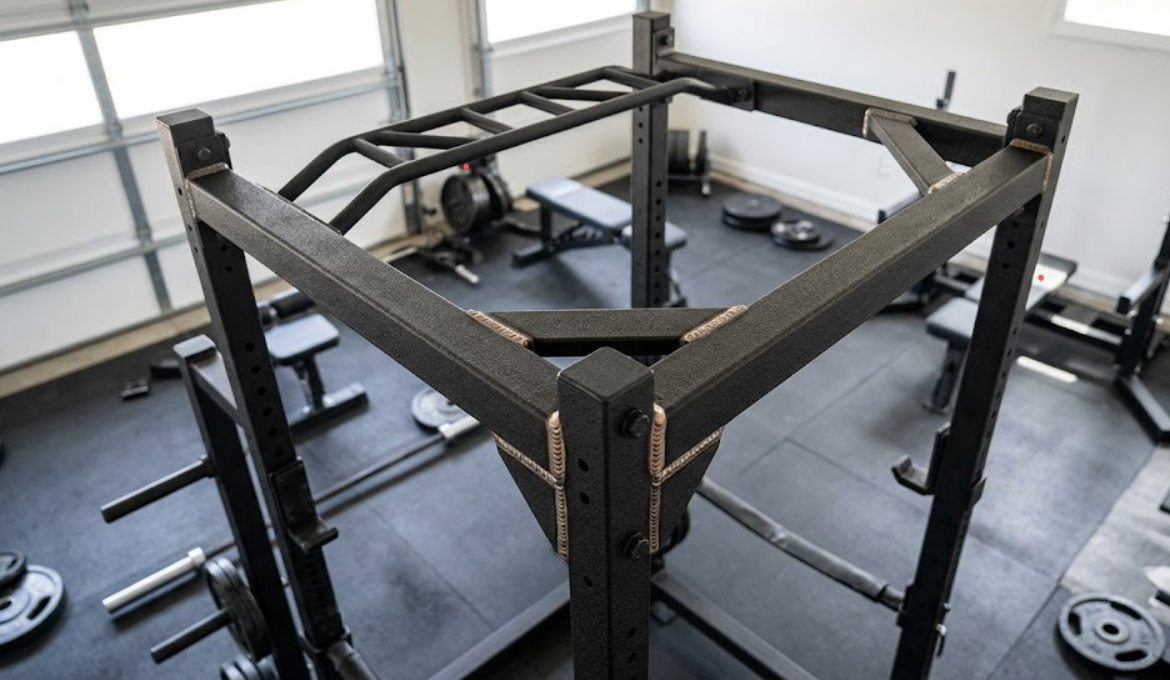
Beyond the steel gauge, the true test of a premium unit lies in its connection points and fabrication precision. When sourcing a home gym pull up bar integrated into a larger system, the quality of the welds determines the long-term safety of the user. In our strength training equipment guide, we emphasize that weld integrity is the most overlooked aspect of structural longevity. Inexpensive manufacturing often results in superficial beads that may look acceptable but lack the deep penetration required to withstand dynamic load scenarios. During explosive movements or weighted repetitions, even a microscopic flaw in a weld can lead to micro-oscillations, eventually compromising the structural rigidity of the entire frame.
For professional buyers and distributors, inspecting the corner joints and cross-member connections is vital. A high-quality best power rack for pull ups should feature seamless, full-penetration welds that prevent any wobbling or shifting during high-intensity sessions. We recommend prioritizing manufacturers that utilize advanced robotic welding processes to ensure consistency across every connection point. This level of precision ensures that the equipment remains a stable, immovable anchor, regardless of how much kinetic energy is applied during a workout.
Selecting the Right Dimensions for Residential and Commercial Footprints
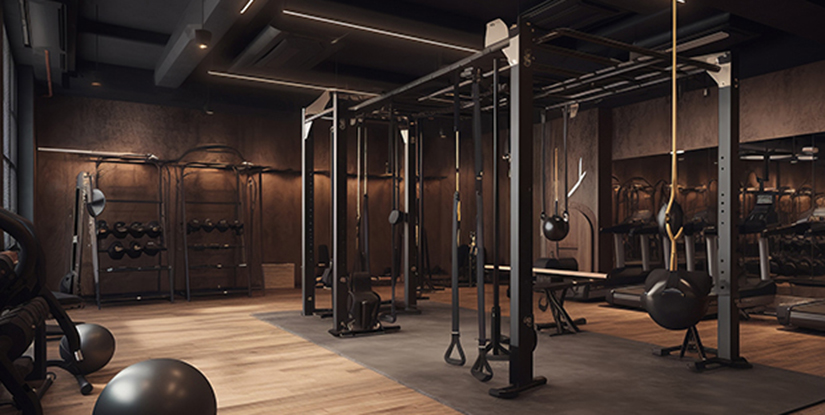
When sourcing the best power rack for pull ups, many buyers overlook the critical distinction between residential footprints and commercial-grade dimensions. While a standard home gym pull up bar might fit in a spare bedroom, professional-grade equipment requires a dedicated safety zone to ensure peak performance and user security. A common mistake in procurement is neglecting the vertical and horizontal clearance required for high-intensity training.
For instance, ceiling height is a non-negotiable factor; if the user is tall or performs explosive movements, a low ceiling can become a hazard. Furthermore, you must account for lateral clearance. A heavy duty squat rack often requires additional space for weight plate storage and movement of the barbell. We recommend calculating the total footprint by adding at least 3 feet of clearance on all sides of the unit to maintain a professional standard of safety.
| Equipment Type | Primary Footprint | Storage Capability | Ideal Setting |
|---|---|---|---|
| Compact Home Unit | Small / Minimal | Limited Accessory Hooks | Residential Apartments |
| Standard Full Rack | Medium / Moderate | Integrated Plate Pegs | Garage or Home Gym |
| Commercial Heavy Duty | Large / Expansive | High-Volume Storage | Fitness Centers & Studios |
To make an informed decision, we have synthesized this strength training equipment guide to help you visualize how different environments dictate your procurement requirements. Whether you are setting up a personal studio or managing a large-scale facility, understanding the spatial trade-offs is essential for long-term usability.
| Environment Type | Typical Dimensions | Footprint Requirement | Typical Use Case |
|---|---|---|---|
| Residential / Apartment | Compact / Slimline | Minimal (approx. 4' x 4') | Individual daily training |
| Garage / Dedicated Home Gym | Standard Full-Size | Moderate (approx. 8' x 8') | Serious strength enthusiasts |
| Commercial / Training Center | Extra-Wide / Heavy Duty | Expansive (10'+ clearance) | High-traffic professional use |
When searching for the best power rack for pull ups, always verify the total volume required, not just the base dimensions. A high-quality heavy duty squat rack may offer superior stability, but it necessitates a larger "buffer zone" for barbell paths and safe movement. We suggest prioritizing a home gym pull up bar configuration that matches your specific ceiling height to avoid any structural limitations during vertical training.
Beyond the base dimensions, the most critical factor in your procurement process is defining the "active training zone." This involves more than just the floor space the unit occupies; it requires a comprehensive assessment of the installation area to ensure total obstacle avoidance. When selecting the best power rack for pull ups, you must account for the physical arc of movement during high-intensity sessions.
We advise buyers to measure the vertical clearance with extreme precision. A high-performance heavy duty squat rack often features a raised pull-up station, and you must ensure there is ample room between the bar and the ceiling to prevent contact during explosive movements. Furthermore, check for overhead obstructions such as lighting fixtures, HVAC vents, or ceiling fans. A failure to map out this 3D space can lead to equipment being unusable or, worse, safety hazards during training. Before finalizing your order, visualize the user's full range of motion to ensure the home gym pull up bar remains a safe, unobstructed centerpiece of the facility.
Grip Ergonomics and Multi-Functionality in Strength Training Equipment
When sourcing the best power rack for pull ups, many buyers overlook how much the surface finish dictates the long-term utility of the unit. In a high-use home gym pull up bar setup, the intersection of ergonomics and material science is critical. High-quality strength training equipment guide standards suggest that the grip texture should be consistent and non-abrasive to prevent hand fatigue while ensuring a secure hold during intense sets.
Durability is not just about the steel gauge; it is about how the finish withstands the elements of human exertion. Premium manufacturers prioritize advanced powder coating durability to combat the corrosive effects of moisture. A high-grade finish provides essential sweat resistance, preventing the oxidation and peeling often seen in lower-tier alternatives. For distributors and bulk buyers, ensuring these finishing specifications are met is the most effective way to guarantee product longevity and reduce post-sale maintenance concerns for the end consumer.
To help you navigate these technical specifications, we have outlined how different bar configurations impact both user comfort and material longevity. Understanding these nuances is essential when selecting a heavy duty squat rack that must serve diverse user bases with varying hand sizes and grip strengths.
| Bar Type & Profile | Knurling Pattern | Diameter Variations | Ideal Use Case |
|---|---|---|---|
| Standard Steel Bar | Moderate/Medium | 1.18" (30mm) | General fitness and standard bodyweight training. |
| Precision Knurled Bar | Aggressive/Sharp | 1.25" (32mm) | High-intensity training requiring maximum grip security. |
| Ergonomic Textured Bar | Fine/Smooth | 1.0" (25mm) | Long-duration sessions where user comfort is a priority. |
When evaluating a strength training equipment guide for your inventory or home setup, always prioritize bars with consistent knurling patterns. Variations in diameter and texture can significantly alter the perceived quality of the best power rack for pull ups, making standardized, high-grade steel a non-negotiable requirement for professional-grade durability.
Prioritizing Structural Stability and Versatility
Beyond the tactile experience of the grip, the core value of a heavy duty squat rack lies in its fundamental structural integrity. When a user transitions from heavy compound lifts to explosive upper-body movements, the frame must withstand significant lateral forces. A high-quality best power rack for pull ups is engineered with reinforced steel gauges and precision welding to ensure absolute stability during high-intensity movements. This prevents the micro-oscillations and wobbling that often plague lighter, consumer-grade alternatives.
For serious enthusiasts and professional distributors, viewing a rack as a long-term investment means looking for multi-functional design capabilities. The most effective units offer multi-grip options—such as varied pull-up bar heights or integrated dip stations—allowing the equipment to evolve with the user's training program. Investing in a robust, multi-functional station ensures that the hardware remains a centerpiece of the gym for years, rather than a piece of equipment that becomes obsolete as training intensity increases. High-grade manufacturing standards ensure that even under heavy load, the rack remains a steadfast foundation for all strength disciplines.
Material Quality and Long-Term Maintenance of Pull Up Bars
When investing in a premium setup, the longevity of your equipment depends heavily on the structural integrity of the materials used. A high-quality heavy duty squat rack must withstand repetitive mechanical stress without structural fatigue. From a procurement standpoint, the most critical factor is the steel gauge; a thicker, higher-grade steel ensures that the frame remains rigid and safe under heavy loads. If you are sourcing for a home gym or a boutique studio, prioritizing a robust steel thickness is the best way to prevent bending or structural failure over time.
Beyond structural strength, environmental resistance is essential for maintaining the best power rack for pull ups. We highly recommend looking for equipment finished with professional-grade powder coating. This specialized coating provides a durable, textured surface that offers superior rust prevention and protects the metal from moisture and oxidation. High-quality coatings also ensure that the grip remains consistent, preventing the degradation often seen in lower-tier strength training equipment guide recommendations. Investing in these premium finishes minimizes long-term maintenance and ensures your station remains a centerpiece of your training space for years.
To ensure your home gym pull up bar remains in peak condition, proactive moisture control is essential. Sweat is highly corrosive; if left unaddressed, the salts and acidity can eventually degrade even the highest-grade powder coatings. We suggest implementing a routine cleaning schedule where the bar is wiped down with a damp, non-abrasive cloth after intense training sessions. Avoid using harsh chemical solvents that can strip the finish, as preserving the surface texture is vital for consistent grip maintenance.
As a crucial part of any strength training equipment guide, regular inspection of the contact points is necessary. Check the pull-up station for any signs of surface oxidation or buildup that could affect friction. By managing humidity in your training area and maintaining a clean, dry surface, you protect your investment from the elements. This disciplined approach to care ensures that your equipment retains its professional-grade feel and structural reliability for the long haul.
Maintaining a professional-grade environment requires more than just occasional cleaning; it demands a systematic approach to safety inspections. To help you distinguish between standard wear and actual structural issues, we have developed a quick-reference guide. This maintenance checklist allows you to monitor the health of your best power rack for pull ups through regular, routine checks.
| Inspection Type | What to Look For (Normal Usage) | Red Flags (Action Required) |
|---|---|---|
| Stability Check | Minor vibration during high-intensity movements. | Visible wobbling, shifting, or uneven footing. |
| Bolt Tightening | Consistent tension across all structural joints. | Loose hardware, gaps between plates, or rattling sounds. |
| Surface Inspection | Light scuffs from barbell contact or chalk residue. | Rust spots, peeling powder coating, or deep metal gouges. |
Performing these checks ensures your heavy duty squat rack remains a reliable asset. We recommend a thorough stability check every three months to ensure all hardware remains torqued to manufacturer specifications. Identifying a loose bolt early is significantly more cost-effective than replacing a damaged component later.
Sourcing Versatility: From Basic Frames to Advanced Modular Systems
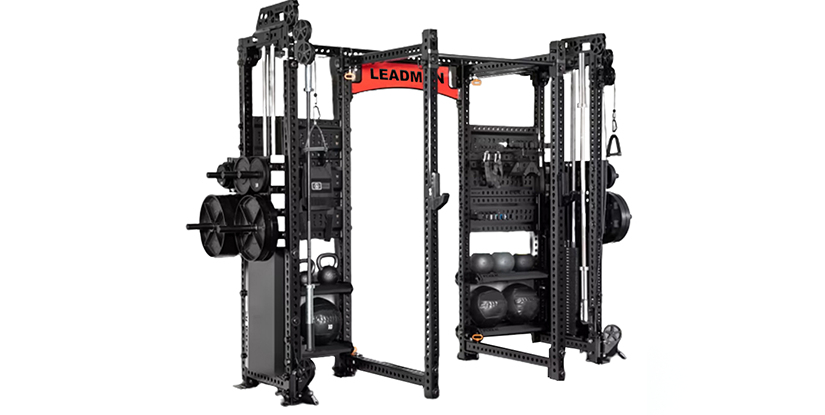
When sourcing equipment, understanding the spectrum of investment is crucial for long-term value. The market offers a wide range of options, from entry-level, lightweight frames to sophisticated, professional-grade setups. Selecting the best power rack for pull ups involves balancing your initial outlay against the required durability and functional versatility of your home gym pull up bar.
At the lower end of the budget, you will find basic, fixed-structure racks. These are cost-effective for casual users but often lack the expansion capabilities of higher-tier models. Conversely, a budget vs. premium investment analysis reveals that premium modular systems offer significantly higher structural integrity and adaptability. While the upfront cost is higher, these advanced systems allow for future upgrades, such as adding dip stations or cable attachments, ensuring your investment evolves alongside your training intensity without needing a complete replacement.
To help you navigate these options, we have developed this brief strength training equipment guide to categorize typical market offerings. Understanding these tiers ensures you do not overpay for unnecessary features, nor do you under-invest in a heavy duty squat rack that may fail under high-volume use.
The following breakdown illustrates the typical investment landscape for different user profiles. Generally, as the complexity of the frame increases, so does the longevity and the ability to integrate specialized accessories.
| Tier | Key Features | Ideal User | Price Bracket |
|---|---|---|---|
| Entry-Level | Fixed frame, basic steel, standard pull-up bar | Casual hobbyist | Low |
| Intermediate | Bolted construction, improved grip, basic attachments | Dedicated enthusiast | Mid-Range |
| Professional/Modular | Heavy duty squat rack, modular expansion, high gauge steel | Serious athletes/Small studios | High |
When evaluating the best power rack for pull ups, remember that a modular system provides better long-term utility. While a basic home gym pull up bar serves immediate needs, a tiered investment strategy allows for scalable growth in your training environment.
Prioritizing modular systems is a strategic move for those looking to future-proof home gym setups. While a basic frame might satisfy immediate requirements, it often lacks the scalability necessary as training goals evolve. Investing in a high-quality, expandable architecture ensures that you can integrate new attachments—such as landmines, weight horns, or specialized pull-up handles—without the massive expense of purchasing an entirely new unit.
From a procurement standpoint, choosing a heavy duty squat rack with a modular design offers superior long-term value. It prevents the "buy-once, replace-twice" cycle that occurs when users outgrow entry-level equipment. By selecting a system designed for expansion, you mitigate the risk of sunk costs. This approach transforms your equipment from a static piece of hardware into a dynamic strength training equipment guide for your personal fitness journey, ensuring your setup remains relevant and functional for years to come.
Evaluating Stability and Safety for High-Frequency Use
When sourcing equipment for high-traffic environments or rigorous home training, the primary concern is long-term structural integrity. A subpar frame will inevitably succumb to lateral swaying during explosive movements. To identify the best power rack for pull ups, you must look beyond aesthetics and evaluate the fundamental engineering of the chassis. A premium heavy duty squat rack is defined by its ability to remain motionless even under the dynamic load of high-intensity training.
The secret to this structural stability lies in the precision of the steel gauge and the quality of the fabrication. For professional-grade durability, we recommend prioritizing 11-gauge or 12-gauge steel construction. Thinner materials often fail to provide the necessary resistance against the torsional forces generated during high-frequency use. Furthermore, ensure that the welding points are seamless and reinforced; weak joints are the most common failure points in lower-tier equipment. Investing in a robust frame ensures that your home gym pull up bar remains a safe, reliable station for years of intense strength training without the risk of wobbling or mechanical fatigue.
Choosing between different configurations requires a strategic understanding of your available footprint versus your desired stability comparison. In our strength training equipment guide, we often see buyers struggle to decide between space-saving solutions and maximum-load configurations. The choice significantly impacts the long-term weight capacity and safety of your setup.
| Configuration Type | Space Requirement (Footprint) | Stability Profile | Ideal Use Case |
|---|---|---|---|
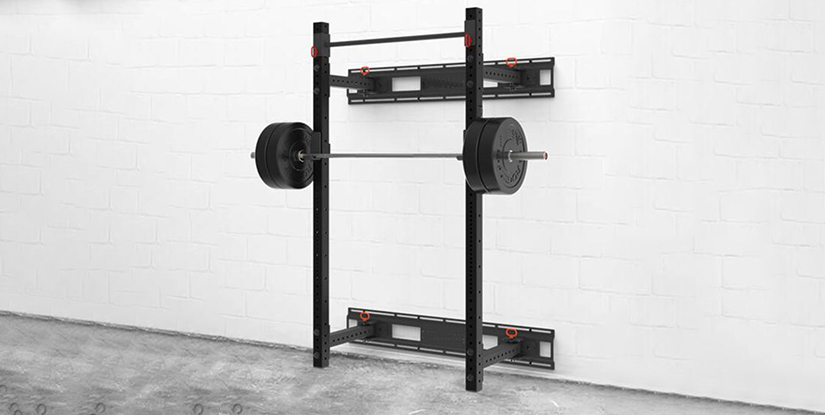
| Wall-Mounted Rack | Minimal / Low | High (Fixed to Structure) | Compact apartments or small rooms |
| Full Power Rack | Substantial / High | Superior (Self-Standing) | Dedicated home gyms or garage setups |
A wall-mounted home gym pull up bar setup is an excellent way to optimize a small area, but it relies entirely on the structural integrity of your building's studs. Conversely, a full-scale heavy duty squat rack offers the most versatile training environment. While it occupies more floor space, the independent frame provides unmatched stability for heavy compound lifts and dynamic pull-up movements, making it the preferred choice for those prioritizing a professional-grade training experience.
Beyond the structural frame, the true test of the best power rack for pull ups lies in the tactile interface between the athlete and the equipment. Even a perfectly stable rack becomes a liability if the attachment point lacks precision engineering. When evaluating high-quality units, you must scrutinize the grip quality of the pull-up station to ensure it can withstand repetitive, high-intensity sessions without compromising user safety.
The Science of Grip: Knurling and Diameter
A critical factor often overlooked by casual buyers is the bar diameter. For most strength athletes, a diameter between 28mm and 32mm provides the optimal balance between hand comfort and control. If the bar is too thin, it can create pressure points; if it is too thick, it may hinder grip security during high-volume sets. Furthermore, the knurling—the etched pattern on the steel surface—must be consistent and moderately aggressive. High-grade knurling provides the necessary friction to prevent slipping, which is essential for fatigue prevention during long sets. Inconsistent or shallow etching can lead to hand fatigue and a dangerous loss of control, making it vital to source equipment that prioritizes these fine mechanical details for long-term reliability.