Mastering the Seated Rotational Stretch Near Your Squat Rack
Optimizing Your Training Zone: Why Mobility Integration Matters
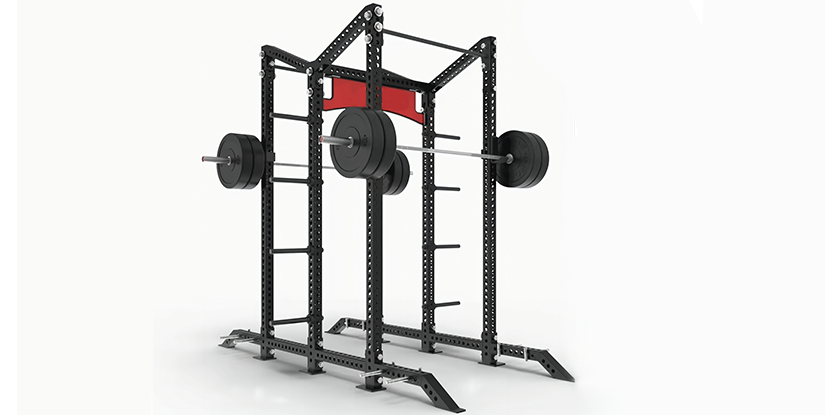
For high-end boutique studios and commercial strength facilities, every square foot of floor space represents a potential revenue stream. Unlike expansive warehouse gyms, premium training environments must prioritize space efficiency without sacrificing the quality of the athlete's experience. When a client finishes a heavy set, they shouldn't have to migrate across the facility to find a dedicated stretching area. Integrating a seated rotational stretch off squat rack stations allows for seamless transitions between high-intensity lifting and essential recovery within the same footprint.
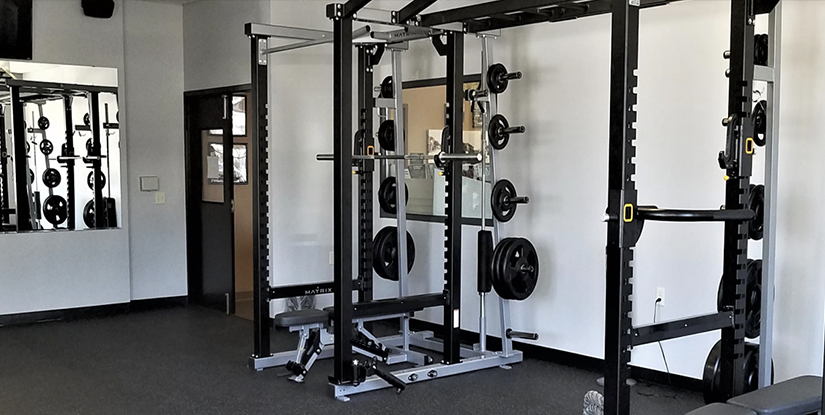
By utilizing the structural stability of the rack for thoracic mobility exercises, gym owners can maximize the utility of their strength zones. This localized approach ensures that squat rack stretching becomes a natural part of the lifting workflow rather than a separate, time-consuming detour. For distributors and gym developers, selecting equipment that facilitates these functional movements near the primary lifting station is a strategic way to optimize layout density while promoting long-term musculoskeletal health for members.
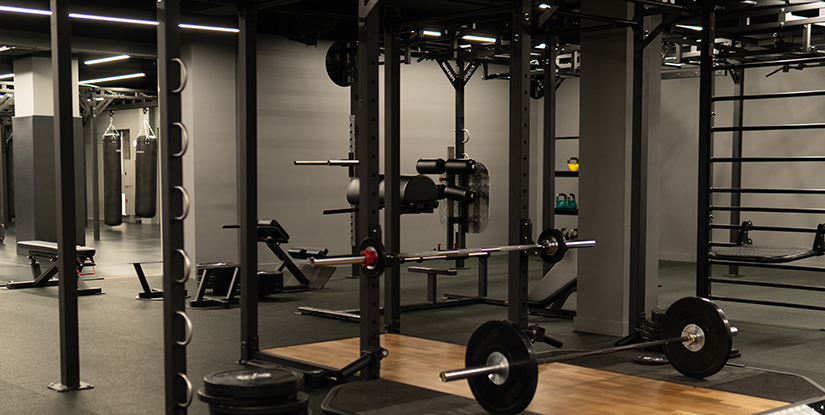
Efficiency in facility design is often the difference between a cluttered gym floor and a high-performance training environment. Instead of dedicating large, underutilized zones to static stretching, smart operators leverage existing heavy-duty steel structures to facilitate movement. Using the rack as a stationary anchor for a seated spinal rotation ensures that clients can perform vital thoracic mobility exercises without leaving their immediate work area. This training zone optimization reduces foot traffic congestion and prevents the bottlenecking often seen during peak hours in commercial settings.
From a procurement standpoint, designing a facility that encourages a seamless transition from load-bearing sets to restorative work is a hallmark of premium equipment layout. By incorporating the seated rotational stretch off squat rack as a standard part of the lifting workflow, you increase the functional density of your strength area. This approach turns a single piece of equipment into a multi-functional asset, ensuring that squat rack stretching protocols are both time-efficient and logistically sound for the end user.
Selecting the right integration method depends heavily on your facility's specific layout and the desired flow of your training sessions. While some operators prefer dedicated zones, the most efficient way to implement a seated rotational stretch off squat rack is by leveraging the existing strength architecture. Below, we compare the most common approaches to help you determine which method aligns best with your facility's operational goals and space constraints.
| Integration Method | Space Requirement | Accessibility | Primary Benefit |
|---|---|---|---|
| Dedicated Mobility Zone | High (Requires separate area) | Low (Requires client transit) | Maximum isolation for deep recovery |
| Squat Rack Stretching | Minimal (Uses existing footprint) | High (Immediate post-set access) | Optimized workflow and density |
| Free-Standing Mat Work | Moderate (Open floor space) | Medium (Near lifting zones) | Versatility for various thoracic mobility exercises |
For high-traffic commercial centers, the rack-integrated approach offers the highest ROI on floor space. By utilizing the stability of the steel frame for seated spinal rotation, you reduce the need for additional specialized equipment, allowing for a more streamlined and profitable facility layout.
Essential Criteria for Selecting High-Quality Mobility Equipment
When designing a high-performance training floor, the proximity of mobility work to heavy lifting stations is a strategic advantage. However, performing a seated rotational stretch off squat rack footings or adjacent benches requires more than just space; it requires structural integrity. In high-traffic facilities, the equipment surrounding your power racks undergoes constant lateral stress and heavy high-frequency use. If your benches or floor-based support systems lack heavy-duty construction, the constant shifting of weight during thoracic mobility exercises can lead to premature wear or instability.
For distributors and gym owners, sourcing equipment that utilizes commercial-grade materials is non-negotiable to ensure long-term ROI. A lack of durability in your mobility-adjacent gear can lead to frequent replacement cycles and client dissatisfaction. Below, we compare the structural requirements for different equipment tiers to help you make an informed procurement decision.
| Equipment Tier | Material Composition | Durability Profile | Ideal Use Case |
|---|---|---|---|
| Standard Residential | Lightweight Steel | Low; sensitive to heavy impact | Home studios/Personal use |
| Premium Commercial | Reinforced Steel & High-Density Foam | High; built for high-frequency use | Large-scale fitness clubs |
| Professional Grade | Industrial-Strength Alloy | Maximum; engineered for extreme stability | Heavy lifting/Competition gyms |
Ensuring that your seated spinal rotation area is anchored by robust, stable hardware is essential for maintaining a seamless transition between heavy compound lifts and essential recovery protocols.
To maintain a professional standard, procurement specialists must look beyond aesthetics and focus on technical specifications. When sourcing tools for squat rack stretching zones, the primary differentiator is often material density. While consumer-grade foam may look adequate, it lacks the compression resistance required for consistent seated spinal rotation in a high-volume environment. A high-quality commercial piece should offer a firm, predictable surface that supports the user's posture without bottoming out.
Furthermore, stability and weight capacity are critical metrics. Equipment used near heavy power racks must be able to withstand the vibration and floor-load shifts common in strength training. Low-quality gear often suffers from structural fatigue, increasing maintenance requirements and operational downtime. For facility managers, investing in hardware with high-density construction ensures that thoracic mobility exercises can be performed safely and reliably, regardless of the surrounding training intensity. Prioritize gear that offers a high degree of structural rigidity to guarantee both user safety and long-term asset value.
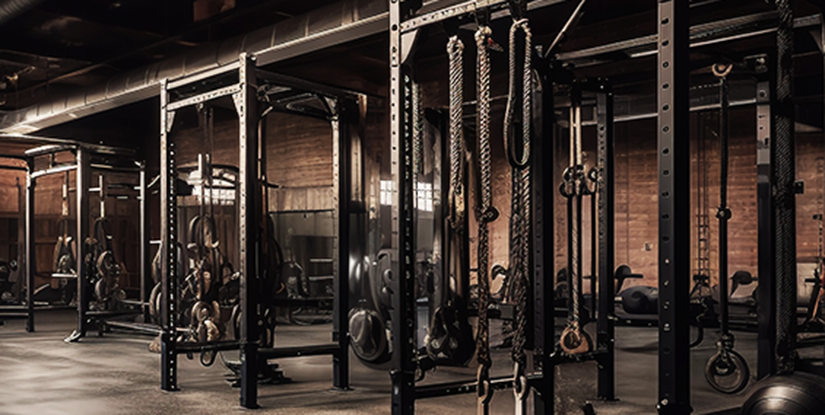
Ultimately, viewing high-grade mobility tools as a long-term investment rather than a secondary expense is a hallmark of professional facility management. When selecting equipment for a seated rotational stretch off squat rack proximity, the focus must remain on safety standards and structural integrity. A facility that prioritizes high-specification hardware ensures a seamless integration with squat rack setup, allowing athletes to move from heavy loading to seated spinal rotation without encountering unstable or degrading surfaces. By sourcing components that meet rigorous industrial benchmarks, buyers mitigate the risks of mechanical failure and ensure that their squat rack stretching zones remain as durable and reliable as the primary lifting stations themselves.
The Mechanics of Thoracic Mobility Near the Squat Rack
Effective strength training requires more than just heavy iron; it demands a foundation of functional movement. When athletes perform high-intensity lifts, their spinal alignment becomes the critical pivot point for force transfer. A lack of upper-back fluidity often leads to compensation patterns that can compromise a lift. This is why incorporating thoracic mobility exercises into a routine is essential for long-term performance and injury prevention.
By utilizing a seated spinal rotation, lifters can actively address stiffness in the mid-back region. This specific type of movement helps ensure the thoracic spine remains mobile, which is a prerequisite for heavy lifting stability during compound movements like squats or overhead presses. For gym owners and facility managers, providing high-quality space near the rack for these movements ensures that clients maintain the structural integrity required to lift safely and effectively.
Optimizing the physical space around high-performance stations is a strategic move for any premium facility. Performing a seated rotational stretch off squat rack structures allows athletes to utilize the equipment as a stable anchor, facilitating a deeper and more controlled range of motion. This mechanical advantage is vital for enhancing upper back mobility, which directly correlates to a more upright and resilient posture under load. When the thoracic spine can rotate freely, the body can better manage the compressive forces experienced during heavy sets.
Furthermore, the integration of squat rack stretching protocols promotes better core stability by teaching the body to maintain tension through the midsection while rotating. For distributors and gym operators, emphasizing these functional maintenance routines can elevate the perceived value of the training environment. By encouraging users to master the seated rotational stretch off squat rack, you are essentially promoting a culture of longevity and high-level technical proficiency that protects both the lifter and the long-term utility of the strength equipment.
To better understand how these movements translate to real-world performance, it is helpful to visualize the relationship between spinal fluidity and specific lift mechanics. While the seated rotational stretch off squat rack is a specialized tool for recovery, its impact is felt across a wide spectrum of training modalities. Whether your facility focuses on powerlifting, CrossFit, or general strength conditioning, understanding these connections helps in designing more effective training zones.
The following table illustrates how improving thoracic mobility exercises can directly influence the quality and safety of various fundamental movements. This comparison highlights why a dedicated space for squat rack stretching is a valuable addition to any professional training floor.
| Lift Type | Primary Benefit | Mobility Focus |
|---|---|---|
| Back Squat | Improved Upper Back Rigidity | Seated spinal rotation & Thoracic Extension |
| Overhead Press | Enhanced Vertical Path Control | Shoulder Blade & Mid-Back Fluidity |
| Deadlift | Reduced Lumbar Compensation | Total Spinal Segment Control |
| Bent-Over Row | Stable Bracing Foundation | Rotational Freedom & Core Integration |
By prioritizing these thoracic mobility exercises, lifters can mitigate the risk of stiffness that often occurs after heavy sessions, ensuring they remain ready for their next high-intensity workout.
Integrating Seated Spinal Rotation into Heavy Lifting Routines
For high-traffic commercial facilities, time is the ultimate currency. Every square foot of floor space must serve a dual purpose: high-intensity training and effective recovery. By positioning a seated rotational stretch off squat rack stations, gym owners can optimize the flow of a busy training floor. Rather than having athletes migrate to a separate stretching zone, integrating squat rack stretching directly into the lifting area maximizes efficiency and keeps the momentum high.
Implementing these thoracic mobility exercises as part of the transition between sets ensures that lifters maintain peak performance without unnecessary downtime. From a facility management perspective, this strategic layout reduces congestion around heavy lifting stations. When clients can execute a seated rotational stretch off squat rack setups during their rest intervals, they experience better movement quality and higher throughput. This seamless integration of mobility and strength training creates a more professional, high-performance environment that justifies premium membership rates.
To maximize the return on your floor space, it is essential to determine the ideal mobility window for these movements. Depending on your facility's training programming, you may choose between two distinct timing methods to optimize athlete results.
Strategic Timing: Pre-Lift vs. Post-Lift
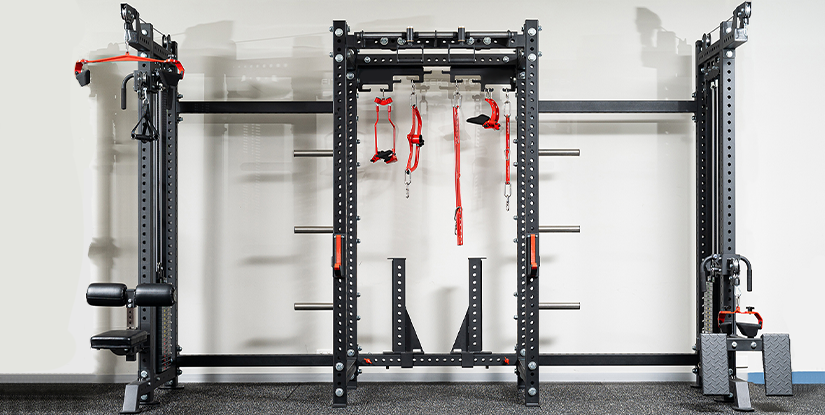
For athletes focused on high-performance heavy lifting routines, the timing of seated spinal rotation can significantly impact their session. We recommend the following approach for commercial gym environments:
| Method | Primary Objective | Implementation Strategy |
|---|---|---|
| Pre-Lift Activation | Dynamic Warm-up | Use light, controlled seated spinal rotation to prepare the thoracic spine for heavy loads. |
| Post-Lift Recovery | Static Flexibility | Hold the stretch longer after the session to aid in down-regulating the nervous system. |
While a seated rotational stretch off squat rack serves as an excellent tool for both, most high-end facilities see the greatest benefit when used as a targeted recovery tool. Integrating this into the post-lift phase helps athletes transition from intense exertion to a state of recovery, ensuring long-term durability and client satisfaction.
Beyond immediate performance, the true value of these routines lies in the long-term protection of your clients' physical assets. Prioritizing thoracic mobility is not just about temporary flexibility; it is a strategic investment in spinal health. For commercial gym operators, a facility that promotes longevity through smart squat rack stretching protocols reduces the risk of injury-related attrition. When lifters can maintain proper mechanics during heavy lifting, they achieve better long-term consistency in their training cycles.
From a procurement and facility management standpoint, encouraging a seated rotational stretch off squat rack near the lifting stations encourages a culture of professional movement. This proactive approach to spinal health minimizes the downtime caused by common lifting injuries, ensuring that your members remain active and engaged. By fostering an environment where thoracic mobility is treated with the same rigor as the lift itself, you build a high-performance culture that drives member retention and long-term facility success.
Space Management for Multi-Functional Strength Stations
When designing high-traffic strength zones, overlooking the spatial footprint of recovery movements can lead to operational inefficiencies. Integrating a seated rotational stretch off squat rack protocols requires more than just a small patch of floor; it demands a calculated safety clearance. In professional gym layouts, the area surrounding heavy steel structures is often high-risk. We recommend establishing a dedicated "buffer zone" around each station to ensure that users performing thoracic mobility exercises are not encroaching on active lifting lanes.
A critical aspect of facility management is preventing collision with barbell/plates during transitional movements. Because a seated spinal rotation involves lateral torso movement, the user’s reach can extend unexpectedly. If your facility utilizes compact power racks, ensure there is at least a 3-foot radius of unobstructed space. This prevents accidental contact with loaded barbells or protruding weight storage, maintaining a professional standard of safety and workflow continuity within your training environment.
Optimizing your facility's footprint depends heavily on whether you prioritize high-density equipment placement or user movement fluidity. When planning for squat rack stretching, the choice between a streamlined setup and an expansive layout will impact both the user experience and the long-term durability of your equipment through reduced accidental impact. Below, we compare two common configurations to help you determine the most efficient use of your square footage.
| Feature | Compact Rack Setup | Open Floor Layout |
|---|---|---|
| Primary Benefit | Maximizes usable floor area | Superior safety & flow |
| Rotation Clearance | Minimum 45-60cm radius | 90cm+ unobstructed zone |
| Ideal For | Boutique studios/Home gyms | Commercial strength zones |
| Risk Factor | Higher collision potential | Minimal interference |
For a high-performance environment, we suggest accounting for specific dimensions for rotation that exceed the user's physical frame. A professional-grade seated spinal rotation requires a buffer that accounts for both the seated base and the lateral reach of the arms. While a compact setup saves space, an open layout ensures that thoracic mobility exercises can be performed without the user feeling cramped or risking contact with the structural uprights of the rack.
To maintain a high-standard training environment, effective organization of the immediate vicinity is essential. A common oversight in facility design is failing to account for the clutter that naturally accumulates around heavy lifting stations. Prioritizing decluttering the rack area ensures that the transition from a heavy set to a seated rotational stretch off squat rack is seamless and safe. When weight plates, chalk, or loose accessories are scattered on the floor, they create significant trip hazards for users moving through their squat rack stretching routine.
We recommend investing in specialized storage for small accessories, such as integrated weight pegs or dedicated accessory hooks, to keep the floor clear. Furthermore, maximizing multi-functional strength stations involves selecting equipment that serves dual purposes. By choosing racks with built-in storage compartments or modular attachment points, you reduce the footprint required for peripheral items. This strategic approach ensures that the space remains dedicated to movement and thoracic mobility exercises rather than being obstructed by disorganized gear, ultimately enhancing the professional aesthetic and safety of your facility.
Sourcing Durable Accessories for Professional Strength Hubs
When designing high-traffic strength zones, procurement professionals often overlook the subtle costs of low-grade mobility accessories. While a seated rotational stretch off squat rack may seem like a minor movement, the equipment used in these transition zones—such as benches, foam rollers, or specialized mobility stools—undergoes constant stress. Investing in equipment built with heavy-duty materials is a strategic long-term investment that protects your bottom line. Cheap, lightweight alternatives frequently fail under the rigors of a commercial environment, leading to premature replacement cycles and increased maintenance overhead.
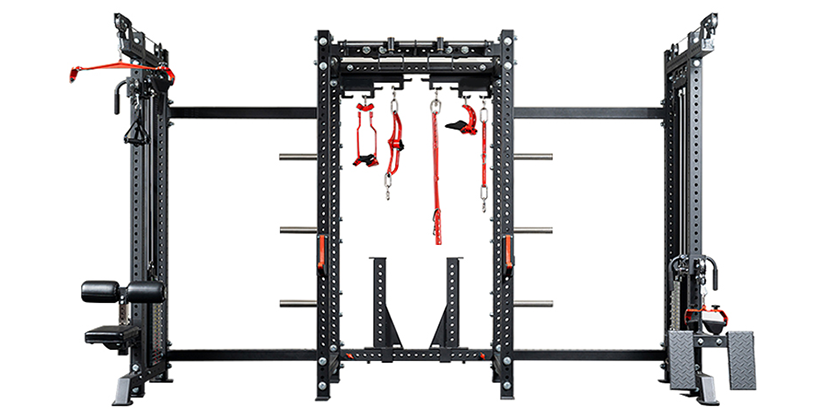
To ensure your facility maintains a premium standard, prioritize durability and wear resistance when sourcing gear intended for use near heavy lifting stations. High-quality components withstand the friction and impact common in weight rooms, ensuring that your clients can perform thoracic mobility exercises safely and effectively. By selecting robust, professional-grade gear, you reduce the frequency of equipment turnover and demonstrate a commitment to quality that distinguishes your facility in a competitive market.
Navigating different budget tiers requires a clear understanding of how much space and maintenance your facility can realistically support. Depending on your square footage and client volume, your procurement strategy for tools used in seated spinal rotation should vary to maximize ROI.
Strategic Allocation for Mobility Zones
For boutique studios or specialized training corners, space efficiency is the primary concern. In these settings, compact, high-density foam rollers or lightweight mobility stools are cost-effective, though they may require a higher maintenance frequency due to surface wear. For large-scale commercial hubs, we recommend investing in fixed, heavy-duty benches or specialized ergonomic stations. While the initial outlay is higher, these professional-grade assets are specifically engineered to withstand the high-frequency use seen during thoracic mobility exercises. By categorizing your needs into these tiers, you can strategically deploy capital—investing in high-durability gear for high-traffic areas near the rack, while using lighter, more versatile options for secondary recovery zones.
Optimizing your procurement strategy involves more than just selecting individual pieces; it requires a holistic view of facility integration. When sourcing for professional strength hubs, the goal is to harmonize heavy lifting stations with recovery zones. To maximize equipment lifespan, look for manufacturers that offer cohesive design languages. This ensures that the tools used for squat rack stretching—such as heavy-duty benches or stability platforms—match the structural integrity of your primary racks. High-quality sourcing quality control is paramount; ensure your suppliers provide detailed specifications on upholstery density and frame gauge. By prioritizing gear that can withstand the proximity of heavy iron and high-impact training, you mitigate the risk of rapid depreciation and ensure a seamless, professional transition between heavy sets and essential seated spinal rotation.
Long-term Value of Integrated Stretching Solutions
For commercial gym owners and strength facility managers, the true return on investment extends far beyond the initial purchase of heavy iron. While high-quality racks drive revenue, the longevity of your clients' training cycles depends on their physical durability. Integrating a seated rotational stretch off squat rack into standard programming is not just a fitness tip; it is a strategic move toward injury prevention and sustained client retention. When lifters prioritize thoracic mobility exercises, they maintain the structural integrity required for heavy compound movements, reducing the likelihood of downtime due to preventable strains.
From a procurement standpoint, designing a layout that encourages seated spinal rotation near high-traffic zones—like the lifting platform—maximizes the utility of your floor space. By promoting long-term lifting performance through better mobility, you ensure that your facility remains a place for progress rather than rehabilitation. Investing in a training environment that supports functional movement patterns helps build a loyal, high-performing community that can return to your equipment consistently, year after year.
Evaluating the economic impact of facility design requires looking at both throughput and equipment utility. Many operators mistakenly view mobility as a separate, time-consuming segment that requires dedicated floor zones. However, optimizing for squat rack stretching protocols allows for superior space utilization. Instead of allocating square footage to specialized machines that may see low turnover, you can leverage the existing footprint of your power racks to facilitate high-value movement patterns.
The efficiency gained by integrating a seated rotational stretch off squat rack into the standard warm-up or cool-down phase means members spend less time transitioning between disparate zones and more time engaged with your primary inventory. This seamless integration fosters greater consistency in client training habits. For distributors and gym developers, sourcing equipment layouts that naturally invite these thoracic mobility exercises ensures that the facility functions as a high-performance ecosystem. Ultimately, a layout that prioritizes functional seated spinal rotation near the rack reduces dead time and maximizes the revenue potential of every square foot of your commercial space.
Achieving long-term operational success requires a shift from viewing equipment as isolated units to seeing them as parts of an integrated stretching solutions ecosystem. When a facility is designed to facilitate a seated rotational stretch off squat rack, it moves beyond simple strength training into a holistic development model. This level of routine optimization ensures that athletes are not just lifting heavy, but are lifting with the requisite mobility to sustain their progress. For facility owners, this translates to higher member satisfaction and lower churn rates, as clients experience sustainable strength gains without the constant interruption of mobility-related setbacks.
Ultimately, the strategic placement of squat rack stretching opportunities serves as a hallmark of a premium, professional-grade training environment. By treating the area around the power rack as a hub for thoracic mobility exercises and seated spinal rotation, you create a high-value training habit that keeps members coming back. For procurement professionals and global distributors, sourcing and installing equipment layouts that prioritize these functional transitions is a direct investment in the long-term viability and professional reputation of the commercial fitness space.