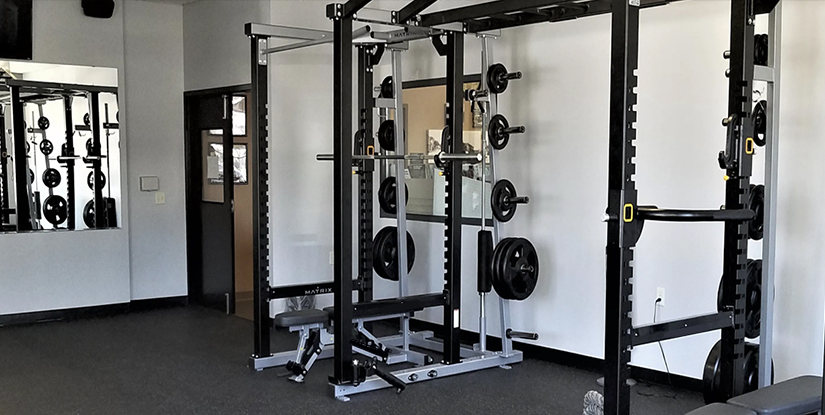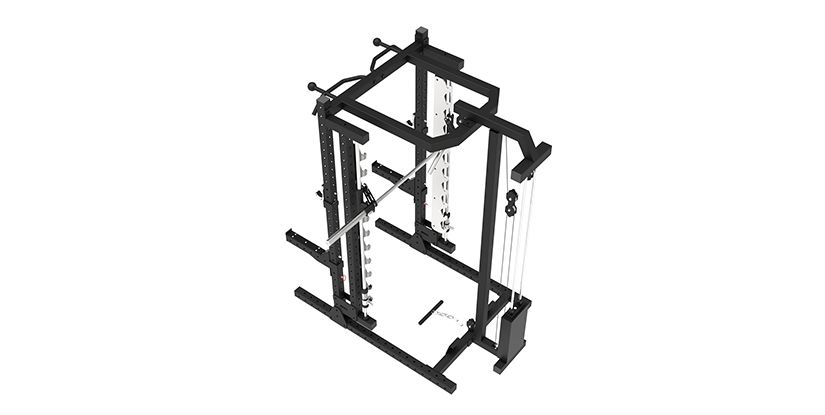
Sourcing Workout Bench and Squat Rack for Distributors
Essential Procurement Criteria for Strength Training Combos
Distributors often fail by over-prioritizing low initial purchase prices, leading to high replacement rates and client dissatisfaction. A more profitable strategy focuses on the total cost of ownership (TCO), where selecting high-grade commercial strength training equipment with superior structural integrity offsets the long-term costs of maintenance and frequent inventory turnover.
Balancing Durability and Weight Capacity
When sourcing a workout bench and squat rack combo, the primary value driver is the equipment's ability to withstand high-traffic environments. Evaluating the steel gauge and weld quality is critical to ensuring long-term durability. You must verify that the weight capacity ranges meet or exceed the demands of your specific target market, whether they are boutique studios or heavy-duty training facilities. Neglecting these specifications may result in lower upfront costs but will ultimately erode your margins through warranty claims and diminished brand reputation.
| Procurement Focus | Budget-Tier Approach | High-ROI Professional Approach |
|---|---|---|
| Primary Metric | Lowest Unit Cost | Total Cost of Ownership (TCO) |
| Structural Standard | Lightweight/Residential Grade | Heavy-Duty Commercial Steel |
| Maintenance Profile | High/Frequent Replacement | Low/Long-term Stability |
| Market Position | Low-end/Home Use | Commercial/Professional Gyms |
To optimize your inventory turnover, align your procurement tiers with specific end-user demands. A mismatch between equipment grade and facility intensity is a leading cause of returns and lost revenue in the fitness distributor supply chain.
Segmented Specifications by Market Tier
| Technical Specification | Boutique & Studio Tier | Full-Scale Commercial Tier |
|---|---|---|
| Steel Gauge & Frame | 11–14 Gauge Steel | 7–10 Gauge Heavy-Duty Steel |
| Typical Weight Capacity | 300–500 lbs (135–225 kg) | 700–1,000+ lbs (315–450+ kg) |
| Bench Upholstery | Standard High-Density Foam | Multi-Layered High-Impact Foam |
| Primary Use Case | Personal Training & Small Classes | High-Traffic Strength & Powerlifting |
| Maintenance Expectation | Moderate/Occasional | High/Constant Heavy Usage |
For distributors, the distinction between these tiers is not merely about size, but about structural longevity. While a studio-grade setup offers higher margins on low-volume orders, professional-grade strength training equipment provides the stability required for high-traffic gym environments, reducing the frequency of SKU replacements and stabilizing your long-term service obligations.
Optimizing Logistics and Supply Chain Efficiency
Profit margins in gym equipment wholesale are frequently eroded by overlooked shipping overheads. Because a workout bench and squat rack combo combines high-density steel with high-volume upholstery, the volumetric weight can significantly impact landed costs. Effective shipping logistics require a deep understanding of container optimization; failing to nest components or optimize pallet layouts can lead to paying for "shipping air," which directly reduces your net ROI.
Furthermore, managing the fitness distributor supply chain requires a strategic approach to MOQ (Minimum Order Quantity). While lower MOQs offer flexibility for boutique inventory, larger, consolidated orders typically secure better freight rates and more predictable lead times. To protect your margins, evaluate whether the cost savings of a high-volume shipment outweigh the increased warehousing and capital tie-up costs of larger stock levels.
Evaluating Structural Integrity and Load Capacity Standards
For distributors, the distinction between residential-grade steel and professional commercial strength training equipment is a matter of legal and operational safety. High-traffic facilities require a specific level of structural stability that standard home gym equipment simply cannot sustain under constant use.
The Risk of Substandard Steel Gauge and Weight Limits
When sourcing a workout bench and squat rack combo, the most critical specification to audit is the steel gauge thickness. Commercial-grade units typically utilize 11-gauge or even 7-gauge steel for the main uprights to ensure the frame does not deform under heavy loads. Relying on thinner, lighter-weight steel might improve your initial margin, but it drastically increases distributor liability if a structural failure occurs during a heavy lift.
Distributors must verify the rated load capacity for both the bench and the rack independently. A mismatch in strength—such as a high-capacity rack paired with a bench that has lower weight limits—creates a dangerous bottleneck. Ensure your suppliers provide documented load-bearing specifications to protect your clients from equipment fatigue and catastrophic failure in high-intensity environments.
Material Specifications and Welding Standards
To effectively manage inventory quality, buyers must look beyond the physical dimensions and audit the technical fabrication details. The durability of a workout bench and squat rack set is determined by the synergy between steel thickness and the quality of the joints. Lower-tier products often cut costs through thinner steel or weaker welding techniques, which leads to premature wear in commercial settings.
The following table outlines the technical variations you should expect when negotiating with different factory tiers to ensure your gym equipment wholesale orders meet the specific demands of your target clients.
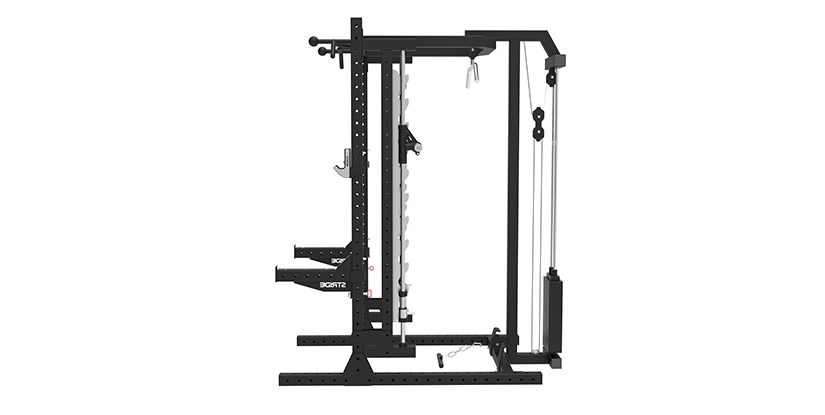
| Specification Metric | Budget/Entry-Level Tier | Premium Commercial Tier |
|---|---|---|
| Steel Gauge (Main Uprights) | 14-gauge (Thinner/Lighter) | 11-gauge (Heavy Duty/Rigid) |
| Welding Type | Spot Welding (Point-based) | Full Seam Welding (Continuous) |
| Powder Coating | Standard Matte (Basic Protection) | Electrostatic/High-Durability (Scratch Resistant) |
| Typical Use Case | Boutique Studios / Home Use | High-Traffic Commercial Gyms |
When negotiating MOQs, prioritize suppliers who can guarantee 11-gauge steel and full seam welding for your flagship items. While the unit cost is higher, the reduced rate of returns and enhanced reputation for reliability will ultimately improve your fitness distributor supply chain efficiency and long-term profitability.
Critical QC Checkpoints for Moving Parts and Connection Points
While frame rigidity is foundational, the longevity of a workout bench and squat rack combo depends heavily on the mechanical precision of its adjustable components. A failure in the secondary hardware often leads to higher return rates than a structural frame issue. During your QC inspection, focus your attention on the friction points and mechanical interfaces where constant movement occurs.
A rigorous audit must examine the adjustment pins and pivot points used for height and incline changes. High-quality commercial units utilize heavy-duty, tapered pins that seat deeply into the frame to prevent wobbling. You should also verify the assembly tolerances; if the connections feel loose or the movement is jerky, it indicates poor manufacturing precision that will accelerate wear and tear.
Poorly engineered adjustment mechanisms often lead to shortened maintenance cycles for the end-user, forcing gym owners to replace parts or entire units prematurely. For a reliable fitness distributor supply chain, ensure that all moving parts are designed for high-frequency use with minimal friction. Testing the ease of movement under load—simulating real-world adjustments—is a vital step to ensure the equipment remains stable and safe throughout its intended lifespan.
Technical Interdependence of Components
When sourcing commercial strength training equipment, distributors must recognize that the functional lifespan of a workout bench and squat rack combo is dictated by the synergy between the two units. A mismatch in adjustment speeds or frame tolerances can lead to accelerated wear and tear on critical components. For instance, if a bench’s adjustment mechanisms are not perfectly aligned with the rack's upright spacing, repetitive shifting can cause structural fatigue or uneven weight distribution.
Reliable compatibility ensures that the adjustment mechanisms—such as pop-pins or selector pins—remain smooth and functional through extended maintenance cycles. From a procurement standpoint, prioritizing high-tolerance manufacturing reduces the frequency of onsite repairs and enhances the long-term value proposition for your end-users.
Inventory Selection Matrix
| Configuration Type | Compatibility Profile | Maintenance Frequency | Distributor Stocking Priority |
|---|---|---|---|
| Fixed-Height Bench | High (Universal) | Low | High-volume/Budget projects |
| Standard Adjustable | Moderate (Specific) | Medium | General commercial gyms |
| Precision/Competition | Low (Specialized) | High | Premium training facilities |
Operational Stability and Adjustment Mechanisms
Evaluating the mechanism type is essential for determining the total cost of ownership. While manual adjustment systems are easier to maintain, they often increase downtime in high-traffic settings due to user error or misalignment. Conversely, selectorized or high-precision systems offer superior speed but require stricter quality control during the sourcing phase to ensure long-term reliability.
| Adjustment Style | Frame Stability | Maintenance Requirement | Commercial Suitability |
|---|---|---|---|
| Manual Pop-Pin | High (Mechanical Lock) | Low (Visual Inspection) | Standard Commercial Gyms |
| Selectorized/Pin-Loaded | Moderate (Moving Parts) | Medium (Lubrication/Alignment) | Boutique/High-End Studios |
| Electronic/Automated | Variable (Precision-Dependent) | High (Technical Calibration) | Premium Performance Centers |
For distributors managing a diverse fitness distributor supply chain, balancing these configurations is a matter of risk management. Robust, manual-adjustment units typically offer the lowest return rate and highest durability in high-volume environments. However, stocking specialized precision-adjustable components can differentiate your catalog for high-end clients who prioritize technical performance over absolute ruggedness.
Long-Term Maintenance and Total Cost of Ownership
Optimizing the total cost of ownership (TCO) requires looking beyond the initial purchase price of a workout bench and squat rack. For professionals managing a fitness distributor supply chain, the true cost is revealed through the frequency of part replacement and technical downtime. High-traffic commercial environments demand hardware that can withstand constant mechanical stress without compromising safety or aesthetics.
When evaluating factory specifications, prioritize units featuring high-grade, wear-resistant coatings. These specialized finishes prevent oxidation and surface degradation caused by sweat and humidity, which is critical for maintaining product value in diverse climates. Additionally, ensure that any moving components—such as adjustable rollers or sliding rails—are designed with accessible lubrication needs in mind. A design that allows for easy, periodic lubrication reduces the part replacement frequency and extends the functional life of the assembly.
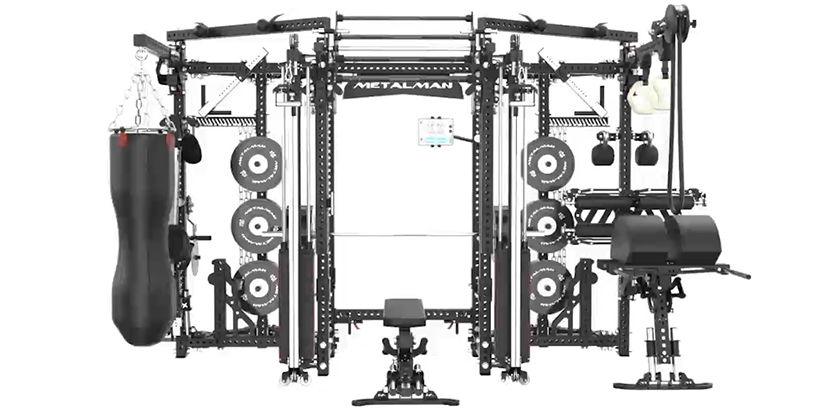
From a procurement strategy perspective, consider how MOQ considerations impact your spare parts inventory. It is often more cost-effective to secure a higher initial volume of high-wear components (like replacement pins, upholstery patches, or bushings) during the primary shipment. This proactive approach prevents supply chain bottlenecks when end-users require rapid maintenance, ensuring your reputation for reliability remains intact as a premium supplier.
Optimizing Inventory with Modular Rack and Bench Configurations
For distributors, the ability to offer space-efficient configurations is a critical competitive advantage. Modern facility layouts often demand high-density solutions, making the integration of a workout bench and squat rack more than just a functional pairing; it is a strategic decision regarding floor footprint and utility.
The Trade-Off Between Footprint and Versatility
When sourcing commercial strength training equipment, buyers must decide between fixed, heavy-duty stations and modular systems. While stationary units offer maximum stability, modular designs allow end-users to adapt their training environment. For a distributor, stocking products that prioritize modularity means catering to both high-traffic commercial gyms and smaller, boutique studio setups where every square foot counts.
| Configuration Type | Footprint Impact | Versatility Level | Best Use Case |
|---|---|---|---|
| Integrated Power Station | High (Fixed) | Standard | Large-scale commercial gyms |
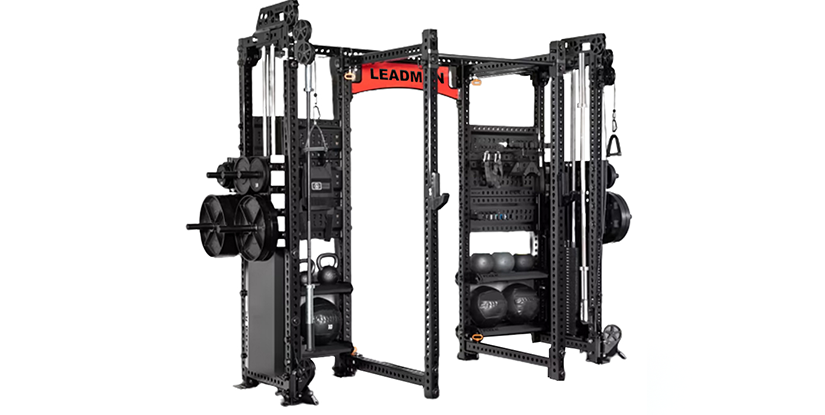
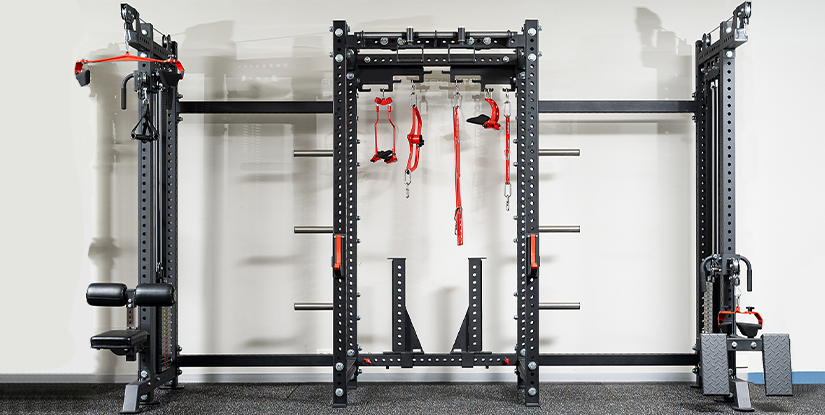
| Modular Bench & Rack Combo | Moderate (Adaptable) | High | Multi-functional training zones |
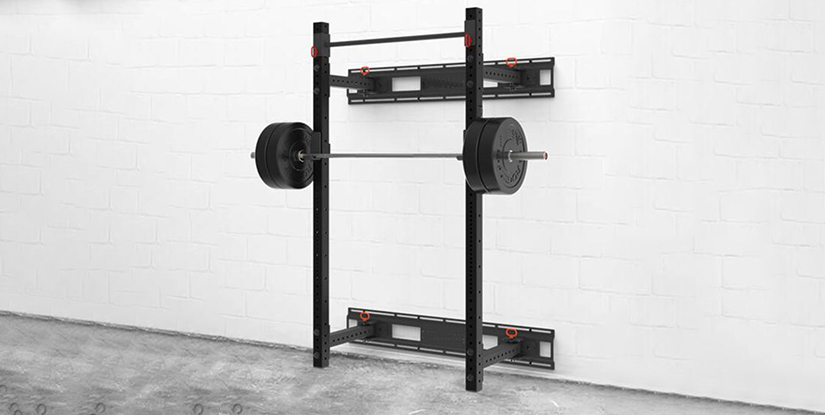
| Compact/Folding Systems | Low (Minimal) | Specialized | Boutique studios or home-gym segments |
Distributors should evaluate specific rack architectures to match the diverse structural requirements of their target clientele. A mismatch between a client's available floor area and the rigid footprint of a heavy-duty unit can lead to installation failures or client dissatisfaction. The following comparison highlights the functional differences between common professional configurations to help you refine your sourcing strategy.
| Configuration Type | Footprint | Versatility | Ideal Client Type |
|---|---|---|---|
| Full Power Rack | Large / Fixed | Maximum (Cable/Lat integration) | High-traffic commercial gyms |
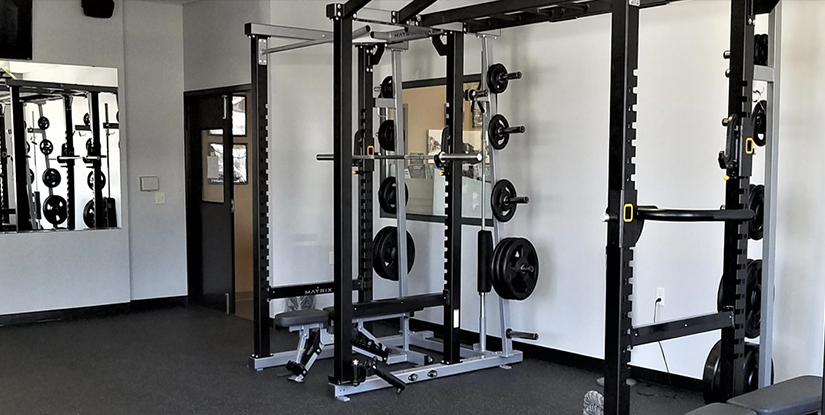
| Half Rack | Medium / Moderate | High (Access from sides) | Mid-sized strength training clubs |
| Squat Stand | Minimal / Compact | Limited (Focused on lifting) | Boutique studios or garage-style facilities |
When managing a fitness distributor supply chain, consider that while Full Power Racks command higher margins, they require more complex logistics and larger warehouse space. Conversely, Squat Stand combinations offer faster turnover for smaller-scale clients but provide fewer opportunities for high-value accessory upselling.
Logistics and Inventory Management for Modular Systems
Navigating the complexities of a fitness distributor supply chain requires a deep understanding of how modular attachments—such as dip stations, cable pulleys, or landmines—affect both shipping volume and warehouse efficiency. While offering a wide array of add-ons increases your product catalog's depth, it also complicates inventory management and increases the risk of dead stock if not handled strategically.
To optimize your procurement, prioritize manufacturers that utilize standardized mounting systems. This allows you to stock a core workout bench and squat rack base and fulfill high-margin accessory orders separately. When reviewing MOQ considerations, negotiate for a balance where the base unit meets a significant volume threshold, while attachments are available in smaller, flexible quantities. This approach minimizes the physical footprint in your distribution center and reduces the shipping volume per unit, ensuring that logistics costs do not erode your margins on specialized modular upgrades.
Navigating MOQ and OEM Customization for Brand Differentiation
For distributors looking to scale, the relationship between Minimum Order Quantity (MOQ) and customization determines your long-term market positioning. While sourcing standard workout bench and squat rack units offers lower entry barriers, it limits your ability to build a proprietary brand identity.
Investing in OEM customization allows you to implement brand differentiation through unique color schemes, laser-etched logos, or specific upholstery textures. However, these bespoke features typically require higher MOQs for commercial strength training equipment to offset specialized production setup costs. Balancing these factors is essential for cost-efficiency; high-volume, standardized orders maximize immediate margins, whereas customized runs build long-term brand equity and customer loyalty in competitive regional markets.
To assist in your inventory planning, consider how varying degrees of product modification impact both your initial capital outlay and your long-term brand authority. The following table outlines the typical trade-offs between standard wholesale procurement and full-scale manufacturing partnerships.
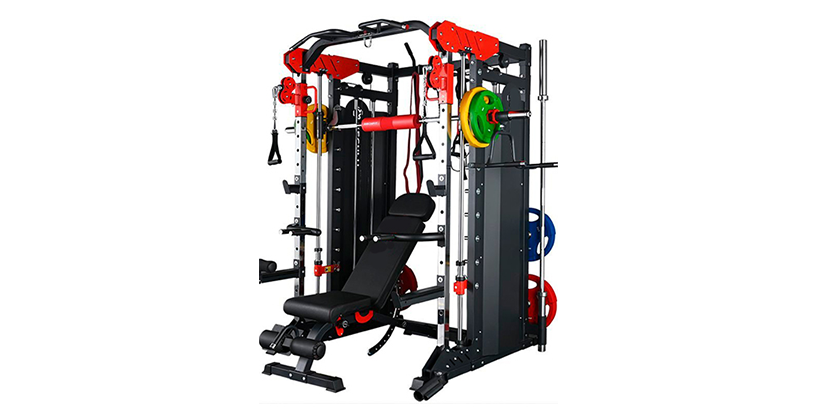
| Customization Level | Typical MOQ | Cost Impact | Brand Value |
|---|---|---|---|
| Standard Wholesale | Low (Per SKU/Container) | Baseline / Lowest | Low (Generic/Third-party) |
| Semi-Custom (Color/Logo) | Moderate | Low to Moderate Increase | Medium (Branded Presence) |
| Full OEM (Dimensions/Specs) | High | Substantial Increase | High (Proprietary Offering) |
When sourcing a workout bench and squat rack combo, distributors often start with semi-customization to balance cost and identity. While full OEM development offers the highest competitive edge, it requires significant upfront investment in tooling and longer lead times. Evaluate your current fitness distributor supply chain capabilities to decide whether to prioritize rapid turnover of stock or the development of a specialized, premium product line.
Optimizing Logistics and Scalability for Long-Term ROI
Beyond product design, your ability to manage complex shipping logistics determines the true profitability of your inventory. Sourcing heavy-duty strength equipment involves high volumetric weight and specialized packaging requirements to prevent transit damage. When negotiating gym equipment wholesale contracts, failing to account for the dimensional weight of a workout bench and squat rack combo can lead to unforeseen surcharges that erode your margins.
To maximize your long-term ROI, distributors must leverage the scale of economy by optimizing container utilization. Rather than shipping disparate single units, consolidating high-density racks with lighter bench components allows for better inventory management and lower per-unit freight costs. A strategic fitness distributor supply chain integrates these logistics early in the procurement phase, ensuring that customization does not compromise shipping density or lead to excessive warehousing overhead.
Logistics Management for High-Density Strength Equipment Imports
Distributors must account for the significant impact of physical density and volume on landed costs. Unlike lightweight cardio machines, a professional workout bench and squat rack combo presents unique challenges due to high mass and irregular dimensions, which directly influence freight rates and container utilization.
Weight Density vs. Volumetric Weight
When sourcing commercial strength training equipment, the cost structure is dictated by two main factors: actual weight and volumetric weight. Heavy-gauge steel frames used in a high-quality squat rack provide the necessary stability for commercial environments, but they also increase the actual weight per unit. Conversely, the large, hollow dimensions of the steel tubing create high volumetric weight, which can drive up air and sea freight expenses if the packing method is not optimized.
To maintain healthy margins, distributors should evaluate how the weight density of a specific workout bench and squat rack configuration affects the total shipping costs. Highly optimized packaging that reduces air gaps within the container can significantly lower the per-unit shipping cost, even if the product itself is heavy.
| Metric Factor | Impact on Procurement | Distributor Strategy |
|---|---|---|
| High Actual Weight | Increases ocean freight base cost | Optimize pallet stacking density |
| Large Volumetric Footprint | Reduces total units per container | Seek knock-down (KD) configurations |
| Irregular Dimensions | Higher risk of damage and re-handling | Verify reinforced packaging standards |
Configuration Comparison: Standard vs. Heavy Duty
Selecting between a standard fitness configuration and a heavy-duty commercial model requires a precise calculation of the trade-off between upfront investment and long-term shipping efficiency. While heavy-duty models offer superior durability for high-traffic facilities, their increased steel gauge and larger footprint often result in higher landed costs per unit due to weight-driven freight rates.
| Configuration Type | Typical Weight Profile | Shipping Density (CBM/Unit) | Landed Cost Implication |
|---|---|---|---|
| Standard Commercial | Moderate (Lower steel gauge) | High (More compact) | Lower freight/Lower unit cost |
| Heavy Duty (Pro) | High (Increased steel gauge) | Low (Larger dimensions) | Higher freight/Premium unit cost |
| Modular/KD Sets | Variable | Highest (Optimized nesting) | Optimized for high-volume wholesale |
For distributors managing a fitness distributor supply chain, opting for "Knock-Down" (KD) or modular designs is often the most effective way to mitigate these costs. A modular workout bench and squat rack combo allows for more efficient container loading by reducing dead space, effectively lowering the volumetric weight penalty and improving the overall ROI on international shipments.
MOQ and Inventory Balancing Strategies
Managing a fitness distributor supply chain requires a delicate balance between order volume and warehouse turnover. While high-volume orders can lower the per-unit price, they also tie up significant capital in heavy, slow-moving inventory. Determining an effective MOQ (Minimum Order Quantity) depends heavily on whether you prioritize low unit costs or high inventory velocity.
When sourcing a workout bench and squat rack, procurement managers must decide between assembly vs. pre-assembled units. Pre-assembled equipment arrives ready for immediate showroom display but suffers from poor container optimization, often resulting in a much higher landed cost due to wasted volume. In contrast, selecting a "knock-down" (KD) model allows for much higher shipping density, enabling you to meet higher MOQs without exponentially increasing freight expenditures. For distributors, the ideal strategy is to maintain a stock of modular components that can be quickly assembled locally, ensuring high turnover while maximizing the efficiency of every sea container.